The Incredible Health Benefits of Thai Massage You Should Know
Why Everyone Is Talking About This Ancient Technique
You walk into a room, sit on a mat, and leave feeling like a different person. That is the promise of Thai massage. While many people think of relaxation when they hear "massage," this specific style does something else entirely. It stretches, presses, and rocks your body into alignment. It feels like being treated by a skilled yoga instructor while getting a deep tissue session. But beyond the immediate feeling of looseness, does it actually help your long-term health? The answer is yes, and science is starting to catch up with what practitioners have known for centuries.
Key Takeaways
- Thai massage combines acupressure, energy work, and assisted yoga postures.
- Regular sessions improve range of motion and reduce chronic muscle tension.
- It activates the parasympathetic nervous system, lowering cortisol levels.
- Unlike oil massages, it is performed through clothes on a floor mat.
- Ideally suited for people with stiffness, stress, or mobility issues.
What Exactly Is Thai Massage?
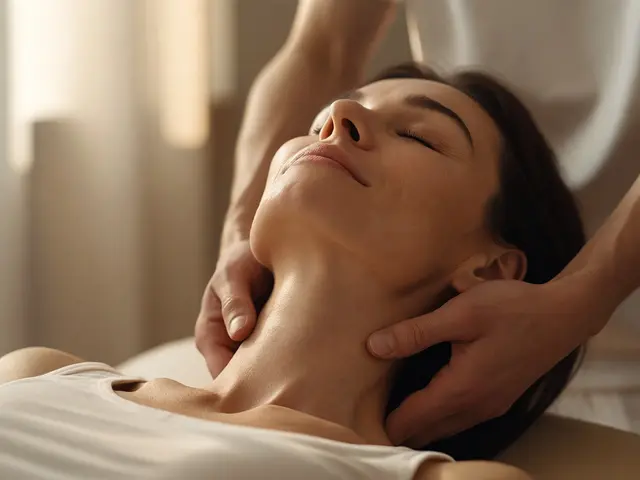
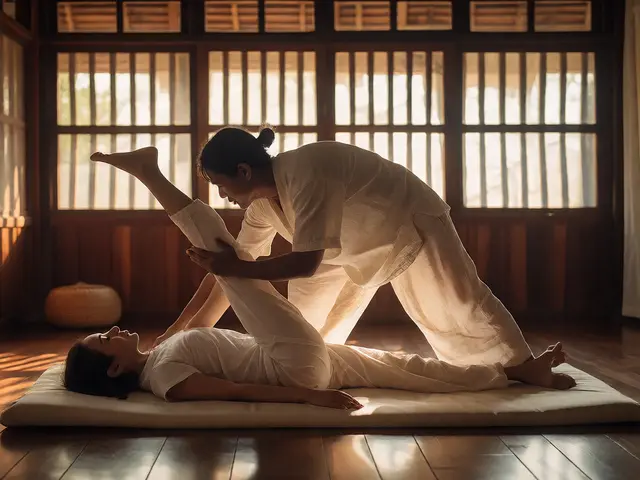
To understand the benefits, you have to understand the method. This therapy originates from traditional healing arts in Thailand, dating back over two thousand years. Unlike typical massages in the West, which often involve sliding hands over skin with oil, this practice uses minimal lubrication. You stay fully clothed, and the therapist uses their hands, knees, legs, and feet to move you into positions similar to passive yoga.
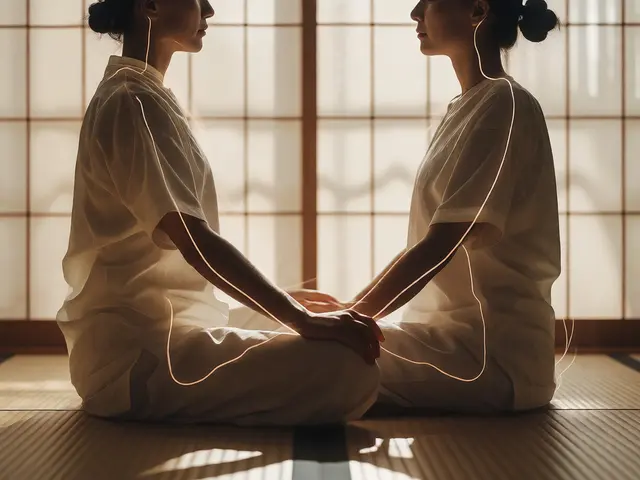
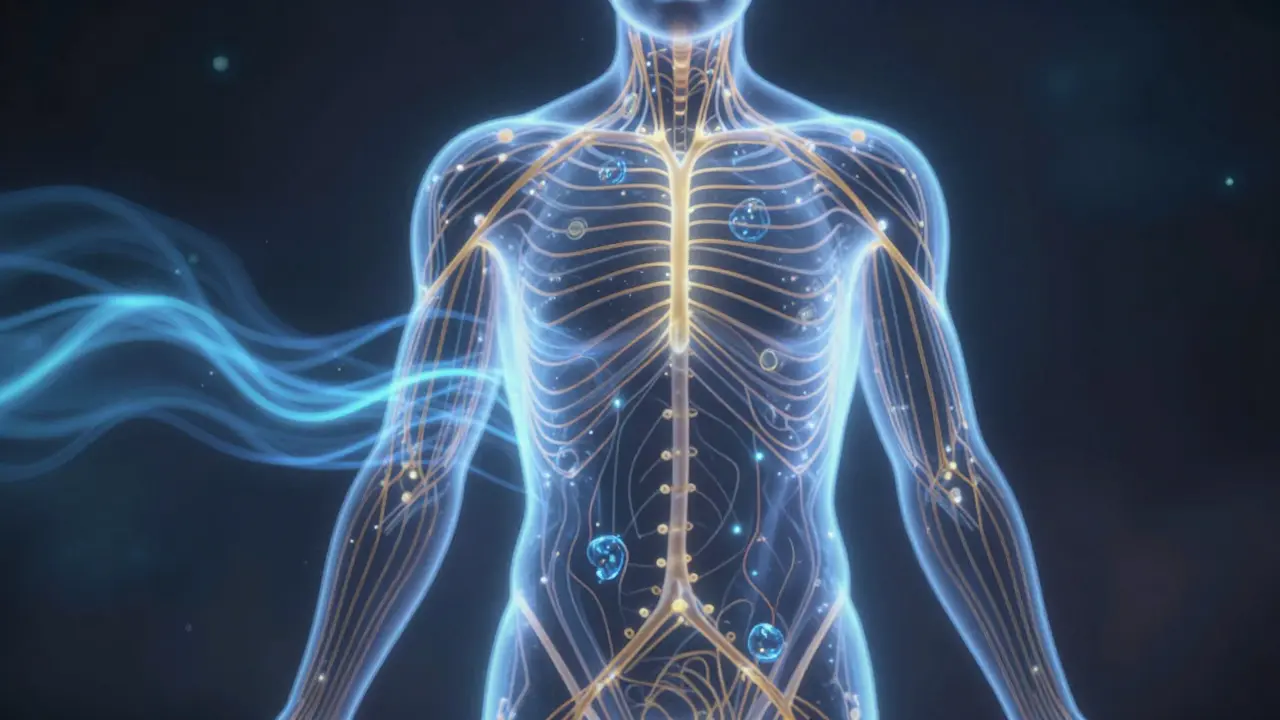
Thai Massage is an ancient therapeutic technique combining acupressure, reflexology, and assisted stretching. Also known as Nuad Boran, it was developed by monks seeking to harmonize the mind and body. Therapists follow specific energy pathways called meridians. They believe these lines connect vital organs and limbs. When blockages occur along these paths, physical discomfort arises. By applying firm pressure to specific points, the practitioner clears congestion and restores flow. This process is deeply rooted in Traditional Thai Medicine, which views health as a balance between wind, bile, and phlegm energies. While modern science may describe this differently using terms like blood circulation and neural signaling, the outcome remains consistent: reduced pain and better movement.Physical Health Wins You Can Feel
The physical changes happen almost immediately during the session. As you lie on the floor mat, the therapist works on unlocking tight areas. Here is what changes physically:
1. Boosted Flexibility and Range of Motion
Many of us spend our days sitting at desks or staring at screens. Our hips tighten, and our shoulders creep toward our ears. This massage actively pulls your limbs into extended positions. Because the movement is assisted, you might go further than you could alone. Over time, repeated sessions increase elasticity in your muscles and tendons. This is crucial for older adults or athletes who need to prevent injury. A stiff hip today can lead to lower back pain next year. Keeping joints mobile reduces wear and tear on cartilage.
2. Significant Pain Relief
Chronic pain often stems from trapped nerves or fascial restrictions. The deep compression used in this therapy targets trigger points directly. This stimulates the release of endorphins, the body's natural painkillers. Patients report relief in conditions like sciatica, arthritis, and fibromyalgia. Unlike temporary fixes, the realignment of skeletal structures provides longer-lasting comfort. For example, a client suffering from tension headaches found that working on the neck and shoulder meridians reduced attack frequency by half after six sessions.
3. Improved Circulation
Pumping action and rhythmic pressure force blood to move through stagnant vessels. Better oxygen delivery means cells repair themselves faster. This can help reduce swelling in extremities. If you travel frequently or stand for long periods, this type of treatment flushes out metabolic waste products that accumulate in tissues, reducing fatigue and heaviness in the legs.

Mental and Energy Perks
Your brain takes a break too. While you get the body worked on, your mind settles. Here is why mental health sees a big win:
1. Deep Stress Reduction
The slow pace signals safety to your autonomic nervous system. It shifts you from "fight or flight" (sympathetic) to "rest and digest" (parasympathetic). Heart rate drops, and breathing deepens. In a world of constant notifications, this forced pause allows your cortisol levels to drop. High stress weakens immunity; managing it keeps your immune response sharp. Many clients fall asleep on the table because the environment encourages total surrender.
2. Enhanced Mental Clarity
Fresh blood flow reaches the brain faster. Post-session, you often feel sharper. It is not just about relaxation; it is about waking up the system. This makes it ideal for burnout recovery. Instead of a heavy sleep, you wake up feeling energized. This contrasts with some sedative treatments where you feel groggy afterward.
3. Balancing Energy Levels
Practitioners talk about energy lines, or Sen Sib lines. These relate to how energy moves through the body. Modern interpretation links this to the nervous system pathways. When these channels open, you feel less drained. It is like unclogging a hose; water flows freely, and pressure decreases.
How It Compares to Other Techniques
If you have only experienced Swedish massage, this will feel different. It is more structural than soft tissue work. Below is a breakdown of how it stacks up against common alternatives.
| Feature | Thai Massage | Swedish Massage | Deep Tissue Massage |
|---|---|---|---|
| Clothing | Fully clothed | Under sheet/towel | Under sheet/towel |
| Surface | Floor mat | Raised table | Raised table |
| Primary Focus | Flexibility & Alignment | Circulation & Relaxation | Chronic Muscle Tension |
| Lubrication | None | Oils/Creams | Oils/Creams |
Choosing depends on your goal. If you want deep sleep, Swedish works well. If you want to unlock stiff joints and feel limber, this option wins. Some people mix them in a wellness routine.
Who Should Be Careful?
Despite the benefits, it isn't for everyone right away. Recent surgery patients should skip it until cleared by a doctor. Pregnant women can enjoy modified versions, but avoid early pregnancy stages due to specific pressure points. People with severe osteoporosis risk fractures with firm pressure. Always discuss medical history before booking. Honesty ensures the therapist adjusts pressure to keep you safe.
Questions You Might Have
Does Thai massage hurt?
Some discomfort is normal because of the deep stretching, but it shouldn't cause sharp pain. You should communicate your comfort level to the therapist so they can adjust intensity.
How often should I get it?
For maintenance, once a month works. For rehabilitation or high stress, weekly or bi-weekly sessions yield faster results.
Should I eat before a session?
Avoid heavy meals an hour before. Light digestion prevents nausea during inversions and compression.
Do I need to shower after?
Not necessarily since no oil is used, but drinking water is essential to help flush toxins released from muscle tissue.
Can kids receive this treatment?
Yes, pediatric versions exist with lighter pressure and gentler stretches tailored for smaller bodies.
Putting It Into Practice
Incorporating this into your routine is simple. Treat it as preventative healthcare rather than luxury. Find a certified local therapist, especially if you live in areas like Portsmouth where wellness centers offer diverse options. Consistency matters more than intensity. Even thirty minutes a month can shift your baseline energy and posture. Listen to your body's signals. If you feel lighter and less restricted the day after, you are finding a match that works for your physiology.


About Author