

Polarity Therapy Guide: What It Is, How It Works, and Who It Helps
Imagine your body as a battery. When it’s charged, you feel sharp, energetic, and resilient. When the charge drops, everything feels heavy-your mind fogs up, your muscles tighten, and you snap at people for no reason. Now imagine a treatment that doesn’t just patch up the symptoms but actually restores that electrical balance from the inside out. That is exactly what polarity therapy aims to do.
Polarity therapy is a holistic healing method that combines gentle touch with breathwork to balance the body's energy flow. It isn't magic, and it isn't a replacement for emergency medical care. But if you have been dealing with chronic tension, unexplained fatigue, or emotional burnout that standard treatments haven't fully resolved, this approach might offer the missing piece of the puzzle. Developed in the mid-20th century by Dr. Randolph Stone, this practice bridges Eastern concepts of energy meridians with Western understanding of anatomy and physiology.
The Core Idea Behind Polarity Therapy
To understand polarity therapy, you first need to drop the idea that the body is just a machine made of parts. Proponents view the human system as an interconnected web of energy channels, much like how electricity flows through circuits in a house. If one wire is loose or blocked, the lights flicker. In the body, these "wires" are known as meridians or nerve pathways.
The central premise here is simple: health depends on the free flow of life force energy, often called Chi in Chinese medicine or Prana in Ayurveda. Polarity therapy works on the belief that when this energy gets stuck or depleted, physical pain and emotional distress follow. The therapist’s job is to identify those blockages and clear them using specific techniques.
Unlike deep tissue massage, which focuses on breaking down knots in muscle fibers, polarity therapy looks at the whole picture. It addresses the spine, the nervous system, and the chakras simultaneously. This means a session might start with work on your lower back but end with breathing exercises designed to calm your anxiety. The goal is equilibrium-not just fixing a sore shoulder, but ensuring your entire system is running smoothly.
What Actually Happens During a Session?
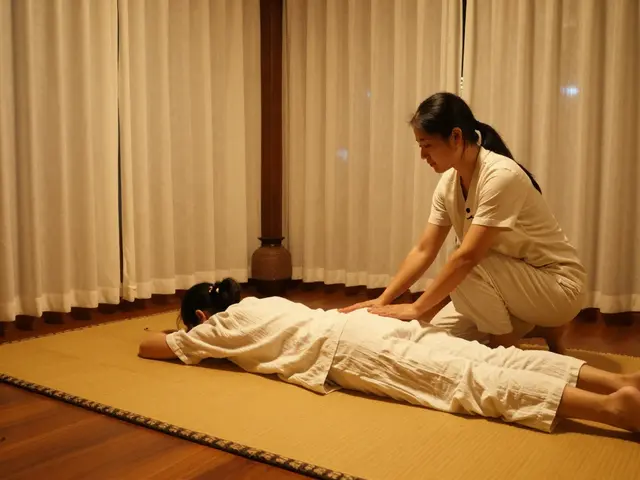
If you are curious about trying polarity therapy, knowing what to expect can ease any nerves. A typical session lasts between 60 to 90 minutes and takes place in a quiet, dimly lit room. You will stay fully clothed throughout the process, wearing comfortable clothing that allows easy access to your arms, legs, and back.
The session usually begins with a consultation. The therapist asks questions about your sleep, diet, stress levels, and any specific pain points. This isn't just small talk; it helps them map out where your energy might be stagnant. Once the history is taken, the physical work starts.
- Spinal Alignment: The therapist uses gentle pressure along your spine to release tension. They aren't cracking joints like in chiropractic care. Instead, they use slow, sustained touches to encourage the vertebrae to settle into their natural alignment.
- Muscle Work: Using hands, fingers, and sometimes elbows, the therapist applies pressure to major muscle groups. This feels similar to a Swedish massage but moves slower and targets deeper layers of connective tissue.
- Energy Balancing: Here is where it gets unique. The therapist may hover their hands over your body without touching you. This technique, known as aura balancing, is meant to detect and correct imbalances in your electromagnetic field.
- Breathwork: You will be guided through specific breathing patterns. These exercises help oxygenate the blood and stimulate the parasympathetic nervous system, which triggers the body's relaxation response.
Most people report feeling deeply relaxed during the session. Some even fall asleep. Afterward, you might feel a surge of energy or a profound sense of calm. It is common to feel slightly tired immediately after, as your body processes the release of stored tension.
Key Benefits Beyond Relaxation
You might wonder if all this fuss is worth it just for a nice massage. While relaxation is a huge bonus, polarity therapy claims benefits that go deeper. Here is what practitioners and clients often cite as the primary outcomes:
| Benefit Area | Specific Outcome | Mechanism |
|---|---|---|
| Pain Management | Reduction in chronic back, neck, and joint pain | Releasing muscle tension and improving nerve flow |
| Emotional Health | Lowered anxiety and improved mood stability | Balancing the autonomic nervous system via breathwork |
| Digestion | Better appetite and reduced bloating | Stimulating abdominal organs and meridian flow |
| Sleep Quality | Falling asleep faster and deeper rest | Activating the parasympathetic (rest-and-digest) state |
| Immunity | Fewer colds and faster recovery times | Reducing cortisol levels and boosting lymphatic drainage |
One of the most compelling aspects is its impact on stress. Chronic stress keeps your body in a constant "fight or flight" mode, flooding your system with cortisol. Over time, this hormone wreaks havoc on your heart, digestion, and immune system. Polarity therapy actively shifts you into the "rest and digest" mode, giving your body a chance to repair itself. For someone working a high-pressure job in Perth or anywhere else, this shift can be transformative.

How It Compares to Other Therapies
If you have tried other forms of alternative medicine, you might notice similarities. Polarity therapy shares DNA with several popular practices, but it has distinct differences that set it apart.
Take Reiki, for example. Both involve energy healing and hand placements. However, Reiki is purely non-contact and focuses entirely on channeling universal energy. Polarity therapy includes significant physical touch, including massage and spinal adjustments. It is more tactile and grounded in anatomical structure.
Then there is Chiropractic Care. Chiropractors focus heavily on spinal manipulation to affect the nervous system. They often use quick, forceful adjustments to "crack" the spine. Polarity therapists use gentle, sustained pressure. There is no cracking, popping, or sudden movement. If you are sensitive to loud noises or aggressive handling, polarity therapy is likely much more comfortable.
Acupuncture involves inserting needles into specific points to unblock energy. Polarity therapy achieves a similar goal of clearing meridians but uses touch and breath instead of needles. If you have a fear of needles, this is a viable alternative that targets many of the same energy pathways.
Who Should Consider Polarity Therapy?
This therapy isn't for everyone, but it fits well into the lives of certain groups. If you fall into any of these categories, it might be worth exploring:
- Chronic Pain Sufferers: People who have tried physical therapy and medication but still deal with lingering discomfort.
- High-Stress Professionals: Executives, teachers, or healthcare workers who feel mentally drained and physically tense.
- Those Seeking Holistic Care: Individuals who prefer natural, non-invasive treatments over pharmaceutical interventions.
- People with Digestive Issues: Since the gut is closely linked to the nervous system, balancing energy flow can improve digestive function.
However, it is not a substitute for acute medical care. If you have broken a bone, are bleeding, or have a serious infection, go to a hospital. Polarity therapy is best used as a complementary practice alongside conventional medicine, not as a replacement for it.

Finding a Qualified Practitioner
Because polarity therapy is a specialized field, not every massage therapist offers it. When looking for a provider, especially if you are in Australia or elsewhere internationally, check for proper certification. Look for practitioners certified by recognized bodies such as the Polarity Therapy Association or equivalent national organizations.
Ask potential therapists about their training. A qualified practitioner should be able to explain the difference between polarity therapy and standard massage clearly. They should also ask detailed questions about your health history before starting treatment. If someone promises to cure cancer or reverse diabetes solely through polarity therapy, walk away. Ethical healers know the limits of their practice and will always refer you to a medical doctor for serious conditions.
Cost varies depending on location and experience. In major cities, you might pay between $80 and $150 per session. Some health insurance plans cover alternative therapies, so it is worth checking your policy before booking.
Preparing for Your First Session
To get the most out of your initial appointment, preparation matters. Avoid eating a large meal right before your session, as digestion requires energy that could interfere with the relaxation process. Wear loose, comfortable clothes-leggings and a t-shirt work perfectly. Remove jewelry, watches, and phones to minimize distractions.
Hydrate well beforehand. Water helps flush out toxins released during the treatment. After your session, drink plenty of water and take it easy for the rest of the day. You might feel emotionally vulnerable or physically relaxed, so avoid scheduling intense workouts or stressful meetings immediately afterward.
Be open to the experience. If something feels uncomfortable, speak up. Good communication with your therapist ensures the session meets your needs. Remember, the goal is not just to endure the treatment but to enjoy the journey toward better health.
Is polarity therapy safe for everyone?
Polarity therapy is generally safe for most people due to its gentle nature. However, it may not be suitable for individuals with severe osteoporosis, recent fractures, or contagious skin infections. Pregnant women should consult their doctor before undergoing treatment, though many practitioners offer modified sessions for pregnancy-related discomfort. Always disclose any medical conditions to your therapist beforehand.
How many sessions do I need to see results?
Results vary based on individual needs. Some people feel immediate relief after one session, particularly for stress or minor tension. For chronic issues like long-term back pain or anxiety, a series of 4 to 6 sessions spaced a week apart is often recommended. Maintenance sessions once a month can help sustain the benefits.
Does polarity therapy hurt?
No, polarity therapy should not cause pain. The touch is gentle and rhythmic. If you experience discomfort, inform your therapist immediately so they can adjust their pressure. The goal is relaxation, not endurance. Any sensation should feel soothing, similar to a deep tissue massage but much lighter.
Can polarity therapy replace medical treatment?
Absolutely not. Polarity therapy is a complementary alternative medicine practice. It supports overall wellness and manages symptoms but does not diagnose or treat diseases. It should never replace prescribed medications, surgery, or emergency care. Always work alongside your primary healthcare provider.
What is the scientific evidence behind polarity therapy?
Scientific research on polarity therapy specifically is limited compared to mainstream medicine. However, studies on related practices like massage therapy, breathwork, and mindfulness show clear benefits for reducing stress, lowering blood pressure, and improving mental health. The mechanisms proposed by polarity therapy align with known physiological responses to touch and relaxation, even if the concept of "energy fields" remains debated in the scientific community.


About Author