
The Therapeutic Benefits of Acupressure: A Deep Dive
You’re sitting at your desk, shoulders hunched up near your ears, staring at a screen that’s been blurring for the last hour. Your neck feels like it’s made of concrete. You reach for another coffee, but deep down, you know caffeine isn’t going to fix the tension knotting up your trapezius muscles. What if the solution wasn’t another pill or an expensive appointment, but something you could do right there in your chair? Enter Acupressure, a non-invasive technique rooted in Traditional Chinese Medicine (TCM) that applies physical pressure to specific points on the body to restore energy flow and promote healing.
This isn't just about poking yourself until it hurts. It’s a precise, ancient practice that has gained serious traction in modern wellness circles because it works. Whether you’re dealing with chronic back pain, insomnia, or just the daily grind of city life, understanding how acupressure functions can give you a powerful tool for self-care. Let’s break down what actually happens when you press these points, which ones matter most, and how you can start feeling better today.
What Exactly Is Acupressure?
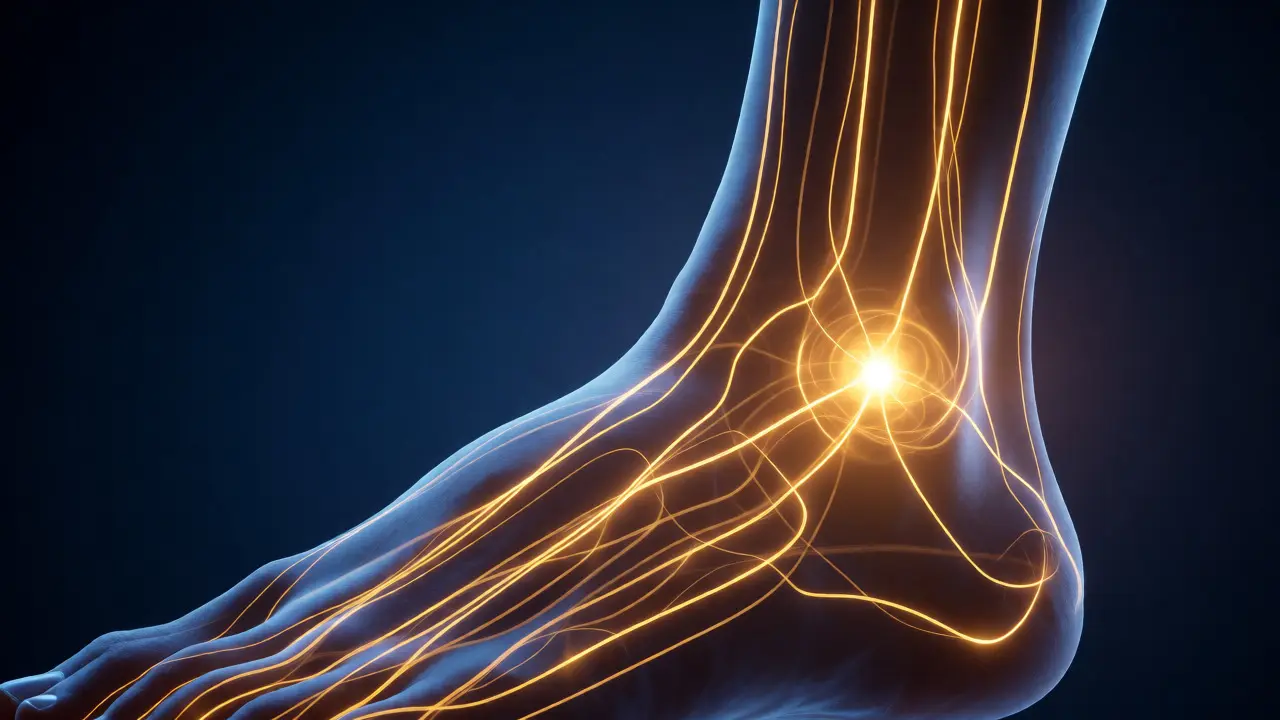
Think of your body as a complex electrical grid. In Traditional Chinese Medicine, this grid is called the meridian system. Energy, known as Qi (or Chi), flows through these meridians. When the flow gets blocked-due to stress, injury, or poor posture-you feel pain or illness. Acupressure aims to unblock these channels by applying steady, firm pressure to specific spots along the meridians.
Unlike acupuncture, which uses thin needles to stimulate these points, acupressure relies entirely on touch. This makes it safer for people who are needle-phobic and accessible enough that you can learn basic techniques at home. The logic is simple: by stimulating the nervous system at these key junctions, you trigger the body’s natural ability to heal itself, release endorphins, and reduce inflammation.
The Science Behind the Touch
Skeptics often dismiss TCM practices as placebo, but research tells a different story. Studies published in journals like the Journal of Pain Research have shown that acupressure can significantly reduce pain intensity and improve quality of life for patients with conditions like osteoarthritis and lower back pain. But how does it work biologically?
When you apply pressure to an acupoint, you’re essentially sending a signal to your brain via sensory nerves. This signal prompts the hypothalamus-pituitary-adrenal axis to regulate hormones and neurotransmitters. Specifically, it encourages the release of endorphins-the body’s natural painkillers-and serotonin, which helps stabilize mood. Additionally, the mechanical pressure increases local blood circulation, flushing out metabolic waste products that contribute to muscle soreness and fatigue.
It’s not magic; it’s physiology. The stimulation also activates the parasympathetic nervous system, often referred to as the "rest and digest" mode. This counters the fight-or-flight response caused by chronic stress, lowering heart rate and blood pressure in the process.
Top Acupressure Points for Common Ailments
You don’t need to memorize all 361 standard acupoints to get results. Most people only need a handful of reliable points to address their most frequent complaints. Here are four essential points that deliver high impact for common issues.
| Point Name | Location | Primary Benefit |
|---|---|---|
| LI4 (Hegu) | In the fleshy area between thumb and index finger | Headaches, toothache, facial pain, general pain relief |
| PC6 (Neiguan) | Three finger-widths above the wrist crease, between tendons | Nausea, motion sickness, anxiety, chest tightness |
| ST36 (Zusanli) | Four finger-widths below kneecap, one finger-width outside shinbone | Digestive issues, fatigue, immune support, longevity |
| GV20 (Baihui) | Top center of the head, where lines from ears meet | Mental clarity, depression, sinus congestion, prolapse |
How to find them: Don’t worry about being millimeter-perfect. These points are generally located in depressions or tender areas. If you press a spot and it feels achy or sensitive compared to the surrounding tissue, you’ve likely found the right zone.
Step-by-Step: How to Apply Pressure Correctly
Doing it wrong can lead to bruising or minimal benefit. Doing it right requires consistency and proper technique. Here’s a simple protocol you can follow.
- Relax: Sit or lie down in a comfortable position. Take three deep breaths to settle your nervous system.
- Locate: Use your thumb or middle finger to find the point. Apply light pressure first to identify the most sensitive spot.
- Press: Increase pressure steadily until you feel a sensation described as "de qi"-a mix of ache, numbness, or heaviness. It should be strong but not sharp or painful.
- Hold: Maintain this pressure for 30 seconds to 2 minutes. You can hold it steady or use small circular motions.
- Breathe: Continue breathing deeply while holding the pressure. Exhale slowly as you maintain the hold.
- Release: Slowly release the pressure. Notice any change in sensation, warmth, or relaxation in the area.
Repeat this process on both sides of the body if applicable (most points are bilateral). Aim for two sessions a day for acute issues, or once daily for maintenance.

Who Should Avoid Acupressure?
While safe for most people, acupressure isn’t suitable for everyone. Pregnant women, in particular, need to be cautious. Certain points, especially LI4 and SP6, are believed to stimulate uterine contractions and induce labor. While some practitioners use them intentionally during late-term pregnancy, using them without professional guidance early on can be risky.
Avoid direct pressure on open wounds, varicose veins, or areas with severe inflammation. If you have a bleeding disorder or are taking blood thinners, consult your doctor before starting regular acupressure, as even mild pressure can cause bruising. Always listen to your body-if a point causes sharp, shooting pain rather than a dull ache, stop immediately.
Integrating Acupressure into Daily Life
The beauty of acupressure lies in its accessibility. You don’t need special equipment, just your hands. Try incorporating it into existing habits. For instance, while brushing your teeth, massage the ST36 point on your legs to boost digestion. During a commute, press PC6 on your wrists to calm travel anxiety. Before bed, gently rub GV20 on top of your head to quiet mental chatter.
Consistency beats intensity. Five minutes of targeted pressure every day will yield better long-term results than a single hour-long session once a month. Keep a small journal to track what points help with which symptoms. Over time, you’ll develop a personalized map of relief that no generic advice can match.
Does acupressure really work for pain?
Yes, numerous studies support its effectiveness for various types of pain, including headaches, lower back pain, and arthritis. It works by stimulating the nervous system to release natural pain-relieving chemicals like endorphins and improving blood flow to affected areas.
How long should I press an acupressure point?
Generally, apply steady pressure for 30 seconds to 2 minutes per point. You can repeat this several times a day. Consistency is more important than duration; short, regular sessions are often more effective than occasional long ones.
Is acupressure safe during pregnancy?
Many points are safe, but some, like LI4 and SP6, are traditionally avoided or used with caution because they may stimulate uterine contractions. Always consult a qualified practitioner or healthcare provider before using acupressure specifically for pregnancy-related issues.
Can I do acupressure on myself?
Absolutely. Many key points, such as those on the hands, feet, and arms, are easily accessible for self-treatment. Learning basic techniques allows you to manage minor ailments like headaches, nausea, and stress independently.
What does the 'De Qi' sensation feel like?
De Qi is a term used to describe the desired sensation when an acupoint is correctly stimulated. It typically feels like a heavy, dull ache, tingling, or warmth spreading from the point. It should not be sharp or electric-shock-like pain.


About Author