The Many Benefits of Ayurvedic Massage
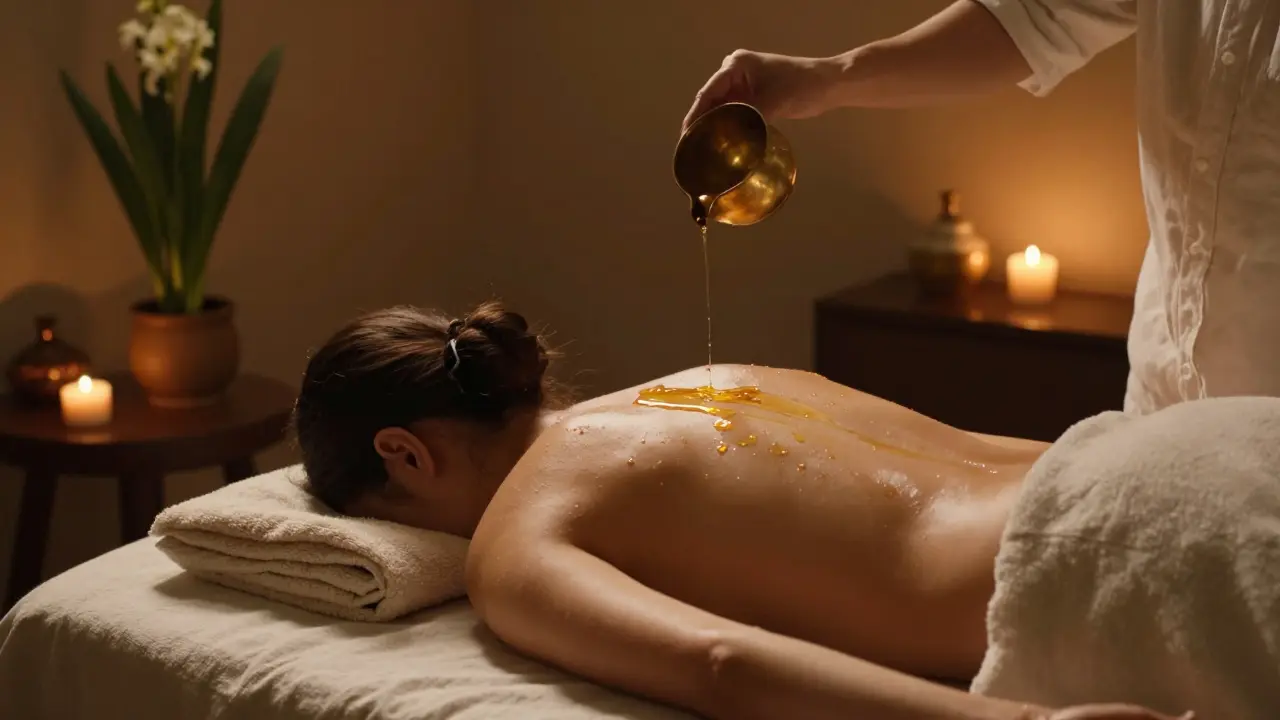
Imagine sinking into a warm, fragrant oil massage where every stroke is designed not just to relax your muscles, but to reset your entire system. That’s ayurvedic massage - not just a spa treatment, but a 5,000-year-old healing practice rooted in India’s ancient medical system, Ayurveda. Unlike Swedish or deep tissue massage, it doesn’t chase tightness out of your shoulders. It asks: what’s out of balance in your body? And then it works from the inside out.
What Makes Ayurvedic Massage Different?
Ayurvedic massage, or Abhyanga, isn’t one-size-fits-all. It’s personalized based on your dosha - your unique mind-body constitution. Ayurveda says we all fall into one of three primary types: Vata (air and space), Pitta (fire and water), or Kapha (earth and water). Each dosha carries its own tendencies - Vata types get anxious and cold, Pitta types burn hot and get irritable, Kapha types hold weight and feel sluggish. The oil, pressure, rhythm, and even the time of day for your massage are chosen to bring your dosha back into harmony.
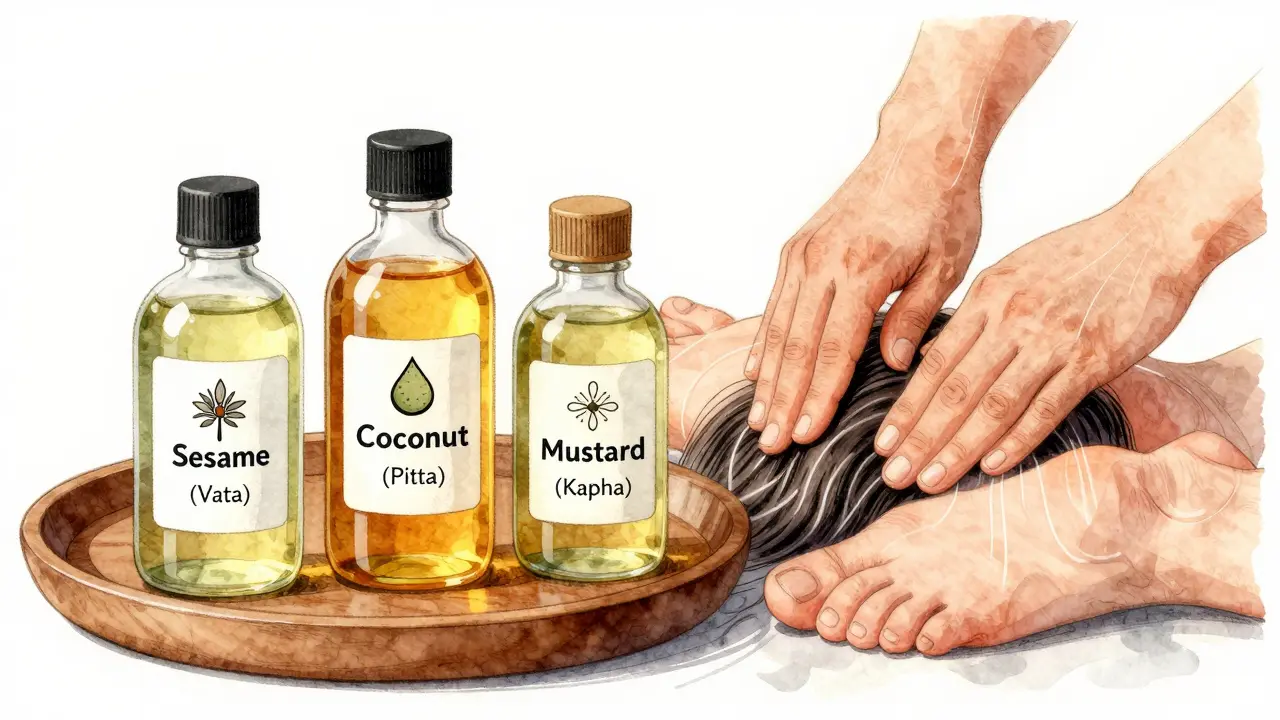
For example, if you’re Vata-dominant and always feel wired but tired, your therapist will use warm sesame oil, slow circular strokes, and focus on your feet and scalp. If you’re Pitta-dominant and prone to inflammation, cooling coconut oil and gentler pressure will calm your internal heat. Kapha types get invigorating, brisk strokes with mustard or almond oil to stir up stagnant energy. This isn’t guesswork. It’s a precise science passed down through generations.
Deep Stress Relief That Actually Lasts
Most massages give you 20 minutes of calm, then you’re back to your phone, your inbox, your racing thoughts. Ayurvedic massage targets the root of stress: your nervous system. The warm oil penetrates deep into your tissues, triggering the parasympathetic nervous system - the part that says, “It’s safe to rest.” Studies from the Journal of Ayurveda and Integrative Medicine show that regular Abhyanga lowers cortisol levels by up to 30% in just four weeks. That’s not a placebo. It’s measurable. Your heart rate slows. Your breathing deepens. Your body stops thinking you’re under attack.
And here’s the kicker: you don’t need to be stressed to benefit. Even if you think you’re “fine,” your body is still holding onto tiny tensions - from poor sleep, processed food, or screen overload. Ayurvedic massage doesn’t just relieve stress. It prevents it from building up.
Improved Circulation and Detoxification
Your lymphatic system doesn’t have a pump like your heart. It relies on movement - especially gentle pressure - to flush out toxins. Ayurvedic massage uses long, rhythmic strokes that follow your body’s natural flow, helping your lymph move waste toward elimination. The oils used aren’t just fragrant; they’re medicinal. Sesame oil is rich in antioxidants. Coconut oil has anti-inflammatory fatty acids. Castor oil clears stagnation. These aren’t random choices. Each oil is selected to support your dosha’s detox needs.
After a session, you might notice your skin glowing, your digestion improving, or even fewer headaches. That’s not coincidence. It’s your body finally getting the support it’s been asking for.
Balance for Your Mind, Not Just Your Muscles
Ayurveda doesn’t separate physical health from mental clarity. That’s why ayurvedic massage includes scalp and foot application - two areas packed with nerve endings connected to your brain. Massaging these zones stimulates the release of serotonin and dopamine, the feel-good chemicals your brain makes when you’re calm and content.
People who commit to weekly sessions often report better sleep, fewer mood swings, and less brain fog. One woman in Perth, who struggled with anxiety after her divorce, started ayurvedic massage twice a month. Within six weeks, she stopped taking her sleep medication. Not because it was “cured,” but because her nervous system finally felt safe again.
Long-Term Healing, Not Quick Fixes
You won’t walk out of an ayurvedic massage feeling like you’ve been hit by a truck. There’s no deep pressure to “break up knots.” Instead, you’ll feel lighter, warmer, and strangely calm. That’s the point. This isn’t about forcing your body into shape. It’s about inviting it back into rhythm.
Regular practice - even once a week - can reduce chronic pain, ease joint stiffness, and improve flexibility over time. A 2023 study from the All India Institute of Ayurveda found that participants with lower back pain who received monthly Abhyanga for three months saw a 45% reduction in pain levels, compared to only 12% in the control group using standard physiotherapy.
And it’s not just for older adults. Young professionals in their 20s and 30s are turning to ayurvedic massage to avoid burnout before it starts. It’s preventative medicine in its purest form.

How to Get Started
You don’t need to fly to India. Perth has several certified ayurvedic therapists who blend tradition with modern practice. Look for someone who:
- Asks about your sleep, digestion, and emotional patterns before the session
- Uses warm, organic oils - never synthetic fragrances
- Takes time to explain your dosha and why certain oils or strokes are chosen
- Recommends a routine - even 15 minutes of self-massage at home can make a difference
Start with a 60-minute session. Wear loose clothing afterward. Drink warm water. Avoid cold showers for a few hours. Let the oil soak in. You might feel a little sleepy. That’s normal. Your body is healing.
What to Expect After Your First Session
Some people feel deeply relaxed. Others feel oddly energized. A few feel a little sluggish - that’s your body releasing old toxins. Don’t panic. It usually passes in a day. Most notice changes within a week: better sleep, less bloating, clearer skin. After a month, many say they feel more grounded - like they’re finally living in their own body instead of just passing through it.
Ayurvedic massage isn’t magic. It’s biology. It’s ancient wisdom that science is now catching up to. And it’s working for people right here, right now - in Perth, in Sydney, in London, in New York.
Is ayurvedic massage safe for everyone?
Generally, yes - but not if you have open wounds, infections, or are in the first trimester of pregnancy without clearance from your doctor. If you have severe osteoporosis or recent surgery, ask your therapist to adjust the pressure. Always disclose any medical conditions. A good practitioner will tailor the session to your needs, not force a one-size-fits-all routine.
How often should I get ayurvedic massage?
For maintenance, once a week is ideal. If you’re dealing with stress, chronic pain, or hormonal imbalance, twice a week for four weeks can create lasting shifts. After that, you can scale back to every two weeks. Even monthly sessions offer benefits. The key is consistency - not intensity.
Can I do ayurvedic massage at home?
Absolutely. Self-massage (known as *abhyanga*) is a cornerstone of ayurvedic daily routine. Use warm sesame oil for Vata, coconut for Pitta, or mustard for Kapha. Spend 10-15 minutes massaging your limbs, chest, and scalp before a shower. It’s not about perfection - just presence. This small ritual can reset your nervous system and improve sleep quality.
Do I need to believe in Ayurveda for it to work?
No. You don’t need to believe in doshas or ancient texts. The oil, the warmth, the rhythmic touch - these are physical stimuli that trigger real biological responses. Your body responds to pressure, temperature, and scent whether you understand why or not. Think of it like yoga: you don’t need to be spiritual to feel less tense after a session.
How is ayurvedic massage different from aromatherapy massage?
Aromatherapy focuses on essential oils for scent-based effects - lavender for calm, eucalyptus for congestion. Ayurvedic massage uses medicated oils chosen for their physical and energetic properties, not just smell. The oil is warmed, massaged deeply into the skin, and left on for hours to penetrate tissues. The intention is systemic healing, not just mood enhancement. The scent is a bonus, not the main tool.
Final Thought: It’s Not Just a Massage - It’s a Reset
Ayurvedic massage doesn’t promise miracles. It offers something better: a return to balance. In a world that pushes us to do more, move faster, and fix everything, this practice asks you to slow down - not because you’re broken, but because you’re human. And sometimes, the most healing thing you can do is let someone else hold space for you - with warm oil, steady hands, and quiet intention.

About Author

Popular Posts