Sports Massage: Unlocking the Path to Peak Performance
Every elite athlete knows that winning isn’t just about training harder. It’s about recovering smarter. That’s where sports massage steps in-not as a luxury, but as a non-negotiable part of the training cycle. Think of it like changing your tires before a race. You wouldn’t drive on worn treads, so why push your muscles past their limits without giving them the care they need?
What Exactly Is Sports Massage?
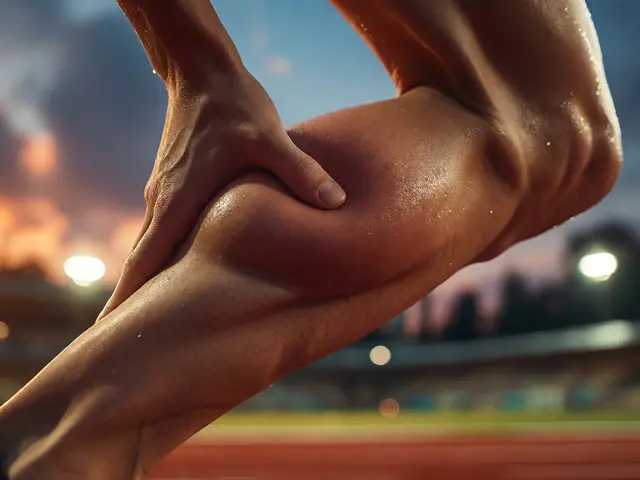
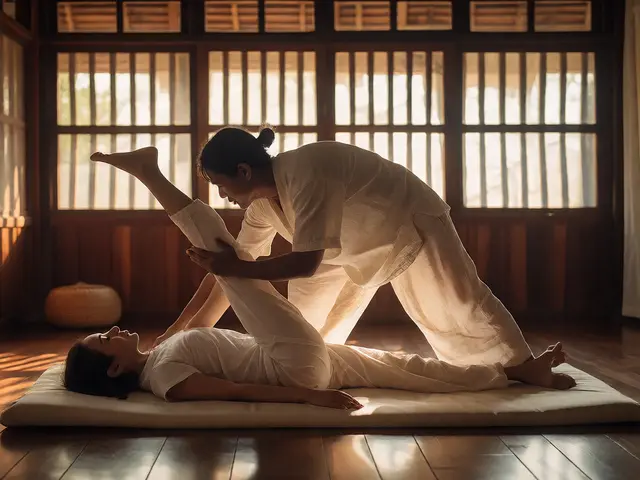
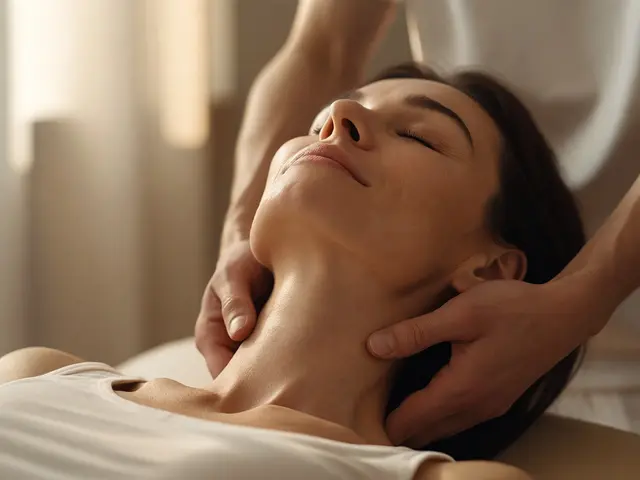
Sports massage isn’t just a deep tissue session with a bit more pressure. It’s a targeted, science-backed approach designed for people who move a lot-runners, cyclists, swimmers, weightlifters, even weekend warriors. Unlike relaxation massage, which aims to calm the nervous system, sports massage focuses on improving muscle function, reducing tightness, and speeding up recovery after intense activity.
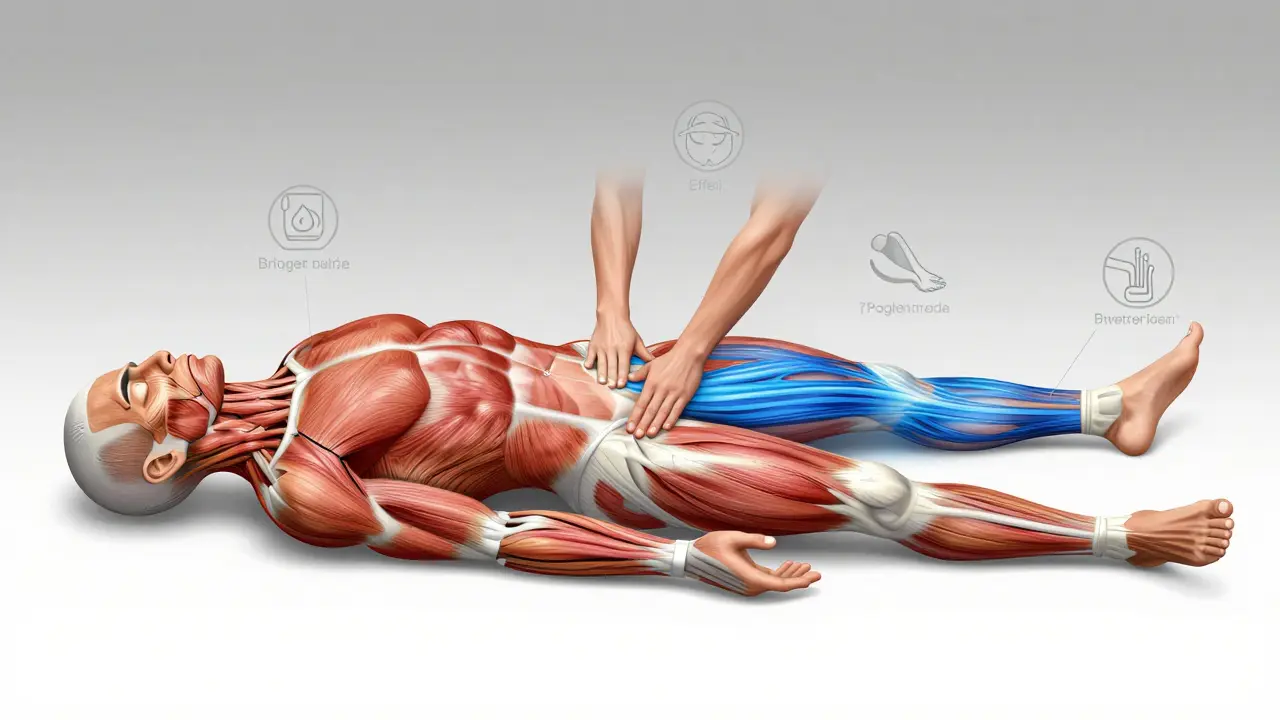
It uses techniques like effleurage (long gliding strokes), petrissage (kneading), friction (deep circular pressure), and trigger point therapy. These aren’t random moves. Each one has a purpose: breaking down adhesions, increasing blood flow, flushing out metabolic waste like lactic acid, and restoring muscle elasticity.
Studies from the Journal of Athletic Training show that athletes who received regular sports massage reported 30% less muscle soreness and improved range of motion within 24 hours post-exercise. That’s not magic. That’s physiology.
When Should You Get a Sports Massage?
Timing matters. Getting a massage at the wrong time can do more harm than good. Here’s the real-world breakdown:
- Pre-event (24-72 hours before): Light, stimulating strokes to increase circulation and loosen tight muscles. This isn’t about deep work-it’s about waking up the system.
- Post-event (within 2 hours to 24 hours): This is when most athletes benefit the most. The goal is to reduce inflammation, flush out lactic acid, and prevent stiffness. A 30-minute session right after a marathon or heavy lifting day can cut recovery time in half.
- Training phase (weekly or biweekly): Think of this as preventative maintenance. Regular sessions keep muscles supple, prevent overuse injuries, and catch small imbalances before they turn into tears or strains.
- Rehab phase (after injury): Under the guidance of a physiotherapist, sports massage can help break down scar tissue and restore mobility. It’s not a cure, but it’s a powerful tool in the rehab toolkit.
One elite triathlete I spoke to in Canberra gets a massage every 72 hours during race season. Not because she’s obsessed, but because she noticed her swim stroke improved by 8% after consistent sessions. That’s a 15-second gain over 1500 meters. In racing, that’s the difference between podium and middle of the pack.
How It Boosts Performance
Sports massage doesn’t just help you feel better. It makes you faster, stronger, and more resilient. Here’s how:
- Increased blood flow: Better circulation means more oxygen and nutrients reach your muscles. That’s fuel for performance and repair.
- Reduced muscle tension: Tight hamstrings? Locked quads? Massage breaks up adhesions and restores natural length. That means better form, less energy waste, and fewer injuries.
- Faster recovery: After hard training, your muscles are full of metabolic byproducts. Massage helps clear them out, so you’re ready to train again sooner.
- Improved flexibility: Studies show that athletes who get weekly sports massage improve their hamstring and hip flexibility by 15-20% over eight weeks. That translates directly to stride length and power output.
- Neuromuscular reset: Massage can calm overactive nerves that keep muscles in constant tension. Think of it as hitting a reset button on your body’s stress response.
It’s not just about feeling good after a workout. It’s about showing up stronger, day after day. Elite teams in the AFL, NBA, and Tour de France all have dedicated sports massage therapists on staff. They don’t do it because it’s trendy. They do it because the data doesn’t lie.
Who Needs It?
You don’t need to be a pro to benefit. Sports massage works for anyone who pushes their body hard:
- Runners dealing with IT band syndrome
- Weightlifters with chronic shoulder tightness
- Football players recovering from contact sessions
- Yoga instructors who are constantly stretching and holding poses
- Parents who play pickup basketball on weekends
One 52-year-old cyclist I know started getting monthly sessions after a nagging knee pain slowed him down. Three months later, he completed his first century ride in 10 years. He didn’t change his training. He just started taking care of his muscles.
What to Expect During a Session
A good sports massage therapist doesn’t just slap on oil and dig in. They start with a quick assessment:
- Ask about your training schedule, recent injuries, and areas of tightness
- Observe your posture and movement patterns
- Check for muscle imbalances (like one hip higher than the other)
- Adjust pressure and technique based on your tolerance and goals
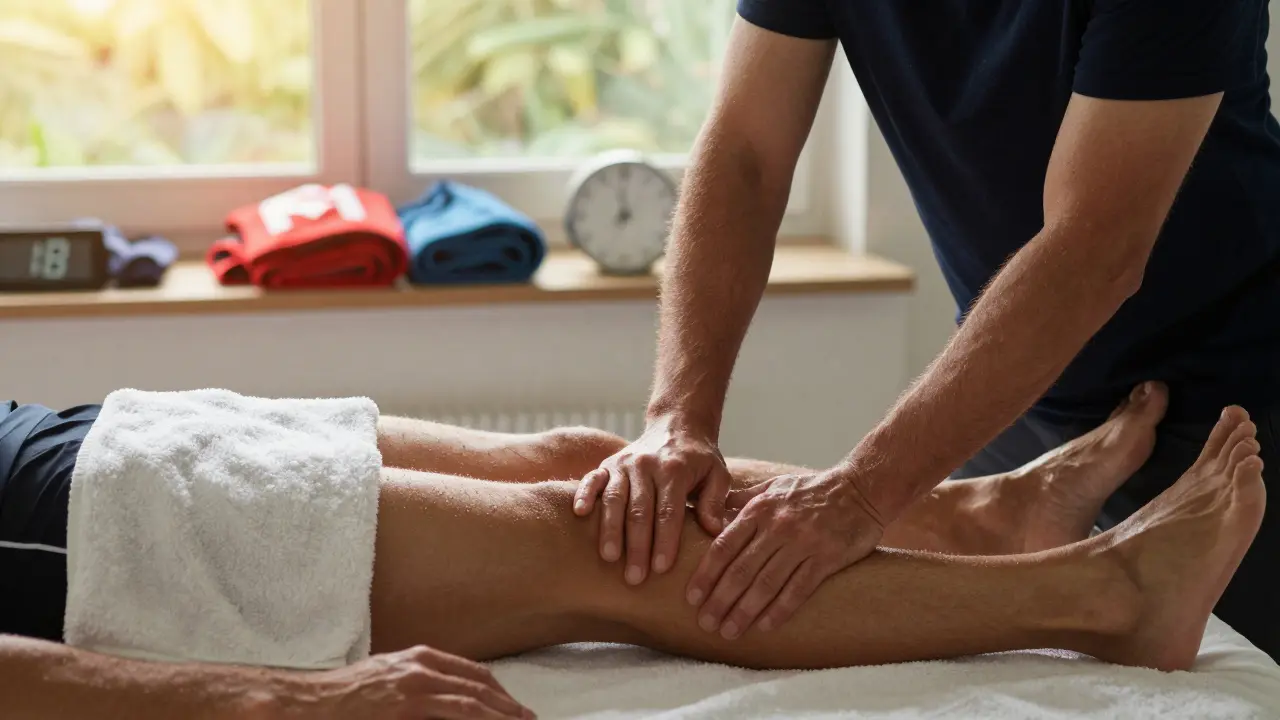
The session usually lasts 45-75 minutes. You’ll likely be draped in a towel, and the therapist will work on specific muscle groups-glutes, hamstrings, calves, shoulders, or lats-depending on your sport. It might hurt a little, but it shouldn’t feel like you’re being torn apart. If it does, speak up.
Afterward, you might feel a bit sore for 24 hours. That’s normal. Drink water. Move gently. And avoid intense training for the rest of the day.
Common Myths Debunked
- Myth: "Massage just feels good-it doesn’t help performance."
Truth: Research from the University of Sydney shows athletes who received regular sports massage had 22% fewer missed training days over six months. - Myth: "I’m not an athlete, so I don’t need it."
Truth: If you jog, bike, lift, or even walk your dog uphill daily, your muscles are under stress. You’re an athlete by definition. - Myth: "More pressure = better results."
Truth: Too much pressure can trigger inflammation and bruising. The goal is tissue release, not pain. - Myth: "I can just foam roll instead."
Truth: Foam rolling helps, but it can’t replicate the precision of a trained therapist who can target specific trigger points and fascial layers.
How to Find the Right Therapist
Not all massage therapists are created equal. Look for someone who:
- Has certification in sports massage or athletic therapy (not just general massage)
- Has experience working with athletes in your sport
- Asks questions about your training and goals
- Is open to working with physiotherapists or trainers
Ask for references. Check reviews that mention specific results-not just "felt great." A good therapist will tell you what to expect before, during, and after.
In Canberra, clinics like Active Recovery Centre and Performance Physio specialize in sports massage and work directly with local runners, triathletes, and AFLW teams. Don’t be afraid to ask if they’ve treated people like you.
The Bottom Line
Sports massage isn’t about pampering. It’s about performance optimization. It’s the difference between grinding through pain and moving with power. It’s the reason some athletes bounce back in 48 hours while others are sidelined for weeks.
If you’re serious about your training-whether you’re chasing a personal best or just trying to stay active without getting wrecked-sports massage isn’t optional. It’s part of the game.
Start small. Try one session after your next hard workout. See how you feel three days later. Then do it again. Your body will thank you long before your next race or workout ever does.
How often should I get a sports massage?
For recreational athletes, once every 2-4 weeks is enough to maintain mobility and prevent tightness. Competitive athletes often go weekly during peak training or competition season. Post-event, aim for a session within 24 hours. If you’re recovering from an injury, your physiotherapist may recommend 2-3 sessions per week for a few weeks.
Can sports massage help with chronic pain?
Yes, but with caveats. Sports massage can reduce pain caused by muscle tension, adhesions, or overuse-like plantar fasciitis, IT band syndrome, or tight shoulders. It won’t fix structural issues like herniated discs or arthritis. Always consult a physiotherapist or doctor first if pain persists beyond a few days.
Is sports massage painful?
It can be uncomfortable, especially in tight or injured areas, but it shouldn’t be unbearable. A good therapist will work within your pain tolerance. If you’re clenching your fists or holding your breath, the pressure is too deep. Communication is key-tell them if it’s too much.
Do I need to be naked during a sports massage?
No. You’ll be draped in towels, and only the area being worked on will be exposed. Most therapists work over shorts and a sports bra or tank top. Your comfort and privacy are non-negotiable.
Can I get a sports massage if I’m not an athlete?
Absolutely. If you move your body regularly-whether you’re hiking, dancing, gardening, or playing with kids-you’re using muscles that can get tight and fatigued. Sports massage isn’t just for pros. It’s for anyone who wants to move better and feel less stiff.



About Author

Popular Posts