
Body to Body Massage: Benefits, Safety, and What You Should Know
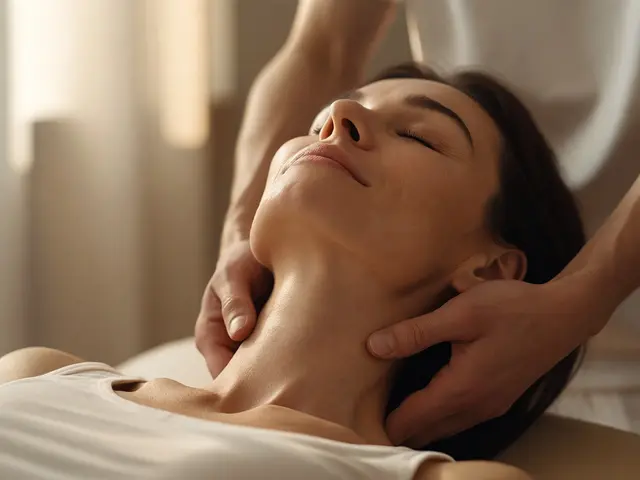
There is a persistent myth that body to body massage is exclusively about eroticism. While it certainly involves skin-to-skin contact, the practice is rooted in ancient traditions of holistic healing and deep relaxation. It is a modality where the therapist uses their own body-hands, arms, back, or even feet-to apply pressure and warmth to the client's body. This direct transfer of heat and energy can create a profound sense of calm, distinct from the clinical feel of oil-on-towel treatments.
For many people, the idea of such close proximity triggers anxiety or confusion. Is it therapeutic? Is it safe? Where do you find a legitimate practitioner? The answers lie in understanding the difference between professional sensual massage and illicit services. When performed by trained therapists within ethical boundaries, this technique offers unique benefits for stress reduction, emotional grounding, and physical tension release.
What Exactly Is Body to Body Massage?
To understand the value of this practice, we first need to define it clearly. Unlike Swedish massage, which relies on tools like hands and forearms over clothing or sheets, body to body massage involves direct skin contact between two people. The therapist might slide along the client’s back using their own torso, use their feet to stretch muscles, or employ full-body gliding motions to release deep-seated tension.
This method draws heavily from Tantric massage principles and Thai massage techniques. In traditional Thai massage, practitioners often use their feet and knees to leverage weight effectively. Body to body massage adapts these mechanics but focuses more on the continuous flow of movement and the exchange of thermal energy. The goal is not sexual arousal, but rather a state of deep parasympathetic nervous system activation-the "rest and digest" mode that lowers cortisol levels significantly.
The key distinction here is intent. A professional session is non-sexual. Any request for sexual acts violates the code of ethics for any licensed massage therapist (LMT). Legitimate practitioners focus on breathwork, mindful touch, and energetic balance. If a service provider implies otherwise, it is not a therapeutic treatment; it is an illegal escort service disguised as wellness.
The Science Behind Skin-to-Skin Contact
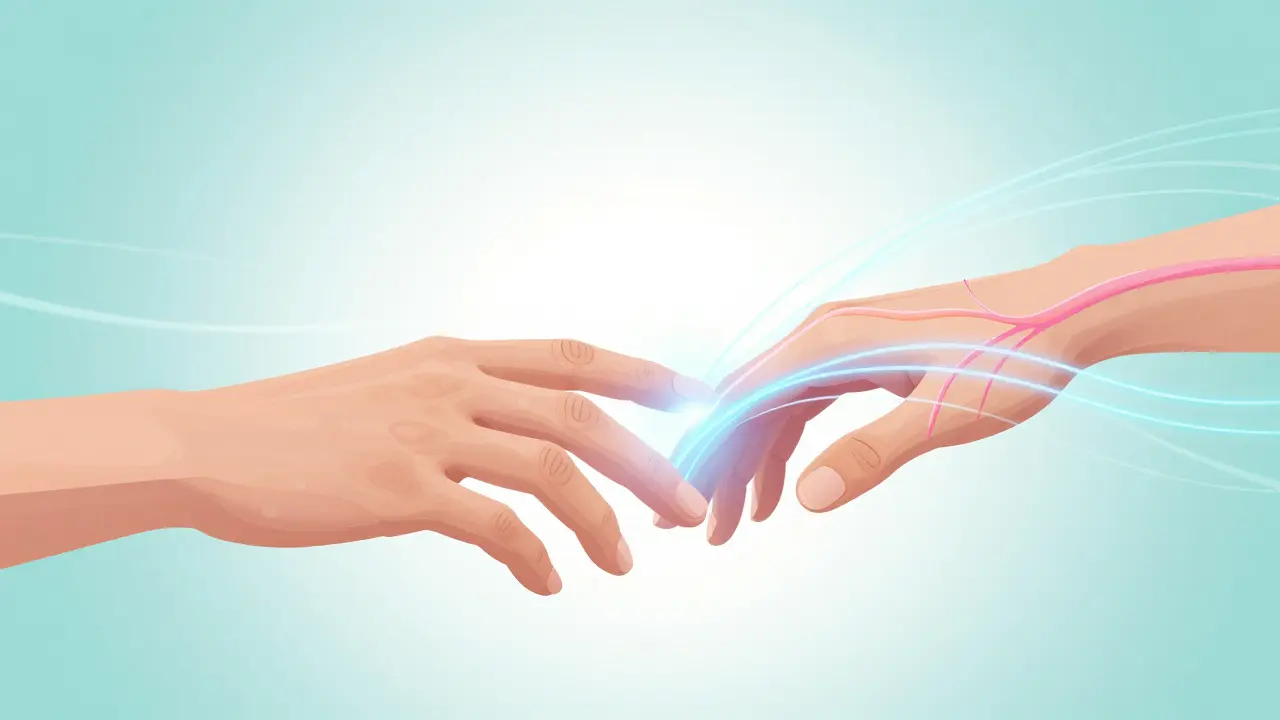
You might wonder why removing the barrier of a sheet makes a difference. The answer lies in human biology. Touch is our primary sense for connection and safety. When skin touches skin, the body releases oxytocin, often called the "love hormone." This neuropeptide reduces blood pressure, decreases anxiety, and promotes feelings of trust and bonding.
Furthermore, the transfer of body heat plays a crucial role. Standard table massages rely on hot stones or warmed towels to penetrate muscle tissue. In body to body massage, the therapist’s core temperature provides consistent, living warmth. This natural heating helps dilate blood vessels, improving circulation and allowing oxygen-rich blood to flow more freely to tense areas. For individuals with chronic cold extremities or poor circulation, this aspect alone can be transformative.
Research into therapeutic touch suggests that intentional, mindful contact can regulate the autonomic nervous system. Many clients report feeling "grounded" after sessions, meaning they feel more present in their bodies and less disconnected from their emotions. This is particularly beneficial for those suffering from dissociation or high-stress burnout.
Key Benefits Beyond Relaxation
While relaxation is the most obvious outcome, the advantages extend deeper into physical and mental health. Here are the specific outcomes you can expect from a professionally administered session:
- Deep Muscle Release: The broader surface area of a therapist’s body allows for sustained, gentle pressure that hands alone cannot maintain. This is effective for releasing fascia restrictions without causing bruising or pain.
- Emotional Unblocking: Many people store trauma in their shoulders, hips, and jaw. The intense vulnerability required for skin-to-skin contact can help process these stored emotions safely, provided the therapist creates a secure environment.
- Improved Sleep Quality: By lowering heart rate and cortisol, the session prepares the body for restorative sleep. Clients often report sleeping through the night following a treatment.
- Enhanced Body Awareness: Being touched with such intentionality helps reconnect you with your physical self. This proprioceptive feedback can improve posture and movement patterns in daily life.
It is important to note that these benefits require active participation from the client. You must breathe deeply and remain present. If you spend the hour worrying about what is happening, you will miss the physiological shifts occurring in your body.
Safety First: How to Spot a Legitimate Therapist
This is the most critical section of this guide. Because body to body massage operates in a gray area for some regulatory boards, finding a safe, legal, and professional provider requires diligence. You are inviting someone into a vulnerable space; trust is paramount.
First, check credentials. Look for a Licensed Massage Therapist (LMT) or a certified Tantra practitioner with verifiable training. Reputable schools provide certificates that you can verify. Avoid providers who only communicate via encrypted apps or social media DMs without a professional website or business license.
Second, read the fine print. Ethical therapists will explicitly state their boundaries before the session begins. They will discuss consent, draping protocols (how much skin is exposed), and what is strictly prohibited. If a provider is vague about rules or hints at "extras," walk away immediately.
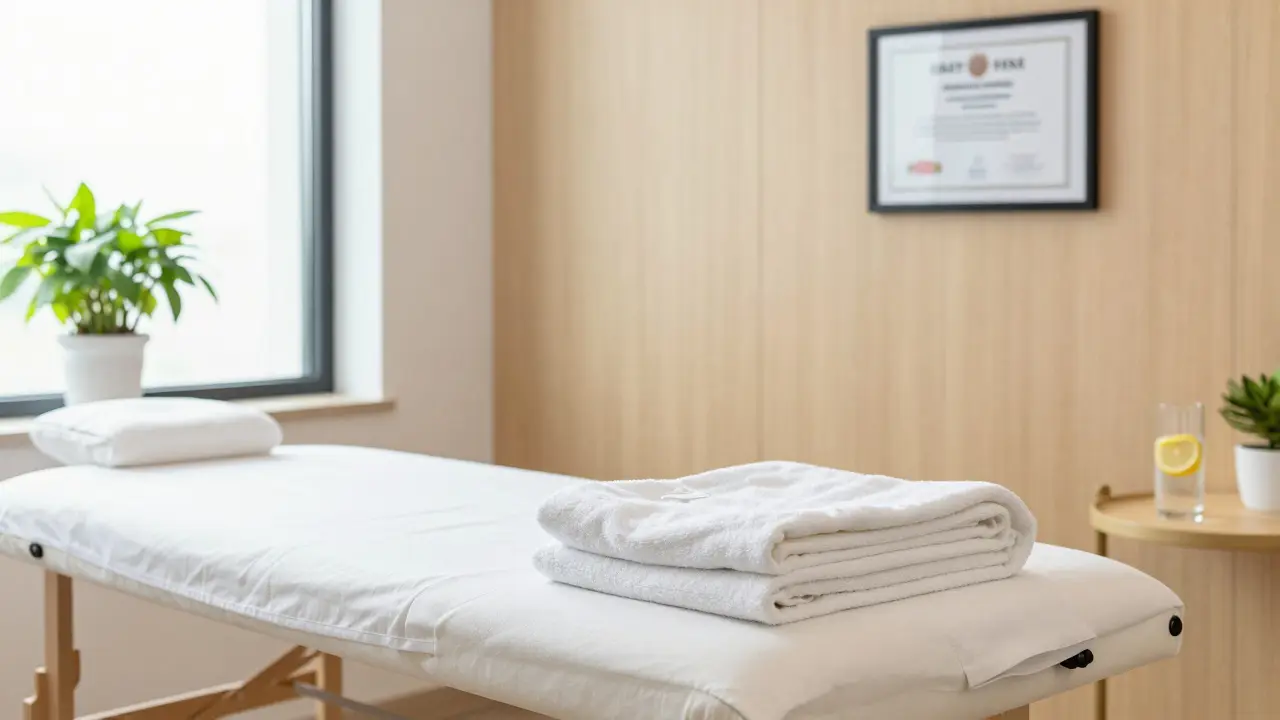
Third, consider the setting. Professional sessions take place in clean, well-lit studios or clinics, not hotel rooms or private residences unless it is a known mobile service with verified reviews. The environment should feel clinical yet warm, not secretive.
| Warning Signs (Avoid) | Professional Standards (Safe) |
|---|---|
| Vague pricing or "cash only" demands upfront | Clear hourly rates, invoicing, and standard payment methods |
| No mention of consent or boundaries | Detailed intake form discussing limits and comfort levels |
| Meetings in hotels or private homes initially | Established studio, clinic, or verified mobile service |
| Lack of verifiable certifications | Display of LMT license or recognized school certification |
| Pressure to book multiple sessions immediately | Focus on your immediate needs and single-session goals |
Preparing for Your Session
If you decide to proceed, preparation is key to maximizing the experience. Unlike a standard massage, you will likely undress completely or partially, depending on the agreed-upon protocol. Wear comfortable clothing to arrive in, and leave jewelry at home.
Hydrate well before the appointment. The release of toxins from muscle tissue requires water to flush them out. Avoid heavy meals right before the session, as digestion diverts blood flow away from the skin and muscles, reducing the effectiveness of the treatment.
Mentally, set an intention. Ask yourself what you need. Are you seeking relief from back pain? Do you want to reduce anxiety? Communicating this to your therapist helps them tailor the pressure and focus areas. Remember, silence is okay during the session, but speaking up if something hurts or feels uncomfortable is essential.
Common Misconceptions Debunked
The stigma surrounding this practice often stems from misunderstandings. Let’s clear up three common myths:
Myth 1: It is always sexual. As discussed, professional body to body massage is strictly therapeutic. Sexual activity is a violation of professional ethics and licensing laws. The intimacy is emotional and energetic, not genital.
Myth 2: Only women receive this treatment. Men frequently seek body to body massage for its ability to release deep muscular tension and address issues related to emotional suppression. The benefits are gender-neutral.
Myth 3: It is unhygienic. Professional therapists adhere to strict hygiene protocols. They shower before and after every session, use fresh linens, and sanitize their bodies and equipment. The risk of infection is no higher than with any other massage type when proper standards are met.
Who Should Avoid This Technique?
While beneficial for many, body to body massage is not suitable for everyone. Individuals with certain medical conditions should consult their doctor first. These include open wounds, infectious skin conditions, recent surgeries, or severe osteoporosis. The weight of another person’s body can be too intense for fragile bones or sensitive tissues.
Additionally, if you have experienced sexual trauma, proceed with caution. The vulnerability involved can trigger flashbacks or distress. If you choose to try it, ensure the therapist has specific training in trauma-informed care. They should move slowly, check in frequently, and give you control over the pace.
Is body to body massage legal?
Yes, when performed by a licensed massage therapist within the bounds of professional ethics. Laws vary by region, so check local regulations regarding nudity and scope of practice. However, any service involving sexual acts is illegal and constitutes prostitution, not massage therapy.
How much does a session cost?
Prices vary widely based on location and therapist expertise. Typically, sessions range from $100 to $250 per hour. Cheaper options may indicate unlicensed providers or hidden agendas. Always pay through secure, traceable methods.
Can I bring a partner to the session?
Some therapists offer couples' body work, but this is rare and requires specific booking. Most sessions are individual to maintain focus and privacy. Never assume a partner can join unless explicitly stated by the therapist beforehand.
What happens if I get aroused during the massage?
This is a normal physiological response to deep touch and relaxation. Professional therapists are trained to handle this neutrally. They will not engage sexually but may adjust their technique or pause to allow you to reset. Communication is key.
How do I find a reputable provider?
Search for licensed massage therapists (LMTs) who specialize in Tantric or holistic modalities. Check reviews on trusted platforms, verify their licenses with state boards, and look for professional websites with clear policies. Avoid classified ads or informal social media posts.


About Author