
Intimate Massage: A New Approach to Couple's Therapy for Deeper Connection
Most couples think they know how to connect. You talk about your day, you share a meal, maybe you watch a movie together. But somewhere along the line, that electric spark fades into routine. The physical distance starts before the emotional one does. Intimate massage is a therapeutic practice focused on deepening emotional and physical bonds through intentional, non-sexual touch. It isn't just about relaxation; it’s a structured way to rebuild trust, improve communication, and rediscover each other without the pressure of performance.
For years, therapists have used talk-based methods to resolve conflict. While conversation is vital, it often leaves the body out of the equation. Your nervous system doesn’t always listen to words. It responds to touch, rhythm, and presence. When you introduce guided touch into your relationship dynamics, you bypass the logical brain and speak directly to the limbic system-the part responsible for emotion and bonding. This approach transforms the bedroom from a place of expectation into a sanctuary of connection.
Why Talk Therapy Isn't Enough
We live in a world where we are constantly talking but rarely listening. In relationships, this manifests as "negotiating" rather than connecting. You discuss who did the dishes, whose turn it is to pick up the kids, or why the other person was late. These conversations are necessary, but they don’t create intimacy. They create logistics.
Oxytocin is the hormone released during positive social contact that promotes bonding, trust, and reduces stress. Often called the "love hormone," oxytocin levels drop significantly when couples stop engaging in affectionate touch. Studies show that a lack of physical closeness can lead to increased cortisol (stress hormone) levels, making partners more reactive and less empathetic. Intimate massage reverses this cycle by triggering a physiological response that talk simply cannot achieve.
When you give or receive a slow, deliberate massage, your heart rate slows down. Your breathing synchronizes with your partner’s. This biological synchronization creates a sense of safety. Without safety, vulnerability is impossible. And without vulnerability, true intimacy remains locked away.
The Core Principles of Intimate Massage
Unlike a spa treatment where you pay someone else to work on your knots, intimate massage between partners requires a shift in mindset. It is not about fixing a tight shoulder or relieving back pain, although those benefits occur naturally. The primary goal is presence. Here are the foundational rules that make this practice effective:
- Non-Sexual Intent: The most critical rule is that the session is not a prelude to sex. Removing the expectation of sexual release allows both partners to relax completely. If you approach the massage with an agenda, tension builds. The receiver needs to feel safe from any demand for reciprocity.
- Consent and Boundaries: Before you begin, discuss what areas are comfortable to touch and which are off-limits. This negotiation itself is a form of communication. It reinforces that your partner’s comfort matters more than your desire to touch.
- Sensory Awareness: Focus on the sensation of skin against skin. Notice the temperature, the texture, and the weight of your hands. This mindfulness keeps you anchored in the present moment, preventing your mind from wandering to daily worries.
- Reciprocity: Both partners should take turns giving and receiving. This balance ensures that neither person feels like they are performing a service for the other. It fosters equality and mutual care.
Step-by-Step Guide to Your First Session
Starting can feel awkward. That’s normal. The first few times will likely be clumsy, and that’s okay. The goal is progress, not perfection. Here is a simple framework to structure your first intimate massage session:
- Set the Environment: Dim the lights. Play soft, instrumental music-nothing with lyrics that might distract you. Ensure the room is warm enough that you won’t shiver. Use a bed or a large mat on the floor. Have towels, unscented oil or lotion, and eye pillows ready.
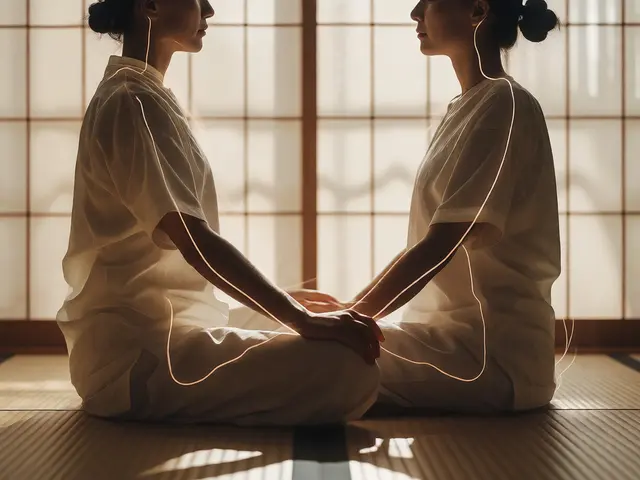
- Preparation: Spend five minutes meditating together. Sit facing each other, hold hands, and breathe in sync. Set a clear intention: "I am here to give/receive love without expectation." This mental preparation signals to your brain that this is a sacred space.
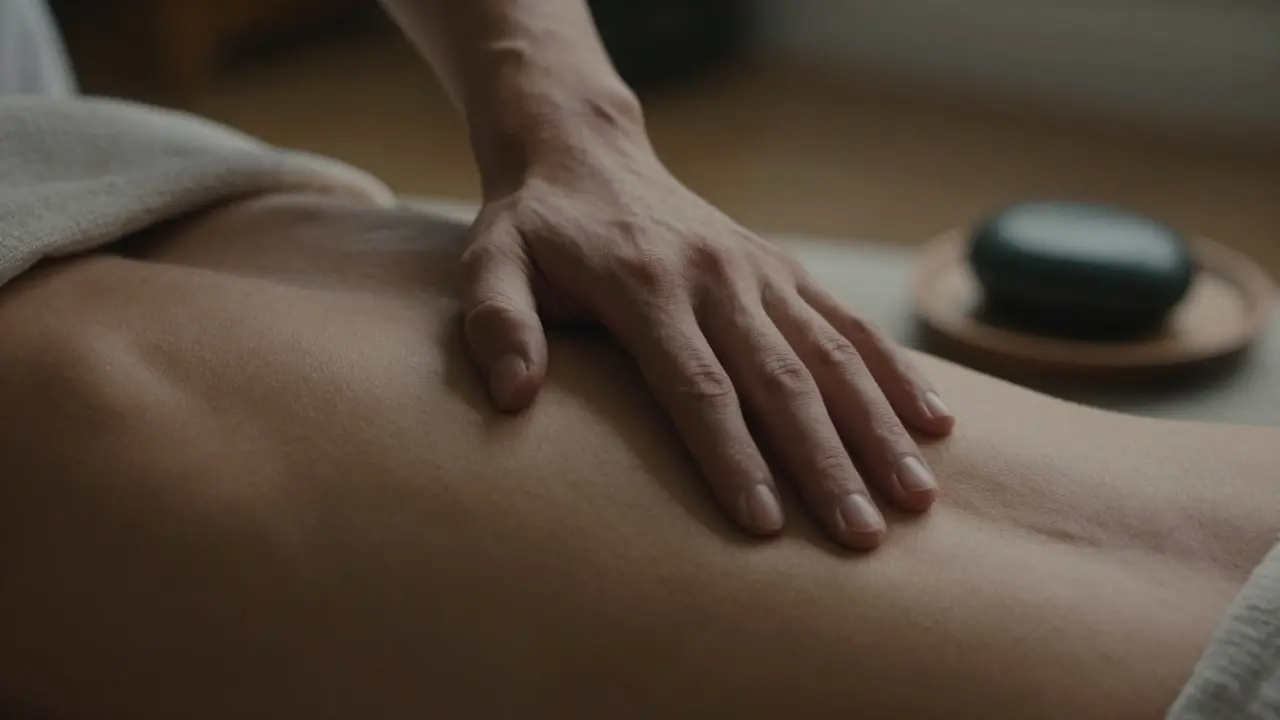
- The Grounding Phase: Start with light, broad strokes over the entire back. Do not focus on specific muscles yet. Let your hands glide slowly from the neck down to the lower back. This helps the receiver map out your presence and feel safe.
- Deepening Touch: Once the receiver is relaxed, apply slightly more pressure. Use the heels of your palms to work into the shoulders and upper back. Ask gentle questions like, "Is this pressure okay?" or "Do you need more warmth?" Keep the dialogue minimal but attentive.
- Closing the Circle: End the session with a period of stillness. Place your hands gently on the receiver’s chest or head for a minute without moving. Then, transition to a hug or a quiet chat. Avoid jumping straight into daily tasks. Let the feeling linger.
Common Pitfalls and How to Avoid Them
Even with good intentions, things can go wrong. Recognizing these traps early can save frustration and prevent resentment.
The "Performance" Trap: Many people worry they aren’t good at massaging. They try to mimic professional techniques they saw online. Stop trying to be a technician. Your partner doesn’t need perfect effleurage or petrissage. They need your attention. If your hand slips or your technique is rough, acknowledge it lightly and adjust. Authenticity beats skill every time.
The "Fix-It" Mindset: Don’t treat your partner like a puzzle to solve. If you find a knot, don’t aggressively attack it. Instead, breathe into it. Invite the tension to release rather than forcing it. Aggressive pressure can trigger a defensive response in the nervous system, causing the muscles to tighten further.
Ignoring Discomfort: If your partner tenses up or pulls away, respect that boundary immediately. Don’t ask "What’s wrong?" in a frustrated tone. Simply pause and check in softly. Sometimes discomfort is physical, sometimes it’s emotional. Either way, pushing through it breaks trust.
| Aspect | Traditional Spa Massage | Intimate Couple's Massage |
|---|---|---|
| Primary Goal | Muscle relief and relaxation | Emotional bonding and connection |
| Touch Style | Technical, consistent pressure | Variable, responsive, mindful |
| Communication | Minimal, functional feedback | Open, vulnerable, continuous |
| Outcome | Physical recovery | Psychological safety and intimacy |
| Cost | $80-$150 per hour | Minimal (oil/lotion only) |
The Role of Sensory Tools
You don’t need expensive equipment to enhance the experience. However, a few simple tools can deepen the sensory engagement and help break old patterns.
Warm Stone Therapy involves using heated basalt stones to transfer warmth and pressure into muscle tissue, promoting deep relaxation. At home, you can use smooth river stones warmed in hot water. The heat penetrates deeper than hands alone, soothing chronic tension. Passing a warm stone from one partner to another creates a tangible symbol of care being transferred.
Aromatherapy utilizes essential oils like lavender, ylang-ylang, or sandalwood to influence mood and reduce anxiety. Smell is directly linked to the brain’s emotional center. A calming scent can instantly lower defenses. Mix a few drops of lavender oil into your carrier oil (like jojoba or almond) for a grounding effect. Avoid strong citrus or peppermint scents, which can be stimulating rather than relaxing.
Blindfolds remove visual distractions to heighten tactile sensitivity and encourage trust. When you can’t see, you rely entirely on touch. This forces the giver to be more attentive and the receiver to surrender control. It’s a powerful exercise in trust-building. Always ensure the blindfold is loose and secure, and check in frequently to ensure comfort.

Long-Term Benefits for Relationship Health
Incorporating intimate massage into your weekly routine yields compounding benefits. It’s not a one-time fix; it’s a maintenance tool for your relationship infrastructure.
Improved Conflict Resolution: Couples who practice regular non-sexual touch report fewer arguments. Why? Because they have a shared language of care that exists outside of verbal disputes. When conflict arises, they can return to this baseline of physical safety, reminding themselves that they are allies, not enemies.
Enhanced Sexual Satisfaction: Paradoxically, removing sex from the equation improves sexual health. By rebuilding the foundation of touch and trust, sexual encounters become more spontaneous and less pressured. Partners learn to read each other’s bodies better, leading to more attuned and satisfying intimacy when it does occur.
Reduced Stress Levels: Regular sessions lower baseline cortisol levels. This means you’re both calmer in your daily lives. You’re less likely to snap at each other over minor inconveniences. A calm partner is a present partner.
Navigating Awkwardness and Resistance
Some partners may resist the idea initially. They might feel shy, self-conscious about their bodies, or skeptical about the process. This is common. Resistance often stems from fear of vulnerability.
If your partner is hesitant, start small. Offer a ten-minute foot massage after dinner. No strings attached. Just kindness. Gradually increase the duration and intensity as comfort grows. Never force the issue. Let them see the benefit in your own relaxation and happiness. Curiosity often follows observation.
Body image issues are also a significant barrier. Reassure your partner that this is not a judgment zone. There are no standards of beauty here. Only acceptance. Verbal affirmations like "You feel so warm" or "I love holding you" can help dismantle negative self-perceptions over time.
How often should couples do intimate massage?
Aim for once a week as a starting point. Consistency is more important than duration. A 20-minute session weekly is more beneficial than a two-hour session once a month. As you become more comfortable, you may find yourself wanting to incorporate shorter touch rituals daily, such as hand-holding or back rubs.
Can intimate massage replace professional couples therapy?
No, it complements it. If you are dealing with deep-seated trauma, infidelity, or severe communication breakdowns, professional guidance is essential. Intimate massage works best as a maintenance tool for healthy relationships or as a supportive practice alongside therapy. It addresses the physical and emotional connection, while therapy addresses cognitive and behavioral patterns.
What if I don't enjoy being touched?
Respect your boundaries. You can participate by giving rather than receiving, or by focusing on areas you are comfortable with, like hands or feet. Over time, as trust builds, you may find yourself opening up to more touch. Never force yourself into discomfort. The goal is safety, not endurance.
Is it okay to talk during the massage?
Minimal talking is best. Save deep conversations for later. During the massage, limit speech to feedback about pressure, temperature, or comfort. Silence allows the nervous system to settle. If you feel the urge to talk, write it down and discuss it after the session.
What type of oil is best for sensitive skin?
Use organic, cold-pressed oils like jojoba, sweet almond, or grapeseed. These are lightweight, non-comedogenic, and less likely to cause irritation. Avoid mineral oil or heavily fragranced lotions, as they can clog pores or trigger allergic reactions. Always do a patch test on a small area of skin before full application.



About Author

Popular Posts


Sports Massage Benefits: The Ultimate Recovery Guide