Private Dance with a Masseuse: What It Is, Risks, and Safer Alternatives
Have you ever stumbled across an ad promising a private dance from a professional masseuse or therapist? The imagery is seductive, the promise is intimate, but the reality is often murky. For many, the line between therapeutic relaxation and erotic entertainment blurs quickly when money changes hands outside of regulated venues. If you are considering this experience, it is crucial to understand what actually happens behind closed doors, the legal risks involved, and whether there are safer ways to achieve that same sense of connection and arousal.
The allure of a private dance lies in its exclusivity. You are not in a crowded club; you are alone with someone who has been hired specifically for your pleasure. However, this exclusivity comes with significant caveats regarding consent, legality, and professional boundaries. Many people confuse licensed massage therapy with erotic services, leading to misunderstandings that can have serious consequences for both the client and the provider.
Understanding the Difference Between Massage and Erotic Services
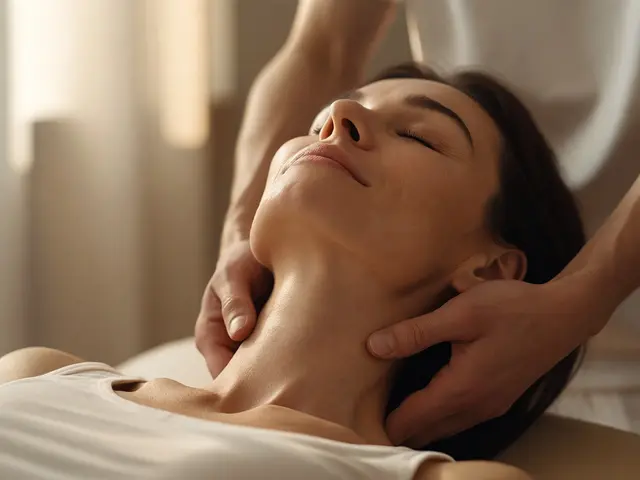
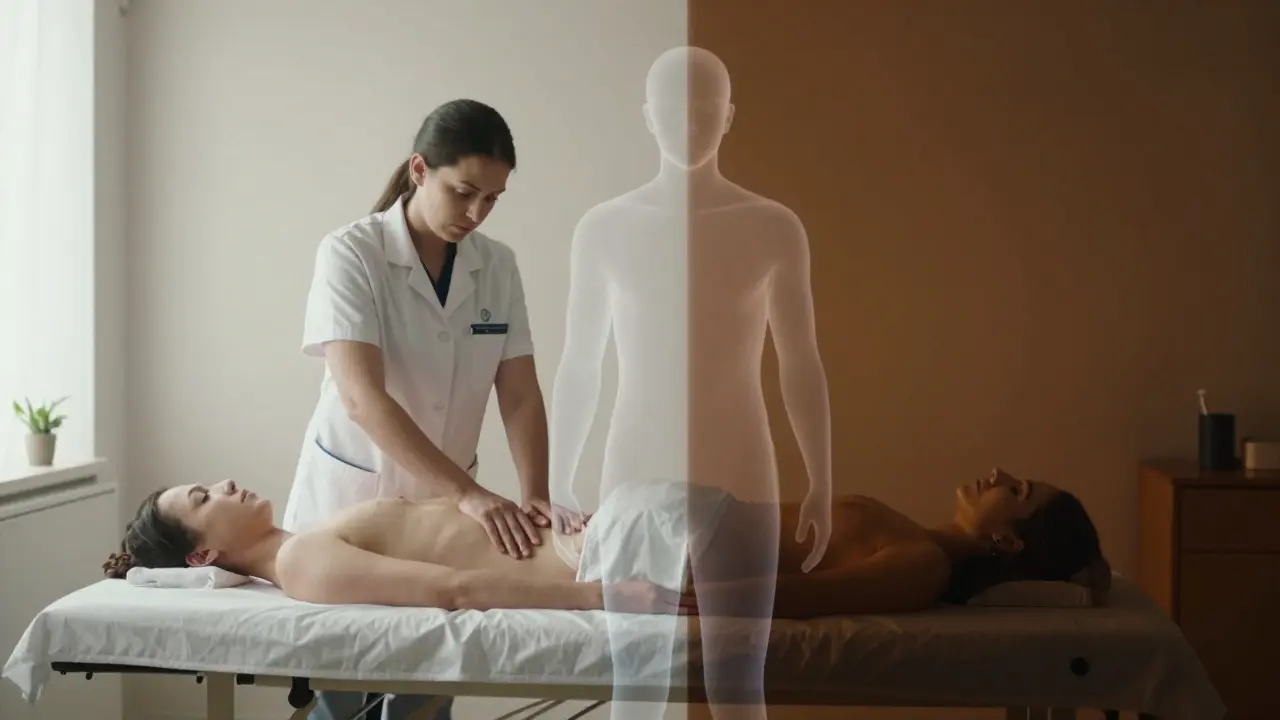
To navigate this topic safely, we must first define the entities involved. A licensed massage therapist (LMT) is a healthcare professional trained in anatomy, physiology, and therapeutic techniques. Their goal is pain relief, stress reduction, and improved mobility. They operate under strict state or national regulations, such as those enforced by the National Certification Board for Therapeutic Massage and Bodywork (NCBTMB) in the US or the Complementary & Natural Healthcare Council (CNHC) in the UK.
In contrast, an erotic dancer or sex worker providing companionship operates in a different legal framework. While sex work is legal and regulated in some jurisdictions (like parts of Nevada, USA, or Germany), it is illegal or heavily restricted in most places, including much of the United Kingdom and the majority of the United States. When a "masseuse" offers a private dance that leads to sexual activity, they are often operating outside the law, which removes consumer protections and increases safety risks for everyone involved.
| Feature | Licensed Massage Therapy | Erotic/Dance Services |
|---|---|---|
| Primary Goal | Health, relaxation, pain relief | Arousal, entertainment, intimacy |
| Regulation | Strict licensing, insurance, health codes | Varies widely; often unregulated or illegal |
| Boundaries | Professional, non-sexual touch | Negotiated based on service type |
| Risk Level | Low (when licensed) | High (legal, safety, STI exposure) |
The Legal and Safety Landscape
If you are in Portsmouth, UK, or most other parts of the world, soliciting sexual services from a person presenting as a masseuse can lead to criminal charges. In the UK, the Sexual Offences Act 2003 makes it illegal to solicit a prostitute in a public place, and paying for sexual services is generally frowned upon and legally complex depending on local ordinances. Even if the transaction seems private, police raids on establishments offering illicit services are common.
Safety is another major concern. Unregulated providers may not screen clients thoroughly, increasing the risk of assault, theft, or blackmail. Conversely, clients may unknowingly expose themselves to sexually transmitted infections (STIs) if safe practices are not followed. Licensed therapists undergo background checks and maintain sterile environments. Unlicensed operators do not. This lack of oversight means you have no recourse if something goes wrong.
Consider the scenario of a hotel room encounter. Ads for "in-call" services often target travelers. These situations are high-risk because the location is transient, witnesses are absent, and the provider may be working under duress or coercion. Human trafficking organizations frequently warn about these types of arrangements, where individuals are forced into prostitution under the guise of massage or dancing.

Psychological Aspects of Intimacy and Desire
Why do people seek out private dances? Often, it is not just about physical stimulation. It is about feeling desired, seen, and connected in a way that daily life rarely provides. Intimacy is a close, familiar, and usually affectionate or loving relationship with another person. When we pay for a private performance, we are buying a temporary illusion of intimacy. This can feel powerful in the moment but may leave you feeling emptier afterward, especially if the interaction feels transactional rather than genuine.
Research in sexual psychology suggests that consensual, ethical non-monogamy or paid companionship can be fulfilling for some, provided all parties are informed, consenting adults operating within the law. However, secrecy and illegality add layers of anxiety that detract from the experience. The fear of being caught can overshadow the pleasure, making the encounter stressful rather than relaxing.
Safer Alternatives for Connection and Pleasure
If you are seeking arousal, touch, or emotional connection, there are legal and safer avenues to explore. Here are some options that prioritize consent, safety, and mutual respect:
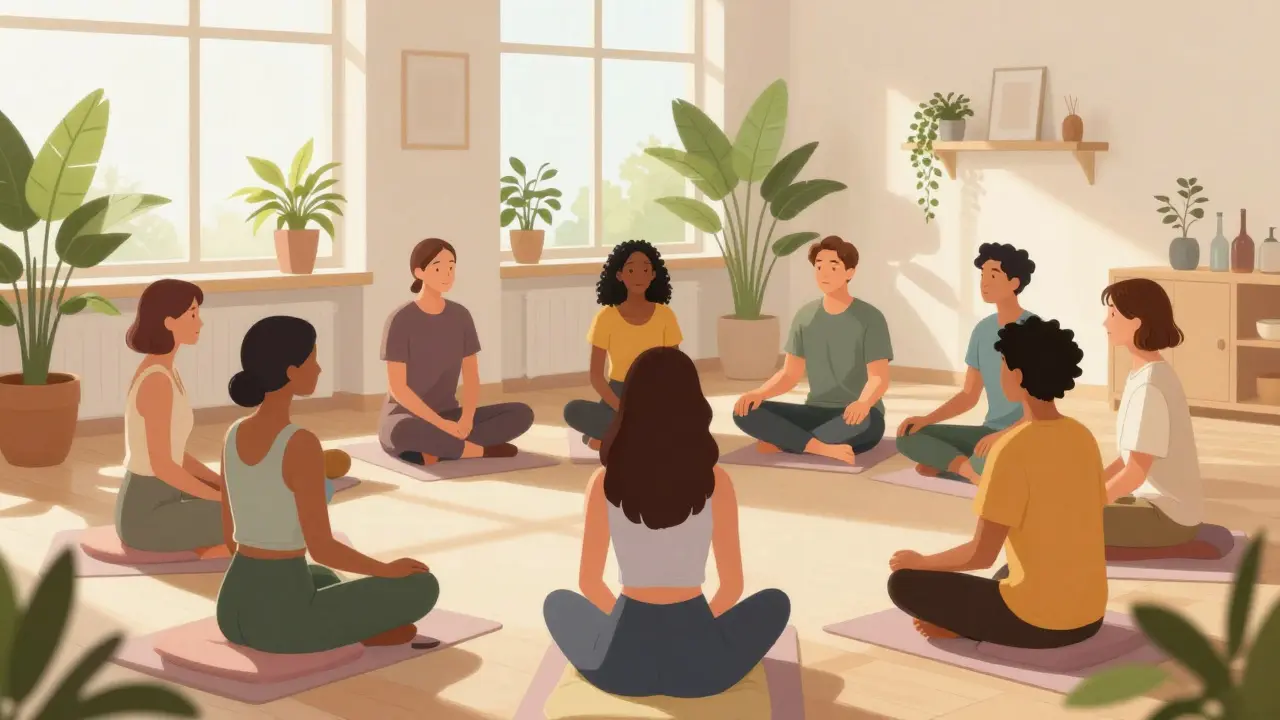
- Tantric Workshops: These classes focus on breathwork, meditation, and conscious touch. They are educational and emphasize personal growth rather than sexual release. Many cities offer introductory sessions for beginners.
- Consensual Non-Monogamy Communities: Platforms like Feeld or local polyamory meetups allow you to connect with open-minded individuals interested in exploring relationships outside traditional norms. Communication is key here, and boundaries are discussed upfront.
- Legal Sex Work Markets: In jurisdictions where sex work is legal and regulated (such as certain counties in Nevada, USA, or brothels in New Zealand), you can engage with professionals who have full legal protection, health screenings, and clear contracts. This ensures safety for both parties.
- Couples Therapy or Sensuality Coaching: If the desire stems from a lack of spark in a current relationship, working with a certified sex therapist can help reignite passion through guided exercises and communication tools.
How to Spot Red Flags in Online Ads
If you are still curious about private dance experiences, knowing how to identify scams or illegal operations is vital. Be wary of ads that use vague language like "happy endings," "special treatments," or "full body rubs" without clear descriptions of services. Legitimate businesses will list their offerings transparently.
Other red flags include:
- Requests for payment via gift cards, cryptocurrency, or wire transfers before meeting.
- Meetings in secluded locations like motels or private homes without verification.
- Providers who refuse to show identification or discuss safety protocols.
- Pressure to escalate the interaction quickly without establishing consent.
Always trust your instincts. If something feels off, walk away. Your safety is more important than any potential experience.
Respecting Boundaries and Consent
Regardless of the context, consent is non-negotiable. In professional settings, consent is ongoing and can be withdrawn at any time. With licensed therapists, touching outside agreed-upon areas is a breach of contract and ethics. In legal sex work contexts, boundaries are negotiated beforehand. Violating these boundaries is assault.
Remember that a private dance does not imply permission for sexual contact unless explicitly stated and agreed upon. Misinterpreting cues can lead to uncomfortable or dangerous situations. Clear communication is the foundation of any healthy interaction, whether platonic or sexual.
Is it legal to hire a masseuse for a private dance?
It depends entirely on your location and the nature of the service. In most places, including the UK and most of the US, hiring a licensed massage therapist for sexual acts is illegal and violates their license. In jurisdictions where sex work is legal, it must be conducted through licensed establishments following specific regulations. Always check local laws before engaging in such activities.
What are the risks of unregulated private dance services?
Risks include legal prosecution, exposure to sexually transmitted infections, theft, assault, and involvement with human trafficking rings. Unregulated providers lack the oversight, insurance, and safety protocols that protect consumers in legitimate businesses.
Can I get a massage and a dance from the same provider?
Only if the provider is legally allowed to offer both services separately. A licensed massage therapist cannot perform sexual acts. An erotic dancer may offer sensual touch but should not claim to be a medical therapist. Mixing these roles often indicates illegal activity.
Where can I find legal alternatives for intimate experiences?
Look into tantric workshops, sensuality coaching, or legal sex work markets in regions where it is permitted. Apps designed for ethical non-monogamy also provide platforms for consensual connections. Always prioritize transparency and legality.
How do I ensure my safety if I choose to explore this?
If you proceed in a legal jurisdiction, use verified platforms, meet in public first, inform a trusted friend of your whereabouts, and insist on clear boundaries and consent discussions beforehand. Never share financial details prematurely.

About Author