Milking Table Massage: Essential Do's and Don'ts for Deep Relaxation
You’re lying face down on the Milking Table, expecting a standard rub-down. Then the therapist starts moving their hands in long, rhythmic strokes that feel less like kneading muscle and more like draining water from a sponge. If you’ve never experienced it before, it can be confusing. Is this supposed to hurt? Why does it feel so light yet leave me feeling heavy with relief? This isn’t your average deep tissue session; it’s a specific technique designed to move fluid, not just loosen knots.
Understanding the mechanics behind this treatment changes everything. When you know what your body is actually doing during these strokes, you stop tensing up against them. You start working with the therapist instead of fighting the sensation. Let’s break down exactly how to get the most out of a milking table massage, avoiding the common mistakes that ruin the experience for both client and practitioner.
What Exactly Is a Milking Table Massage?
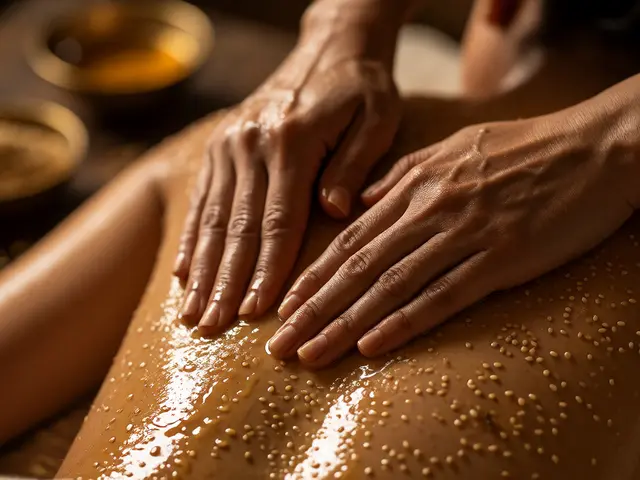
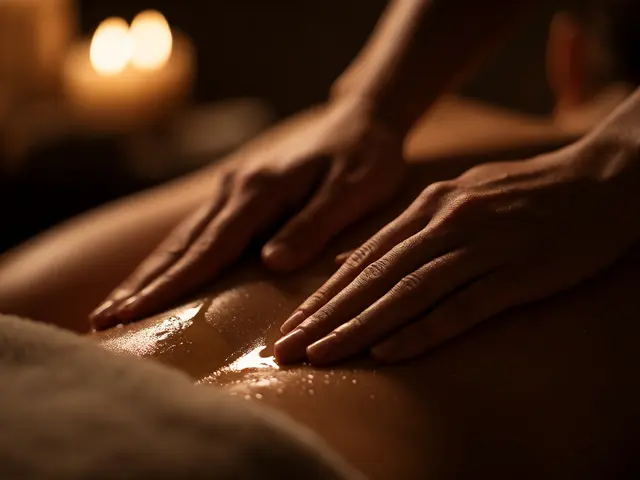
First off, let’s clear up the name. It has nothing to do with dairy cows, though the motion is similar. A Milking Massage is a form of manual lymphatic drainage or Swedish-style effleurage performed on a specialized table often equipped with extra padding or specific contouring to support prone positioning. The core idea is simple: use gentle, rhythmic pressure to encourage the flow of lymph fluid through the body’s vessels.
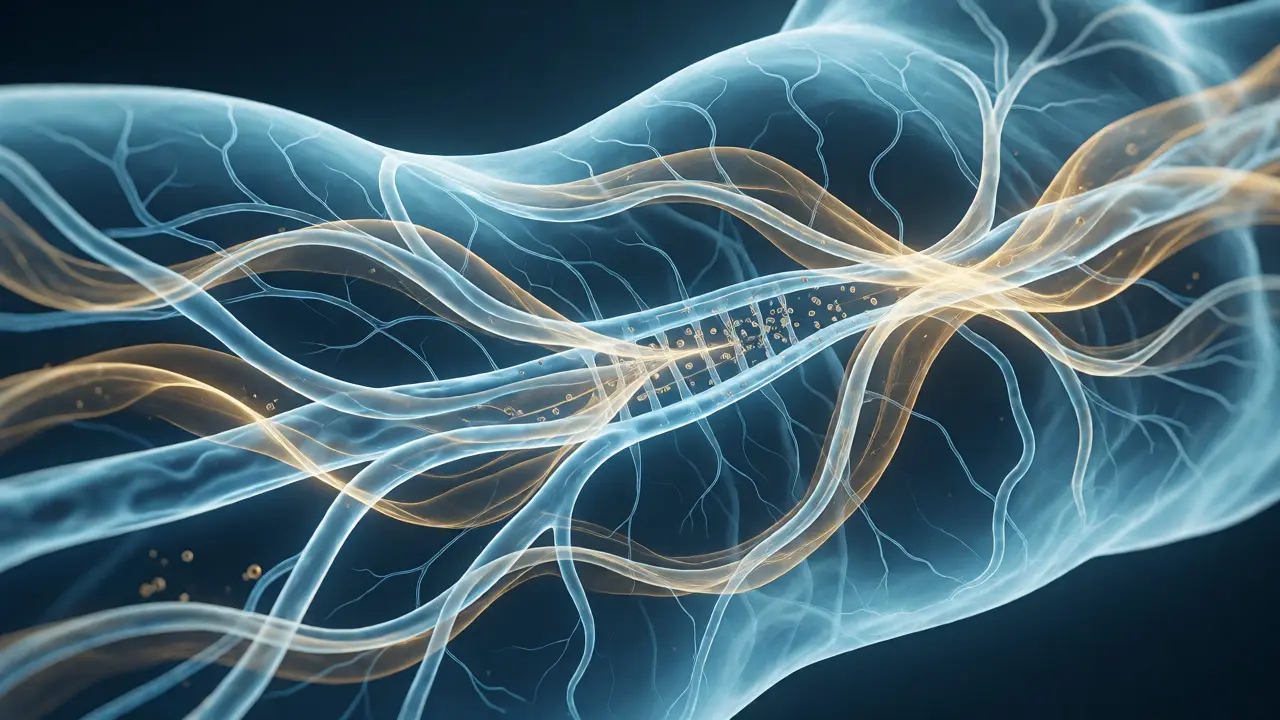
Unlike deep tissue work, which targets fascia and muscle fibers directly, this approach targets the superficial tissues. Think of your lymph system as a slow-moving river carrying waste products away from your cells. When you’re stressed, dehydrated, or inactive, that river slows down. The milking technique acts like a current booster. It pushes the fluid toward the heart and liver for filtration. If you go into this session expecting to crush a knot in your shoulder blade, you’ll be disappointed. If you expect a detoxifying, calming effect, you’re on the right track.
The Golden Rule: Communication Over Assumption
Here is the biggest mistake people make: they assume all massage feels the same. They don’t tell the therapist if the pressure is too light because they think they should “toughen up.” In a milking table massage, lighter pressure is usually better. The lymphatic vessels are close to the skin surface. Pressing too hard collapses them, stopping flow rather than aiding it.
Tell your therapist immediately if the strokes feel aggressive. Say something like, “I’d prefer lighter, slower strokes.” Good practitioners will adjust instantly. Conversely, if you feel nothing at all, speak up. There’s a sweet spot between ticklish and ineffective. Finding it requires feedback. Don’t wait until the end of the hour to mention that your calves felt ignored. Real-time adjustment ensures the entire session remains therapeutic.
Preparation: Hydration and Timing
You cannot run a car without oil, and you shouldn’t undergo lymphatic stimulation while dehydrated. Your lymph fluid is mostly water. If you’re dry, the fluid becomes thicker, harder to move. Drink at least two glasses of water an hour before your appointment. This primes your system for efficient drainage.
Timing matters too. Avoid heavy meals right before the session. Digestion diverts blood flow to the gut. For a milking massage to work best, your body needs to be in a parasympathetic state-rest and digest mode. Eating a large steak thirty minutes prior keeps you in sympathetic fight-or-flight tension. Opt for a light snack or fast for a few hours. Also, skip the caffeine. Coffee constricts blood vessels, which counteracts the vasodilation needed for effective fluid movement.
During the Session: Breath and Stillness
Once you’re on the table, your job is to do absolutely nothing. Sounds easy, right? Try it. Most people unconsciously hold their breath when touched, especially in sensitive areas like the neck or inner thighs. Holding your breath tightens muscles, creating resistance against the therapist’s strokes.
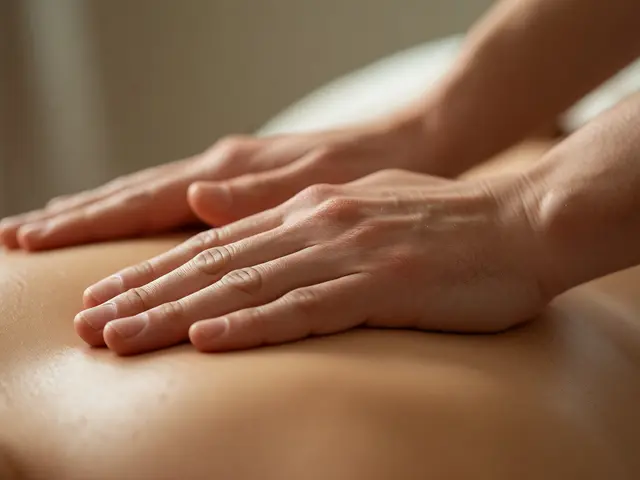
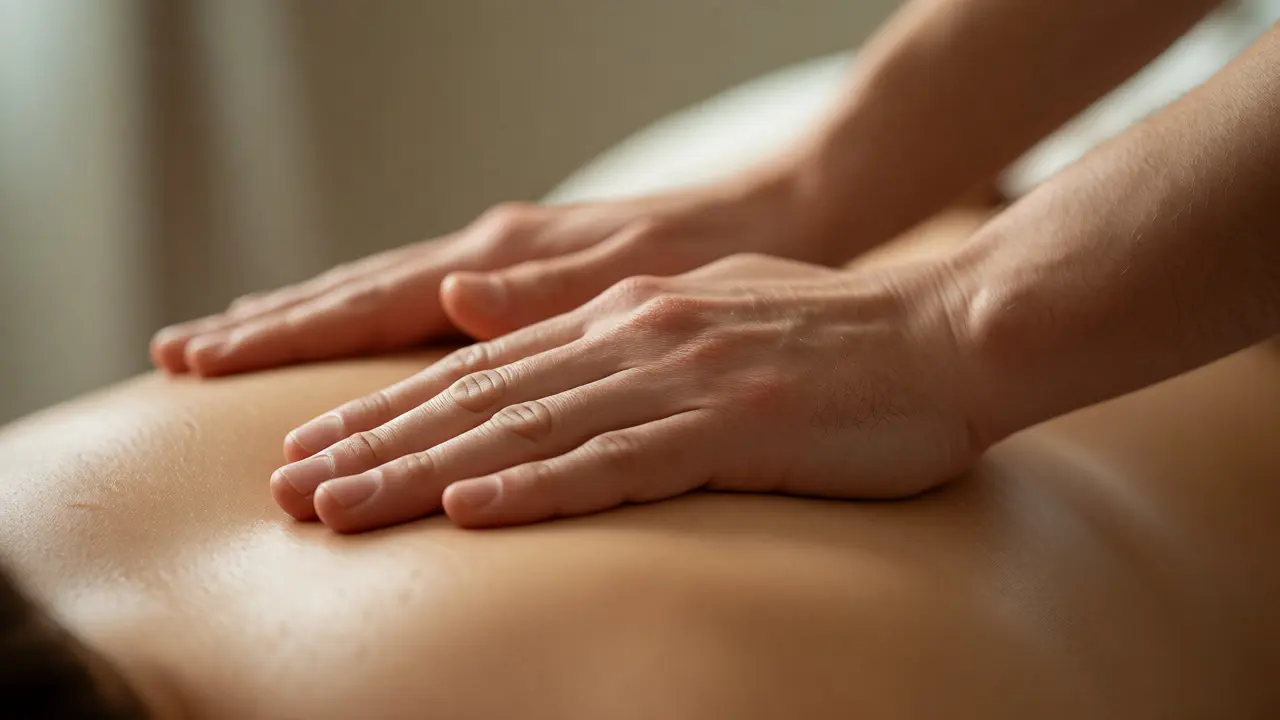
Focus on exhaling slowly as the therapist moves their hands along your limbs. Visualize the tension leaving your body with each breath. This mental cue helps relax the smooth muscle tissue surrounding your lymph vessels. If you find yourself clenching your jaw or toes, consciously release them. The goal is passive receptivity. You are the passenger; the therapist is driving the flow.
| Feature | Milking/Lymphatic | Deep Tissue | Swedish |
|---|---|---|---|
| Primary Goal | Fluid movement & detox | Muscle repair & pain relief | General relaxation |
| Pressure Level | Light to Medium | Firm to Very Firm | Medium |
| Stroke Speed | Slow, Rhythmic | Varied, Focused | Flowing, Long |
| Sensation | Warm, Draining | Intense, Sore | Calm, Soothing |
Common Pitfalls: What Not To Do
One major don’t is ignoring post-massage symptoms. After a proper lymphatic session, you might need to urinate frequently. This is normal. Your kidneys are processing the released toxins. Hold back fluids? No. Keep drinking water. Some people feel dizzy or fatigued afterward. This is often called a “healing crisis” or mild detox reaction. Pushing through it by going straight to the gym defeats the purpose. Rest allows your body to integrate the benefits.
Another pitfall is wearing restrictive clothing. Tight waistbands or compression socks worn during the session can block the very pathways the therapist is trying to open. Wear loose, comfortable clothes to your appointment. Remove jewelry beforehand. Watches and bracelets interfere with wrist and ankle movements, limiting the range of the strokes.

Post-Massage Care: Locking In the Benefits
The work doesn’t end when you stand up. Lymphatic systems rely on gravity and movement to keep flowing. Once you leave the clinic, avoid sitting still for hours. Take a short walk. Movement pumps the lymph nodes manually. Sitting at a desk for six hours after a session causes the fluid to stagnate again, undoing much of the progress.
Eat anti-inflammatory foods for the next day. Berries, leafy greens, and omega-3 rich fish support the reduction of systemic inflammation. Avoid alcohol for twenty-four hours. Alcohol dehydrates you and stresses the liver, which is already busy filtering the waste your massage mobilized. Give your body a day of clean fuel and gentle activity to maximize the results.
Who Should Skip This Treatment?
While generally safe, milking table massages aren’t for everyone. If you have active infections, fever, or open wounds, skip the session. Manipulating infected tissue can spread bacteria through the lymphatic system. Similarly, if you have a history of blood clots (deep vein thrombosis), consult your doctor first. Moving stagnant blood could dislodge a clot. Pregnant women should also check with their provider, as certain positions and pressures may need modification.
People with low blood pressure might feel lightheaded due to the rapid shift in fluid dynamics. Have a snack ready and sit up slowly after getting off the table. Listen to your body. If dizziness persists beyond ten minutes, seek medical advice.
Does a milking table massage hurt?
Generally, no. The pressure used in lymphatic drainage and milking techniques is typically light to medium. Because the focus is on superficial tissues and fluid movement rather than deep muscle manipulation, it should feel soothing and warm rather than painful. If you experience sharp pain, inform your therapist immediately, as excessive pressure can collapse lymph vessels and hinder flow.
How often should I get a milking table massage?
For general wellness and maintenance, once every two to four weeks is sufficient. If you are treating a specific condition like edema, post-surgical swelling, or chronic fatigue, a practitioner might recommend weekly sessions initially, tapering off as symptoms improve. Consistency is key for maintaining lymphatic efficiency.
Can men benefit from this type of massage?
Absolutely. Men often carry significant tension in the shoulders and lower back, but they also suffer from poor circulation and fluid retention due to sedentary jobs or high-stress lifestyles. Milking techniques help reduce puffiness, improve immune function, and aid recovery after physical exertion. It is a gender-neutral therapy focused on physiological health.
Why do I feel tired after a milking massage?
Feeling tired is a common positive response. As the lymphatic system clears metabolic waste and toxins, your body directs energy toward healing and filtration processes. This shift from sympathetic (stress) to parasympathetic (rest) dominance naturally induces drowsiness. Allow yourself time to rest and hydrate to recover fully.
Is this the same as a lymphatic drainage massage?
They are closely related. Milking is a specific stroke pattern often used within lymphatic drainage protocols. While traditional lymphatic drainage follows strict anatomical pathways, milking techniques are broader and can be part of Swedish or general wellness massages. Both aim to stimulate fluid movement, but clinical lymphatic drainage is more targeted for medical conditions.


About Author