Massage and Kissing: How Touch Deepens Romantic Connection
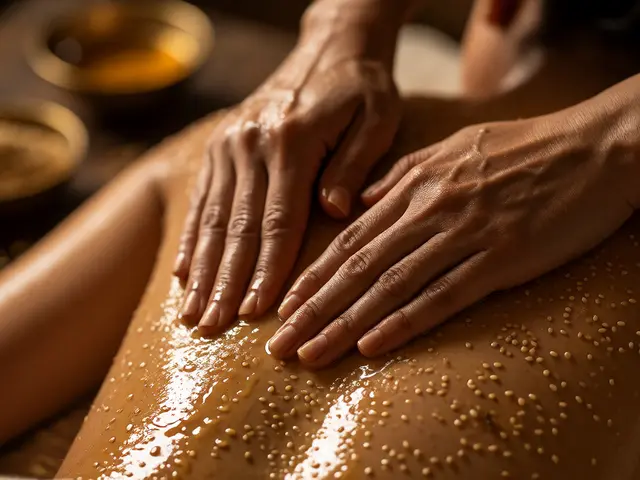
Ever noticed how a simple kiss can change the entire vibe of an evening? Or how a back rub after a long day does more than just loosen tight muscles? It’s not magic. It’s biology mixed with emotion. When you combine massage and kissing, you’re tapping into one of the most powerful tools for human bonding. This isn’t just about feeling good in the moment; it’s about building a deeper, more resilient connection with your partner.
You might think these are separate acts-one is relaxation, the other is romance. But they work best together. Think of them as two sides of the same coin. One side soothes the body, the other ignites the heart. When you unlock this combination, you stop treating intimacy as a scheduled event and start living it as a daily practice. Let’s look at why this mix works so well and how you can use it to strengthen your relationship right now.
The Science Behind the Snuggle
Your brain loves touch. Seriously. When skin touches skin, your nervous system lights up like a Christmas tree. This process releases a cocktail of hormones that directly impact how you feel about each other. The star player here is oxytocin. Often called the "love hormone," oxytocin is released during physical contact, especially when that contact is gentle and sustained.
A massage provides the sustained pressure needed to trigger this release. It lowers cortisol-the stress hormone-and puts your body into a state of rest and digest. Once your partner is relaxed, their defenses drop. That’s where kissing comes in. A kiss on the forehead or neck while they’re unwinding sends a different signal. It says, "I see you, I care about you, and I’m here." This combination creates a feedback loop. The massage makes them receptive; the kiss makes them feel cherished.
Research from various behavioral health studies suggests that couples who engage in regular non-sexual touch report higher levels of satisfaction. It’s not about the grand gestures. It’s about the small, consistent moments of connection. When you pair the therapeutic benefits of touch with the emotional vulnerability of a kiss, you create a safe space for both of you to be present.
Beyond Relaxation: Emotional Intimacy
We often confuse intimacy with sex. They are related, sure, but they aren’t the same thing. You can have great sex without deep intimacy, and you can have profound intimacy without any sexual activity at all. Massage and kissing bridge the gap between physical comfort and emotional closeness.
Consider the act of giving a massage. It requires attention. You have to listen to your partner’s breathing, watch their facial expressions, and adjust your pressure based on their needs. This is active listening with your hands. It shows empathy. Now, add a kiss. A soft kiss on the shoulder while massaging the trapezius muscles shifts the dynamic from "service" to "affection." It transforms a chore-like task into a shared experience.
This shift matters because modern life is noisy. We are distracted by phones, work emails, and social media. Taking twenty minutes to focus solely on your partner’s body forces you to disconnect from the digital world and reconnect with the person in front of you. It’s a form of mindfulness. And when you end that session with a lingering kiss, you seal that moment of presence. You’re telling your partner, "For these twenty minutes, nothing else mattered but us."
Techniques to Blend Touch and Taste
So, how do you actually do this without it feeling awkward or forced? You don’t need to be a certified therapist. You just need intention. Here are three simple ways to integrate kissing into your massage routine.
- The Forehead Anchor: Start your massage by placing your hands gently on your partner’s shoulders. Lean in and place a firm, slow kiss on their forehead. This sets a tone of protection and care before you even begin moving your hands. It signals safety.
- The Neck Trail: As you work down the spine, pause at the base of the neck. Use your thumbs to apply gentle circular motions. While doing this, lightly graze your lips along the hairline or the nape of the neck. Keep it light. The goal is sensitivity, not stimulation. This area is highly nerve-rich and responds well to combined touch and warmth.
- The Hand Hold Finish: End the massage by holding your partner’s hand. Rub your thumb over their palm. Look them in the eyes. Then, kiss their knuckles or the back of their hand. This re-establishes eye contact and emotional connection after the physical focus of the massage.
Notice that none of these require complex maneuvers. They rely on timing and attention. The key is synchronization. Don’t rush the kiss. Let it land softly. If your partner flinches or tenses up, ease off. Communication is part of the technique. Ask, "Does this feel good?" or "Is this too much?" It keeps the experience collaborative rather than performative.

Overcoming Awkwardness and Building Routine
Let’s be real: talking about touch can sometimes feel clinical. Or worse, transactional. "I washed the dishes, so you owe me a back rub." That mindset kills the mood faster than anything else. To make this work, you need to decouple it from obligation. Treat it as a gift you give freely, not a debt you collect.
If you’re new to this, start small. You don’t need to commit to a full-body oil massage every night. Try five minutes. Maybe it’s just rubbing their feet while watching TV. Add a quick kiss on the top of their head when you walk past. Build the habit slowly. Consistency beats intensity every time. A two-minute daily gesture builds more trust than a once-a-month marathon session.
Also, consider the environment. Lighting matters. Dim the lights. Put away the screens. Play some low-volume music if it helps set the tone. These cues tell your brain that this time is different from the rest of the day. It’s a ritual. Rituals provide structure and predictability, which reduces anxiety. If your partner knows that Friday nights mean quiet time and gentle touch, they’ll look forward to it instead of dreading the effort.
When Touch Becomes Therapy
Sometimes, physical tension is stored emotionally. We carry stress in our jaws, our hips, and our lower backs. A skilled massage can help release that physical tension, but adding kissing adds an emotional layer. It validates the release. It says, "It’s okay to let go. I’ve got you."
For partners dealing with high-stress jobs or anxiety, this combination can be surprisingly effective. It grounds them. The physical sensation of being touched brings them back to the present moment. The kiss reinforces their worth beyond their productivity. They are loved not for what they do, but for who they are. This distinction is crucial for long-term relationship health.
However, respect boundaries. Not everyone enjoys being touched when they are stressed. Some people need space first. Read the room. If your partner pulls away, don’t take it personally. Offer the massage later or ask, "Do you want company or quiet?" Adaptability is a sign of maturity and care. It shows you value their comfort over your desire to connect in a specific way.

Practical Tips for Success
To get the most out of this practice, keep these points in mind. First, hygiene matters. Fresh breath and clean hands go a long way. Nothing ruins the mood like bad breath or sticky fingers. Second, communicate preferences. Everyone has different thresholds for pressure and sensitivity. What feels amazing to one person might hurt another. Ask questions and listen to the answers.
Third, don’t expect immediate results. Building this level of intimacy takes time. You might feel silly at first. That’s normal. Push through the initial awkwardness. Within a few weeks, it will feel natural. Fourth, vary your approach. Sometimes a playful tickle and a quick peck work better than a serious, slow massage. Mix it up to keep things fresh and fun.
| Aspect | Solo Self-Massage | Partner Massage with Kissing |
|---|---|---|
| Stress Reduction | Moderate (Physical relief) | High (Physical + Emotional release) |
| Oxytocin Release | Low | High (Due to interpersonal contact) |
| Connection Depth | None (Self-focused) | Strong (Shared vulnerability) |
| Trust Building | N/A | Significant (Requires surrender) |
This table highlights why partnered interaction outperforms solo efforts for relationship growth. While self-care is important, it doesn’t build the same neural pathways associated with bonding. Your brain processes touch from a loved one differently than touch from yourself. It registers as social reward, not just physical relief.
Frequently Asked Questions
Do I need special oils for this?
Not necessarily. Lotions, creams, or even just dry friction work fine. However, unscented or lightly scented oils can enhance the sensory experience. Avoid strong perfumes if your partner is sensitive to smells. Coconut oil is a popular choice because it’s edible and moisturizing, making it safe for kissing afterward.
How long should a session last?
Start with 5 to 10 minutes. Short sessions are easier to maintain consistently. You can gradually increase the duration as it becomes part of your routine. Quality matters more than quantity. Ten focused minutes are better than thirty distracted ones.
What if my partner doesn’t like being touched?
Respect their boundary immediately. Ask what kind of touch they prefer, if any. Some people dislike unexpected contact. Try offering a foot rub instead of a back massage, or simply sitting close while holding hands. Gradually introduce kissing in low-pressure contexts, like greeting each other, to rebuild positive associations.
Can this improve our sex life?
Often, yes. By reducing stress and increasing feelings of closeness, you remove barriers to arousal. Non-sexual intimacy builds anticipation and trust, which are key components of sexual satisfaction. It helps partners feel more connected and willing to explore physical pleasure together.
Is this only for romantic partners?
While the context differs, the principles of touch apply to friends and family too. However, kissing carries romantic connotations in many cultures. For platonic relationships, stick to hugs or pats on the back. For romantic partners, the combination of massage and kissing specifically targets erotic and emotional bonding zones.
Next Steps for Deeper Connection
You don’t need to overhaul your relationship overnight. Pick one tip from this article and try it tonight. Maybe it’s the forehead anchor before bed. Maybe it’s asking your partner where they hold tension. Small actions compound over time. Watch how your partner reacts. Do they lean in? Do they smile? Those micro-signals tell you you’re on the right track.
If you find resistance, talk about it openly. Share your intentions. Explain that you want to feel closer, not just relax their muscles. Vulnerability invites vulnerability. When you open up about your desire for connection, your partner is more likely to meet you halfway. Remember, consistency is key. Make touch a priority, not an afterthought. Your relationship will thank you for it.



About Author