Reflexology: A Simple Way to Boost Well-Being Naturally
Reflexology Pressure Point Guide
Recommended Points
Select a concern above to see recommended points
Most people think of reflexology as just a foot rub. But if you’ve ever felt a sudden wave of calm after someone pressed firmly on the ball of your foot, you’ve felt something deeper. Reflexology isn’t magic. It’s not about predicting your future or curing diseases. It’s a simple, ancient practice that uses pressure on specific spots on your feet, hands, and ears to help your body relax, reduce stress, and support natural healing.
What Reflexology Actually Does
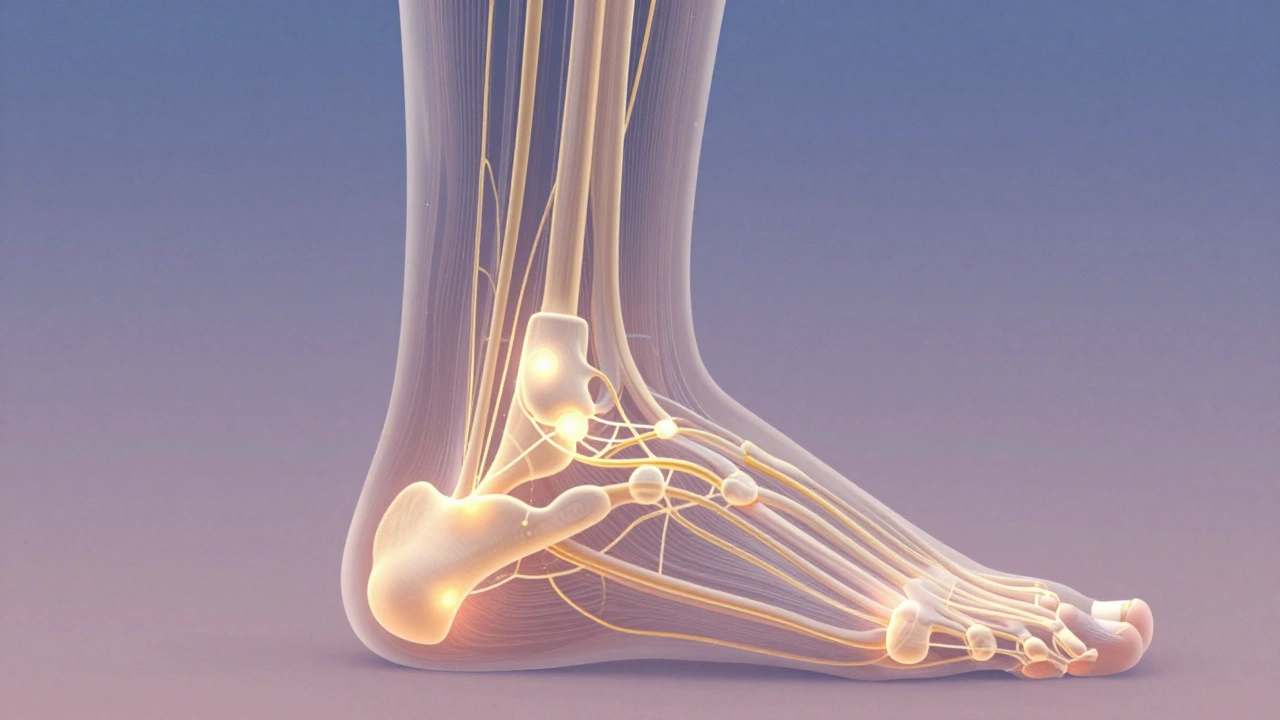
Reflexology is based on a straightforward idea: your feet are a map of your body. Pressing certain areas-like the arch for your spine, the ball of the foot for your lungs, or the big toe for your head-can send signals to those parts. It’s not about fixing broken organs. It’s about helping your nervous system reset. When you’re stressed, your body stays in fight-or-flight mode. Reflexology helps flip that switch back to rest-and-digest.
People who get regular sessions often report better sleep, less tension in their neck and shoulders, and fewer headaches. A 2022 study from the University of Birmingham looked at 120 adults with chronic stress. After six weekly reflexology sessions, 73% reported noticeable drops in cortisol levels and improved mood. That’s not placebo. That’s measurable change.
How It’s Different From Massage
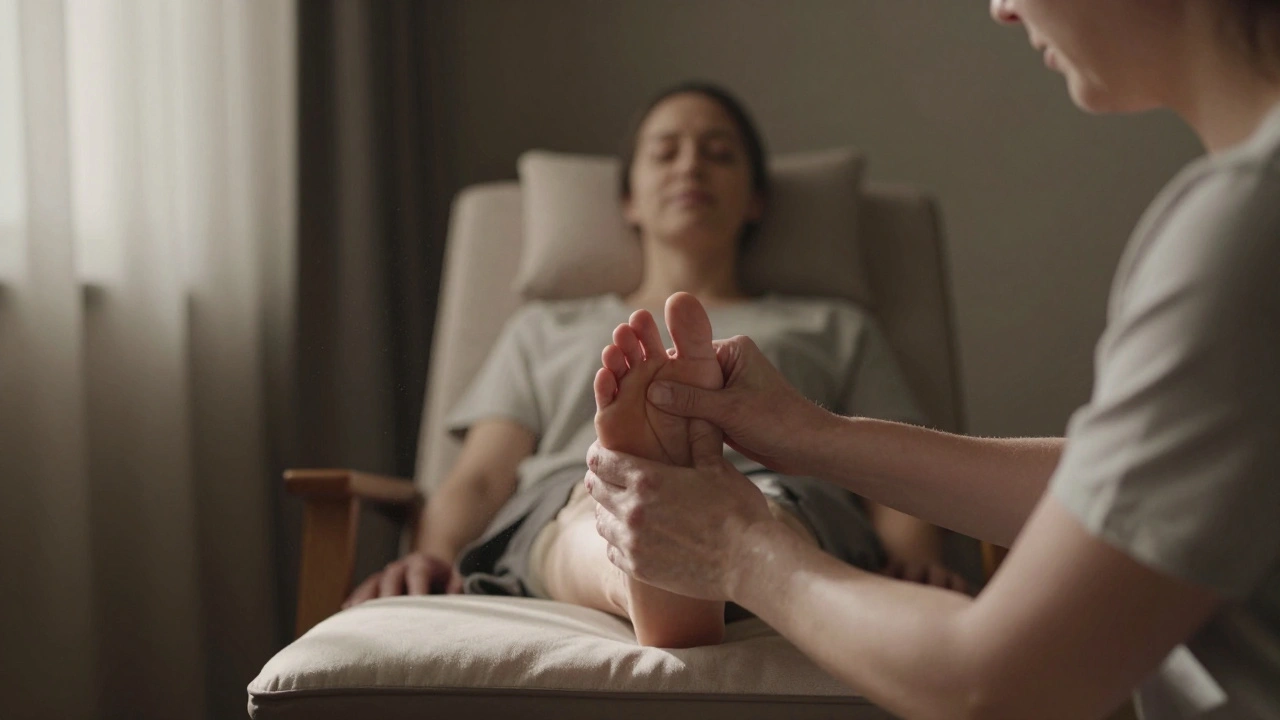
Massage therapy works on muscles and soft tissue. You’re lying on a table while your back, legs, or arms are kneaded to release tightness. Reflexology? You stay fully dressed. The therapist works only on your feet-or sometimes your hands or ears-using thumb and finger pressure. No oils. No heat lamps. No music blasting. Just focused, deliberate pressure on key zones.
Think of it this way: massage loosens knots in your muscles. Reflexology talks to your nervous system. One helps your body feel better. The other helps your body feel safe again.
Where the Pressure Points Are
You don’t need a chart to get started. Here are the most common zones and what they connect to:
- Ball of the foot - Lungs and chest. Press here if you feel tightness after a long day of breathing through stress or pollution.
- Arch area - Spine and lower back. A lot of people feel instant relief here after sitting at a desk all day.
- Heel - Pelvis and lower intestines. Often helpful for bloating or menstrual discomfort.
- Big toe - Head and sinuses. Try this if you’re fighting a cold or feeling foggy.
- Inner edge of the foot - Kidneys and bladder. Helps with fluid balance and detox support.
You don’t need to press hard. A firm, steady pressure for 15-30 seconds per spot is enough. If it hurts too much, ease off. Reflexology shouldn’t be painful-it should feel like a deep release.
Who Can Benefit
You don’t have to be sick to try reflexology. It’s not a treatment for illness. It’s a tool for balance. People use it for:
- Chronic stress or anxiety
- Insomnia or poor sleep quality
- Headaches and migraines
- Menstrual discomfort
- Recovery after injury or surgery
- Just to unwind after a long week
It’s safe for most people, including older adults and pregnant women (with a trained practitioner). If you have open wounds, blood clots, or severe diabetes, talk to your doctor first. But for most, it’s as safe as a warm bath.
What to Expect in a Session
A typical session lasts 45 to 60 minutes. You’ll sit in a comfortable chair or lie on a massage table. The therapist will ask about your health and stress levels. Then they’ll start working on your feet-sometimes both, sometimes just one. They’ll use their thumbs to apply pressure in a slow, rhythmic pattern. You might feel tingling, warmth, or even a slight ache in another part of your body. That’s normal. It means the signal is traveling.
You won’t be asked to undress. No scents. No loud music. Just quiet, focused touch. Many people fall asleep. Others leave feeling lighter, calmer, and oddly energized.
How Often Should You Try It
There’s no rule. If you’re dealing with high stress or pain, once a week for 4-6 weeks can make a real difference. After that, once a month is enough to stay balanced. Some people do it every Sunday night as part of their wind-down routine. Others only go when they feel off.
It’s not something you need to commit to long-term. Think of it like a reset button. You don’t need to press it every day. But when you do, it helps.
Can You Do It Yourself
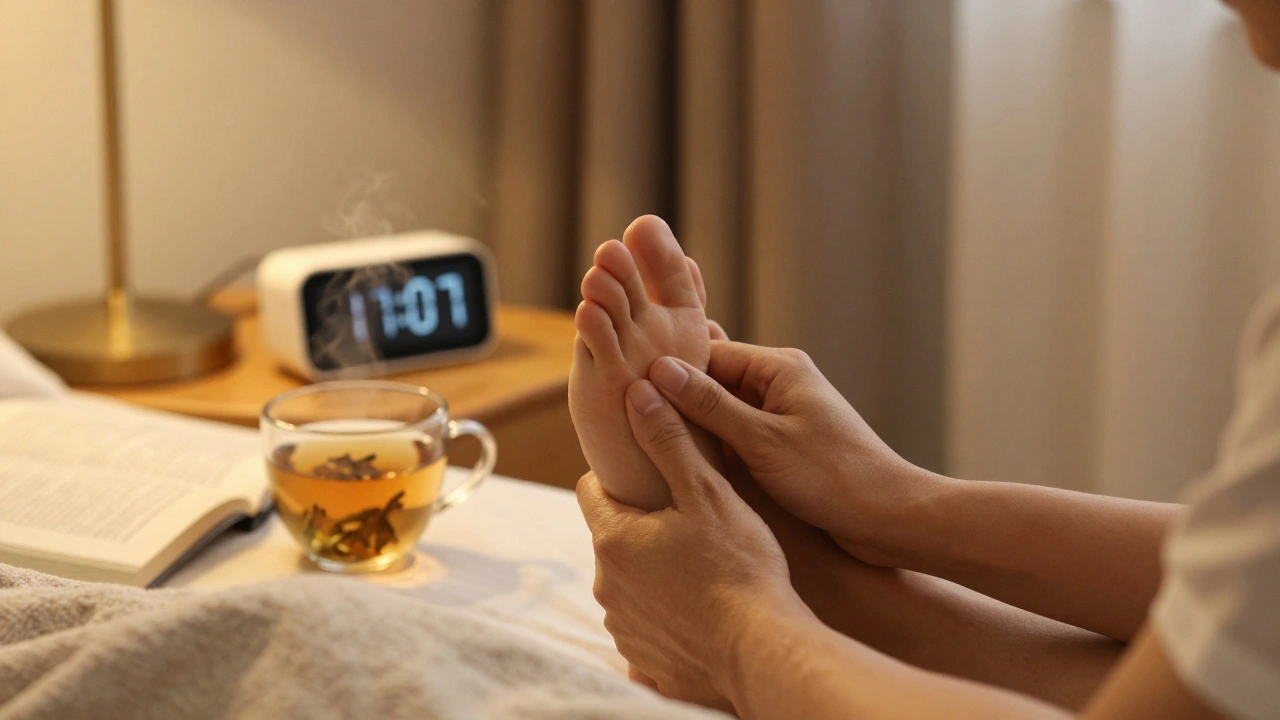
Yes. You don’t need to spend £50 on a session to get benefits. Try this simple routine before bed:
- Sit in a chair with your feet flat on the floor.
- Use your thumb to press firmly into the ball of each foot for 20 seconds.
- Move to the arch-press and hold for 20 seconds.
- Press the heel area for 15 seconds.
- Finish by gently rolling your big toe between your fingers for 10 seconds.
Do this for five minutes. Do it every night for a week. You’ll notice you fall asleep faster. You’ll wake up less stiff. That’s reflexology working.
Myths and Misconceptions
Some people think reflexology can cure cancer. It can’t. Others believe it’s just a placebo. But science shows it affects your nervous system, not your cells. It doesn’t shrink tumors. But it can help you sleep better while you’re undergoing treatment. That matters.
It’s not a replacement for medical care. But it’s a powerful complement. If you’re taking medication, seeing a therapist, or doing physical rehab, reflexology can help your body handle the stress of healing.
Where to Find a Practitioner
In the UK, look for someone registered with the British Reflexology Association or the Association of Reflexologists. They’ve completed at least 200 hours of training and follow strict hygiene rules. Avoid anyone who claims to diagnose diseases or promises miracles.
Many spas, physiotherapy clinics, and wellness centres now offer reflexology. You can also find home-based practitioners through local directories. Don’t be afraid to ask about their training. A good therapist will be happy to explain.
Why It Works When Nothing Else Does
Modern life keeps us wired. We’re always doing, checking, reacting. Reflexology doesn’t ask you to change anything. You don’t have to meditate, journal, or delete social media. You just sit. Someone touches your feet. And slowly, your body remembers how to relax.
It’s not complicated. It’s not expensive. And you don’t need to believe in it to feel the difference. Just try it. For five minutes. One time. See what happens.
Can reflexology help with chronic pain?
Yes, many people with chronic back pain, arthritis, or fibromyalgia report reduced discomfort after regular sessions. Reflexology doesn’t eliminate the source of pain, but it helps calm the nervous system’s overreaction to it. This lowers overall sensitivity and improves pain tolerance. It’s often used alongside physiotherapy and medication-not as a replacement.
Does reflexology hurt?
It shouldn’t. Some areas might feel tender, especially if there’s tension or imbalance in the related body part. But pain means you’re pressing too hard. A good reflexologist adjusts pressure to your comfort. If it hurts, speak up. Reflexology is about release, not punishment.
Is reflexology safe during pregnancy?
Yes, when done by a trained professional. Many pregnant women use reflexology to ease swelling, reduce stress, and improve sleep. However, some pressure points are avoided in early pregnancy because they’re thought to stimulate contractions. Always tell your practitioner you’re pregnant so they can adjust the session safely.
How long do the effects last?
After one session, most people feel relaxed for 24-48 hours. With regular sessions, the effects build. Over time, your body learns to return to calm more easily. That’s when you start noticing better sleep, less anxiety, and fewer tension headaches-even on days you didn’t have a session.
Can reflexology help with digestion?
Yes. The reflex points for the stomach, intestines, and liver are on the feet. Pressing these areas can stimulate the vagus nerve, which controls digestion. Many people report less bloating, more regular bowel movements, and reduced acid reflux after consistent sessions. It’s not a cure for IBS or Crohn’s, but it can ease the daily discomfort.
About Author