Medical Massage: The Essential Therapy You're Missing
Most people think of massage as a luxury - something you do after a long week to unwind. But what if the real power of massage isn’t in relaxation, but in healing? Medical massage isn’t about candles and lavender oil. It’s a targeted, science-backed treatment used by doctors, physical therapists, and rehabilitation specialists to fix real problems - not just soothe them.
What Exactly Is Medical Massage?
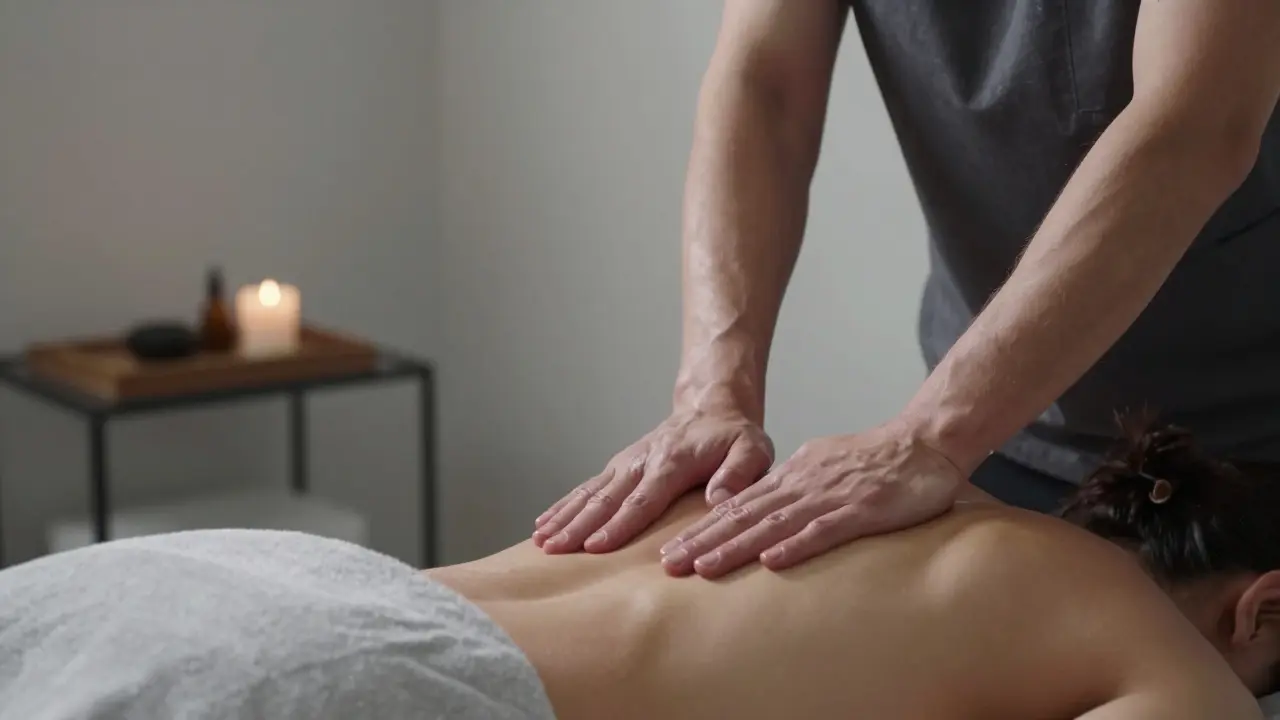
Medical massage is a clinical approach to soft tissue therapy. Unlike spa massage, which focuses on general relaxation, medical massage targets specific injuries, conditions, or dysfunctions. It’s not a one-size-fits-all session. Every treatment is built around a diagnosis - whether it’s sciatica, frozen shoulder, post-surgical scarring, or chronic lower back pain.
Practitioners use techniques like myofascial release, trigger point therapy, neuromuscular re-education, and lymphatic drainage. These aren’t buzzwords. They’re proven methods with peer-reviewed studies backing them. For example, a 2023 study in the Journal of Orthopaedic & Sports Physical Therapy showed that patients with chronic low back pain who received weekly medical massage for six weeks reduced their pain levels by 57% on average - and stayed pain-free for three months after treatment ended.
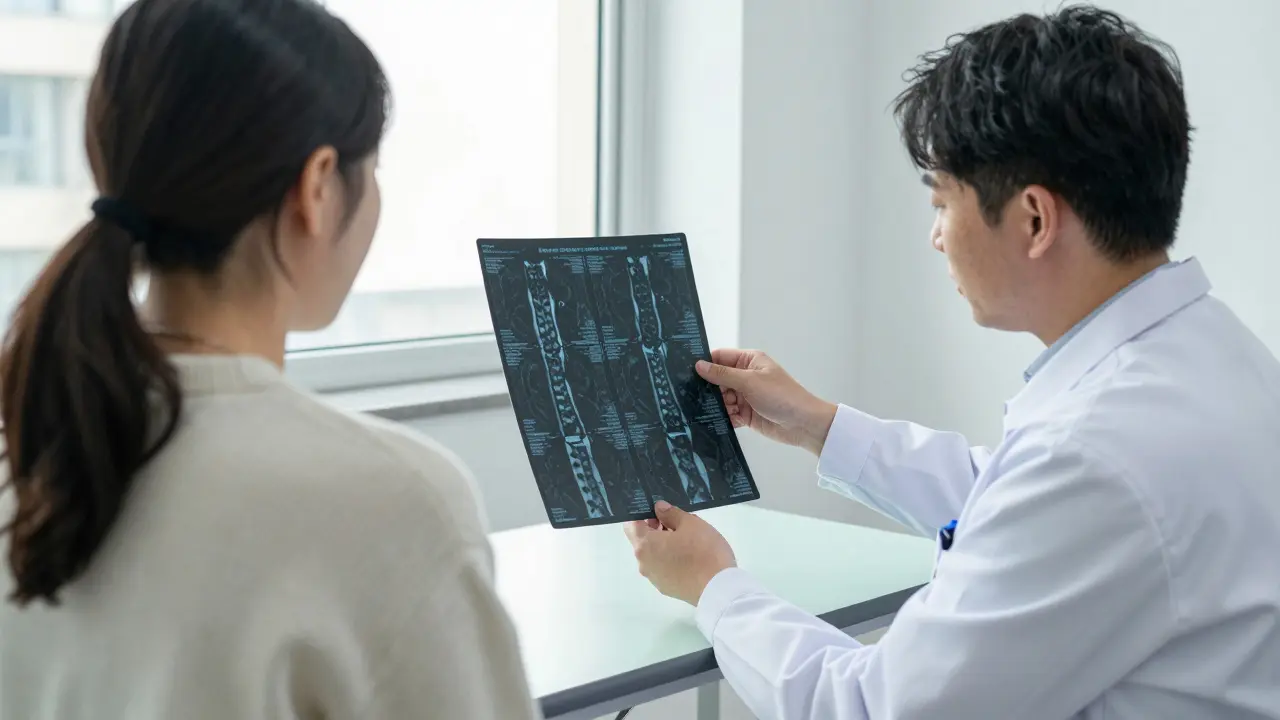
This isn’t guesswork. Therapists use palpation (feeling tissue texture), range-of-motion tests, and sometimes even imaging reports to map out exactly where tension, inflammation, or scar tissue is blocking movement or causing pain.
Why Most People Miss Out
You’ve probably heard of physical therapy. Or chiropractic care. But medical massage? It’s rarely mentioned in doctor’s offices - not because it doesn’t work, but because it’s underused.
Insurance in Australia doesn’t always cover it. Many GPs still think of massage as a spa service. And patients? They assume it’s just for stress. But here’s the truth: if you’ve got persistent pain that hasn’t improved with rest, painkillers, or even physical therapy, medical massage might be the missing piece.
Think about this: your body doesn’t heal in isolation. Muscles, tendons, ligaments, and fascia all work together. When one part gets tight or scarred, it pulls on others. That’s why your knee hurts even though the injury was in your hip. Medical massage addresses those hidden connections.
Conditions Medical Massage Actually Helps
Let’s get specific. Here are the top five conditions where medical massage delivers measurable results:
- Chronic lower back pain - Especially when caused by muscle imbalances or tight piriformis muscles compressing the sciatic nerve. Medical massage can release those knots in under 8 sessions.
- Post-surgical scarring - After knee or hip replacement, scar tissue can restrict movement. Massage helps break down adhesions and restore flexibility faster than stretching alone.
- Repetitive strain injuries - Carpal tunnel, tennis elbow, or IT band syndrome. These aren’t just "overuse" problems - they’re tissue adhesion problems. Massage breaks up the stuck collagen.
- Neuropathic pain - Numbness, tingling, burning sensations from nerve damage. Medical massage improves blood flow and reduces pressure on nerves, often reducing symptoms by 40-60%.
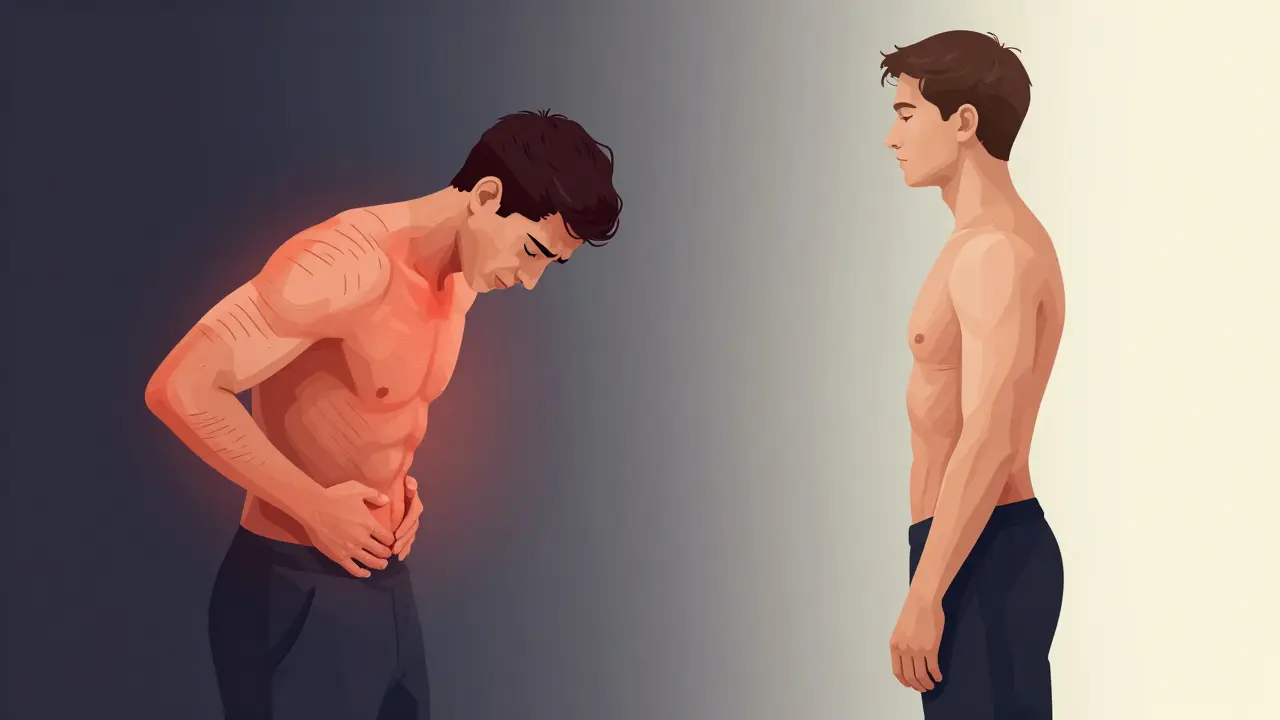
- Postural dysfunction - Slumped shoulders, forward head posture, rounded back. These aren’t just bad habits. They’re structural changes in soft tissue. Massage rewires them.
There’s also strong evidence for its use in stroke recovery, Parkinson’s tremor management, and even reducing chemotherapy-induced peripheral neuropathy. It’s not magic. It’s biomechanics.
How It’s Different From Regular Massage
Here’s the key difference: medical massage is outcome-driven. You don’t just get a session - you get a plan.
A spa therapist might give you a 60-minute Swedish massage and call it a day. A medical massage therapist will:
- Review your medical history and any imaging (X-rays, MRIs, ultrasounds)
- Perform a movement assessment - how you sit, stand, walk
- Identify the root cause, not just the symptom
- Apply specific techniques to targeted areas
- Give you homework - stretches, posture corrections, self-massage tools
- Track progress with re-assessments every 2-3 sessions
It’s more like physical therapy, but without the machines. No ultrasound, no TENS, no needles. Just hands, knowledge, and tissue response.
What to Expect in Your First Session
You won’t walk in and get massaged right away. The first visit usually lasts 75-90 minutes. Here’s what happens:
- Consultation (20 min) - You’ll talk about your pain, when it started, what makes it better or worse.
- Assessment (30 min) - The therapist will have you move - bend, squat, rotate. They’ll check muscle strength, joint mobility, and tissue texture.
- Treatment (30-40 min) - Focused, deliberate work. It might feel intense - not painful, but deep. You might feel sore the next day. That’s normal.
- Home plan (10 min) - You’ll get a simple routine: maybe a foam roller technique, a stretch, or how to use a tennis ball on your glutes.
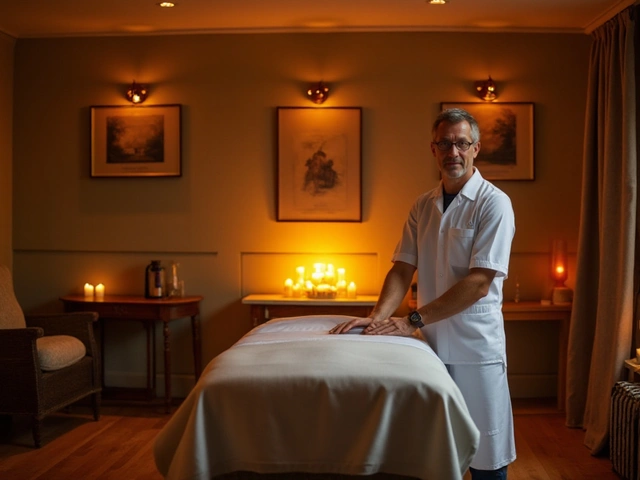
No oil? No music? No aromatherapy? That’s right. The goal isn’t to make you feel like you’re on vacation. It’s to make you feel like your body is working again.
Who Should Try It - And Who Shouldn’t
Medical massage isn’t for everyone. But it’s perfect for people who:
- Have tried painkillers and rest with no lasting relief
- Are tired of relying on injections or surgery
- Have been told "it’s just aging" or "you’ll have to live with it"
- Want to avoid long-term medication use
But avoid it if you have:
- Open wounds or recent burns
- Active blood clots or deep vein thrombosis
- Severe osteoporosis with recent fractures
- Uncontrolled high blood pressure
- Active cancer in the area being treated
If you’re unsure, talk to your GP first. Many doctors now refer patients to medical massage therapists - especially in Australia, where integrative clinics are becoming more common.
The Real Cost - And Why It’s Worth It
A single session in Perth typically costs between $110 and $160. That’s more than a spa massage. But here’s the math:
If you’re paying $30 a day for painkillers, $800 a year for physio co-pays, and $5,000 for a surgery that might not fix the root issue - medical massage is cheaper. And safer.
Most people see noticeable improvement in 4-6 sessions. Some need 8-10. A full course usually costs less than one MRI. And unlike drugs or surgery, it doesn’t come with side effects or recovery time.
Many private health insurers in Australia now cover medical massage under their "extras" policies - especially if you have a referral from a GP or physiotherapist.
Where to Find a Qualified Practitioner
Not every massage therapist is trained in medical massage. Look for:
- Certification in Medical Massage Therapy (not just "Advanced Massage" or "Sports Massage")
- Background in physiotherapy, chiropractic, or rehabilitation
- Experience working with doctors or clinics
- Use of assessment tools (not just "I feel your tension")
Check the Australian Association of Massage Therapists directory. Ask if they’ve treated patients with your exact condition. Don’t be afraid to ask for case studies or before/after movement videos.
Some physio clinics now offer medical massage as part of their service. If you’re already seeing a physio, ask if they can integrate it into your plan.
Final Thought: Your Body Isn’t Broken - It’s Just Stuck
Pain isn’t always a sign of damage. Sometimes, it’s a sign of restriction. Your muscles aren’t weak - they’re locked. Your joints aren’t worn out - they’re compressed. Medical massage doesn’t fix what’s broken. It frees what’s stuck.
If you’ve been living with discomfort for months - or years - and nothing else has worked, it’s not because you’re out of options. It’s because you haven’t tried the right one yet.
Stop treating symptoms. Start treating the system.


About Author

Popular Posts

Sports Massage Benefits: The Ultimate Recovery Guide