Stone Therapy Guide: Benefits, Techniques, and What to Expect
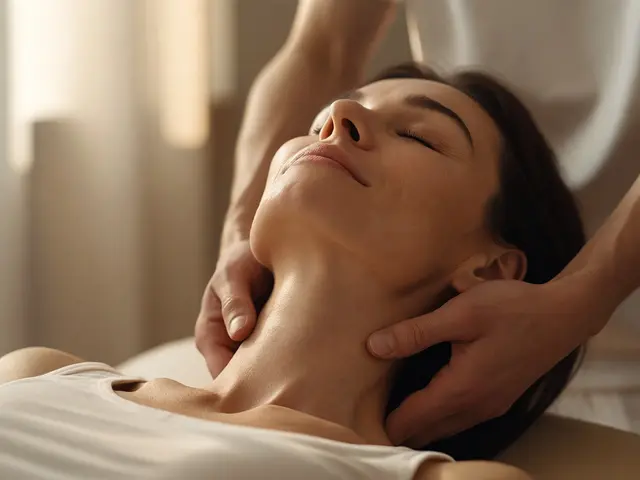
Have you ever walked into a spa, heard the faint clinking of stones on a tray, and felt your shoulders drop instantly? That specific sound signals stone therapy, also known as hot stone massage, which is a therapeutic technique using heated or cooled basalt stones to relieve tension, improve circulation, and promote deep relaxation. It’s not just about warmth; it’s a precise method of manipulating muscle tissue that goes deeper than standard hand pressure alone.
In my experience living here in Perth, where the sun beats down hard and people carry stress in their necks from long commutes or physical labor, this modality hits different. You don’t need to be a yogi or a zen master to benefit. You just need tight muscles and a willingness to let go. Let’s break down exactly how it works, what happens during a session, and why it might be the missing piece in your wellness routine.
How Stone Therapy Actually Works
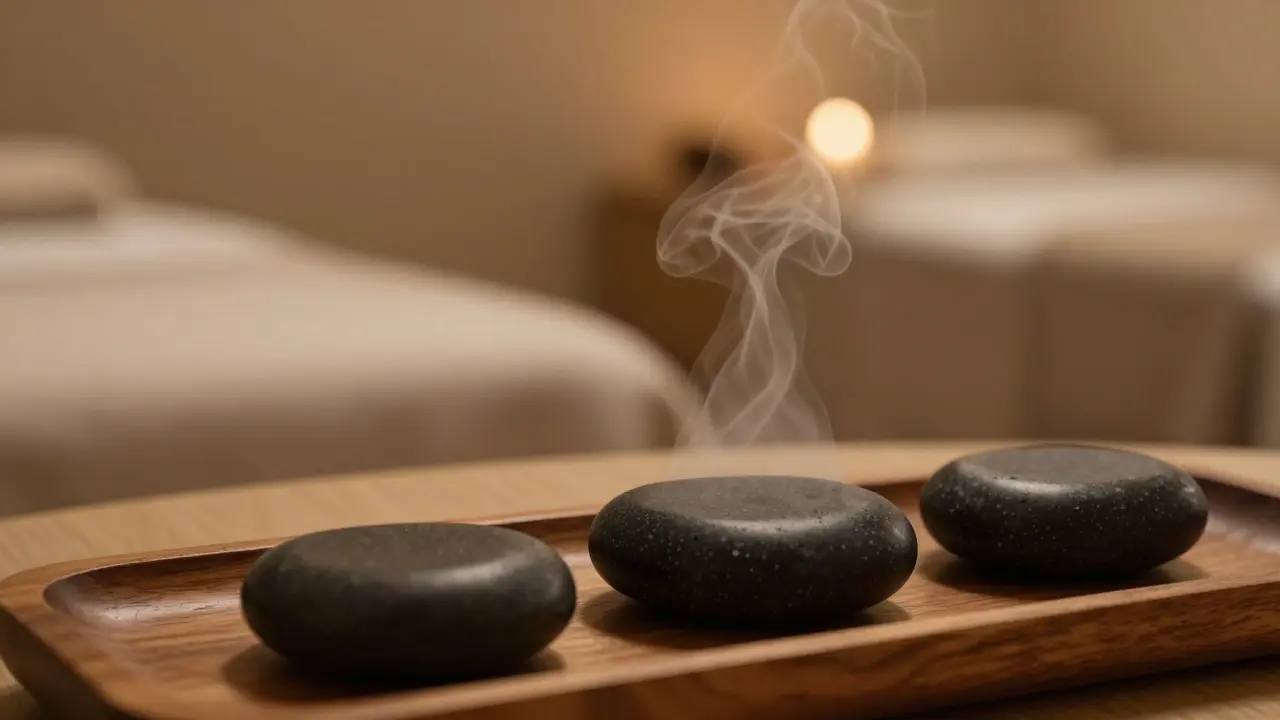
Most people think it’s just warm rocks sitting on your back. While that’s part of it, the real magic is in the mechanics. Therapists use smooth, flat basalt stones, which are dense volcanic rocks capable of retaining heat for extended periods without burning the skin. These stones are heated in a specialized warmer to temperatures between 49°C and 52°C (120°F-125°F). This range is critical-hot enough to penetrate muscle fibers but safe for prolonged contact.
The therapist uses these stones in two primary ways:
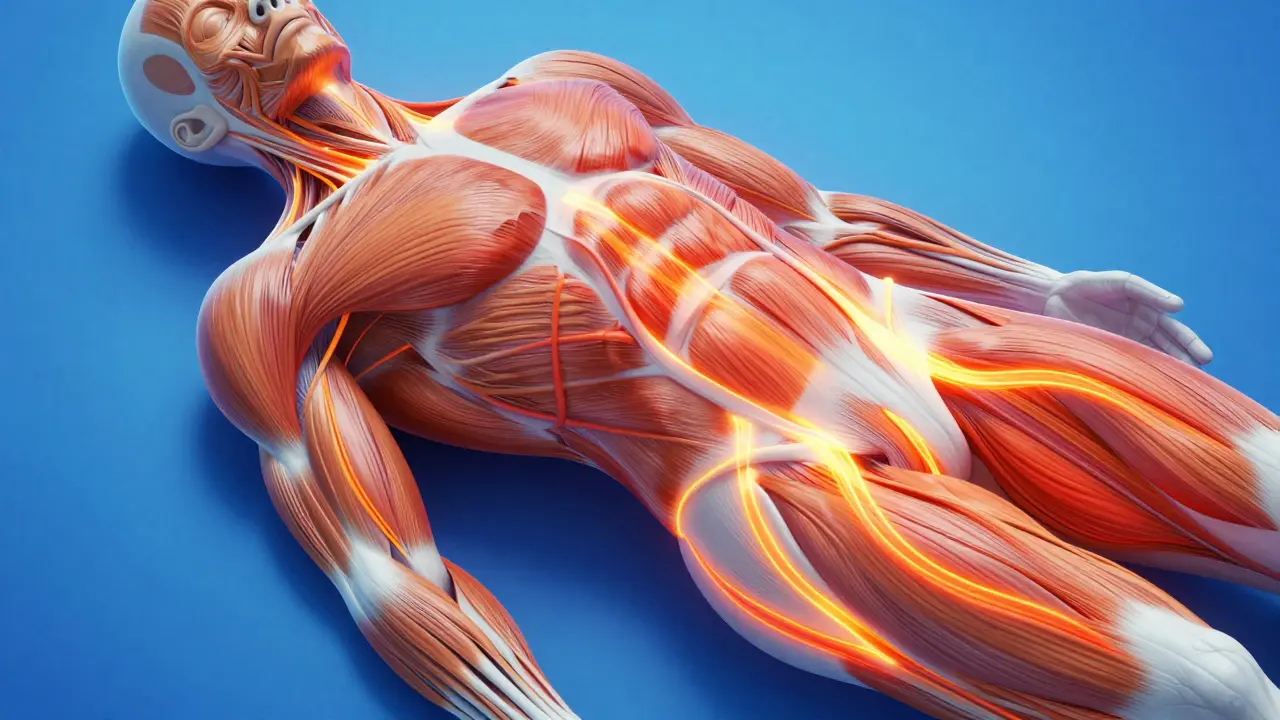
- Static Placement: Stones are placed on key energy points or major muscle groups (like the lower back or between the shoulder blades). The residual heat penetrates deep into the tissue, causing blood vessels to dilate. This increases blood flow, delivering oxygen to tired muscles and flushing out metabolic waste like lactic acid.
- Dynamic Manipulation: The therapist holds the stone in their hand and uses it as an extension of their fingers. Because the stone is heavier and smoother than a human hand, it glides over oiled skin with less friction. This allows for deeper, more consistent pressure without the therapist having to dig their knuckles in, which can sometimes cause micro-tears or bruising.
Cold stone therapy is also an option. Chilled stones are used to reduce inflammation or numb acute pain, often applied after intense athletic activity. However, heat remains the dominant choice for general wellness because it triggers the parasympathetic nervous system-the "rest and digest" mode-more effectively.
Who Should Try Stone Therapy?
You might wonder if this is right for you. If you suffer from chronic lower back pain, frequent tension headaches, or general stiffness from sitting at a desk all day, stone therapy is likely a strong candidate. It’s particularly effective for people who find traditional Swedish massage too light or deep tissue massage too aggressive. Stone therapy sits in that sweet spot: firm, warming, and deeply penetrating.
Consider these scenarios:
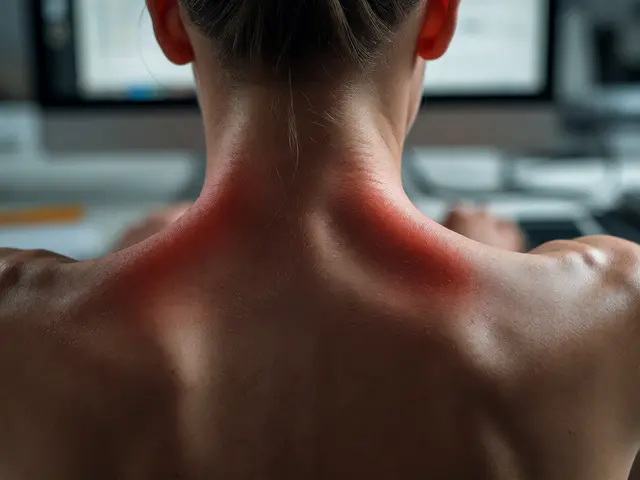
- The Desk Worker: Tight upper traps and rounded shoulders respond incredibly well to stones placed along the spine and under the arms.
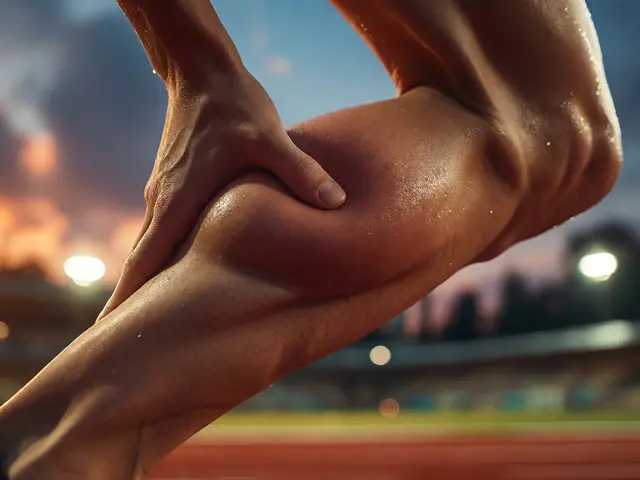
- The Athlete: Runners and gym-goers benefit from the increased circulation that helps recovery post-workout.
- The Insomniac: The thermal effect lowers cortisol levels, making it easier to fall asleep afterward.
However, it’s not for everyone. If you have severe circulatory issues, open wounds, or sensitive skin conditions like eczema, you should consult your doctor first. Heat can exacerbate certain inflammatory conditions. Always disclose your health history to your therapist before booking.
What to Expect During Your First Session
Nervousness is normal. Here is the step-by-step journey so you know exactly what will happen.
- Consultation: A good therapist will ask about pain points, recent injuries, and preferences. Tell them if you hate heat or love it. Mention any areas you want avoided.
- Preparation: You’ll undress to your comfort level and lie face down on the table. The therapist will apply warm oil to your skin. This isn’t just for slipperiness; the oil conducts heat better and keeps your skin hydrated.
- Initial Massage: They usually start with their hands to warm up the muscles and assess tension levels.
- Stone Introduction: The heated stones are introduced. You’ll feel them glide over your back. At some point, they may place several stones directly on your body. You’ll feel a heavy, comforting weight. Do not try to lift them off yourself; wait for the therapist to remove them.
- Cool Down: The session ends with gentle strokes and perhaps a few cold stones on the forehead or wrists to balance the temperature.
The entire process typically lasts 60 to 90 minutes. You might feel slightly lightheaded when you stand up due to the vasodilation (widening of blood vessels). Take your time getting dressed.
Benefits Beyond Relaxation
We all know feeling relaxed is nice, but the physiological benefits are measurable. Studies in complementary medicine, a field that integrates conventional medical care with non-traditional therapies like massage and acupuncture, suggest that regular stone therapy can lead to:
- Improved Sleep Quality: By lowering heart rate and blood pressure, the body enters a state conducive to restorative sleep.
- Pain Reduction: Chronic pain sufferers often report a decrease in pain intensity for days or weeks after treatment.
- Reduced Anxiety: The combination of touch and heat stimulates the release of endorphins and serotonin, natural mood lifters.
- Better Circulation: Enhanced blood flow means nutrients reach cells faster and toxins are removed more efficiently.
It’s not a cure-all, but it is a powerful tool for managing the daily wear and tear of modern life.
| Feature | Stone Therapy | Swedish Massage | Deep Tissue Massage |
|---|---|---|---|
| Primary Tool | Heated/Cooled Basalt Stones | Therapist Hands | Therapist Hands/Elbows |
| Pressure Level | Medium to Firm | Light to Medium | Firm to Very Firm |
| Heat Element | Yes (Core Feature) | No (Optional Warm Towels) | No |
| Best For | Relaxation & Deep Muscle Release | Gentle Relaxation & Circulation | Chronic Knots & Structural Issues |
| Pain During Session | Low (Comfortable Warmth) | None | Moderate to High |
Finding a Qualified Practitioner
Not all spas offer true stone therapy. Some just throw warm rocks on you while doing a superficial rub-down. To get the real benefits, you need a trained massage therapist, a professional who is licensed and certified to perform various manual therapy techniques safely and effectively.
Look for these credentials:
- Licensure: Ensure they hold a current license to practice in your state or region. In Western Australia, for example, check with the relevant health authority.
- Specialization: Ask if they have specific training in hot stone modalities. It requires knowledge of anatomy and thermodynamics.
- Hygiene Standards: Stones must be sanitized between clients. Reputable therapists use disposable covers or rigorous cleaning protocols.
Avoid places that seem rushed or don’t ask for a consultation. Stone therapy requires time to heat the stones properly and adjust the temperature to your sensitivity.
Aftercare: Maximizing the Benefits
Your job doesn’t end when you leave the clinic. How you treat your body in the next 24 hours matters.
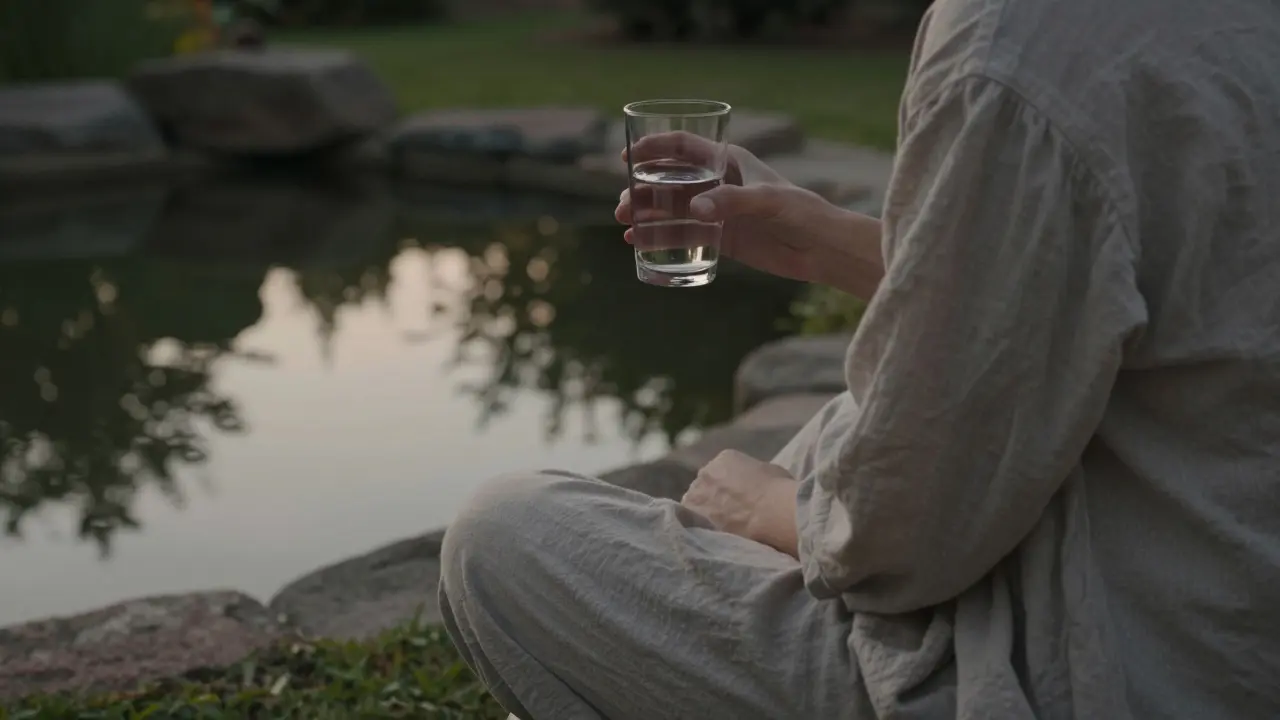
- Hydrate Aggressively: Massage releases toxins from muscle tissue into the bloodstream. Water helps your kidneys filter them out. Drink at least two liters of water today.
- Avoid Strenuous Activity: Give your muscles 24 hours to recover. No heavy lifting or intense cardio immediately after.
- Take a Warm Bath: If you feel stiff later, a warm Epsom salt bath can extend the relaxing effects.
- Listen to Your Body: Soreness is normal, but sharp pain is not. If you’re hurting, rest. If you feel energized, enjoy it.
Many people make the mistake of scheduling a big workout the same day as their massage. Don’t do that. Treat the massage as part of your recovery, not a pre-game ritual.
Cost and Frequency
Stone therapy is generally priced higher than a standard Swedish massage due to the equipment and time required. In cities like Perth, expect to pay between $100 and $150 AUD for a 60-minute session. Luxury spas may charge more.
How often should you go? For chronic pain, weekly or bi-weekly sessions initially, then tapering off to monthly maintenance. For general wellness, once a month is sufficient to keep stress levels manageable. Insurance rarely covers it unless prescribed by a doctor for a specific medical condition, so budget accordingly.
Is stone therapy safe for pregnant women?
Generally, yes, but with precautions. Avoid lying flat on your stomach after the first trimester. Heat should be kept moderate, and stones should not be placed on the abdomen or lower back. Always consult your obstetrician and ensure your therapist is trained in prenatal massage.
Can I get a burn from hot stones?
It is rare with a qualified therapist. Stones are tested on the therapist's inner wrist before application. If you feel burning pain, speak up immediately. Never hesitate to communicate discomfort; good therapists prefer feedback over silence.
Do I need to tip for stone therapy?
In many countries, including the US and Australia, tipping is customary for independent practitioners or spa staff. A tip of 15-20% is standard for good service. Check if the tip is included in the price at luxury resorts.
Why does stone therapy hurt less than deep tissue?
The heat relaxes the muscle fascia before pressure is applied. Additionally, the smooth surface of the stone glides over skin with less friction than dry hands or elbows, reducing the sensation of abrasion or digging.
Can I do stone therapy at home?
You can buy DIY kits, but they lack the precision and safety controls of professional equipment. Home stones are often smaller and don't retain heat as evenly. For deep therapeutic work, professional treatment is superior. At-home kits are best for mild relaxation.
About Author

Popular Posts