Thai Bodywork: Benefits, Techniques, and What to Expect
You’ve probably heard of Swedish massage. Maybe you’ve even tried deep tissue work when a knot in your shoulder wouldn’t budge. But have you ever sat on a mat while someone gently pulled your limbs into shapes that felt like a mix between a stretch and a hug? That’s Thai bodywork, a therapeutic practice rooted in ancient healing traditions. It isn’t just a relaxation technique; it’s a full-body reset that combines acupressure, assisted yoga postures, and rhythmic compression. If you’re looking to improve flexibility, relieve chronic pain, or simply escape the mental clutter of daily life, this might be exactly what your body needs right now.
What Is Thai Bodywork?
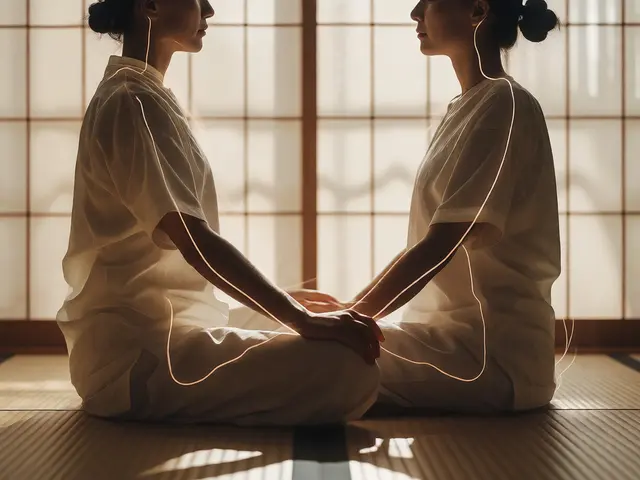
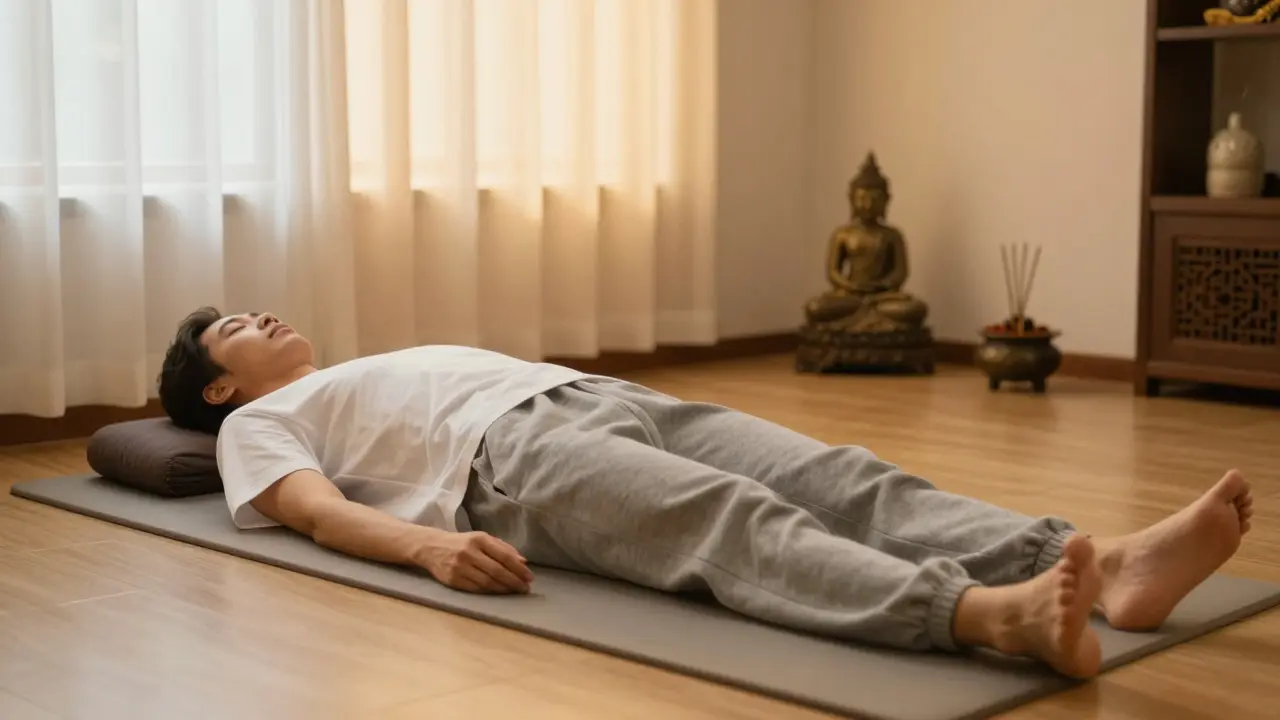
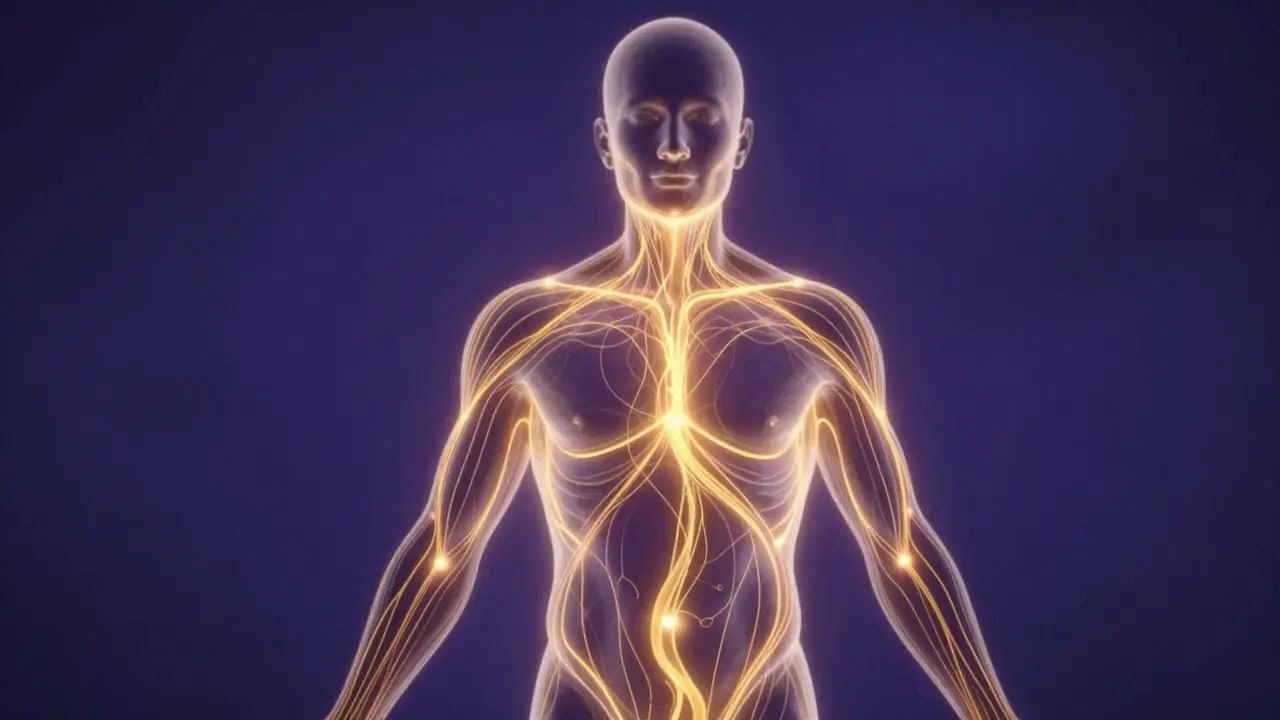
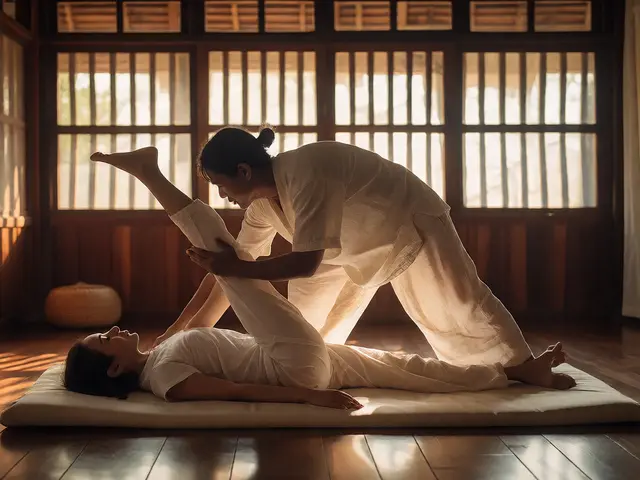
At its core, Thai bodywork is a form of manual therapy that originated in Thailand over two thousand years ago. Unlike Western massage styles where you lie face down on a table, here you remain fully clothed and lie on a firm mat on the floor. The practitioner uses their hands, thumbs, elbows, knees, and feet to apply pressure along specific energy lines known as Sen lines.
Think of these Sen lines as highways for energy flow in your body. When they get blocked-due to stress, poor posture, or injury-you experience tension, pain, or fatigue. A skilled therapist works to clear these blockages through stretching and compression. It’s often called “yoga for lazy people” because you get all the benefits of a yoga session without having to do any of the balancing or holding yourself up.
| Feature | Thai Bodywork | Swedish Massage | Deep Tissue |
|---|---|---|---|
| Clothing | Fully clothed (loose fit) | Nude under sheet | Nude under sheet |
| Surface | Floor mat | Massage table | Massage table |
| Technique | Stretching + Compression | Long strokes + kneading | Slow strokes + friction |
| Primary Goal | Energy flow & mobility | Relaxation | Pain relief & release |
The History Behind the Practice
To understand why Thai bodywork feels so different, you need to look at its origins. Most historians trace it back to Jivaka Kumar Bhaccha, the personal physician to Buddha around 600 BCE. He combined Indian Ayurvedic principles with Chinese medicine techniques to create a unique system focused on balance.
For centuries, this knowledge was passed down orally from master to student within monasteries. It wasn’t until the late 20th century that Thai bodywork gained international recognition. Today, it’s recognized by UNESCO as an Intangible Cultural Heritage of Humanity. This status highlights not just its physical benefits but also its cultural significance in promoting community health and mindfulness.
In modern settings, you’ll find therapists blending traditional methods with contemporary anatomy knowledge. They understand muscle groups and joint mechanics, allowing them to tailor stretches safely even if you’re stiff or injured. This evolution makes it accessible to everyone, from athletes recovering from training to office workers dealing with desk-bound stiffness.
How Does a Session Actually Feel?
If you’ve never experienced Thai bodywork, you might wonder what to expect. First off, don’t worry about oil or slippery sensations. You wear comfortable clothes that allow movement-think sweatpants and a t-shirt. The room is usually warm, quiet, and dimly lit to help you relax immediately.
The session starts with gentle compressions along your arms and legs to awaken your circulation. Then comes the dynamic part. Your therapist will guide you through various poses. One moment you’re lying on your back while they press into your abdomen to release internal tension. The next, they’re pulling your leg toward your head to stretch your hamstring. It can feel intense at times, especially if you’re tight, but there’s no sharp pain. Communication is key-if something hurts, say so. A good therapist adjusts instantly.
Many clients describe the feeling as deeply satisfying, like a heavy weight has been lifted off their shoulders. Afterward, you might feel slightly sore, similar to after a good workout, but mostly you’ll feel lighter and more energized than tired.
Top Health Benefits Backed by Science
While the spiritual aspects are compelling, the physical results are measurable. Research published in journals like the Journal of Bodywork and Movement Therapies shows significant improvements in several areas:
- Improved Flexibility: Regular sessions increase range of motion in joints, particularly in the hips and spine. This is crucial for preventing falls in older adults and enhancing performance in athletes.
- Pain Reduction: Studies indicate that Thai massage reduces pain levels in patients with lower back pain and neck discomfort. The combination of stretching and pressure helps break up adhesions in soft tissue.
- Better Sleep Quality: By lowering cortisol levels and increasing serotonin production, Thai bodywork promotes deeper sleep cycles. People report falling asleep faster and waking up refreshed.
- Reduced Anxiety: The rhythmic nature of the touch calms the nervous system. Heart rate variability improves, signaling a shift from fight-or-flight mode to rest-and-digest state.
These aren’t just anecdotal claims. Clinical trials have measured actual changes in blood pressure, heart rate, and self-reported mood scores before and after treatments. For those managing chronic conditions, integrating Thai bodywork into a weekly routine can complement medical care effectively.
Who Should Try Thai Bodywork?
This therapy suits almost anyone seeking relief from tension or improved mobility. However, certain groups benefit disproportionately:
- Sedentary Workers: If you sit at a desk all day, your hip flexors tighten and your shoulders hunch forward. Thai stretches open up these restricted areas, counteracting the effects of prolonged sitting.
- Athletes: Runners, cyclists, and gym-goers use it for active recovery. It flushes out lactic acid and restores flexibility without causing micro-tears in muscles.
- Stressed Individuals: High-pressure jobs take a toll on both mind and body. The meditative aspect of Thai bodywork provides a mental break, reducing burnout symptoms.
- Older Adults: Gentle modifications make it safe for seniors looking to maintain independence by keeping joints loose and balanced.
Conversely, avoid Thai bodywork if you have acute injuries like broken bones, severe osteoporosis, or recent surgeries. Always consult your doctor first if you’re pregnant or have cardiovascular issues. Some positions may not be suitable during pregnancy unless performed by a certified prenatal specialist.
Finding a Qualified Practitioner
Not all massage therapists are trained in authentic Thai bodywork. Look for certifications from reputable institutions such as the Wat Po School of Thai Traditional Medicine or equivalent bodies in your region. In the UK, check if they’re registered with the Complementary and Natural Healthcare Council (CNHC).
Ask potential therapists about their training background. Do they understand Sen lines? Can they adapt techniques for injuries? A quick consultation call can reveal whether they prioritize client safety and comfort. Avoid places that offer overly cheap rates-it often reflects lack of proper education or hygiene standards.
When booking your first appointment, arrive relaxed and hydrated. Wear loose clothing and avoid eating a heavy meal beforehand. Be honest about any existing pain points so the therapist can focus attention where you need it most.
Integrating Thai Principles Into Daily Life
You don’t need a professional session every day to reap benefits. Many Thai stretches can be done independently. Start simple:
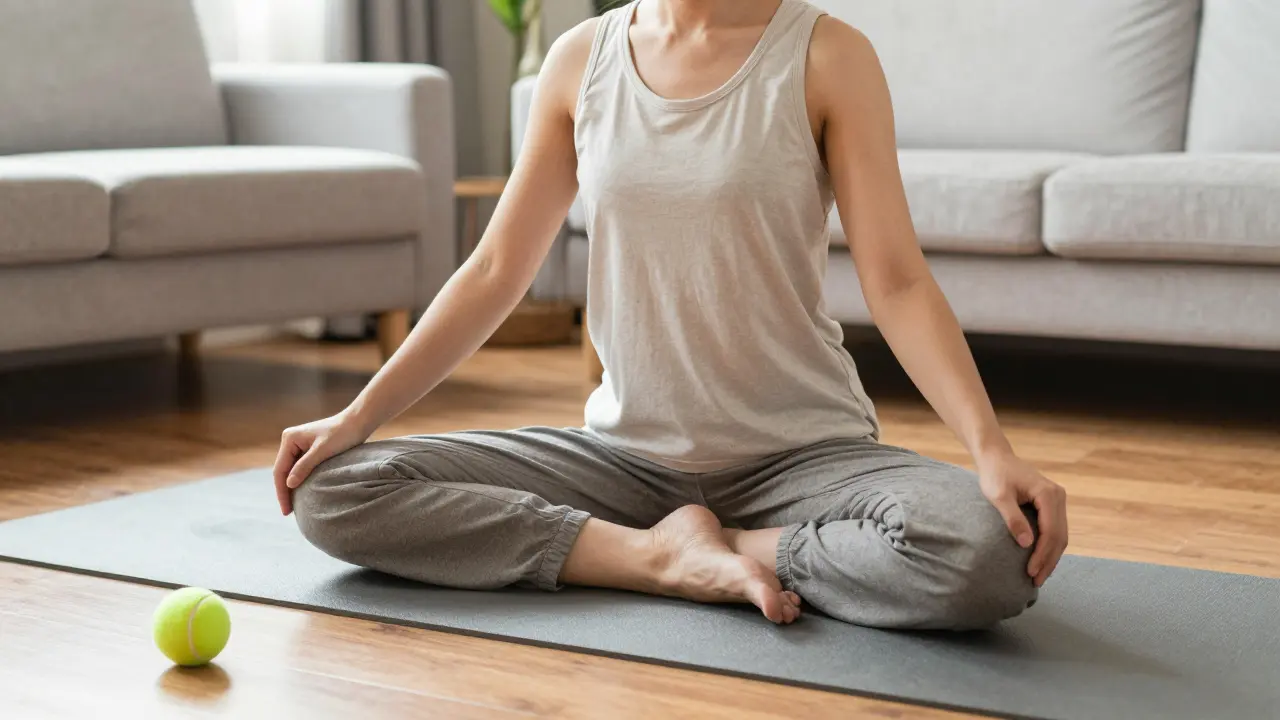
- Seated Spinal Twist: Sit cross-legged, place one hand behind you, and twist gently toward the opposite knee. Hold for 30 seconds per side.
- Hamstring Stretch: Lie on your back, lift one leg straight up, and hold it with both hands. Keep the other foot flat on the floor.
- Self-Compression: Use a tennis ball against a wall to roll out tight spots in your upper back or glutes.
Combine these movements with mindful breathing. Inhale deeply through your nose, exhale slowly through your mouth. This activates the parasympathetic nervous system, enhancing relaxation even during solo practice.
Is Thai bodywork painful?
It shouldn’t be painful. While some stretches may feel intense, especially if you’re stiff, a qualified therapist will adjust pressure based on your feedback. Discomfort should never exceed a manageable level.
How often should I get Thai bodywork?
For general wellness, once a month is sufficient. If you’re dealing with chronic pain or high stress, consider bi-weekly sessions initially, then taper off as symptoms improve.
Do I need to remove my clothes?
No. You stay fully clothed throughout the session. Just ensure your outfit allows free movement-avoid jeans or restrictive belts.
Can Thai bodywork help with anxiety?
Yes. The combination of physical release and rhythmic breathing lowers cortisol levels and stimulates calming neurotransmitters, making it effective for stress management.
What’s the difference between Thai massage and Thai bodywork?
They’re essentially the same thing. “Thai bodywork” is sometimes used to emphasize the holistic, energetic approach rather than just mechanical manipulation.



About Author

Popular Posts

Sports Massage Benefits: The Ultimate Recovery Guide