
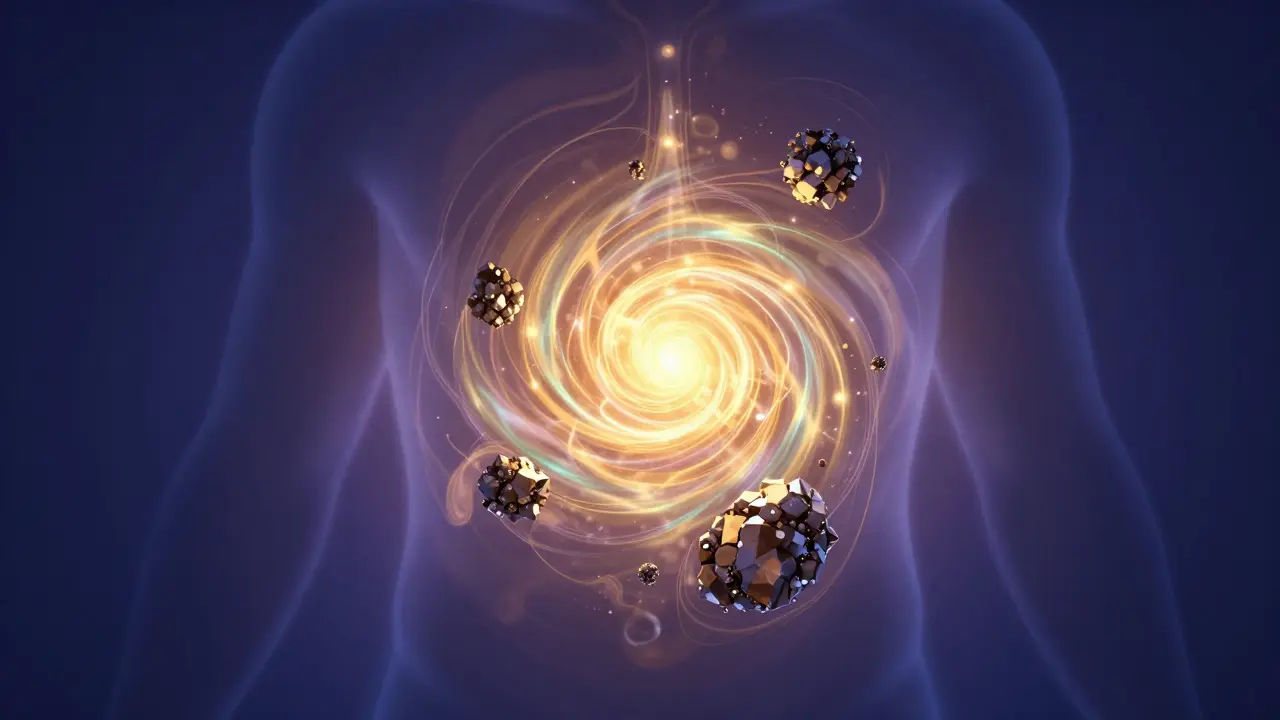
Maya Abdominal Massage: A Guide to Healing Your Core and Balancing Energy
Quick Takeaways for Your Wellness Journey
- Repositioning internal organs helps improve digestion and reproductive health.
- Emotional release often happens during treatment as the belly stores trauma.
- It is particularly beneficial for those dealing with menstrual irregularities or chronic bloating.
- The practice combines physical manipulation with spiritual intent and ancestral wisdom.
What Exactly Happens During a Maya Abdominal Massage?
When you lie down on the table, the practitioner doesn't just glide over your skin with oil. They use a technique called Visceral Manipulation, which is a manual therapy that focuses on the mobility of the internal organs to reduce pain and improve function. They are looking for "knots" or areas where the organs have shifted from their natural position due to stress, injury, or pregnancy.
The process usually starts with gentle warming of the abdomen. Then, the therapist applies firm, targeted pressure to shift the Uterus or the intestines. If you have ever felt a "heavy" sensation in your pelvis or a constant tightness in your stomach that no amount of exercise fixes, this is the specific tension being addressed. It is about creating space where there is currently congestion.
Why Your Gut is the Key to Emotional Health
Ever wonder why you get "butterflies" in your stomach when you're nervous or a "knot" when you're anxious? Your enteric nervous system, often called the second brain, is densely packed with neurons. When we experience trauma, our bodies often brace for impact by tightening the core. Over time, this chronic tension can actually physically displace your organs.
By releasing these physical holds, Maya Abdominal Massage triggers an emotional purge. It is not uncommon for clients to feel a sudden wave of sadness, anger, or relief during a session. This isn't a coincidence; it is the physical manifestation of emotional energy leaving the body. When the physical blockage is gone, the emotion that was tied to it can finally move through you and out.

Targeting Reproductive and Hormonal Balance
For many, the primary draw to this practice is its impact on the reproductive system. In Mayan tradition, a displaced uterus (known as caída) can lead to a variety of issues. While modern medicine views this differently, the physical effect of improving blood flow to the pelvic region is undeniable.
If you suffer from irregular periods, painful cramping, or difficulty conceiving, improving the circulation around the Ovaries and uterus can be a game-changer. By removing the stagnation in the abdomen, the body can more efficiently regulate hormones and move waste. It is like clearing a clogged drain; once the flow is restored, the rest of the system functions better.
| Feature | Maya Abdominal Massage | Standard Swedish Massage |
|---|---|---|
| Primary Goal | Organ repositioning & emotional release | Muscle relaxation & circulation |
| Focus Area | Abdomen and Pelvic region | Full body or specific muscle groups |
| Technique | Deep visceral manipulation | Long gliding strokes (effleurage) |
| Outcome | Hormonal balance & gut health | Reduced muscle tension & stress |
Improving Digestion and Detoxification
Your colon and small intestine are the primary engines of detoxification. When these organs are compressed or displaced, your digestion slows down. This leads to the dreaded bloat, constipation, and a general feeling of sluggishness. The targeted pressure used in this massage helps "wake up" the Vagus Nerve, which is the main component of the parasympathetic nervous system that controls digestion.
When the Vagus Nerve is stimulated, your body switches from "fight or flight" mode into "rest and digest" mode. This allows the intestines to move waste more efficiently. Many people report a significant decrease in IBS-like symptoms after a few sessions because the physical obstructions in the gut are being manually smoothed out.

Integrating Ancient Wisdom with Modern Wellness
This practice isn't just about moving organs; it is about the intersection of Holistic Health and ancestral knowledge. The Mayan healers understood that the body is a map of our life experiences. They didn't separate the mind from the belly. Today, we see this reflected in the growing research regarding the gut-brain axis.
To get the most out of this experience, it helps to pair the massage with other wellness habits. Drinking warm water with lemon after a session helps flush out the toxins released during the manipulation. Avoiding heavy, processed foods for 24 hours allows the organs to settle into their new, corrected positions without being stressed by difficult digestion.
Who Should Seek This Treatment?
While almost anyone can benefit from core release, certain people find it transformative. If you have a history of multiple pregnancies and C-sections, your abdominal wall and internal organs have undergone significant shifts. This massage can help "reclaim" your center. Similarly, people recovering from chronic stress or those who feel "disconnected" from their bodies often find that a belly-focused treatment grounds them.
However, it is not for everyone. Because of the deep pressure and the movement of organs, there are specific contraindications. You should avoid this treatment if you are currently pregnant, have a suspected abdominal aneurysm, or are dealing with acute inflammatory bowel disease (like a severe Crohn's flare-up). Always be honest with your practitioner about your medical history.
Does Maya Abdominal Massage hurt?
It can be intense. Because the therapist is working with internal organs rather than just surface muscles, you may feel a deep pressure or a "good ache." However, it should never be excruciating. A skilled practitioner will communicate with you and adjust the pressure to ensure you stay relaxed, as tension in the belly actually makes the massage less effective.
How many sessions do I need to see results?
Some people feel an immediate shift in digestion or emotional lightness after one session. However, for chronic issues like hormonal imbalances or long-term organ displacement, a series of 3 to 5 sessions is usually recommended. This allows the body to gradually adjust and integrate the changes without being overwhelmed.
Can I do this massage on myself?
You can perform gentle abdominal rubbing to help with bloating, but true Maya Abdominal Massage requires professional training. The risk of applying pressure to the wrong area or in the wrong direction is too high for a DIY approach. A trained healer knows exactly how to feel the organs and shift them safely.
Is this a spiritual practice or a physical one?
It is both. While the physical act is a form of visceral massage, the intent behind it is deeply spiritual. It is rooted in the belief that the abdomen is the center of the soul's energy. The practitioner often sets an intention for healing, making it a ritual as much as a medical treatment.
What should I wear during the session?
You will typically be draped with towels, but you'll need your abdomen fully exposed. Most people wear comfortable undergarments. Since the therapist will be working deeply into the pelvic area, wearing something you feel secure in-or opting for a disposable garment provided by the clinic-is usually the best bet.
Next Steps for Your Recovery
If you are new to this, start by finding a certified practitioner who specializes in Mayan medicine or visceral manipulation. Don't just look for a general massage therapist; look for someone who understands the specific anatomy of the pelvic floor and the gut.
After your session, prioritize hydration. The process of moving organs and releasing emotional blockages can be taxing on the lymphatic system. A warm bath with Epsom salts can also help soothe any soreness and keep the muscles relaxed. Give yourself a few hours of quiet time-avoid jumping straight back into a high-stress work environment, as the "emotional opening" that happens during the massage can leave you feeling vulnerable and in need of integration.



About Author

Popular Posts



Sports Massage Benefits: The Ultimate Recovery Guide