Feldenkrais Training: How to Move Better, Feel Lighter, and Reduce Pain
Have you ever walked into a room and immediately realized your shoulder is hiking up toward your ear? Or maybe you’ve noticed that your lower back feels stiff only after sitting in that one specific office chair? These aren’t just random quirks. They are signals from your nervous system telling you that your movement patterns have become inefficient, restricted, or painful. Most of us spend years trying to fix these issues by doing more-more stretching, more strengthening, more pushing through the discomfort. But what if the problem isn’t that you’re not doing enough? What if it’s that you’re doing too much, in the wrong way?
This is where Feldenkrais training is a method of somatic education developed by Moshe Feldenkrais that focuses on improving movement quality, reducing pain, and enhancing physical and mental performance through gentle, mindful exploration of the body. Unlike traditional exercise routines that demand repetition and intensity, this approach asks you to slow down. It invites you to notice how you move, rather than forcing your body into a shape it resists.
What Is Feldenkrais Training Really About?
To understand why this method works, we need to look at how your brain controls your body. Your central nervous system (CNS) creates a map of who you are based on sensory feedback. If you’ve had an injury, or if you’ve spent ten years hunched over a laptop, your CNS has built a map that says, “This is normal.” Even when that posture causes pain, your brain doesn’t register it as abnormal because it’s the status quo.
Somatic education is the process of learning about oneself through direct experience of the body, focusing on the relationship between mind, body, and movement. The Feldenkrais Method uses two main vehicles for this learning: Awareness Through Movement (ATM) lessons and Functional Integration (FI) sessions.
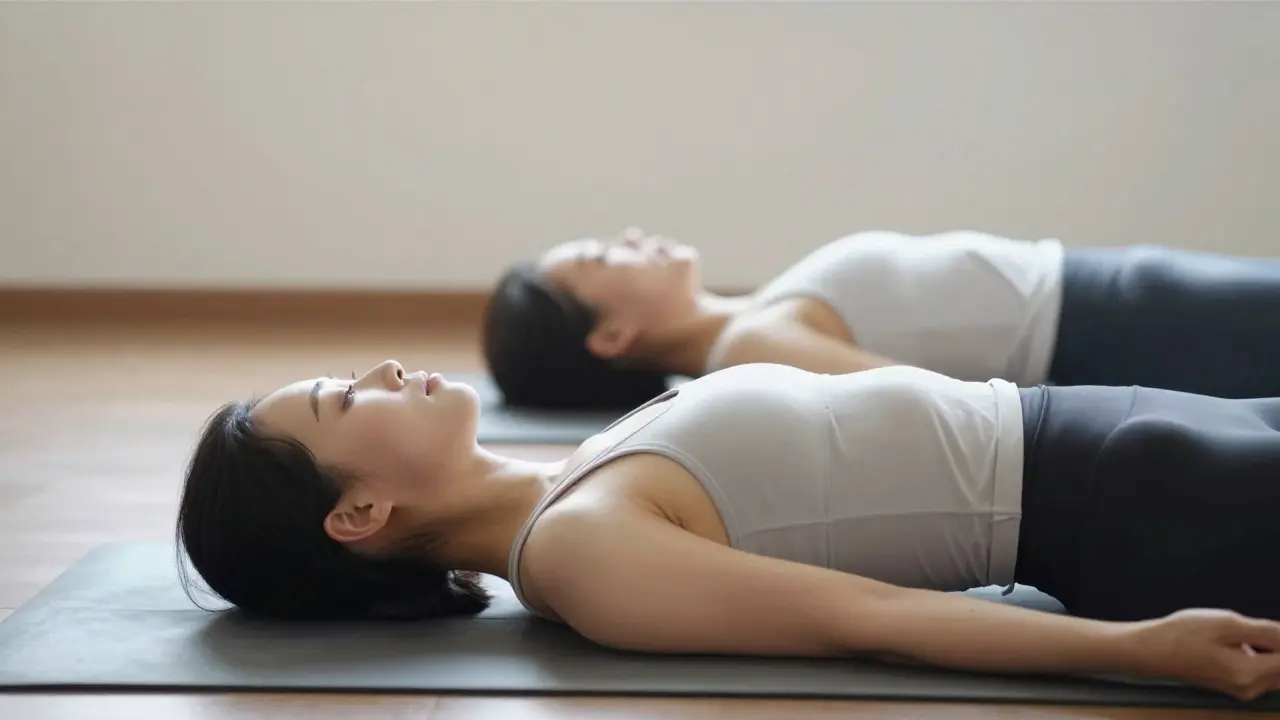
- Awareness Through Movement (ATM): These are group or self-guided lessons where you follow verbal instructions to perform simple movements slowly and with attention. You might be asked to roll your head side-to-side or lift your arm while lying on your back. The goal isn’t to stretch; it’s to discover which parts of the movement feel easy and which feel stuck.
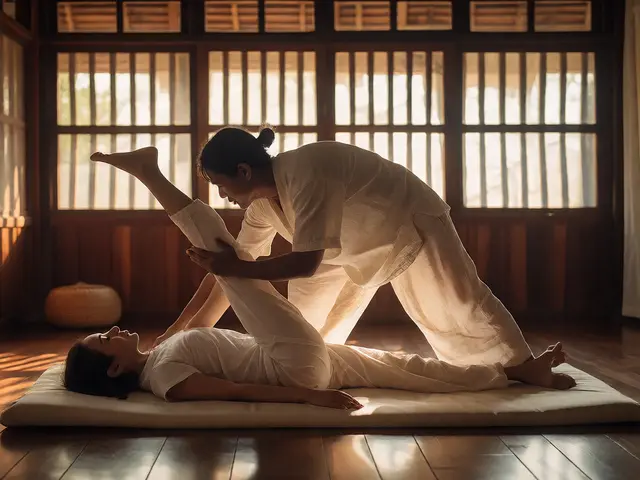
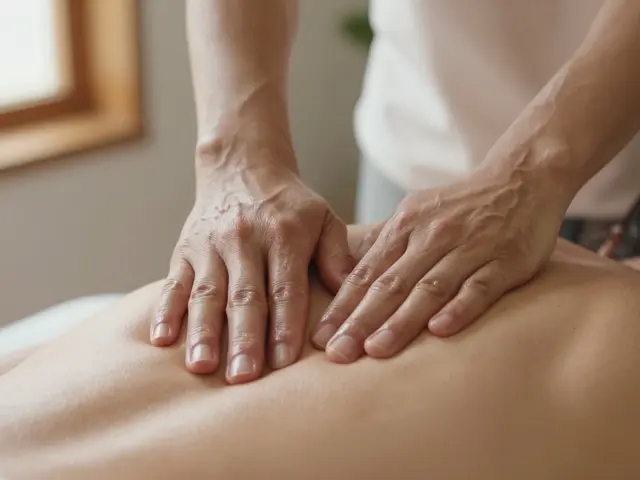
- Functional Integration (FI): This is a hands-on, personalized session with a certified practitioner. They use gentle touch to guide your movements, helping your nervous system recognize new possibilities without strain.
The core principle here is neuroplasticity-the brain’s ability to rewire itself. By introducing novel, gentle movements, you create new neural pathways. Over time, your brain updates its map, allowing for easier, more efficient movement.
Why Your Body Feels Stuck (And Why Stretching Isn’t Always the Answer)
Let’s talk about tension. When you’re stressed, do you clench your jaw? Do you hold your breath? Most people carry chronic tension in their necks, shoulders, and hips. We often treat this like a mechanical problem: “My muscle is tight, so I need to pull it open.” But muscles don’t tighten randomly. They tighten to protect you. If your pelvis is misaligned, your hip flexors will tighten to stabilize your spine. Stretching them might give temporary relief, but they’ll snap right back because the underlying pattern hasn’t changed.
Feldenkrais training addresses the root cause: the habitual movement pattern. Instead of pulling on the muscle, you teach the brain that the protection is no longer needed. You explore movement variations that allow the joint to articulate smoothly. As the brain learns that stability can come from coordination rather than contraction, the muscle relaxes naturally.
| Aspect | Traditional Exercise/Yoga | Feldenkrais Training |
|---|---|---|
| Primary Goal | Strength, flexibility, endurance | Movement efficiency, awareness, pain reduction |
| Intensity | Often high; pushes limits | Low effort; emphasizes ease and gentleness |
| Focus | External results (muscle size, range of motion) | Internal sensation (proprioception, kinesthetic awareness) |
| Approach to Pain | “No pain, no gain” or careful avoidance | Pain as information; reduces strain to eliminate pain |
| Learning Mechanism | Repetition and overload | Exploration and differentiation |
Who Actually Benefits From This Approach?
You might think this is just for dancers or athletes, but the reality is much broader. Anyone who uses their body benefits from better movement maps. Here are some common scenarios where Feldenkrais training makes a significant difference:
- Chronic Pain Sufferers: If you’ve dealt with lower back pain, sciatica, or knee issues for years without lasting relief, your nervous system may be stuck in a protective loop. Feldenkrais helps break that loop by restoring natural articulation.
- Desk Workers: Sitting all day creates a “frozen” posture. Your spine loses its ability to curve and straighten fluidly. Gentle ATM lessons can wake up your dormant muscles and improve your sitting ergonomics from the inside out.
- Musicians and Performers: Repetitive strain injuries are common. By optimizing technique and reducing unnecessary tension, musicians can play longer with less fatigue and greater expression.
- Older Adults: Balance and fall prevention are critical. Feldenkrais improves proprioception (your sense of where your body is in space), which directly enhances stability and confidence in movement.
- Athletes: While strength is important, efficiency wins races. Golfers, runners, and swimmers use this method to find smoother, more powerful strokes and strides by eliminating wasted energy.
How to Start: Practical Steps for Beginners
If you’re curious about trying this, you don’t need expensive equipment. You just need a mat and fifteen minutes. Here’s how to begin:
1. Find a Certified Practitioner Look for someone certified by the Feldenkrais Guild or International Federation of Feldenkrais Professionals. Certification requires rigorous training and supervised practice. A good practitioner will listen to your goals and tailor the session to your needs.
2. Try an Awareness Through Movement Lesson There are many free resources online. Look for lessons titled “Head Turns,” “Arm Lifts,” or “Pelvic Tilts.” Lie on your back, turn off your phone, and follow the instructions slowly. Don’t force any movement. If something hurts, stop. The key is curiosity, not achievement.
3. Notice Changes in Daily Life
4. Be Patient Neuroplasticity takes time. One session won’t cure decades of bad habits. Consistency is key. Aim for a few ATM lessons a week and occasional FI sessions for personalized guidance.
Common Misconceptions Debunked
Like any niche wellness practice, Feldenkrais gets its share of skepticism. Let’s clear up a few myths:
“It’s just relaxation.” While it feels calming, it’s active learning. Your brain is working hard to differentiate small movements. It’s cognitive work disguised as physical ease.
“It’s too slow to be effective.” Slowness allows for precision. In martial arts, beginners practice forms slowly to build muscle memory. Feldenkrais applies the same logic to everyday movement. Speed comes later, once the pattern is clean.
“I’m too old/young/injured for this.” Actually, it’s ideal for all ages and conditions. Because it’s non-invasive and adaptable, it’s safe for people with arthritis, fibromyalgia, or post-surgical recovery. The movements are modified to fit your current capacity.
The Science Behind the Sensations
Is there real evidence behind this? Yes. Research published in journals like Pain and Journal of Bodywork and Movement Therapies has shown that Feldenkrais training can reduce chronic low back pain, improve balance in older adults, and enhance motor control in stroke patients. The mechanism is linked to improved proprioceptive acuity and reduced cortical inhibition. In simpler terms, your brain becomes better at sensing your body and controlling it with less effort.
One study found that participants who underwent eight weeks of Feldenkrais training showed significant improvements in spinal mobility and pain scores compared to a control group. Another study highlighted enhanced gait symmetry in Parkinson’s patients. These aren’t anecdotal claims; they’re measurable outcomes.
Integrating Feldenkrais Into Your Routine
You don’t have to choose between fitness and Feldenkrais. They complement each other beautifully. Think of Feldenkrais as the software update for your body’s hardware. Before you go to the gym, spend ten minutes on an ATM lesson to warm up your nervous system. After yoga, use FI to release residual tension. Even during your workday, take a minute to scan your posture and adjust gently.
The beauty of this method is that it’s portable. Once you learn to notice your movement, you can apply it anywhere. Standing in line? Check your weight distribution. Typing? Relax your shoulders. Walking the dog? Feel your feet connect with the ground. It turns mundane moments into opportunities for growth.
How long does it take to see results from Feldenkrais training?
Many people report feeling lighter or more relaxed after just one session. However, lasting changes in movement patterns and pain reduction typically require consistent practice over several weeks or months. Neuroplasticity is a gradual process, so patience and regular engagement are key.
Do I need to be flexible to start Feldenkrais?
Not at all. Feldenkrais meets you where you are. The movements are designed to be accessible regardless of your current level of flexibility or strength. In fact, increasing flexibility is often a result of the training, not a prerequisite.
Is Feldenkrais suitable for people with chronic pain?
Yes, it is widely used for managing chronic pain conditions such as lower back pain, fibromyalgia, and arthritis. Because it focuses on reducing strain and improving movement efficiency, it can help alleviate pain without aggravating sensitive areas. Always consult with your healthcare provider before starting any new therapy.
What is the difference between Feldenkrais and Alexander Technique?
Both are somatic practices aimed at improving movement and posture. The Alexander Technique focuses more on inhibiting harmful habits and directing the head-neck-back relationship. Feldenkrais emphasizes exploring varied movements to discover new, easier ways of moving. They are complementary and often used together.
Can I learn Feldenkrais on my own?
You can practice Awareness Through Movement (ATM) lessons independently using books, videos, or apps. However, Functional Integration (FI) requires a certified practitioner for hands-on guidance. Combining both approaches yields the best results.


About Author