Healing Touch Therapy: Benefits, Techniques, and Modern Energy Medicine Guide
You've likely heard about meditation or acupuncture, but what about something that feels like a gentle conversation between hands and energy? There is a growing movement that bridges the gap between clinical care and spiritual tradition, often called Healing Toucha holistic energy healing system that combines ancient wisdom with modern scientific understanding.. It isn't just relaxation; it is a structured method used by nurses, physicians, and therapists to address physical pain and emotional blockages. If you are skeptical about invisible forces influencing health, you are not alone, yet many patients report measurable improvements in sleep, pain levels, and mood after sessions.
Understanding the Foundation of Energy Work
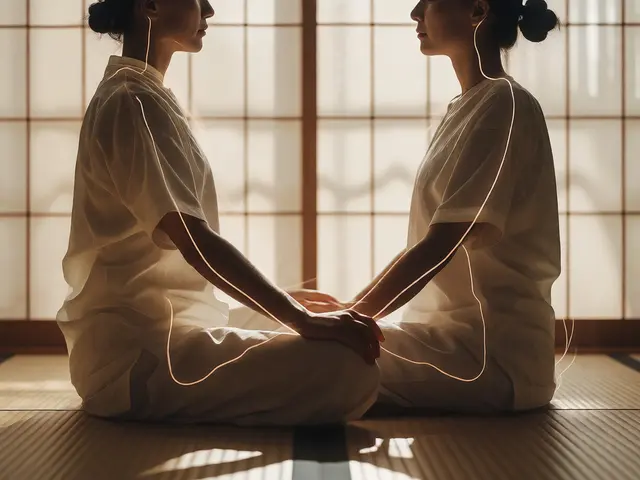
To understand how this works, we have to look away from muscle manipulation and toward the Human Energy Fielda complex web of electromagnetic forces surrounding the body.. Think of it like the aura people talk about, but grounded in practical application. Practitioners believe that when energy flow becomes stagnant, illness or discomfort follows. By moving through four levels of practice, specialists learn to sense imbalances. They might use hand movements above or lightly touching the skin to influence the Biofieldthe vital life force that permeates all living things.. This differs significantly from massage because there is no pressure involved. Instead, it relies on resonance. Studies published in journals like the Journal of Bodywork and Movement Therapies suggest that these interventions can lower cortisol levels rapidly, indicating a shift from fight-or-flight mode to rest-and-digest mode.
The Four Levels of Certification and Practice
This modality is not open to everyone without study. There is a rigorous curriculum established by the American Association of Healing Arts Sciences, ensuring safety and efficacy. Beginners usually start with Level I, focusing on grounding themselves and learning to clear their own energy before helping others. They move on to Level II to learn basic scanning techniques. By Level III, practitioners can treat specific conditions like migraines or digestive issues using directed intent. Finally, Level IV allows for advanced spiritual integration and teaching. Each level takes time. For example, a typical workshop involves weekend seminars followed by supervised hours. This structure ensures that when you walk into a clinic, the therapist isn't guessing.
What Actually Happens During a Session?
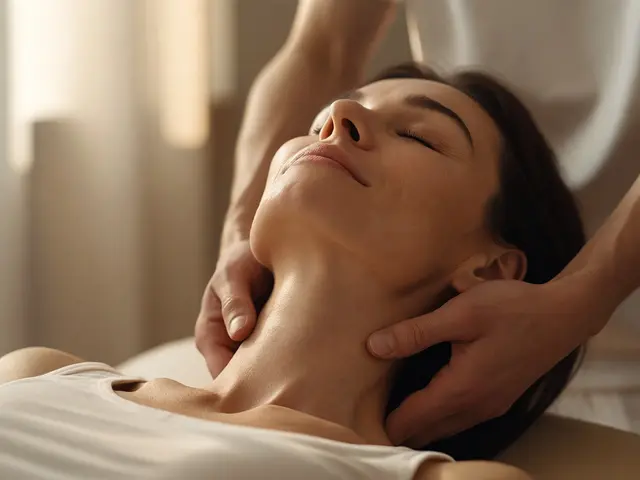
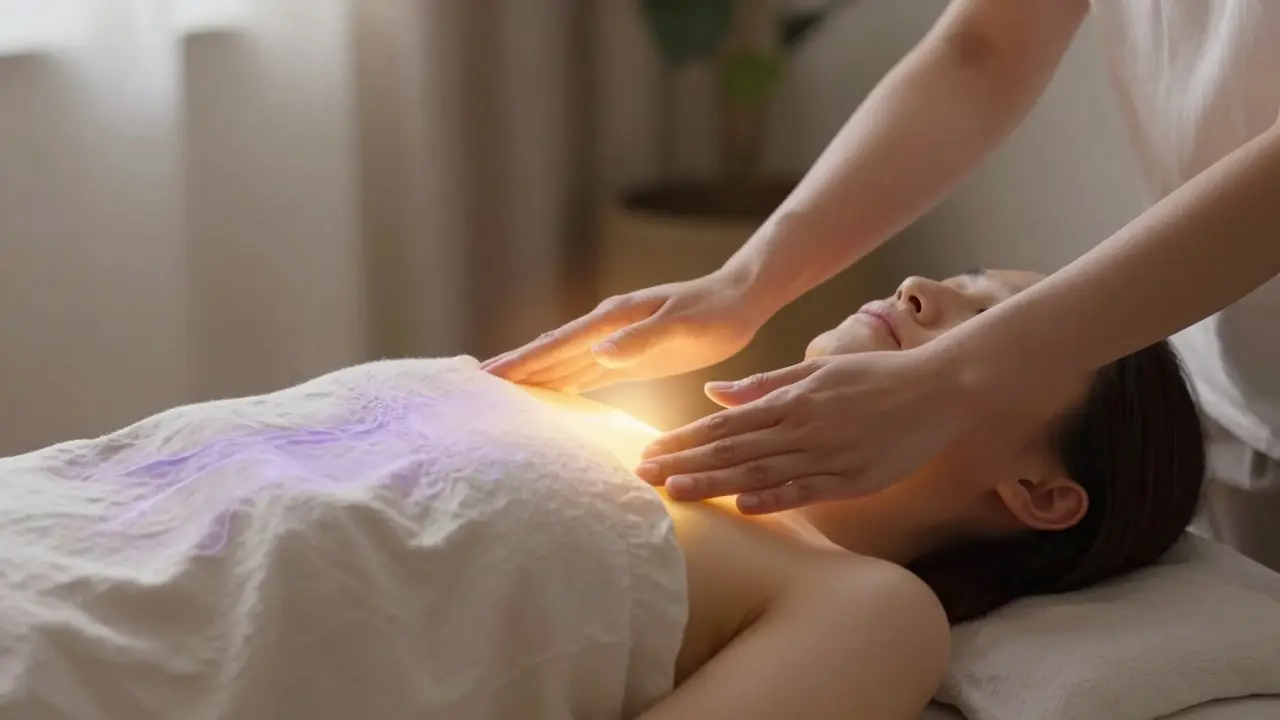
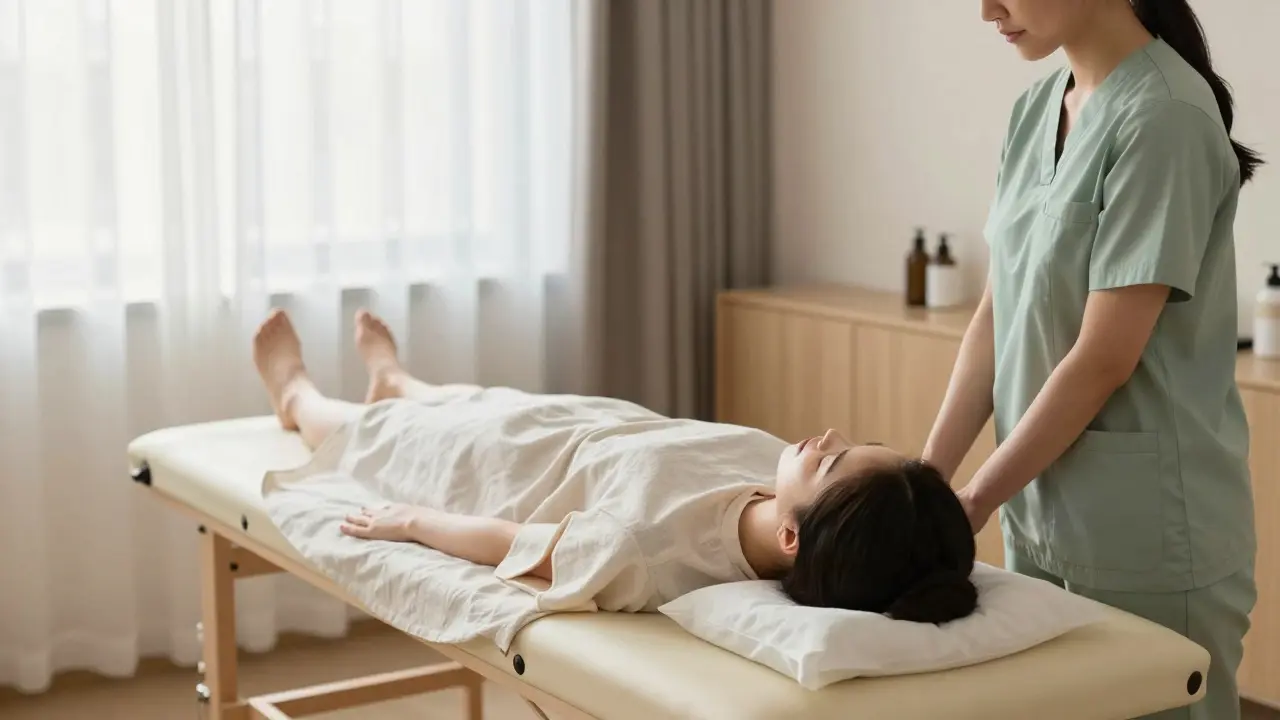
If you book an appointment today, you won't undergo anything invasive. You will remain fully clothed, lying on a padded table. The room temperature will likely be kept comfortable, and soft music might play. The practitioner places their palms inches above your body. Sometimes they touch shoulders or knees briefly to ground the circuit. You might feel warmth, tingling, or simply deep stillness. Some people fall asleep. The session usually lasts sixty minutes. Unlike a medical exam, you do not need to explain your symptoms in detail beforehand. The practitioner scans the biofield to find where tension holds.
Common Applications and Clinical Benefits
Hospitals and palliative care centers increasingly incorporate this approach. Why? Because conventional medicine often misses the stress component of healing. For someone managing Chronic Painpersistent pain lasting longer than three months., reducing tension in the energy field correlates with lower pain perception. Patients undergoing chemotherapy often use these sessions to manage nausea and fatigue. Mental health professionals note reductions in anxiety markers after regular treatment. In oncology settings, it is strictly supportive and never claims to cure disease, but it improves quality of life metrics significantly.
| Modality | Primary Technique | Typical Setting | Touch Required |
|---|---|---|---|
| Reiki | Channeling universal energy | Clinic or Home | Yes (Light) |
| Massage Therapy | Manual tissue manipulation | Spa or Clinic | Yes (Deep/Light) |
| Healing Touch | Structuring the biofield | Hospital or Wellness Center | Optional |
| Acupuncture | Needle insertion in meridians | Medical Office | No (Needles) |
Differentiating Energy Medicine from Traditional Care
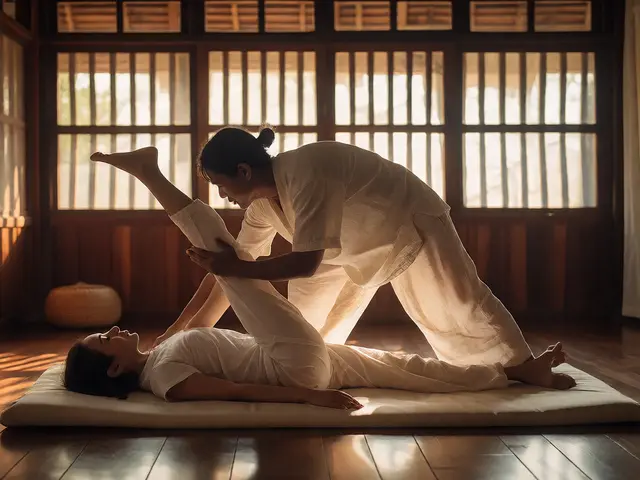
It is easy to confuse this with other treatments, especially given the rising popularity of alternative therapies. While Reikia Japanese energy healing technique developed in the early 20th century. shares similarities in intention, Healing Touch integrates Western anatomical knowledge with Eastern philosophy. This hybrid approach appeals to clinicians who need evidence-based frameworks. Acupuncture, on the other hand, involves needles and targets specific meridians defined in Traditional Chinese Medicine. Massage focuses on muscle tissue directly. None of these overlap perfectly. Choosing the right one depends on whether you need mechanical release, needle stimulation, or energetic balancing.

Integrating Into Your Personal Wellness Routine
You don't have to be sick to benefit from this work. Many executives use quarterly sessions to prevent burnout. Students utilize it before exam seasons to stabilize focus. The technique empowers you to take charge of your internal environment. After a few visits, some practitioners teach clients self-care exercises. You might learn to place hands on your own chakras while breathing. This fosters a deeper connection between mind and body. It acts as a reset button for your nervous system. Over time, the frequency of needed sessions often decreases as your own regulation skills improve.
Finding a Qualified Practitioner
Before booking, check credentials. Look for certification from recognized bodies like the International Institute of Complementary Therapies. Verify insurance coverage; many integrative hospitals now reimburse partial costs. Ask about their specific experience with your condition. For instance, a specialist focusing on pediatric care handles children differently than geriatric patients. Reading reviews helps, but personal rapport matters most. You are vulnerable during a session, so trust is paramount. A good fit results in a feeling of safety regardless of what you experience energetically.
Safety Considerations and Contraindications
While generally safe for most populations, caution applies in certain states. If you are experiencing acute mania or psychosis, energetic work might be overwhelming. Pregnant women should consult their obstetrician before beginning, particularly regarding abdominal placements. Those with pacemakers may experience sensitivity due to electromagnetic interactions, though rare. Always communicate your full medical history. Transparency allows the practitioner to adjust intensity. There is no forced detox or side effect, unlike intense detox protocols involving diet changes. It is a gentle addition, not a replacement for necessary medication.
Does Healing Touch require removing clothes?
No, clients remain fully clothed throughout the entire session. Clothing acts as a barrier that helps practitioners scan fields without direct skin friction.
Is there scientific proof that it works?
Research shows positive outcomes in symptom management, such as reduced pain scores and lowered blood pressure, though mechanism research continues.
Can I combine this with my current medications?
Yes, it is considered complementary. However, always inform both your medical doctor and energy practitioner about all prescribed treatments.
How long does it take to see results?
Some feel immediate relaxation. Others notice cumulative benefits after three to five sessions depending on the condition severity.
Who created Healing Touch?
Dr. Joan Carter Hurd developed the formal system in the late 1980s to integrate energy medicine into nursing practice standards.



About Author
Popular Posts