
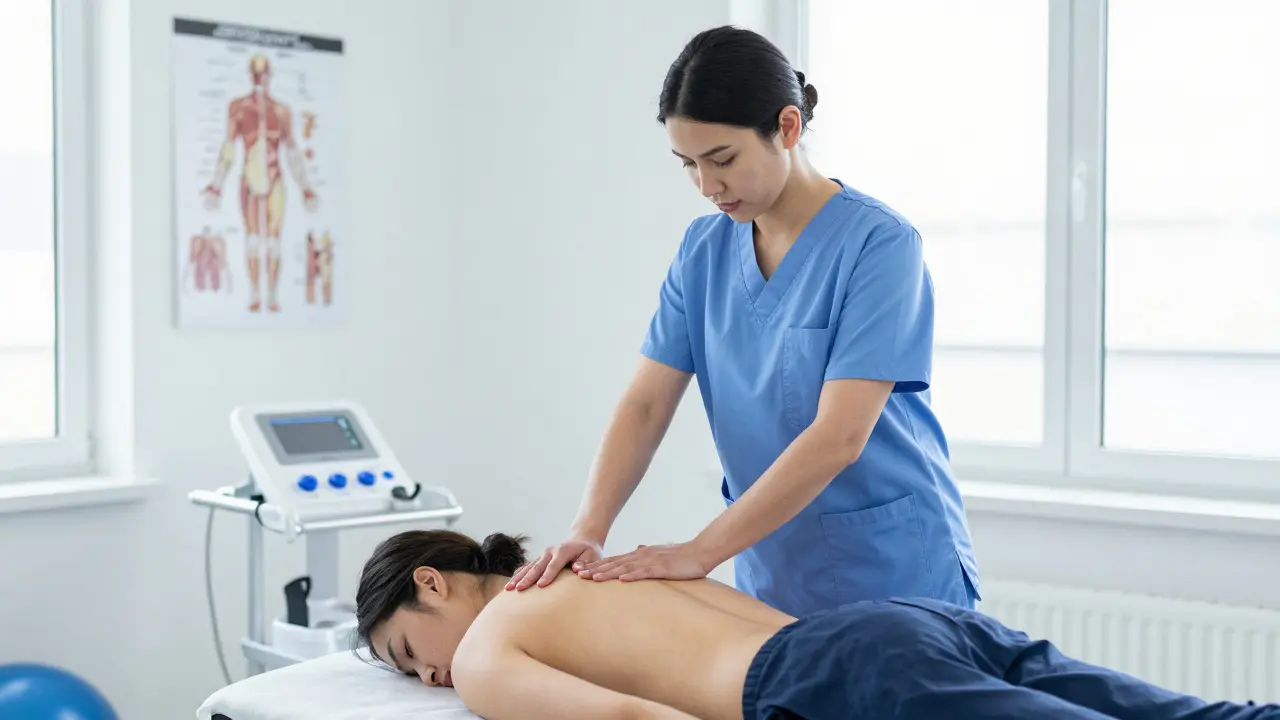
Why Everyone is Talking About Medical Massage: Benefits, Science, and How It Works
Have you ever walked out of a spa feeling relaxed but still in pain? You’re not alone. For years, we’ve been told that massage is about relaxation-dimmed lights, lavender oil, and soft music. But there’s a quiet revolution happening in clinics and physiotherapy centers across the UK and beyond. It’s called medical massage, and it’s changing how we treat pain, recover from injuries, and manage chronic conditions.
Unlike traditional spa treatments, medical massage isn’t designed to make you sleepy. It’s targeted, therapeutic, and often uncomfortable at first. Yet, more people are talking about it because it actually works for specific physical problems. From athletes recovering from sprains to office workers battling neck tension, this approach is gaining traction fast. Let’s break down why it’s becoming such a big deal and whether it’s right for you.
What Exactly Is Medical Massage?
Medical massage is a specialized form of manual therapy focused on diagnosing and treating specific musculoskeletal issues rather than providing general relaxation. While a standard Swedish massage might glide over your entire back with light pressure, medical massage zeroes in on problem areas like tight hip flexors, scar tissue from old injuries, or trigger points causing referred pain.
The key difference lies in intent. A wellness massage aims to reduce stress; a medical massage aims to restore function. Therapists using this method often work alongside doctors, physiotherapists, and chiropractors. They use techniques like deep tissue manipulation, myofascial release, and neuromuscular therapy to address the root cause of discomfort.
In the UK, this practice is increasingly recognized within integrative healthcare settings. The Chartered Society of Physiotherapy (CSP) acknowledges manual therapy as a valid adjunct to conventional treatment plans. This professional backing has helped shift public perception from "luxury" to "necessity" for many patients.
The Science Behind the Hype
Why is everyone suddenly interested? Because the evidence supports it. Research published in journals like *Pain Medicine* and the *Journal of Bodywork and Movement Therapies* shows that targeted massage can significantly reduce muscle stiffness, improve range of motion, and accelerate healing times.
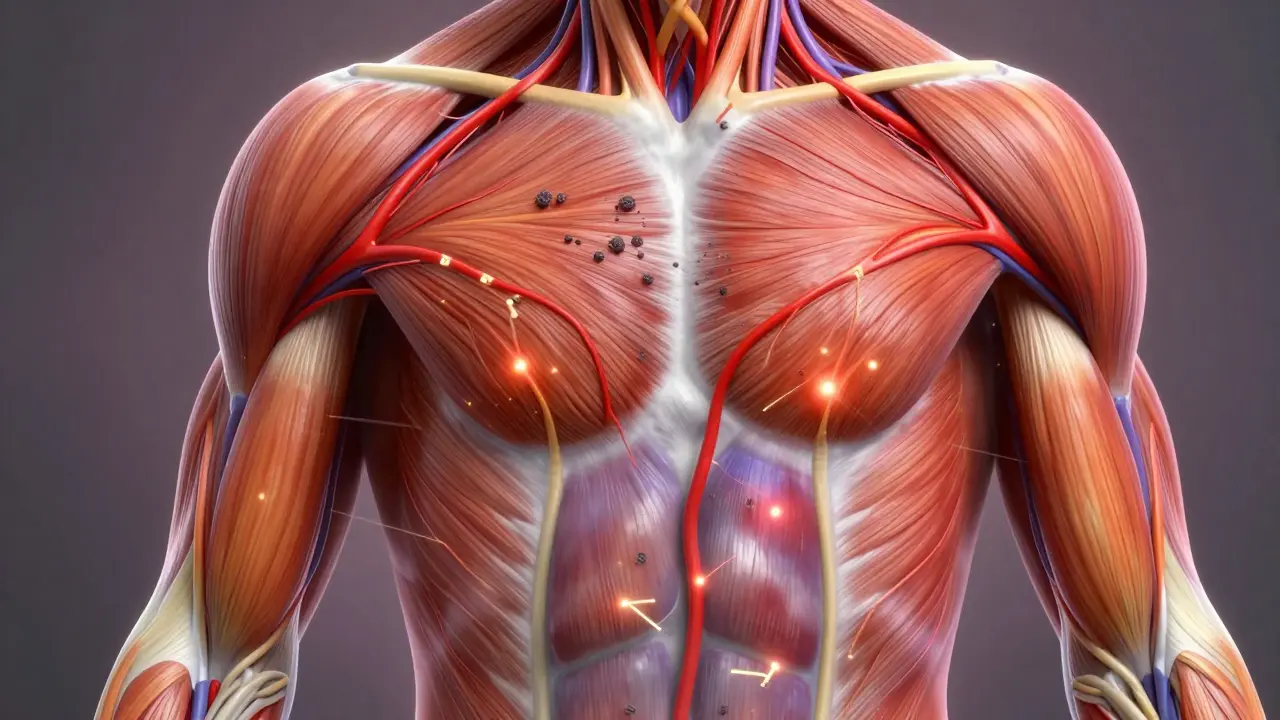
One major factor is blood flow. When therapists apply sustained pressure to restricted areas, they encourage circulation to tissues that may have been starved of oxygen due to poor posture or injury. This helps flush out metabolic waste products like lactic acid and brings in nutrients needed for repair.
Another critical element is the nervous system response. Chronic pain often keeps muscles in a state of constant contraction-a protective mechanism gone wrong. Medical massage interrupts this cycle by stimulating mechanoreceptors in the skin and deeper tissues. This sends signals to the brain to relax those muscles, effectively resetting the body’s alarm system.
| Feature | Traditional Spa Massage | Medical Massage |
|---|---|---|
| Primary Goal | Relaxation & Stress Relief | Pain Reduction & Functional Improvement |
| Technique Focus | Full-body, gentle strokes | Targeted, deep tissue work on specific areas |
| Practitioner Training | General massage certification | Specialized training in anatomy, pathology, and clinical assessment |
| Session Environment | Calm, aromatic, dim lighting | Clinical, bright, focused on communication |
| Insurance Coverage | Rarely covered | Sometimes covered if prescribed by a doctor |
Who Actually Needs Medical Massage?
You don’t need an Olympic medal to benefit from this type of therapy. In fact, some of the biggest advocates are everyday people dealing with common ailments. Here are the groups seeing the most success:
- Office Workers: Hours spent hunched over keyboards lead to "tech neck" and rounded shoulders. Medical massage releases the pectoral muscles and strengthens weak upper back stabilizers through manual stretching.
- Athletes: Whether you run marathons or play weekend soccer, repetitive strain causes micro-tears. Targeted work speeds up recovery between games and prevents minor niggles from becoming serious injuries.
- Post-Surgical Patients: Scar tissue forms after any incision, restricting movement. Techniques like cross-friction massage help align collagen fibers so the skin moves naturally again.
- Chronic Pain Sufferers: Conditions like fibromyalgia or arthritis involve widespread sensitivity. Gentle myofascial release can desensitize nerve endings without aggravating inflammation.
If your GP has suggested physiotherapy but you’re hesitant about exercises alone, combining it with medical massage often yields faster results. Think of it as preparing the soil before planting seeds-the massage loosens restrictions so your body can respond better to rehab protocols.
Common Techniques Used in Clinical Settings
Not all medical massage looks the same. Practitioners tailor their approach based on diagnosis. Here are three widely used methods you’ll encounter:
- Myofascial Release: Fascia is the connective tissue wrapping around every muscle. When it gets tight, it pulls on bones and limits mobility. Therapists apply slow, sustained pressure to melt away adhesions in this web-like structure.
- Trigger Point Therapy: Also known as dry needling when needles are involved, this focuses on hyperirritable spots in muscle fibers. Pressing these knots directly reduces referred pain elsewhere in the body-for example, a knot in your shoulder blade causing headaches.
- Neuromuscular Technique: This combines anatomical knowledge with palpation skills to identify imbalances. If one side of your pelvis sits higher than the other, the therapist will work both the tight muscles pulling it up and the weak ones failing to support it.
These aren’t random guesses. Each technique addresses a physiological mechanism. Understanding which one fits your issue helps you communicate clearly with your provider during consultations.
Finding a Qualified Practitioner in the UK
Here’s where things get tricky. Anyone can call themselves a "massage therapist," but not all have the training required for medical-grade work. In Portsmouth and throughout the UK, look for credentials from recognized bodies such as:
- The Federation of Holistic Therapists (FHT)
- The Complementary and Natural Healthcare Council (CNHC)
- The British Association for Counselling and Psychotherapy (BACP) - though less relevant for physical therapy
Ask potential therapists about their continuing education. Do they study anatomy regularly? Have they completed courses in orthopedic assessment? A good practitioner will welcome these questions and explain their reasoning behind each session plan.
Beware of red flags: promises of instant cures, refusal to discuss your medical history, or lack of insurance coverage. Legitimate medical massage providers operate transparently and collaborate with other health professionals when necessary.

What to Expect During Your First Session
Your initial visit won’t feel like a typical spa experience. Instead, expect a thorough intake process similar to seeing a physiotherapist. You’ll discuss your symptoms, past injuries, surgeries, and current medications. Be honest-even seemingly unrelated details matter.
The therapist may perform simple tests to check flexibility, strength, and alignment. Then comes the hands-on portion. Don’t be surprised if certain areas hurt initially. Discomfort doesn’t mean damage-it means the tissue is reacting. However, sharp or shooting pain should always be communicated immediately.
Afterward, drink plenty of water. Your body needs hydration to process released toxins and maintain new tissue elasticity. Some soreness for 24-48 hours is normal, akin to post-workout fatigue. Ice packs can help if inflammation flares up.
Is It Worth the Investment?
Cost varies depending on location and expertise. In cities like London or Manchester, sessions might range from £60 to £90 per hour. Smaller towns like Portsmouth often offer rates closer to £45-£60. Many private health insurers cover part of the cost if referred by a doctor.
Consider long-term value. Fewer trips to the GP, reduced reliance on painkillers, and improved quality of life add up quickly. Plus, preventing future injuries saves money compared to emergency care later.
Start small. Book one session to assess compatibility and effectiveness. If you notice genuine improvement in mobility or pain levels, commit to a short course of three to five appointments spaced weekly apart. Consistency matters more than intensity.
How is medical massage different from deep tissue massage?
While both involve firm pressure, medical massage is diagnostic and goal-oriented. Deep tissue massage targets chronic muscular tension broadly, whereas medical massage identifies specific dysfunctions linked to posture, injury, or disease and treats them systematically.
Can I do medical massage at home?
Self-massage tools like foam rollers or massage guns provide temporary relief but lack precision. True medical massage requires trained hands to detect subtle tissue changes and adjust pressure dynamically. Home care complements professional sessions but shouldn’t replace them entirely.
Are there risks associated with medical massage?
When performed correctly, risks are minimal. Contraindications include acute fractures, severe osteoporosis, blood clots, and open wounds. Always disclose full medical history beforehand. Unqualified practitioners could worsen existing conditions through improper technique.
Does NHS cover medical massage?
Generally no. The NHS funds physiotherapy services which may include manual therapy elements, but standalone medical massage is considered complementary medicine and usually paid privately. Check with your local Integrated Care Board for exceptions related to specific chronic conditions.
How many sessions do I typically need?
Acute injuries often resolve within 3-5 sessions. Chronic issues may require monthly maintenance after initial intensive treatment. Your therapist will set realistic milestones and reassess progress regularly to avoid unnecessary spending.


About Author

Popular Posts


Sports Massage Benefits: The Ultimate Recovery Guide