Unveiling the Mystery: The World of Asian Erotic Masseuse
There’s a lot of noise around the term "Asian erotic masseuse." Movies, online forums, and travel blogs paint it as something exotic, mysterious, or even dangerous. But what’s actually happening behind closed doors in spas across Thailand, Japan, or Malaysia? The truth is simpler-and far more complicated-than the myths suggest.
What Exactly Is an Erotic Massage?
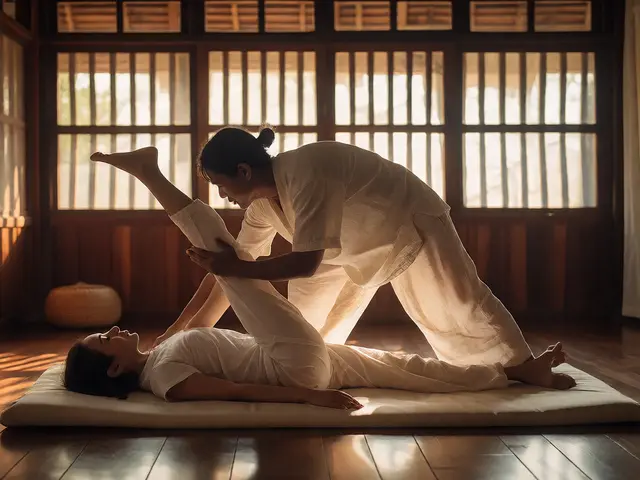
An erotic massage isn’t just about touch. It’s a blend of physical relaxation, emotional intimacy, and sensual stimulation. Unlike a standard Swedish or deep tissue massage, it often includes slow, deliberate strokes that target erogenous zones, with the intent of arousing pleasure rather than relieving muscle tension. In many Asian countries, this form of massage has deep cultural roots. In Thailand, for example, traditional Thai massage evolved from Buddhist healing practices and was once performed in temples. Over time, some practitioners began incorporating more sensual elements to meet demand, especially in tourist-heavy areas like Bangkok or Pattaya.
But here’s the catch: not all erotic massages are the same. In Japan, "tantra massage" is sometimes offered as a form of energy work, focusing on chakras and breath. In parts of Indonesia, it’s tied to ancient rituals meant to restore balance. Meanwhile, in places like Manila or Kuala Lumpur, it’s often marketed as a "full body relaxation" service-with unspoken expectations.
The Cultural Divide
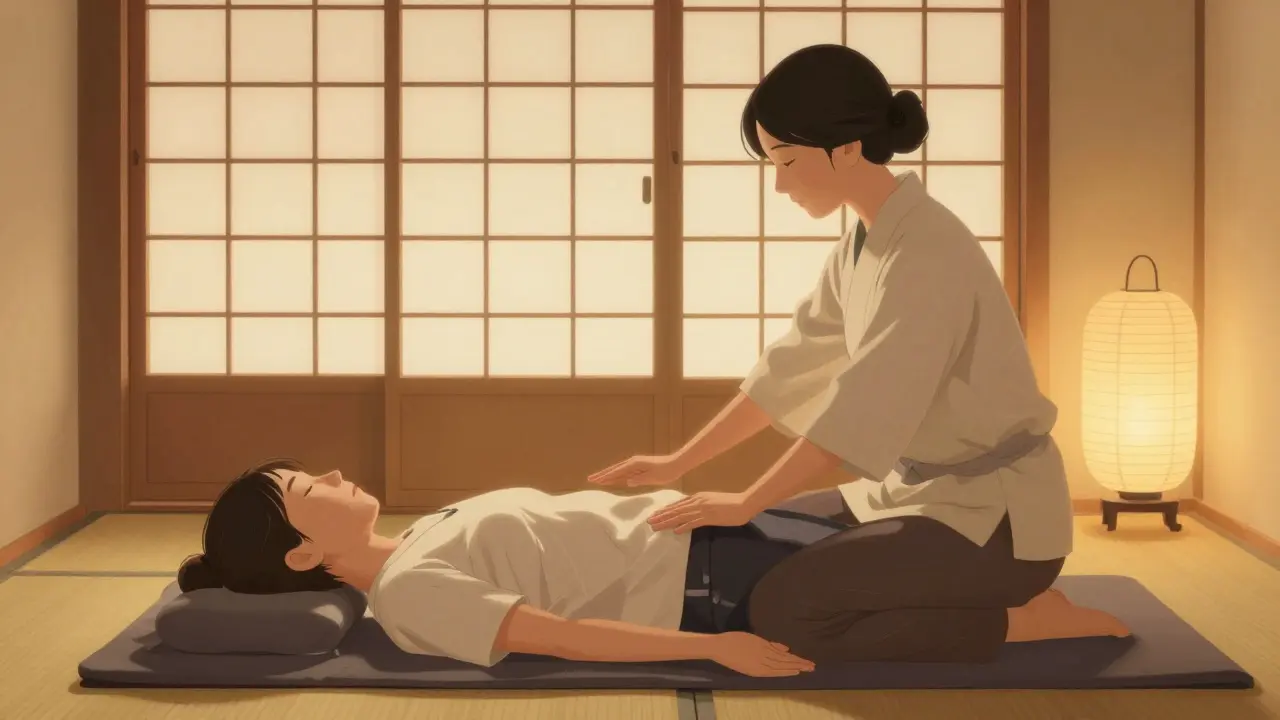
Westerners often assume that erotic massage in Asia is always sexual. But in many Asian cultures, sexuality and spirituality are not separated the way they are in the U.S. or Europe. A massage that feels sensual to one person might be seen as purely therapeutic by another. In Thailand, for instance, many massage therapists are trained to maintain strict professional boundaries. They may use light oils, slow movements, and gentle pressure to induce deep relaxation-not arousal. The line between therapeutic and erotic is often drawn by the client’s expectations, not the service itself.
Yet tourism has changed everything. In cities where massage parlors are abundant, some businesses exploit the stereotype. They advertise "happy endings," "special services," or "private sessions"-terms that are rarely used in local language. The result? A distorted version of a practice that once had spiritual meaning.
Legal Gray Zones
The legality of erotic massage varies wildly. In Japan, any massage that involves genital contact is illegal under the Prostitution Prevention Law. In Thailand, while prostitution is technically illegal, erotic massage often slips through the cracks because it’s framed as "health and wellness." Police rarely raid establishments unless complaints are filed. In Singapore, the laws are strict: any sexual contact during a massage is a criminal offense, and licenses are revoked for violations.
Even in places where it’s technically legal, ethical concerns remain. Many workers-especially women from rural areas or migrant communities-are underpaid, overworked, and lack legal protections. Some are forced into the industry due to economic hardship. Others enter willingly, seeing it as one of the few ways to earn a decent income in a region where wages are low and opportunities are limited.
What You Might Not Realize
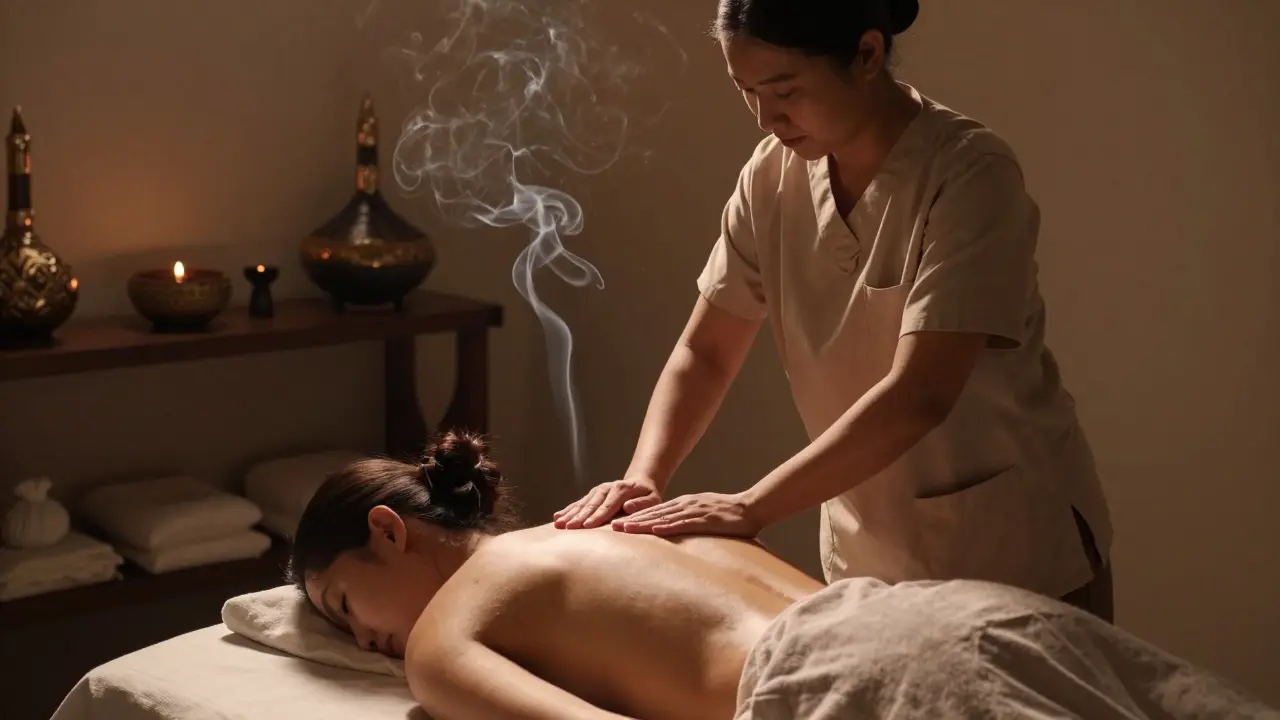
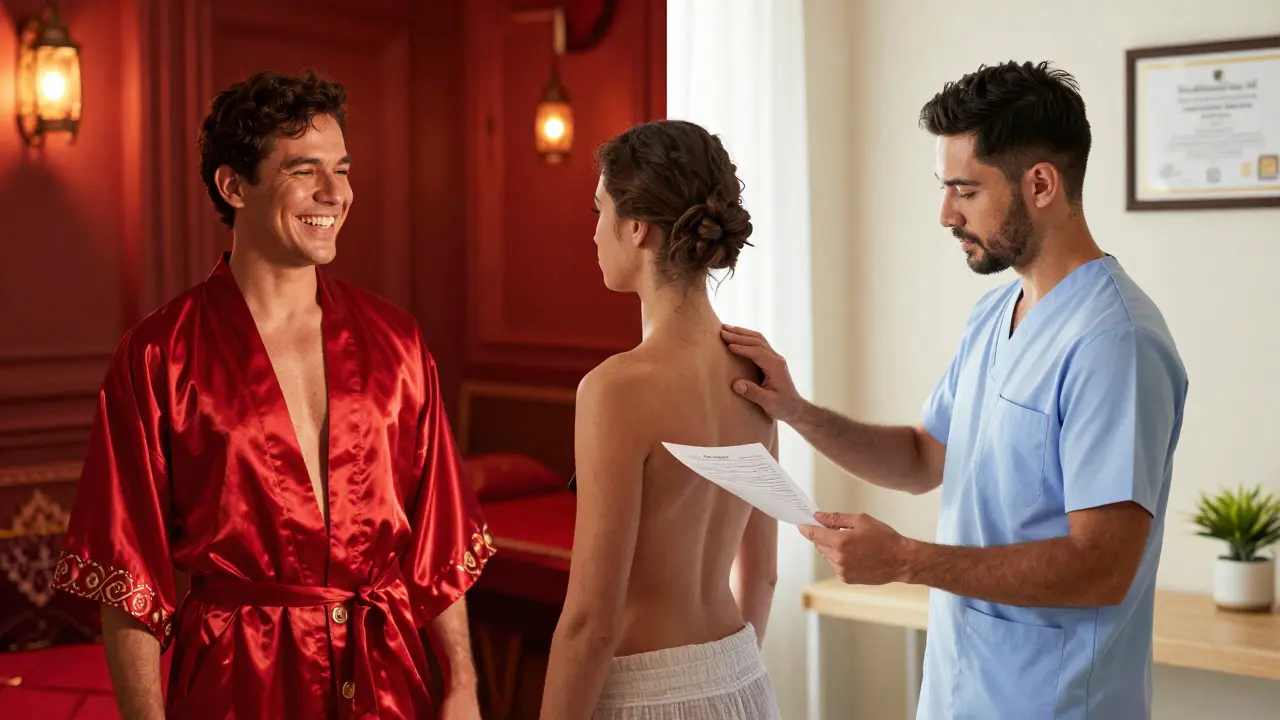
If you’ve ever booked an "Asian erotic massage" online, you’ve probably seen photos of smiling women in silk robes, dim lighting, and soft music. But those images are curated. The reality? Most legitimate spas don’t use photos at all. They rely on word-of-mouth. The ones that do are often fronts for something else.
Also, the term "Asian erotic masseuse" is misleading. It lumps together vastly different cultures. A masseuse in Hanoi has a completely different training, clientele, and set of norms than one in Bali. Calling them all the same thing erases their individual identities and reduces centuries-old traditions to a tourist fantasy.
How to Navigate This World Responsibly
If you’re curious about experiencing a sensual massage in Asia, here’s how to do it without contributing to exploitation:
- Choose licensed spas. Look for places that display official certification, employ trained therapists, and list services clearly. If a place doesn’t have a website or phone number, it’s a red flag.
- Ask about training. Reputable therapists have completed formal programs-sometimes lasting years. They know anatomy, pressure points, and hygiene standards.
- Respect boundaries. Never assume consent. If a therapist doesn’t initiate physical contact beyond the shoulders or back, don’t push for more. A good therapist will make you feel comfortable without crossing lines.
- Pay fairly. In Thailand, a 90-minute massage costs between 800-1,500 baht ($20-40). If a place charges $50 for a "special" session, it’s likely a trap.
- Don’t romanticize. This isn’t a fantasy. It’s work. Treat the person offering the service with dignity, not desire.
The Bigger Picture
Beneath the surface of this topic lies a deeper issue: how the West consumes and misrepresents non-Western cultures. The idea of the "exotic Asian masseuse" is a stereotype built on colonial fantasies. It reduces real people to objects of curiosity or desire. And it ignores the fact that many of these workers are mothers, students, or survivors who chose this path out of necessity-not because they’re part of some mysterious tradition.
True wellness doesn’t come from mystery. It comes from respect. From understanding. From seeing the person behind the service.
There’s nothing wrong with wanting relaxation, pleasure, or connection. But those things don’t require fantasy. They require honesty.
What’s Really Happening in the Industry Today?
More Asian massage schools are now teaching ethics alongside technique. In Chiang Mai, a nonprofit called Thai Wellness Collective is a network of certified massage schools and therapists promoting ethical practices and fair wages has trained over 2,000 therapists since 2020. They refuse to work with tourist-heavy spas that promise "happy endings." Instead, they focus on healing trauma, stress relief, and holistic health.
In Japan, a growing movement called "Kokoro Massage" (meaning "heart massage") trains therapists to prioritize emotional safety over physical stimulation. Their clients report lower stress, better sleep, and improved mental clarity-not arousal.
These aren’t outliers. They’re the future.
Why This Matters Beyond the Spa
How we treat people in intimate service settings reflects how we see humanity itself. When we reduce someone to a stereotype-"Asian erotic masseuse"-we strip them of their story, their struggles, their dignity. But when we approach them as equals-with curiosity, not fantasy-we open the door to real connection.
Sexual wellness isn’t about what happens in the dark. It’s about trust, boundaries, and mutual respect. And those things don’t come from exoticizing someone. They come from seeing them.

About Author