Top Luxurious Massage Oils and Candles for Ultimate Relaxation
Ever tried to unwind after a brutal week, only to realize your "relaxing" setup feels more like a cheap motel room than a sanctuary? It’s usually the details that ruin it. A synthetic scent that gives you a headache, or an oil that leaves your skin feeling greasy rather than nourished. The difference between a five-minute stress relief and a genuine reset often comes down to quality. When you invest in luxury massage oils and high-end candles, you aren't just buying products; you're buying an experience that actually works on your nervous system.
But walking into a store or scrolling online can be overwhelming. There are hundreds of options, from generic drugstore brands to artisanal small-batch makers. How do you know which ones are worth the extra cash? And more importantly, how do you pair them correctly so they don't clash? This guide breaks down what makes these items truly luxurious, how to choose the right ones for your specific needs, and why the combination of scent and touch is the secret to deep relaxation.
What Actually Makes a Massage Oil "Luxurious"?
Let's cut through the marketing fluff. Not every expensive bottle is good. True luxury in massage oils comes down to three things: purity, absorption, and therapeutic benefit. Cheap oils often use mineral oil as a base. It sits on top of your skin, creating a barrier that feels slick but doesn't moisturize. You end up with oily sheets and a clogged pore situation later.
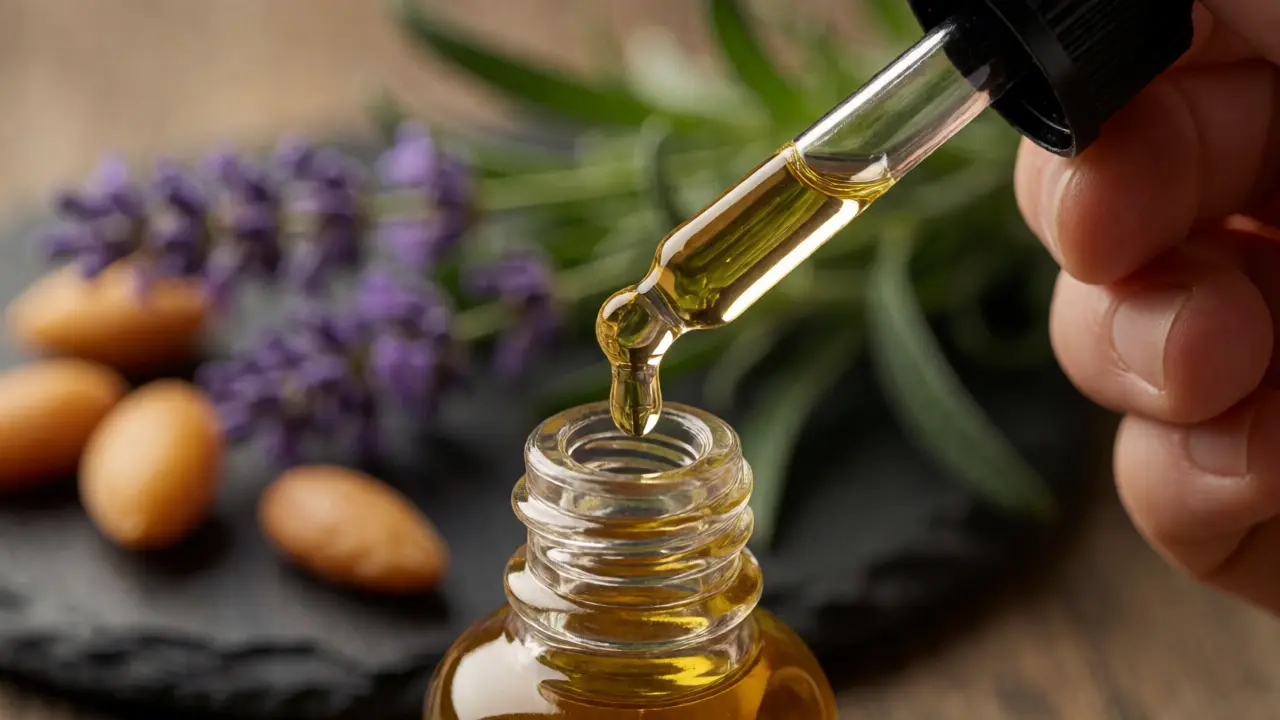
Luxury oils use plant-based carrier oils. Think Jojoba, Sweet Almond, Apricot Kernel, or Fractionated Coconut Oil. These mimic your skin's natural sebum. They absorb quickly, leaving your skin soft, not slippery. If you're looking for Jojoba Oil is a liquid wax extracted from the seeds of the jojoba shrub, known for its similarity to human sebum, you'll find it's rarely greasy. It balances oil production, making it great for all skin types.
The second factor is the essential oil blend. Luxury brands use pure essential oils, not fragrance oils. Fragrance oils are synthetic copies of scents. Essential oils are distilled from plants. Lavender from Provence smells different than lavender from Bulgaria. One might be calming; the other might be energizing. High-end brands source their ingredients ethically and transparently. They tell you exactly where the plants grew. That transparency is part of the price tag, but it ensures you're getting the real therapeutic compounds like linalool in lavender or limonene in citrus blends.
The Art of Choosing the Right Candle for Your Mood
Candles are the visual and olfactory anchor of any spa night. But here's the thing most people miss: not all candles burn the same way. Paraffin wax, the standard in many scented candles, is a petroleum byproduct. When it burns, it can release soot and subtle chemical fumes. If you have asthma or sensitivities, this matters.
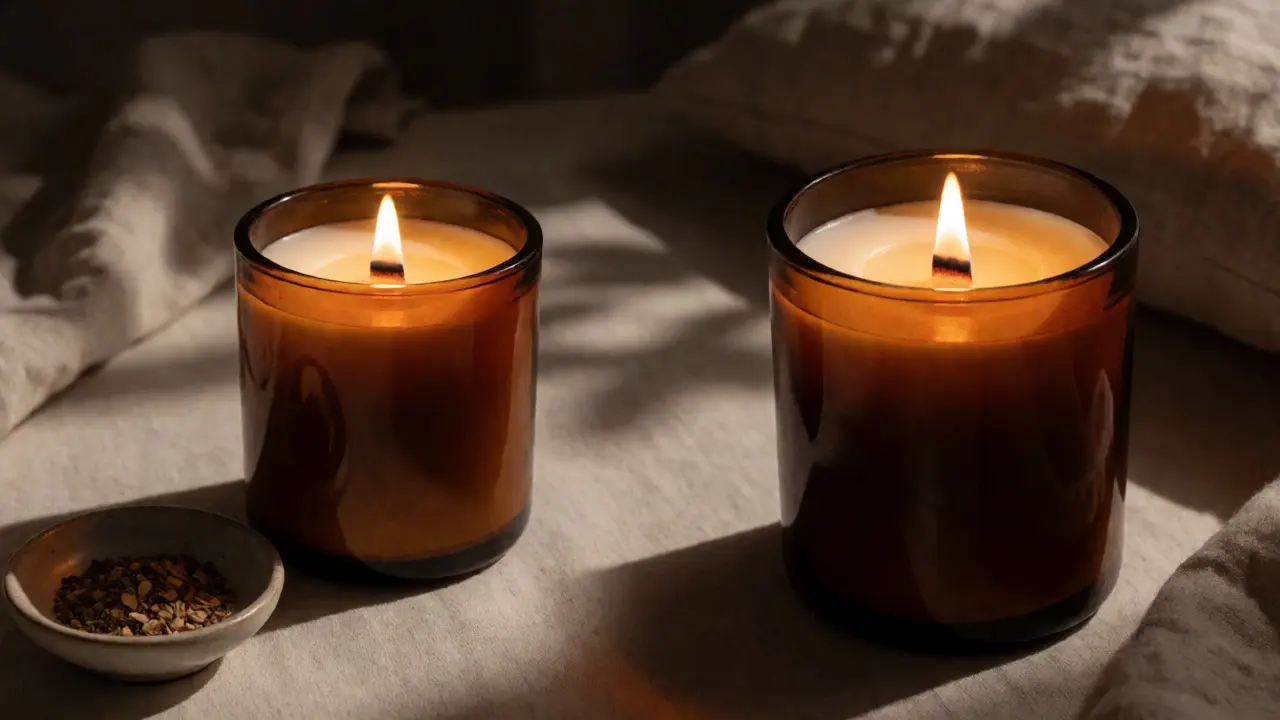
Soy Wax is a biodegradable wax made from soybean oil, known for burning cleaner and slower than paraffin. It holds scent well without overpowering the room. Beeswax is another premium option. It burns longest and naturally emits a slight honey scent while purifying the air by releasing negative ions. If you want a candle that lasts longer and smells authentic, look for soy or beeswax bases.
Then there's the wick. Cotton wicks are standard, but wooden wicks offer a unique auditory experience. They crackle softly as they burn, adding a cozy, campfire-like element to your relaxation ritual. It’s a small detail, but when you’re trying to disconnect from digital noise, that gentle sound helps ground you. Avoid metal-core wicks if possible, as they can sometimes contain trace amounts of lead or zinc, though modern regulations have improved this significantly.
Pairing Scents: Why Harmony Matters
You wouldn't wear cologne that clashes with your shampoo, right? So why mix random scents in your spa space? The key is harmony. Your massage oil and your candle should complement each other, not compete. If both are strong floral scents, the room becomes cloying. If one is spicy and the other is minty, it creates sensory confusion.
A good rule of thumb is to pick a dominant note and a supporting note. For example, if your candle has a strong Sandalwood base, choose a massage oil with lighter notes like Bergamot or Ylang-Ylang. The sandalwood provides depth and warmth, while the bergamot adds brightness. This layering creates complexity without chaos.
| Mood Goal | Candle Profile | Massage Oil Profile | Why It Works |
|---|---|---|---|
| Deep Sleep | Lavender & Vanilla | Lavender & Chamomile | Reinforces calming sedative effects without being too sweet. |
| Energize & Focus | Grapefruit & Rosemary | Peppermint & Eucalyptus | Citrus uplifts mood; menthol clears sinuses and sharpens focus. |
| Romantic Intimacy | Amber & Musk | Rose & Jasmine | Warm base notes create intimacy; floral top notes add sensuality. |
| Stress Relief | Cedarwood & Sage | Bergamot & Frankincense | Earthy woods ground anxiety; frankincense promotes meditative calm. |
Essential Ingredients to Look For (And What to Avoid)
When you flip over that beautiful bottle, read the label. Luxury isn't just about the brand name; it's about the ingredient list. Short lists are better. If you see "Parfum" or "Fragrance" listed without further explanation, it could mean hundreds of undisclosed chemicals. Transparency is a hallmark of high-quality brands.
For massage oils, look for Vitamin E. It acts as a natural preservative for the carrier oils and offers antioxidant benefits for your skin. Avoid products with parabens, phthalates, or synthetic dyes. Dyes serve no functional purpose in a massage oil-they just make it look pretty in the bottle. On your skin, they can cause irritation, especially if you have sensitive areas.
In candles, check for "clean burn" certifications. While not regulated universally, reputable brands will test for soot output. Also, ensure the essential oils used in the candle are safe for inhalation. Some essential oils, like eucalyptus, can be too strong for young children or pets if used in high concentrations. Always ventilate the room slightly when using potent aromatherapy candles.
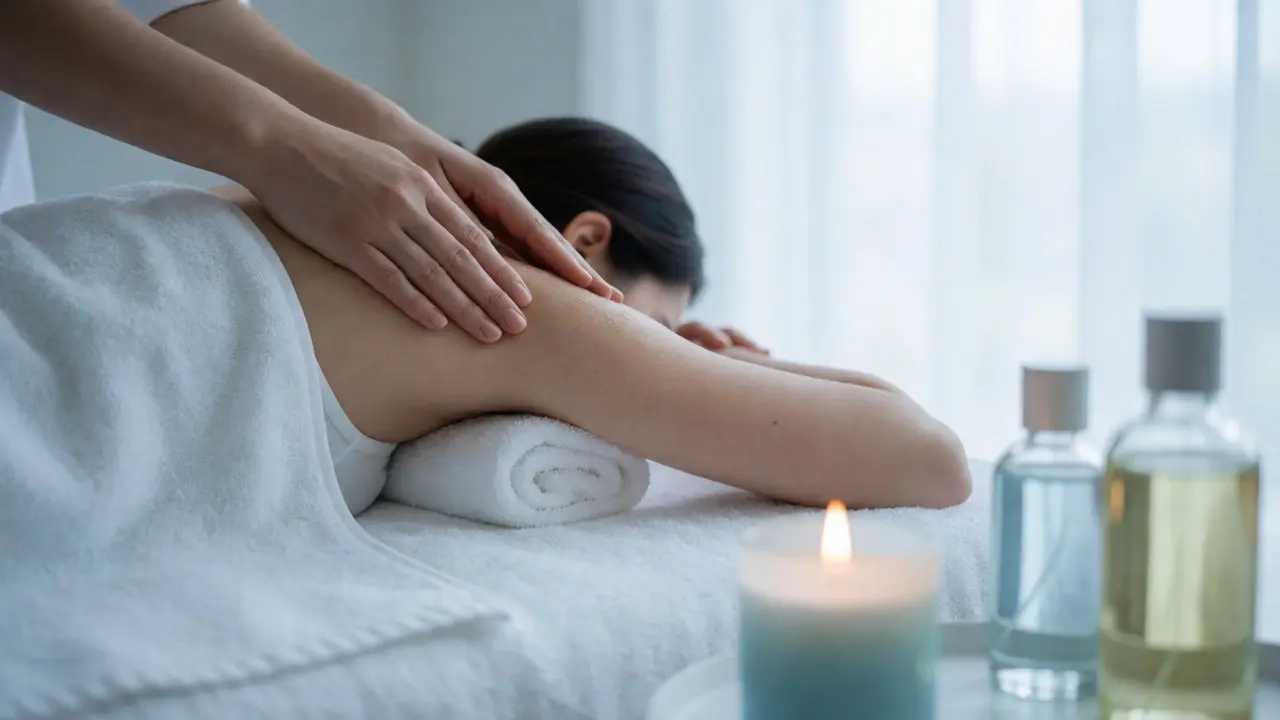
Creating the Perfect At-Home Spa Ritual
Owning luxury products is half the battle. Using them correctly is the other half. Here’s a simple routine that maximizes the benefits of your oils and candles.
- Set the Scene: Light your candle 15-20 minutes before you start. This allows the scent to fill the room and the wax pool to form evenly, preventing tunneling. Dim the lights. Visual cues signal your brain to switch off.
- Warm the Oil: Never apply cold oil to tense muscles. Pour a small amount into your palms and rub them together vigorously. The friction heat activates the essential oils and makes the application smoother.
- Start with Breathing: Before touching your body, take ten deep breaths. Inhale the candle scent. Exhale slowly. This primes your parasympathetic nervous system, preparing your body for relaxation.
- Apply with Intent: Don't just rub. Use long, gliding strokes. Start from your feet and move upward. This encourages lymphatic drainage. Spend extra time on tension hotspots like shoulders and neck.
- Let It Absorb: Give the oil ten minutes to soak in before dressing or getting into bed. This prevents staining fabrics and ensures your skin gets the nutrients.
Troubleshooting Common Issues
Even with the best products, things can go wrong. Here are quick fixes for common annoyances.
- Candle Tunneling: If your candle burns straight down the middle, leaving wax on the sides, it wasn't burned long enough the first time. Fix it by wrapping foil around the rim, leaving the center open, and letting it burn until the pool reaches the edges.
- Oil Too Greasy: If your skin feels sticky, you used too much oil. Less is more. Try mixing a drop of fractionated coconut oil with your heavier oil to improve slip without heaviness.
- Scent Overload: If the smell becomes nauseating, blow out the candle. Open a window for two minutes. Sometimes, neutralizing the air with fresh oxygen resets your olfactory senses.
Are luxury massage oils safe for everyone?
Generally, yes, but always patch-test first. Apply a small amount on your inner forearm and wait 24 hours. People with nut allergies should avoid almond or walnut oils. Pregnant women should consult a doctor before using certain essential oils like rosemary or clary sage.
How long does a high-quality candle last compared to a cheap one?
A premium soy or beeswax candle can last 50-80 hours, whereas a paraffin candle might only last 20-30 hours. Because luxury candles burn cooler and slower, you get more value per dollar despite the higher upfront cost.
Can I use massage oil as a body lotion?
Yes, especially after a shower when skin is damp. Oils seal in moisture better than water-based lotions. However, they don't hydrate themselves; they lock in existing hydration. So, apply them to wet skin for best results.
Do wooden wicks really crackle?
Yes, if they are properly treated and dry. The sound comes from moisture escaping the wood as it burns. If the wick is too thick or the wax is too soft, it may not crackle consistently. Trim the wick to 1/4 inch before lighting for optimal performance.
Is it okay to leave a candle burning overnight?
No. Never leave a burning candle unattended or sleeping near it. Even the safest candles pose a fire risk. Blow it out once the wax pool has formed and the scent has permeated the room, usually after 2-3 hours.

About Author