Sports Massage Benefits: The Ultimate Recovery Guide
You just crushed a personal record on the trail or finally hit that heavy squat you’ve been chasing for months. Your muscles feel like concrete blocks, and your brain is buzzing with endorphins. But here’s the harsh truth: without proper recovery protocols, that high-performance feeling can quickly turn into chronic stiffness or a nagging injury that sidelines you for weeks. Sports massage isn't just a luxury for elite athletes in locker rooms; it is a critical tool for anyone who pushes their body to its limits.
Think of your body as a high-end engine. You wouldn’t drive a Formula 1 car for five hundred miles without changing the oil or checking the tires, right? Sports massage acts as that essential maintenance. It targets specific soft tissue issues related to physical activity, helping you bounce back faster and move better. Whether you’re a weekend warrior, a marathon runner, or someone who sits at a desk all day but hits the gym hard on Saturdays, understanding how this therapy works can change the game for your longevity and comfort.
What Exactly Is Sports Massage?
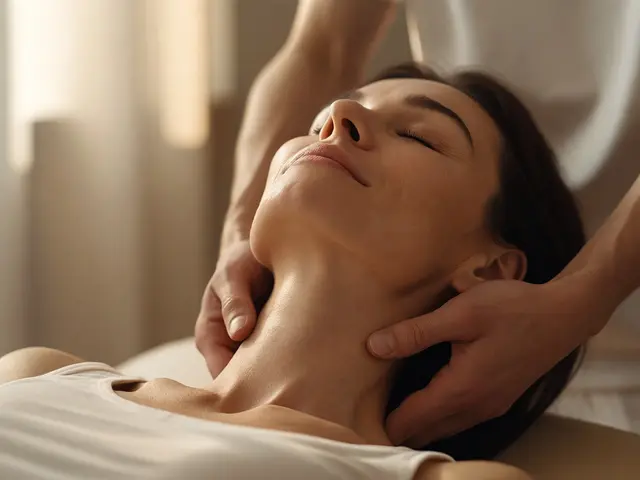
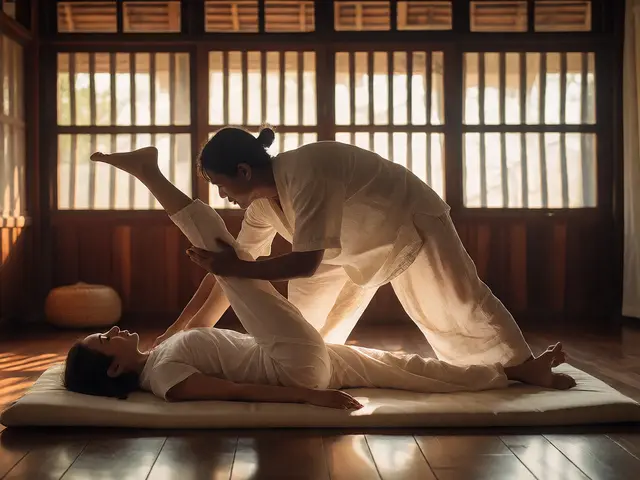
At its core, sports massage is a specialized form of bodywork designed to address pain, reduce stress, and improve flexibility in people who are physically active. Unlike a standard Swedish massage, which focuses primarily on relaxation, sports massage is goal-oriented. It uses techniques from various modalities, including deep tissue therapy, trigger point release, and stretching, to manipulate the muscles and connective tissues.
The approach changes depending on when you get it. Pre-event work is about waking up the nervous system and increasing blood flow. Post-event work is about flushing out metabolic waste and reducing inflammation. And then there’s maintenance massage, which happens during training cycles to fix imbalances before they become injuries. It’s proactive, not just reactive.
The Physical Mechanics of Recovery
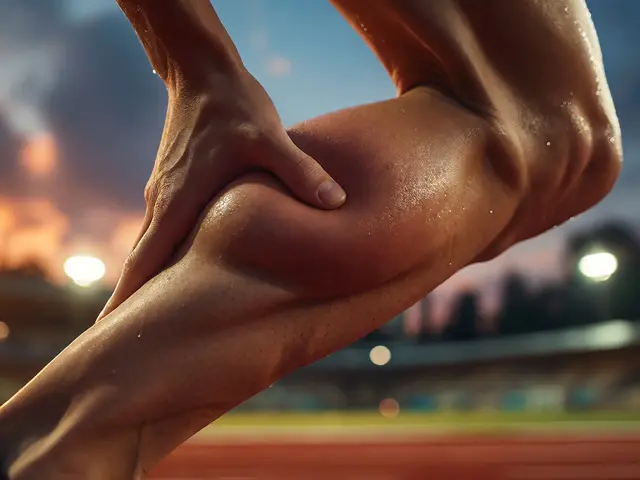
Why does rubbing muscles actually help them heal? It comes down to physiology. When you exercise intensely, your muscles undergo micro-tears. This is normal-it’s how they grow stronger. However, if those fibers stick together or tighten up excessively, you lose range of motion and create weak points.
Myofascial release, a common technique used here, targets the fascia-the web of connective tissue surrounding your muscles. Over time, repetitive motion causes this fascia to thicken and restrict movement. By applying sustained pressure, therapists break down these adhesions, allowing the muscle to slide freely again. This process also stimulates the parasympathetic nervous system, shifting your body from "fight or flight" mode into "rest and digest," where actual healing occurs.
Key Benefits Beyond Muscle Soreness
While everyone knows it helps with soreness, the benefits go much deeper. Here is what you can realistically expect:
- Improved Range of Motion: Tight hamstrings or hips limit your stride and squat depth. Regular sessions restore elasticity, letting you move through full joints safely.
- Faster Injury Recovery: Studies suggest that manual therapy increases circulation to injured areas, delivering oxygen and nutrients needed for repair while removing waste products like lactic acid.
- Pain Management: Chronic tension headaches or lower back pain often stem from muscular imbalances. Addressing the root cause in the shoulders or glutes can relieve distant pain sites.
- Mental Clarity: Physical tension feeds mental anxiety. Releasing tight traps and neck muscles often leads to an immediate sense of calm and focus.
Pre-Event vs. Post-Event: Timing Matters
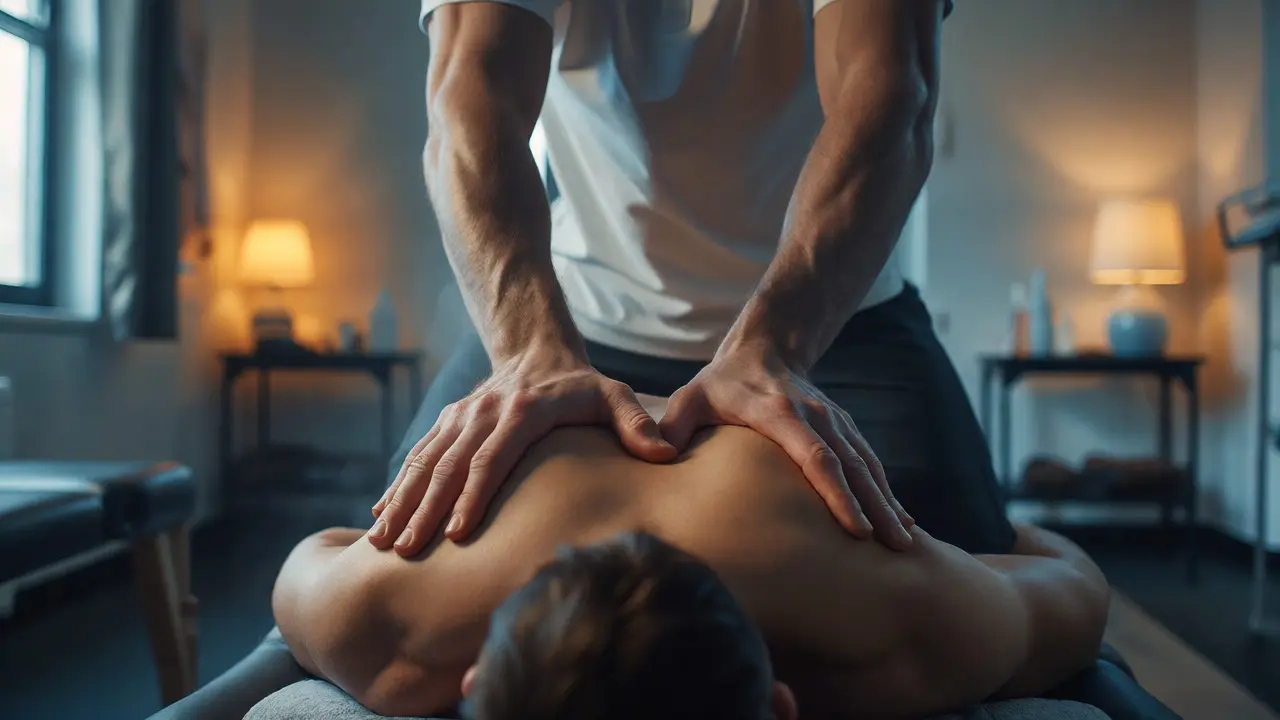
One of the biggest mistakes athletes make is treating every session the same way. Timing dictates the technique and intensity. If you show up for a deep tissue session two hours before a race, you might leave feeling sluggish and weakened. Conversely, skipping post-event care can lead to severe Delayed Onset Muscle Soreness (DOMS).
| Feature | Pre-Event Massage | Post-Event Massage | Maintenance Massage |
|---|---|---|---|
| Timing | 15-60 minutes before activity | Within 24-72 hours after activity | Weekly or bi-weekly during training |
| Goal | Warm up muscles, increase alertness | Reduce inflammation, flush toxins | Correct imbalances, prevent injury |
| Intensity | Light to moderate, brisk strokes | Moderate to deep, focused work | Deep, comprehensive assessment |
| Duration | 10-20 minutes | 30-60 minutes | 60-90 minutes |
Who Needs It? It’s Not Just for Pros
You don’t need a sponsorship deal to benefit. In fact, recreational athletes often have worse biomechanics than pros because they lack the coaching staff to correct their form. If you run, cycle, lift weights, or play team sports, your body accumulates stress patterns. A sports massage therapist looks at your whole kinetic chain. They might notice that your left hip is tighter than your right, causing your knee to track poorly. Fixing the hip saves the knee.
Even office workers fall into this category. Sitting creates a specific pattern: tight chest muscles and weak, stretched upper back muscles. This "upper cross syndrome" mimics the wear and tear seen in rowers or cyclists. Treating it with sports-specific techniques prevents the chronic pain that eventually forces people out of the gym entirely.
How to Choose the Right Therapist
Not all massage therapists are trained in sports applications. Look for certifications like the National Certification Board for Therapeutic Massage & Bodywork (NCBTMB) with a specialization in sports massage. Ask them directly: "Do you assess my posture before starting?" A good therapist will watch you walk, check your shoulder mobility, and ask about your current training load before touching a drop of oil.
Communication is key. You should feel comfortable telling them, "That’s too deep," or "Focus on my IT band." They aren’t mind readers, and your feedback guides their hands. Also, check reviews for mentions of results, not just relaxation. Did clients mention improved running times or reduced back pain? That’s the signal you want.
Self-Care Between Sessions
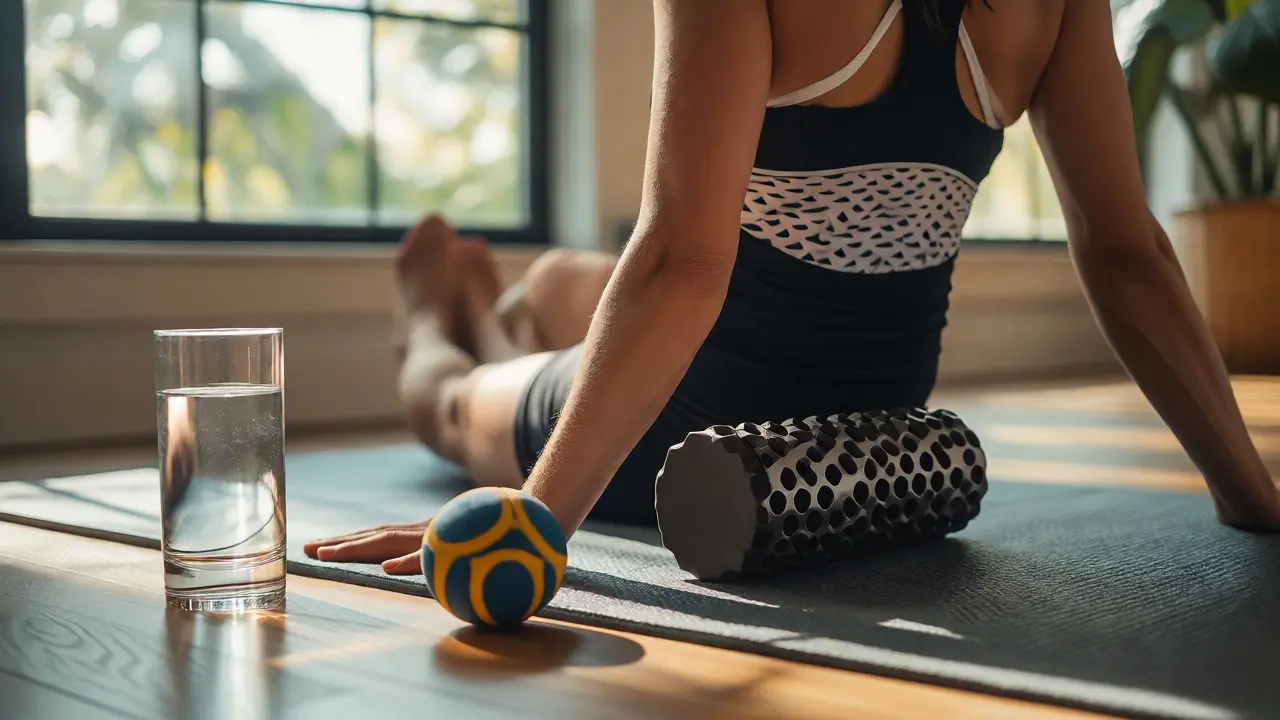
Massage is expensive and time-consuming. You can’t rely on it exclusively. Use tools like foam rollers and lacrosse balls to mimic some effects between appointments. Spend ten minutes rolling out your quads and calves after a workout. Stretch dynamically before you train and statically after. Hydration is non-negotiable; water helps flush out the metabolic byproducts released during manipulation. Without water, the detoxifying effect of massage is significantly blunted.
Does sports massage hurt?
It depends on the type and your tolerance. Deep tissue work can be uncomfortable, often described as a "good hurt," but it shouldn’t be agonizing. Sharp or stabbing pain is a red flag-tell your therapist immediately. Pre-event massages should never hurt.
How often should I get a sports massage?
For intense training periods, once a week or every two weeks is ideal. For general maintenance, once a month can keep things balanced. Listen to your body: if you’re always stiff, increase frequency. If you’re recovering well, you can space them out.
Can I get a massage if I’m currently injured?
Yes, but timing is crucial. Acute injuries (first 48-72 hours) usually require rest and ice, not massage. Once the acute phase passes, gentle lymphatic drainage or targeted work around the injury site can speed up healing. Always consult your doctor or physical therapist first.
What should I do after a sports massage?
Drink plenty of water to help flush out toxins. Avoid intense exercise for at least 24 hours to let your muscles settle. Take a warm Epsom salt bath to further relax the tissues. Expect mild soreness for a day, similar to a light workout.
Is sports massage different from regular massage?
Yes. Regular massage prioritizes relaxation and general circulation. Sports massage is diagnostic and corrective, focusing on specific muscle groups used in your sport, addressing scar tissue, and improving functional movement patterns.


About Author

Popular Posts