
How Myofascial Release Therapy is Changing Lives: Real Results and Methods
Have you ever felt like your body is stuck in a vice grip? You might have tried stretching, heat packs, or even medication, but that deep, nagging tension just won't let go. It’s not just soreness; it feels structural, like your skin and muscles are pulling too tight against each other. For millions of people living with chronic pain, the answer isn’t found in pills or surgery, but in a hands-on technique called Myofascial Release. This therapy targets the connective tissue wrapping every muscle and organ, offering a path to freedom for those who have hit a dead end with traditional treatments.
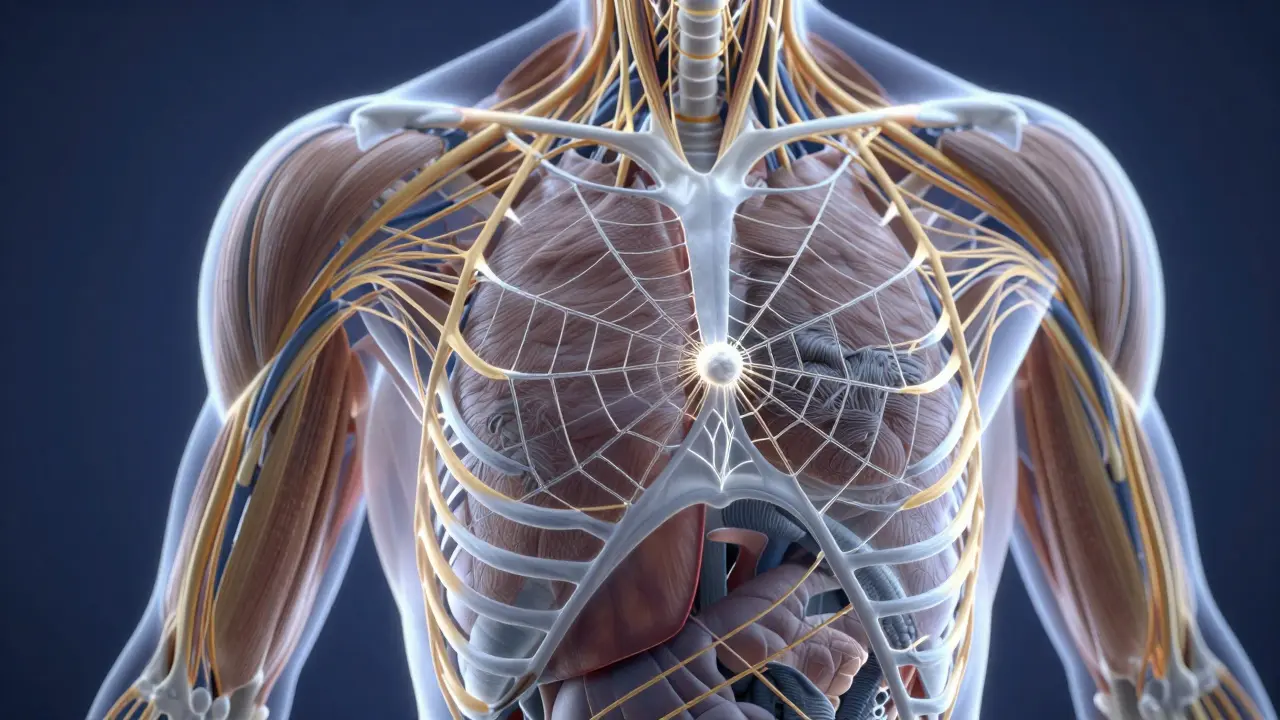
Imagine your body wrapped in layers of cling wrap. That’s your fascia. When that wrap gets sticky, knotted, or compressed from injury, stress, or poor posture, it restricts movement and causes pain far from the original site. Myofascial release therapy (MFR) works by applying gentle, sustained pressure to these restrictions, allowing the fascia to soften and lengthen. It’s a slow, deliberate process that changes how your body moves and feels from the inside out.
Understanding the Fascia Network
To understand why MFR works, we first need to look at what most people ignore: the fascia. In the early 1900s, anatomists largely dismissed fascia as mere packing material, a useless webbing between muscles. Today, we know better. Research shows that fascia is a complex sensory organ packed with nerve endings. It plays a huge role in proprioception-your body’s ability to sense its position in space.
Fascia is a continuous sheet of connective tissue that surrounds muscles, bones, nerves, and organs throughout the entire body. It acts like a three-dimensional spiderweb, providing structural support while allowing for fluid movement. When healthy, fascia is slippery and hydrated. When compromised, it becomes dehydrated and fibrous, leading to stiffness and pain.
Think of fascia like the casing of a sausage. If the casing is loose, the sausage moves freely. If you tighten the casing too much, the meat inside gets squeezed, blood flow drops, and movement becomes restricted. Chronic stress, repetitive motions, or trauma can cause this "casing" to thicken and adhere to surrounding tissues. This adhesion is what creates that feeling of being "locked up." MFR aims to hydrate and mobilize this tissue, restoring its natural glide.
The Science Behind the Touch
You might wonder how slow, gentle pressure can fix something so stubborn. The mechanism relies on a concept called viscoelasticity. Fascia behaves like both a solid and a liquid. When you apply quick force, it resists. But when you apply sustained, low-load pressure over several minutes, the collagen fibers within the fascia begin to slide past one another and reorganize. This process is known as creep deformation.
Furthermore, MFR influences the nervous system. Tight fascia often triggers protective spasms in nearby muscles. By releasing the fascial restriction, you signal the nervous system that the threat is gone, allowing the muscles to relax. This dual action-mechanical restructuring and neurological calming-is what makes MFR effective for conditions that standard massage misses.
| Feature | Myofascial Release (MFR) | Traditional Deep Tissue Massage |
|---|---|---|
| Pressure Type | Gentle, sustained traction | Firm, friction-based strokes |
| Target Tissue | Connective tissue (fascia) | Muscle belly and knots |
| Speed | Slow (3-5 minutes per area) | Variable, often faster |
| Pain Level | Low to moderate discomfort | High intensity, often painful |
| Primary Goal | Restore tissue mobility and hydration | Break down muscle adhesions |

Who Benefits Most from Myofascial Release?
MFR isn’t a cure-all, but it shines where other therapies fall short. It is particularly powerful for people suffering from chronic pain syndromes. Conditions like fibromyalgia, temporomandibular joint disorder (TMJ), and plantar fasciitis often involve widespread fascial restrictions rather than isolated muscle injuries.
Athletes also use MFR to enhance performance and recovery. Unlike sports massage, which focuses on immediate muscle relaxation, MFR addresses the structural limitations that prevent full range of motion. A runner with knee pain might find that the issue isn’t their knee at all, but tight fascia in their hip or calf pulling on the joint. By releasing these distant restrictions, the knee pain often resolves naturally.
Post-surgical patients benefit significantly as well. Surgery creates scar tissue, which is dense and inflexible fascia. MFR helps remodel this scar tissue, preventing it from adhering to underlying structures and causing long-term stiffness. Even desk workers, whose bodies are compressed by hours of sitting, find relief as MFR opens up the chest and releases the hunched shoulders caused by forward head posture.
What to Expect During a Session
If you’ve never had MFR, the experience might surprise you. There is no oil slathering or vigorous kneading. Instead, the therapist will assess your posture and movement patterns to identify areas of restriction. They might ask you to walk, bend, or rotate to see where your body compensates.
Once a restriction is identified, the therapist applies gentle pressure in the direction of the ease. You’ll feel a stretch, but it shouldn’t be sharp pain. The key word here is *sustained*. The therapist holds this pressure for three to five minutes, sometimes longer. During this time, you might feel heat, tingling, or a sense of melting. This is the fascia releasing. Breathing deeply is crucial, as oxygen helps hydrate the tissue and calm the nervous system.
After the session, you might feel unusually relaxed or slightly tired. This is normal. Your body has undergone a significant structural shift, and it needs time to integrate the new alignment. Drinking plenty of water is essential to help flush out metabolic waste and keep the newly released fascia hydrated.
Self-Myofascial Release Tools and Techniques
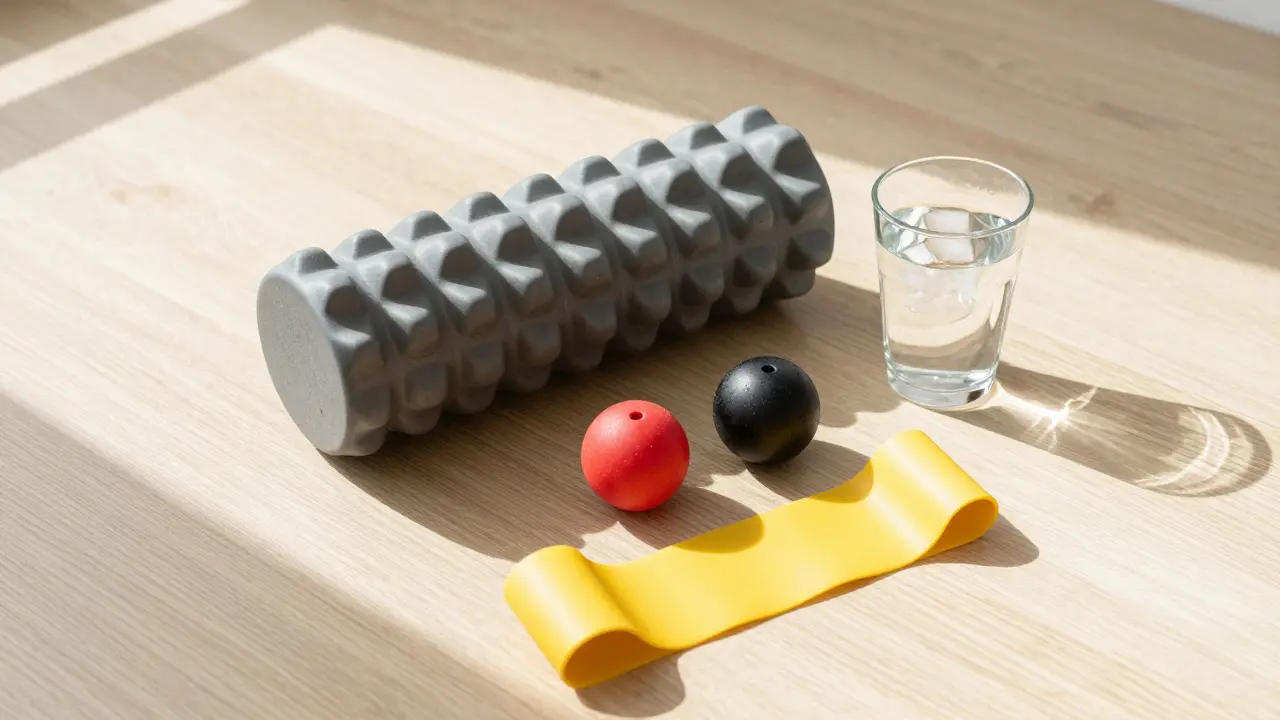
You don’t always need a therapist to get benefits. Self-myofascial release (SMR) allows you to maintain tissue health at home. While professional MFR is more precise, SMR tools can effectively manage daily tension.
- Foam Rollers: Great for large muscle groups like the quads, back, and glutes. Use slow rolls and pause on tender spots for 30-60 seconds.
- Lacrosse Balls: Ideal for smaller, deeper areas like the feet, buttocks, and shoulder blades. Press the ball against a wall or floor to target specific trigger points.
- Therapy Balls: Softer than lacrosse balls, these are good for sensitive areas or beginners. They provide a broader surface area for gentle pressure.
- Stretching Bands: Useful for combining traction with movement, helping to elongate fascia dynamically.
Consistency is key with SMR. Ten minutes a day is more effective than an hour once a week. Focus on areas that feel tight after work or exercise. Listen to your body-if it hurts sharply, stop. The goal is discomfort, not damage.
Integrating MFR into Long-Term Wellness
MFR is not a one-time fix. It’s part of a holistic approach to body care. To maximize results, combine therapy with movement practices that promote fascial health, such as yoga, Pilates, or animal flow. These activities emphasize multi-directional movement, which keeps fascia pliable and resilient.
Hydration and nutrition also play vital roles. Fascia requires water to remain elastic. Dehydration leads to stiffness. Eating anti-inflammatory foods can reduce systemic inflammation that contributes to fascial tightening. Sleep is equally important, as much of the body’s repair work happens during rest.
By understanding and caring for your fascia, you change how you move through the world. You become lighter, freer, and less prone to injury. Myofascial release therapy offers a profound way to reconnect with your body’s innate intelligence, turning chronic pain into manageable comfort and limited movement into effortless flow.
How many sessions of myofascial release do I need?
The number of sessions varies depending on the severity of your condition. Acute issues may resolve in 1-3 sessions, while chronic conditions like fibromyalgia or long-standing postural problems might require 6-10 sessions or more. Maintenance sessions every few weeks can help sustain progress.
Does myofascial release hurt?
MFR should not be painful. You may feel intense stretching or mild discomfort as restrictions release, but it should never cause sharp pain. If it does, communicate with your therapist immediately. The technique relies on gentle, sustained pressure, not forceful manipulation.
Can I do myofascial release at home?
Yes, self-myofascial release (SMR) using foam rollers, balls, and bands is highly effective for maintenance. However, professional therapy is recommended for initial assessment and treating deep-seated restrictions. SMR complements professional treatment but doesn't replace it for complex issues.
Is myofascial release covered by insurance?
Coverage depends on your provider and plan. Some insurance companies cover MFR if prescribed by a physician for a diagnosed medical condition, such as chronic pain or post-surgical rehabilitation. Check with your insurer and ask your therapist for documentation codes if needed.
What conditions respond best to myofascial release?
MFR is effective for chronic pain, fibromyalgia, TMJ disorders, plantar fasciitis, headaches, sciatica, and post-surgical scar tissue. It also helps athletes improve flexibility and recovery, and office workers relieve tension from poor posture.



About Author