
Bioenergetics Explained: How Your Body Converts Food into Energy
Ever wonder why you feel like a zombie after a heavy lunch but wired after a cup of coffee? It’s not just psychology. It’s physics, chemistry, and biology working in tandem inside every single cell of your body. This invisible engine is called bioenergetics, and it dictates how much fuel you have for your day.
We often think of energy as something abstract-motivation, willpower, or vibes. But in the biological sense, energy is strictly measurable. It’s the currency that allows your heart to beat, your neurons to fire, and your muscles to lift weights. Without this constant flow, life stops. Understanding bioenergetics isn't just for scientists; it’s the key to unlocking better stamina, mental clarity, and long-term health.
The Currency of Life: What Is ATP?
If money is the medium of exchange in the economy, then adenosine triphosphate (ATP) is the medium of exchange in your body. You can’t spend glucose directly. You can’t burn fat directly to move a muscle fiber. First, you have to convert those nutrients into ATP.
Adenosine Triphosphate (ATP) is a molecule that carries chemical energy within cells for metabolism. Think of it as a rechargeable battery. When your body needs energy, it breaks a bond in the ATP molecule, releasing power and turning it into ADP (adenosine diphosphate). Your cells then work tirelessly to recharge that ADP back into ATP using the food you eat.
This cycle happens roughly 24 million times per second in an average human at rest. During intense exercise, that number skyrockets. The efficiency of this conversion process determines your vitality. If your "battery charging" system is slow or inefficient, you feel tired, sluggish, and prone to illness.
The Powerhouse Myth: Inside the Mitochondria
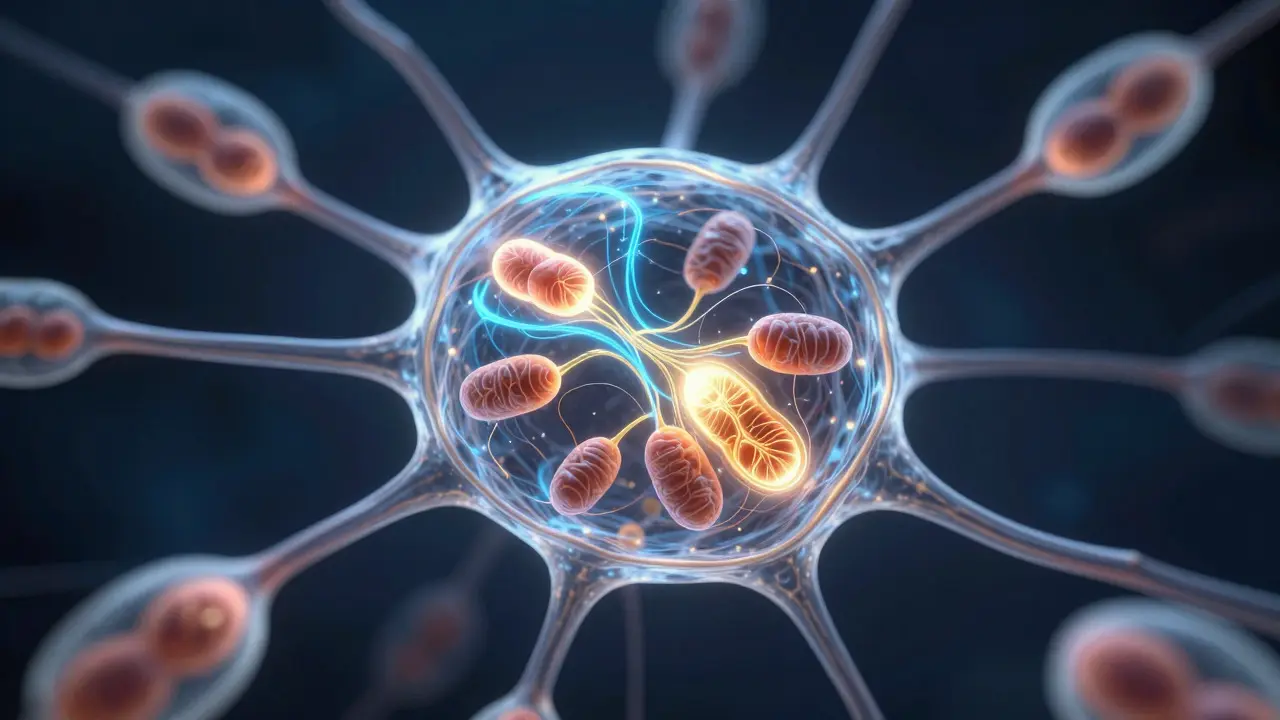
You’ve likely heard that mitochondria are the "powerhouses of the cell." That phrase is stuck in our heads from high school biology, but it undersells what these organelles actually do. Mitochondria are complex, semi-autonomous structures that manage the entire energy budget of the cell.
Mitochondria are double-membrane-bound organelles found in most eukaryotic organisms. They generate most of the chemical energy needed to power the cell's biochemical reactions. Crucially, they contain their own DNA, separate from the nuclear DNA in the cell center. This means your mitochondrial health is partly inherited, but largely influenced by your lifestyle choices today.
Mitochondria don’t just produce energy; they also regulate cell death (apoptosis), calcium storage, and heat production. When mitochondria malfunction, it’s not just about fatigue. It’s linked to neurodegenerative diseases like Alzheimer’s, metabolic disorders like type 2 diabetes, and accelerated aging. Keeping these tiny engines clean and efficient is arguably the most important thing you can do for your longevity.
Three Ways Your Body Makes Energy
Your body doesn’t rely on one method to create ATP. It uses three distinct systems, depending on the intensity and duration of your activity. Knowing which system is dominant helps you understand why you need different types of fuel for different tasks.
- The Phosphagen System (0-10 seconds): This is your emergency backup. It uses stored creatine phosphate to make ATP instantly without oxygen. This powers a sprint, a heavy lift, or jumping out of the way of a car. It runs out fast because stores are limited.
- Glycolysis (10 seconds - 2 minutes): When the phosphagen system drains, your body breaks down glucose (sugar) into pyruvate to make ATP. This happens in the cytoplasm, outside the mitochondria. It produces energy quickly but creates lactic acid as a byproduct, leading to that burning sensation in your muscles.
- Oxidative Phosphorylation (2+ minutes): This is the aerobic system. It takes place inside the mitochondria and requires oxygen. It breaks down fats, carbohydrates, and even proteins to create massive amounts of ATP. This is how you walk, talk, sleep, and run marathons. It’s slower but far more efficient and sustainable.
Most modern humans spend the majority of their time in the oxidative state. Therefore, optimizing mitochondrial function is critical for daily well-being. If your mitochondria are clogged with inflammation or damaged by free radicals, your baseline energy drops, regardless of how much sleep you get.
Fuel Sources: Carbs vs. Fats vs. Ketones
Bioenergetics is heavily influenced by what you feed the fire. Your body can use three primary substrates for oxidative phosphorylation: glucose, fatty acids, and ketone bodies. The ratio of these fuels changes based on your diet and activity level.
| Fuel Source | ATP Yield per Molecule | Speed of Production | Oxygen Required? | Primary Use Case |
|---|---|---|---|---|
| Glucose (Carbs) | ~36-38 ATP | Fast | Yes (for full yield) | High-intensity effort, brain function | Fatty Acids (Fats) | ~100+ ATP (varies by chain length) | Slow | Yes | Resting metabolism, endurance activities |
| Ketone Bodies | Variable (efficient) | Moderate | Yes | Fasting, low-carb diets, brain fuel during starvation |
Glucose is the preferred fuel for the brain and high-intensity muscles because it burns hot and fast. However, storing glucose as glycogen is limited. Once those tanks are empty, you "bonk." Fat, on the other hand, provides a nearly unlimited supply of energy, but it burns slowly. This is why marathon runners train to become "fat-adapted," allowing them to spare precious glycogen for the final sprint.
Ketones offer a middle ground. Produced by the liver when carbohydrate intake is low, ketones can cross the blood-brain barrier efficiently. Many people report improved mental focus on ketogenic diets because the brain switches from volatile glucose spikes to a steady stream of ketone energy.
Metabolic Flexibility: The Ultimate Goal
In bioenergetics, the holy grail isn’t just burning fat or just burning carbs. It’s metabolic flexibility. This is your body’s ability to seamlessly switch between fuel sources based on availability and demand.
A metabolically flexible person can eat a pasta dish and efficiently store the excess glucose as glycogen. Hours later, during a workout, they can tap into fat stores for energy. They don’t experience severe crashes or brain fog. Conversely, a metabolically inflexible person struggles to switch gears. They might feel jittery after sugar and exhausted after fasting. This inflexibility is a hallmark of insulin resistance and pre-diabetes.
To build flexibility, you need to stress both systems. Strength training depletes glycogen stores, signaling the body to improve glucose uptake. Low-intensity steady-state cardio (like walking) encourages mitochondrial biogenesis-the creation of new mitochondria-and improves fat oxidation. Intermittent fasting forces the body to practice switching to fat and ketone fuels, keeping the metabolic pathways open and responsive.
Factors That Sabotage Your Energy Flow
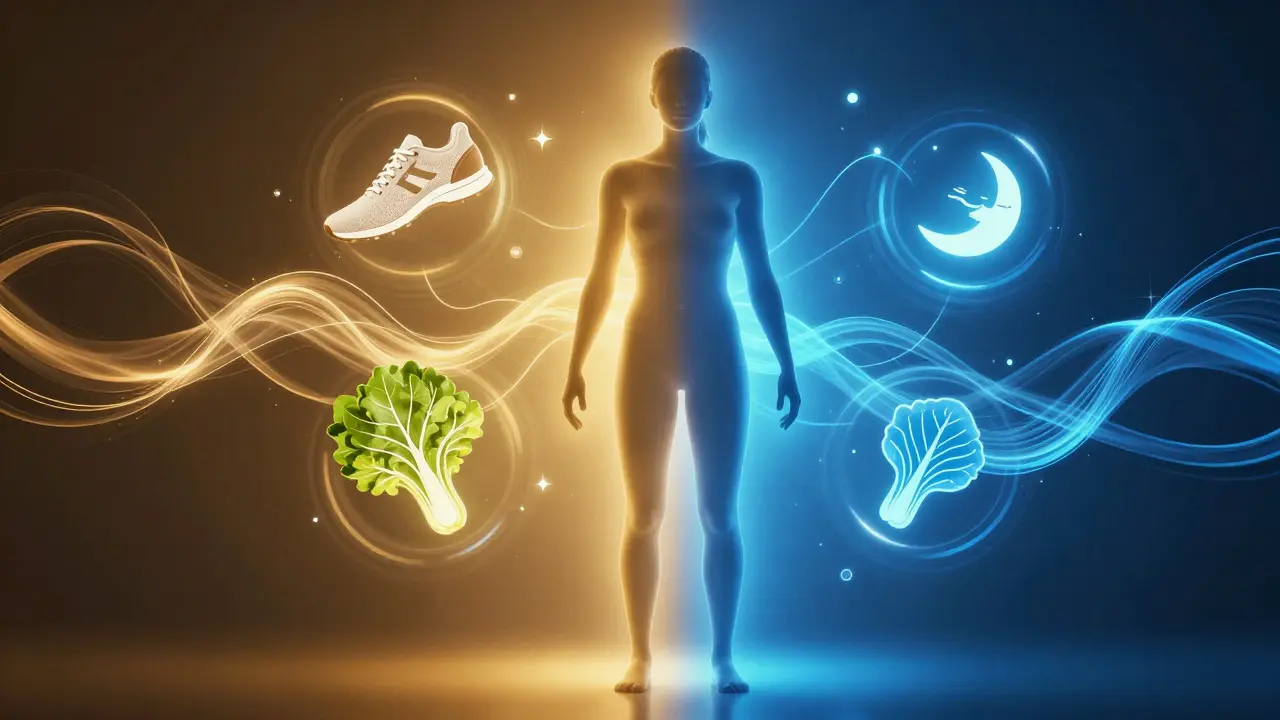
Even with the right diet, several factors can choke your bioenergetic output. Modern life is essentially designed to disrupt your natural energy cycles.
- Sedentary Behavior: Mitochondria follow the principle of "use it or lose it." Sitting all day signals your body that it doesn’t need many power plants. Muscle mass decreases, and so does mitochondrial density.
- Poor Sleep Hygiene: Sleep is when your cells perform maintenance. During deep sleep, autophagy cleans out damaged mitochondria. Chronic sleep deprivation leads to a buildup of dysfunctional organelles, reducing energy output.
- Chronic Stress: Cortisol, the stress hormone, mobilizes glucose for a "fight or flight" response. If you’re constantly stressed, your blood sugar remains elevated, leading to insulin resistance. Over time, this damages the receptors that allow glucose to enter cells for energy production.
- Environmental Toxins: Pesticides, plastics, and heavy metals can act as mitochondrial toxins. They interfere with the electron transport chain, causing leaks that produce reactive oxygen species (ROS), or free radicals. While some ROS are necessary for signaling, too much causes oxidative stress and cellular damage.
Optimizing Bioenergetics: Practical Steps
You don’t need a lab coat to improve your energy flow. Small, consistent changes can dramatically upgrade your mitochondrial health and overall vitality.
Zone 2 Training: This involves exercising at a pace where you can hold a conversation but feel slightly breathless. It specifically targets mitochondrial efficiency and fat burning. Aim for 150 minutes a week.
Cold Exposure: Brief exposure to cold (cold showers or ice baths) activates brown adipose tissue (BAT). Unlike white fat, which stores energy, brown fat burns energy to generate heat. This process, called thermogenesis, stimulates mitochondrial activity and improves insulin sensitivity.
Nutrient Timing: Align your meals with your circadian rhythm. Eating late at night, when your body is preparing for rest, forces your digestive system and mitochondria to work against the clock. Try to finish eating 3-4 hours before bed to allow for overnight repair and fat burning.
Key Micronutrients: Ensure adequate intake of Magnesium, Coenzyme Q10 (CoQ10), and B-Vitamins. These are cofactors in the ATP production pathway. Without them, the machinery literally stalls. Spinach, nuts, seeds, and lean meats are excellent sources.
The Future of Personalized Bioenergetics
We are moving toward an era where bioenergetics is personalized. Wearable technology now tracks heart rate variability (HRV) and resting heart rate, which are proxies for your autonomic nervous system balance and energy status. In the near future, continuous glucose monitors (CGMs) and lactate sensors will provide real-time feedback on your fuel usage.
This data allows for precision nutrition. Instead of generic advice like "eat less sugar," you’ll know exactly how your unique biology responds to a bagel versus an apple. You’ll see the spike in real-time and adjust accordingly. This shift from reactive to proactive health management is the next frontier in understanding the science of energy flow in your body.
What is the difference between bioenergetics and metabolism?
Metabolism is the broad term for all chemical reactions in the body, including building up (anabolism) and breaking down (catabolism) molecules. Bioenergetics is a specific subset of metabolism that focuses solely on the transformation of energy-how energy flows through living systems, primarily via ATP production and consumption.
Can I increase my mitochondrial count?
Yes, through a process called mitochondrial biogenesis. Endurance exercise, particularly Zone 2 cardio, is the most potent stimulus. Other factors include calorie restriction (fasting), cold exposure, and consuming compounds like resveratrol found in red wine and berries, though diet alone has a smaller effect than physical activity.
Why do I feel tired after eating carbohydrates?
This is often due to a rapid spike in blood glucose followed by a surge of insulin to clear the sugar. If you consume refined carbs, the spike is sharp, leading to a subsequent crash in blood sugar (reactive hypoglycemia). Additionally, tryptophan, an amino acid precursor to serotonin and melatonin, competes with other amino acids for entry into the brain. High insulin levels facilitate tryptophan entry, making you feel sleepy.
Is keto good for everyone’s bioenergetics?
Not necessarily. While keto improves fat adaptation and stabilizes blood sugar for many, it can be stressful for those with adrenal fatigue or thyroid issues. Furthermore, elite athletes relying on anaerobic glycolysis (sprinting, weightlifting) may see performance declines if they restrict carbohydrates too severely, as glucose is the fastest fuel source for high-intensity efforts.
How does stress affect energy production?
Chronic stress keeps cortisol levels elevated. Cortisol promotes gluconeogenesis (making new glucose) to prepare for danger. Constantly high glucose and insulin levels lead to insulin resistance, where cells stop responding to insulin. This prevents glucose from entering cells to be converted into ATP, leaving you feeling energetically depleted despite having plenty of fuel in your bloodstream.


About Author

Popular Posts

Sports Massage Benefits: The Ultimate Recovery Guide