
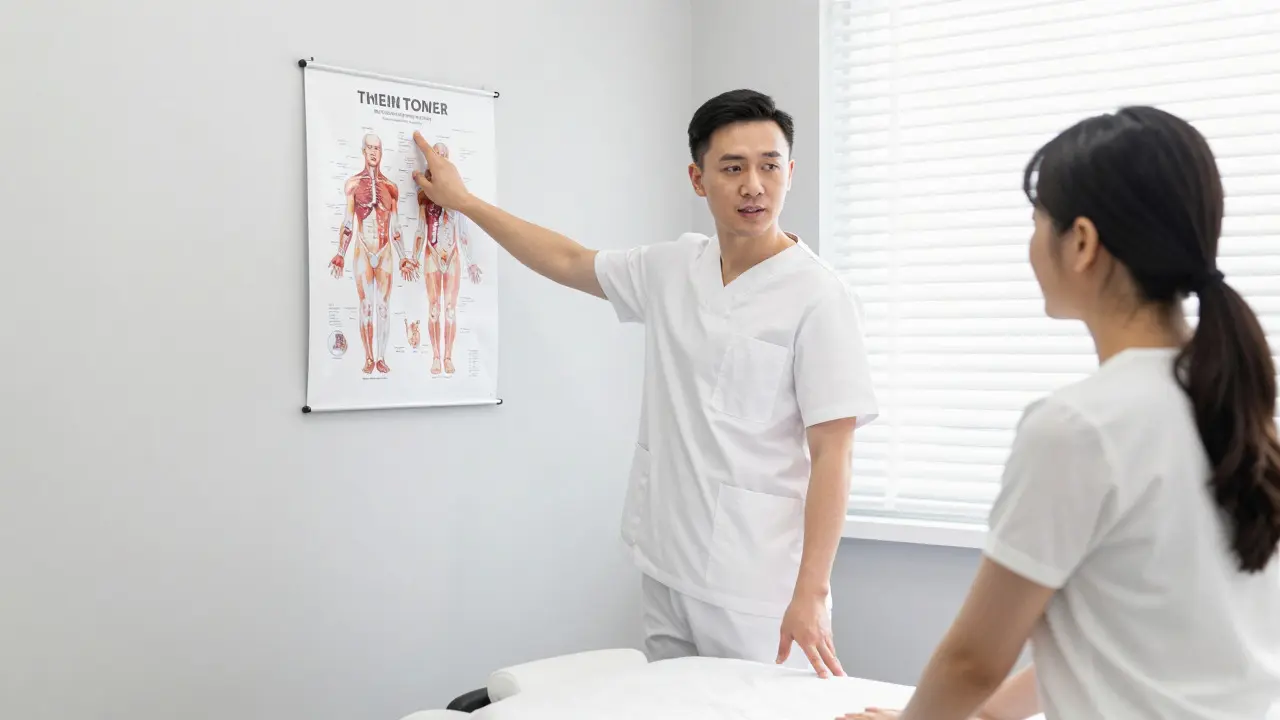
Medical Massage Guide: Benefits, Techniques & How to Find a Therapist
You’ve been in pain for months. Maybe it’s that nagging lower back ache from sitting at a desk, or the stiff neck that won’t go away no matter how many pillows you stack. You’ve tried stretching, maybe some over-the-counter meds, but nothing sticks. This is where medical massage comes into play. It isn’t just about relaxation. It is a targeted, clinical approach to treating specific injuries and conditions.
If you are new to this world, the terminology can feel overwhelming. Terms like "myofascial release" or "trigger point therapy" sound like medical jargon designed to confuse. But they are simply tools therapists use to fix your body. In this guide, we break down what medical massage actually is, how it differs from a spa treatment, and exactly what you should expect during your first session.
What Is Medical Massage?
Medical massage is a therapeutic technique focused on relieving pain and improving mobility through targeted manipulation of soft tissues. Unlike a standard Swedish massage, which aims for general relaxation, medical massage is prescriptive. A therapist assesses your specific issue-say, a rotator cuff strain-and designs a session to address only those areas.
The core philosophy here is function over comfort. Yes, you might feel good afterward, but the goal is biomechanical correction. For example, if tight hip flexors are causing your knee to buckle, the therapist works the hips, not the knee. This requires a deeper understanding of anatomy and pathology than traditional massage therapy demands.
In Australia, practitioners often work alongside physiotherapists and chiropractors. They may operate under a doctor’s referral, especially if you are claiming insurance. The distinction matters because it changes the outcome. You aren’t paying for an hour of zen; you are investing in physical rehabilitation.
Medical Massage vs. Traditional Spa Massage
It is easy to assume all massages are the same. They are not. The difference lies in intent, technique, and duration. Let’s look at how they compare side-by-side.
| Feature | Medical Massage | Traditional Spa Massage |
|---|---|---|
| Primary Goal | Pain relief, injury recovery, functional improvement | Relaxation, stress reduction, leisure |
| Technique Focus | Targeted areas (e.g., shoulders, lower back) | Full body coverage |
| Pressure Level | Variable, often deep and intense | Gentle to moderate, consistent |
| Assessment | Required before treatment begins | Minimal or none |
| Environment | Clinical, quiet, professional | Aromatic, dimly lit, music-playing |
Notice the pressure level? Medical massage can be uncomfortable. If you have acute inflammation, deep pressure might aggravate it. A skilled therapist knows when to push and when to pull back. In a spa, the rule is usually “feel good.” In a clinic, the rule is “heal properly.”
Common Conditions Treated with Medical Massage
Who actually needs this? If you have a repetitive strain injury, sports trauma, or chronic postural issues, you are a candidate. Here are the most common scenarios where medical massage provides measurable results.
- Chronic Back Pain: Often caused by muscle imbalances or disc issues. Massage helps reduce spasms and improve blood flow to the affected area.
- Sciatica: Compression of the sciatic nerve causes shooting pain down the leg. Myofascial release can alleviate tension in the piriformis muscle, which often traps the nerve.
- Tennis Elbow: Lateral epicondylitis involves micro-tears in the forearm tendons. Deep tissue work breaks up scar tissue and restores flexibility.
- Fibromyalgia: While controversial, gentle medical massage can help reduce widespread pain sensitivity and improve sleep quality.
- Post-Surgical Recovery: After procedures like ACL reconstruction, lymphatic drainage massage reduces swelling and prevents adhesions (scar tissue binding muscles together).
It is important to note that medical massage is rarely a standalone cure. It works best as part of a broader treatment plan including exercise, ergonomic adjustments, and sometimes medication. Think of it as one tool in your toolkit, not the whole toolbox.
Key Techniques Used by Therapists
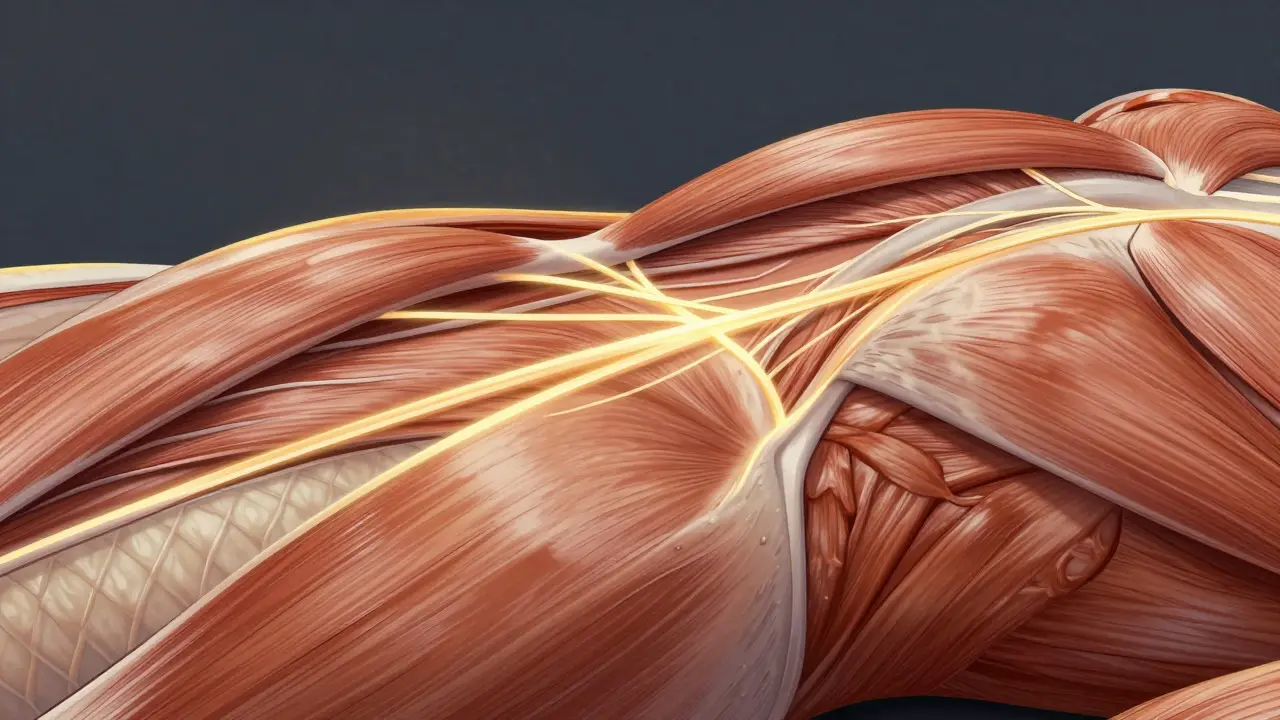
When you book a session, your therapist will likely use a combination of these methods. Understanding them helps you communicate better about what you need.
- Deep Tissue Massage: Uses slow strokes and deep finger pressure to reach inner layers of muscle and connective tissue. Ideal for chronic tension.
- Myofascial Release: Applies gentle, sustained pressure to the fascia (the web-like tissue surrounding muscles) to relieve restrictions. It feels less like kneading and more like stretching from the inside out.
- Trigger Point Therapy: Focuses on hyperirritable spots in muscle fibers. Pressing these points releases referred pain elsewhere in the body. For instance, a trigger point in your shoulder blade might cause headaches.
- Cross-Friction Friction: Rubbing perpendicular to the grain of the muscle fibers. This breaks down adhesions in tendons and ligaments, commonly used for tendonitis.
- Lymphatic Drainage: Very light, rhythmic pumping motions to stimulate the lymphatic system. Crucial for reducing edema (swelling) after surgery or injury.
A beginner mistake is asking for “deep tissue” every time. Sometimes, your nervous system needs calming, not crushing. A good therapist will adjust based on your tissue response, not just your request.
What to Expect During Your First Session
Walking into a medical massage clinic can feel intimidating. Will it hurt? What do I wear? Here is a step-by-step breakdown of the process so you know exactly what happens.
1. The Intake Assessment
Before you even get on the table, you will fill out a health history form. Be honest. Mention past surgeries, current medications, and areas of numbness or tingling. The therapist will then ask questions about your pain levels and goals. They may perform range-of-motion tests to see how far you can move without pain.
2. Palpation and Diagnosis
The therapist will touch the affected area to identify knots, temperature changes, or texture differences in the muscle. This is diagnostic. They are mapping out the problem zones. Don’t be shy about speaking up if something feels wrong.
3. The Treatment
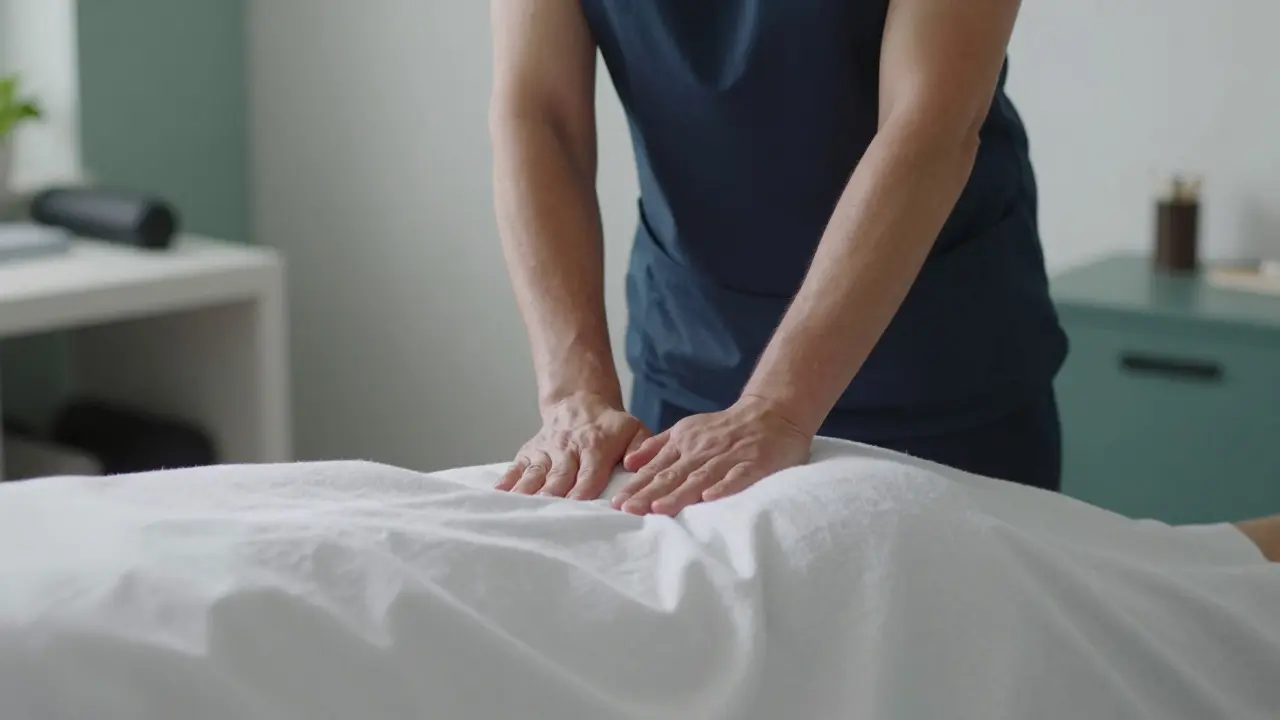
You will lie on a treatment table, draped with sheets for privacy. The therapist will focus primarily on the injured area, though they may work adjacent regions to restore balance. Communication is key. Use a scale of 1-10 for pain. A 7 or 8 is acceptable in medical massage; a 9 or 10 means stop immediately.
4. Post-Treatment Advice
Afterward, you might feel sore. This is normal. The therapist will likely give you homework: specific stretches, hydration tips, or ice/heat recommendations. Follow this advice. It extends the benefits of the session beyond the hour you spent on the table.
How to Find a Qualified Practitioner
Not everyone who calls themselves a massage therapist is qualified for medical work. Credentials matter. In Australia, look for therapists registered with the Australian Association of Massage Therapists (AAMT) or similar bodies. Check their education background. Did they study anatomy, physiology, and pathology? Or just basic techniques?
Ask these questions before booking:
- Do you require a doctor’s referral?
- What is your experience with [your specific condition]?
- Do you provide written treatment plans?
If the answer is vague, keep looking. You deserve someone who speaks your language and understands your body mechanics.
Costs and Insurance Coverage
Medical massage is typically more expensive than spa massage due to the specialized training and shorter, more intensive sessions. Prices vary by location, but in cities like Perth or Sydney, expect to pay between $100 and $150 AUD per hour.
Does insurance cover it? In Australia, private health funds often reimburse for remedial massage if you have a referral from a GP or allied health professional. Keep your receipts and claim forms handy. Some employers also offer wellness allowances that can be applied here. Always check with your provider beforehand to avoid surprise bills.
Is medical massage painful?
It can be uncomfortable, especially if you have chronic tension or acute injury. However, it should never be excruciating. Good therapists aim for a “good hurt”-a sensation of release rather than sharp pain. Communicate openly about your pain tolerance.
How often should I get medical massage?
Frequency depends on your condition. For acute injuries, weekly sessions for 4-6 weeks are common. For maintenance of chronic issues, bi-weekly or monthly visits may suffice. Your therapist will recommend a schedule based on your progress.
Can medical massage replace physical therapy?
No, it complements it. Physical therapy focuses on strengthening and movement patterns, while medical massage addresses soft tissue restrictions. Together, they create a comprehensive rehabilitation plan. Many clinics offer both services under one roof.
What should I wear to a medical massage appointment?
Wear loose, comfortable clothing that allows easy access to the treated area. You will undress to your level of comfort, and the therapist will drape you with sheets. Only the area being worked on is exposed at any time.
Are there risks associated with medical massage?
Risks are minimal when performed by a qualified professional. Possible side effects include temporary soreness, bruising, or fatigue. Rarely, improper technique can worsen an injury. Always disclose medical conditions like osteoporosis or blood clots to avoid complications.



About Author

Popular Posts