How Aromatherapy Massage Improves Sleep Quality and Reduces Stress
Have you ever lain in bed for hours, staring at the ceiling, wishing your brain would just shut off? You are not alone. Millions of people struggle with poor sleep quality every single night. It is not just about being tired; it is about the inability to transition from a state of high alert to deep rest. While prescription medications offer a chemical solution, many people are turning to natural alternatives that address both the physical tension and the mental chatter keeping them awake. One of the most effective methods gaining traction is aromatherapy massage, which combines tactile pressure therapy with the inhalation of essential oils. This dual approach targets the nervous system directly, offering a pathway to deeper, more restorative sleep without the grogginess associated with sleeping pills.
The Science Behind Touch and Smell
To understand why this works, we have to look at how our bodies process sensory input. When you receive a massage, your body releases oxytocin, often called the "love hormone," while simultaneously lowering cortisol, the primary stress hormone. High levels of cortisol keep your body in a "fight or flight" mode, which is the exact opposite of what you need for sleep. Now, add scent into the mix. The olfactory nerve has a direct line to the limbic system, the part of the brain that controls emotion and memory. This means when you inhale certain scents, they bypass the logical part of your brain and go straight to the emotional center.
This combination creates a powerful synergy. The physical pressure relaxes tight muscles, reducing physical pain that might wake you up during the night. At the same time, the aroma signals your brain that it is safe to let go. Research published in journals like the Journal of Alternative and Complementary Medicine has shown that patients who received aromatherapy massage reported significantly improved sleep quality compared to those who received standard care. It is not magic; it is biology working in your favor.
Choosing the Right Essential Oils for Sleep
Not all essential oils are created equal when it comes to sleep. Some oils are stimulating, while others are sedative. Using the wrong oil could leave you feeling energized rather than relaxed. Here are the top contenders for improving sleep hygiene:
- Lavender (Lavandula angustifolia): This is the gold standard for sleep. Studies suggest it lowers blood pressure and heart rate, preparing the body for rest. Its calming properties make it ideal for anxiety-related insomnia.
- Chamomile: Known for its gentle soothing effects, chamomile oil helps reduce nervous tension. It is particularly good for people who feel jittery or overwhelmed before bed.
- Ylang Ylang: This floral scent can help lower blood pressure and slow breathing. It is excellent for those whose racing thoughts prevent them from falling asleep.
- Bergamot: Unlike citrus oils that are usually uplifting, bergamot has a unique calming effect. It helps alleviate depression and anxiety, which are common culprits behind chronic insomnia.
- Cedarwood: This woody scent promotes relaxation and has mild sedative properties. It pairs well with lavender for a deeper sense of calm.
Avoid using peppermint, eucalyptus, or lemon oils right before bed if you are sensitive to stimulation. These are great for daytime energy but can interfere with your ability to wind down.

Types of Massage Techniques That Enhance Sleep
The type of massage matters just as much as the oils used. If you are looking to improve sleep, you generally want techniques that promote parasympathetic nervous system activation-the "rest and digest" state. Here is how different styles compare:
| Massage Type | Pressure Level | Best For | Sleep Impact |
|---|---|---|---|
| Swedish Massage | Light to Medium | General relaxation, first-timers | High: Promotes overall calmness and reduces surface tension. |
| Deep Tissue Massage | Firm to Hard | Chronic muscle pain, athletes | Moderate: Relieves pain that disrupts sleep, but may be too intense for some before bed. |
| Reflexology | Medium | Circulation issues, foot tension | High: Targets specific points linked to the nervous system and sleep regulation. |
| Shiatsu | Variable | Energetic balance, stress | Moderate to High: Balances energy flow, helping to quiet the mind. |
For most people seeking better sleep, a Swedish massage infused with lavender oil is the safest and most effective starting point. It gently stretches the muscles and slows the heart rate without causing any post-massage soreness that might keep you awake.
Creating a Pre-Sleep Ritual at Home
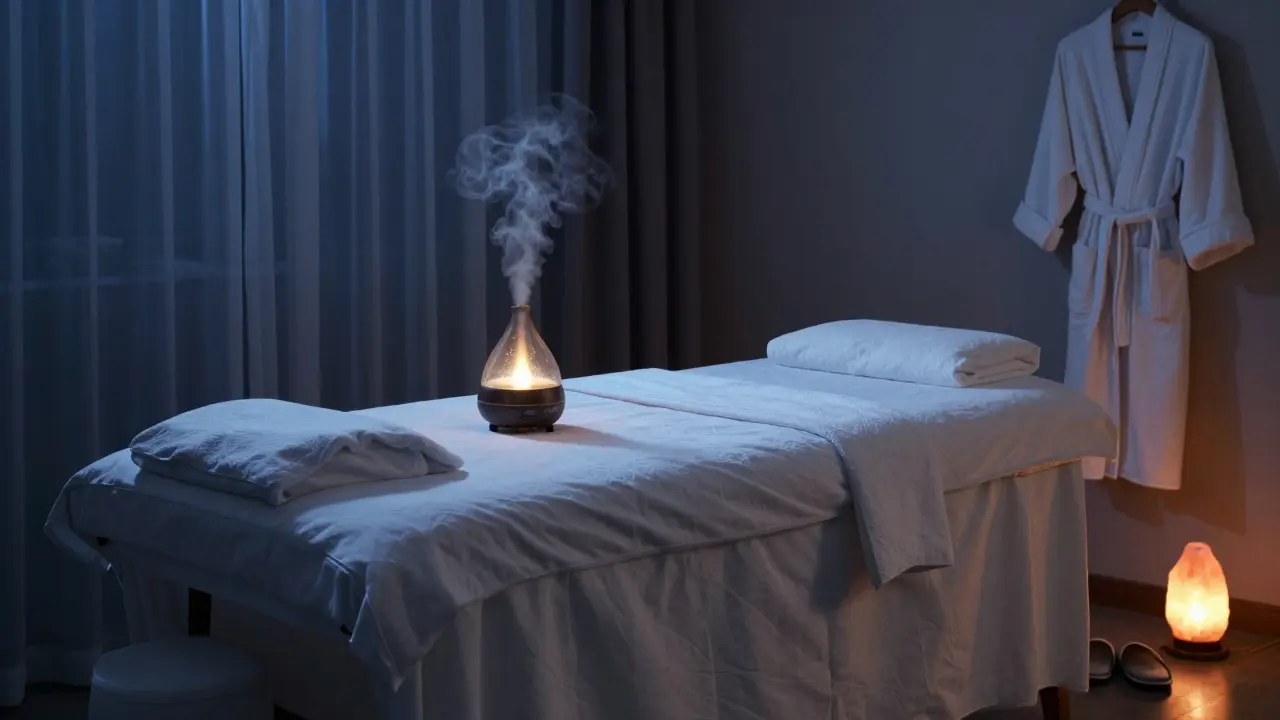
You do not need to book an expensive spa session to reap the benefits of aromatherapy massage. You can create a highly effective ritual at home with minimal equipment. The key is consistency. Your brain needs to learn that this routine equals sleep time.
- Set the Scene: Dim the lights. Bright light suppresses melatonin production. Use warm, low lighting to signal to your body that the day is over.
- Prepare the Space: Ensure your room is cool, around 18-20 degrees Celsius. A cooler environment helps your core body temperature drop, which is necessary for deep sleep.
- Select Your Oil: Choose one or two oils from the list above. Lavender and cedarwood make a great combination. Dilute them in a carrier oil like jojoba or sweet almond oil. Never apply essential oils directly to the skin.
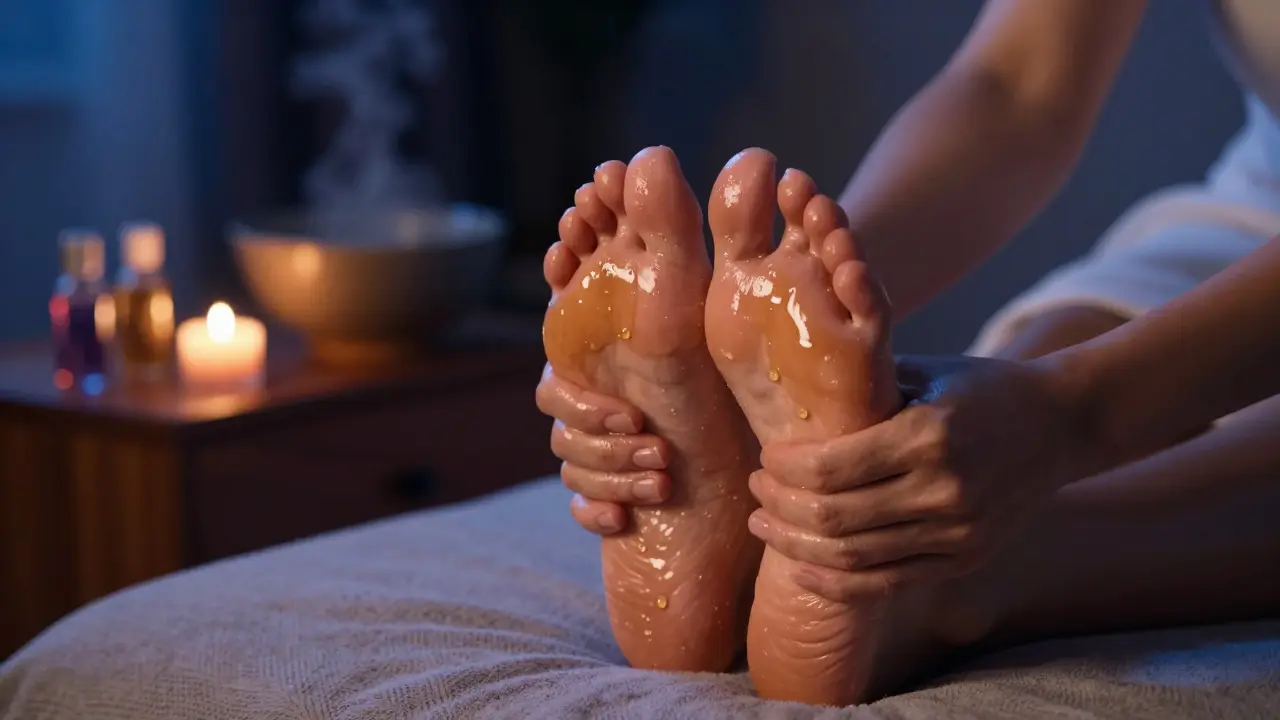
- Self-Massage or Partner Massage: Start with your feet. The soles of your feet have thousands of nerve endings. Massaging them with warm oil can send relaxation signals throughout the entire body. Move up to your calves, then your hands and shoulders. Focus on areas where you hold tension.
- Inhalation: As you massage, take deep, slow breaths. Inhale through your nose to catch the aroma, and exhale slowly through your mouth. This breathing pattern activates the vagus nerve, further slowing your heart rate.
- Wind Down: After the massage, spend five minutes lying still. Do not check your phone. Let the relaxation settle in before you try to fall asleep.
This routine takes less than twenty minutes but can dramatically improve your sleep onset latency-the time it takes to fall asleep. By engaging both touch and smell, you are giving your brain multiple cues to switch off.
Addressing Common Concerns and Safety
While aromatherapy massage is generally safe, there are a few things to keep in mind. First, essential oils are potent. Always perform a patch test on a small area of your skin before using a new oil to check for allergic reactions. Second, if you are pregnant, consult your doctor before using certain oils. For example, rosemary and clary sage should be avoided during pregnancy.
Also, be aware of drug interactions. Some essential oils can interact with medications, particularly blood thinners or sedatives. If you are on medication, talk to your healthcare provider. Finally, quality matters. Many commercial "essential oils" are synthetic fragrances. Look for pure, therapeutic-grade oils from reputable brands. Synthetic scents do not provide the same physiological benefits and may even cause headaches.
Long-Term Benefits Beyond Sleep
The benefits of regular aromatherapy massage extend far beyond just getting a good night's rest. Chronic stress takes a toll on your immune system, digestion, and cardiovascular health. By regularly lowering cortisol levels through massage and aromatherapy, you are protecting your long-term health. People who practice this regularly often report reduced anxiety, improved mood, and greater resilience to daily stressors.
Moreover, better sleep improves cognitive function. When you sleep deeply, your brain processes memories and clears out toxins. This leads to better focus, creativity, and emotional stability during the day. It is a positive feedback loop: better sleep leads to less stress, which leads to even better sleep. Investing time in this self-care practice is an investment in your overall well-being.
How soon after an aromatherapy massage will I see improvements in my sleep?
Many people experience immediate relaxation and fall asleep easier the same night. However, for chronic insomnia, consistent practice over two to four weeks is usually needed to retrain the body's sleep-wake cycle. Regular weekly sessions yield the best long-term results.
Can I use aromatherapy massage if I have chronic pain?
Yes, but choose your technique carefully. Deep tissue massage combined with anti-inflammatory oils like ginger or frankincense can help manage pain. However, avoid massaging directly over acute injuries or inflamed areas. Consult a therapist experienced in treating chronic pain conditions.
Is it safe to use essential oils around pets?
Caution is advised. Cats and dogs metabolize essential oils differently than humans. Oils like tea tree, eucalyptus, and peppermint can be toxic to pets. If you use these oils, ensure your pet is in another room and the area is well-ventilated. Always research pet-safe oils before use.
What is the best time of day to get an aromatherapy massage for sleep?
Ideally, schedule your massage 1 to 2 hours before bedtime. This allows your body to fully absorb the relaxation benefits without being too drowsy to travel safely. Evening sessions are best for sleep improvement, while morning sessions are better for energy and focus.
Do I need professional training to give myself an aromatherapy massage?
No, basic self-massage techniques are easy to learn. Focus on gentle strokes and circular motions. You do not need deep knowledge of anatomy to benefit from the relaxation effects. However, for deeper therapeutic work, consulting a licensed massage therapist is recommended.



About Author