Why You Should Consider Balinese Massage on Your Next Spa Visit
You walk into a spa expecting a gentle rub-down, maybe some soft music and a warm stone or two. But what if the treatment you choose could actually reshape how your body feels for weeks? That’s where Balinese massage comes in. It’s not just another relaxing option on the menu; it’s a dynamic, full-body experience that blends movement, pressure, and scent to tackle both physical knots and mental stress.
If you’ve ever left a massage feeling good for an hour but still stiff by evening, this style might be exactly what you’re missing. Let’s break down why this traditional Indonesian therapy has become a global favorite and how it differs from other treatments you might know.
The Roots of Balinese Massage: More Than Just Relaxation
To understand why this technique works so well, you have to look at its origins. Balinese massage, known locally as *Pijat Bali*, is deeply tied to the island’s spiritual culture. In Bali, health isn’t seen as separate from energy flow. The practice draws heavily from Ayurvedic principles-the ancient Indian system of medicine-which focuses on balancing the body’s internal energies.
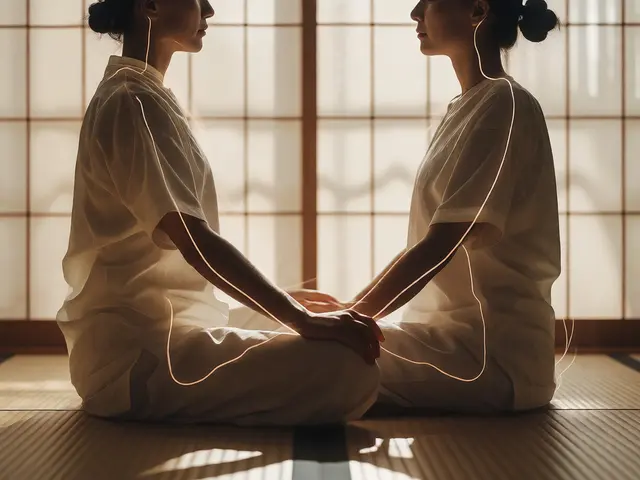
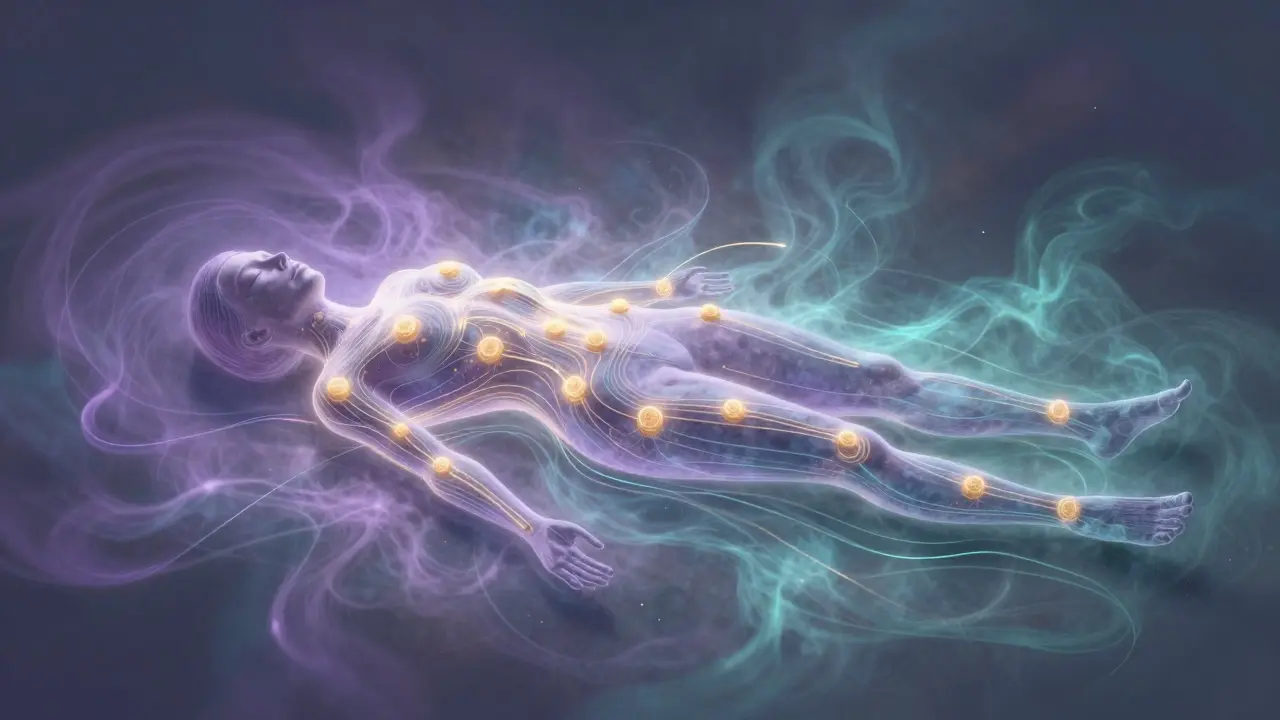
Unlike Swedish massage, which prioritizes long, gliding strokes to soothe the nervous system, Balinese massage is active. It incorporates elements of acupressure, reflexology, and even gentle stretching. Think of it as a hybrid: part therapeutic adjustment, part deep relaxation. The goal isn’t just to make you sleepy; it’s to unblock energy pathways (called *nadis*) and restore balance to the musculoskeletal system.
This historical context matters because it explains the intensity. If you expect a feather-light touch, you’ll be surprised. Therapists use their thumbs, palms, elbows, and sometimes forearms to apply firm, rhythmic pressure. It’s designed to penetrate deeper layers of muscle tissue, making it ideal for people who sit at desks all day or carry tension in their shoulders and lower back.
How It Works: Techniques That Set It Apart
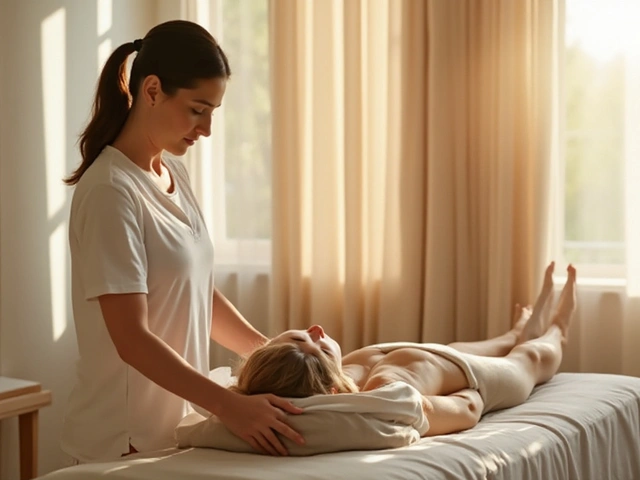
So, what actually happens during a session? A typical Balinese massage lasts between 60 and 90 minutes and covers the entire body. Here’s the step-by-step breakdown of what you can expect:
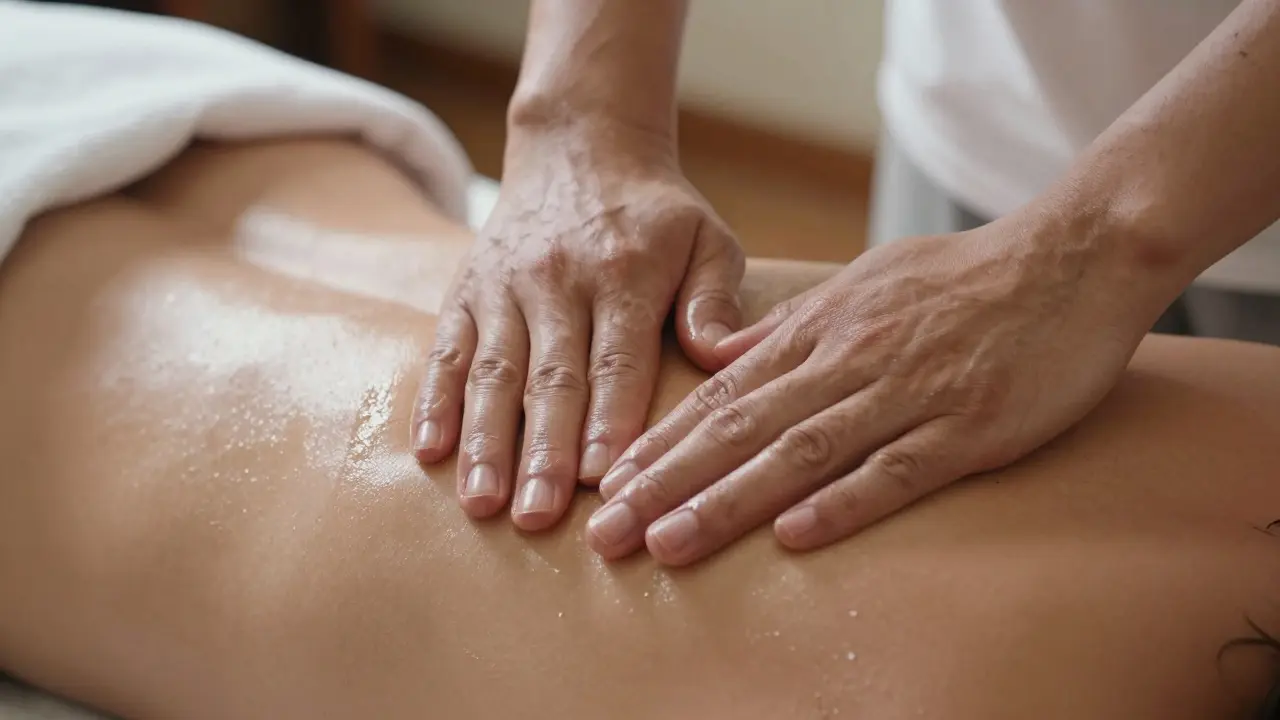
- Warm-up with Oils: The therapist starts by warming aromatic oils-often jasmine, coconut, or lemongrass-and applying them to your skin. This isn’t just for smell; the heat helps loosen tight muscles before any pressure is applied.
- Rhythmic Compression: Using kneading and circular motions, the therapist works along your major muscle groups. The rhythm is steady and hypnotic, helping your mind drift while your body releases tension.
- Acupressure Points: Specific points on your hands, feet, and back are pressed firmly. These spots correspond to internal organs and energy centers. Stimulating them can improve circulation and reduce headaches or digestive issues.
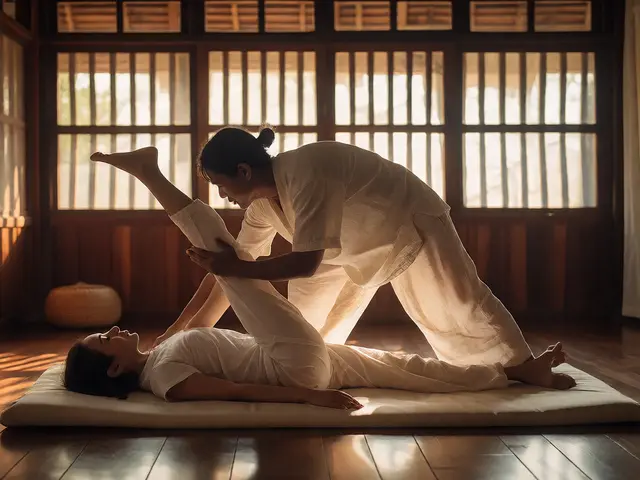
- Gentle Stretching: This is the unique twist. While you lie face down or on your side, the therapist will gently pull your arms, legs, and spine into extended positions. It’s similar to yoga-assisted stretching, but passive-you don’t have to do the work.
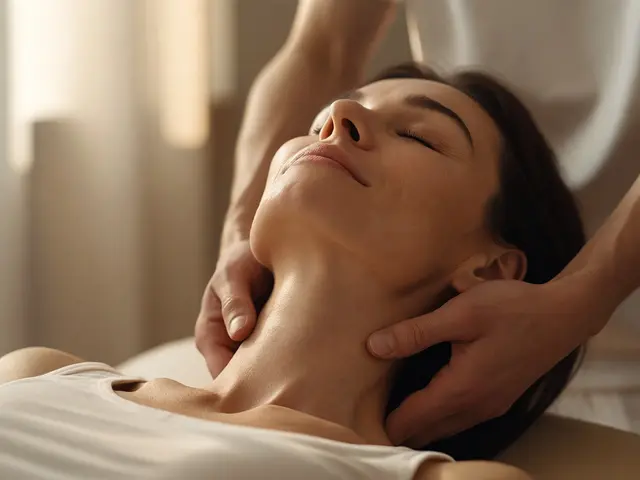
- Chakra Alignment: Toward the end, the focus shifts to energy centers. Light touches over the heart, throat, and forehead help ground the experience, leaving you feeling centered rather than just physically loose.
The combination of these techniques means you’re getting multiple therapies in one session. You’re not just relaxing; you’re actively improving flexibility and reducing chronic pain.
Key Benefits: Why Your Body Will Thank You
People don’t just pick Balinese massage because it sounds exotic. They choose it because it delivers results. Here are the primary benefits backed by both user reports and therapeutic logic:
| Concern | How Balinese Massage Helps |
|---|---|
| Chronic Back Pain | Deep tissue pressure releases trigger points in the lumbar region, reducing stiffness. |
| Stress & Anxiety | Aromatherapy combined with rhythmic strokes lowers cortisol levels significantly. |
| Poor Circulation | Kneading and compression boost blood flow, delivering oxygen to tired muscles. |
| Limited Flexibility | Passive stretching improves joint range of motion without strain. |
| Sleep Issues | The deep relaxation response promotes better sleep quality later that night. |
One standout benefit is the use of essential oils. Jasmine oil, commonly used in Balinese spas, has natural anti-inflammatory properties. When massaged into the skin, it doesn’t just smell nice-it reduces swelling and soothes irritated tissues. Lemongrass oil, another staple, acts as a mild analgesic, dulling pain signals from sore muscles.
For athletes or anyone with an active lifestyle, this massage speeds up recovery. By increasing blood flow and removing metabolic waste products like lactic acid, it helps muscles bounce back faster after intense workouts.
Balinese vs. Other Popular Massages: Which Is Right for You?
If you’re standing in front of a spa menu, you might wonder how this compares to Deep Tissue, Swedish, or Hot Stone massages. Let’s clear up the confusion.
Swedish Massage is a light-to-medium pressure technique focused on relaxation and surface-level muscle tension. It’s great for first-timers or those seeking pure stress relief, but it won’t fix deep knots.
Deep Tissue Massage is an intense therapy targeting chronic muscle adhesions using slow, firm strokes. It’s effective for pain but can be uncomfortable. Balinese massage offers similar depth but with more fluidity and less discomfort due to the oil and stretching components.
Hot Stone Massage uses heated basalt stones to warm muscles. While soothing, it lacks the active manipulation of Balinese massage. You get warmth, but not the structural release.
In short: Choose Swedish for light relaxation. Choose Deep Tissue for targeted pain relief. Choose Balinese when you want the best of both worlds-deep relief plus holistic energy balancing.
What to Expect During Your First Session
First-time visitors often worry about pain or awkwardness. Here’s how to prepare and what to anticipate:
- Communication is Key: Before lying down, tell your therapist about any injuries, sensitivities, or areas of high tension. Balinese therapists adjust pressure based on your feedback. If something hurts, say so. “Good pain” (release) is different from “bad pain” (injury).
- Dressing Down: You’ll undress to your comfort level. Sheets and towels cover you throughout the session. Only the area being worked on is exposed.
- The Smell Factor: Be ready for strong scents. Jasmine and coconut are potent. If you have allergies, mention them beforehand. Most spas offer hypoallergenic alternatives.
- Post-Massage Hydration: Afterward, drink plenty of water. The toxins released from deep tissue need to flush out. Skipping hydration can lead to mild soreness or headache.
Many people feel a wave of fatigue right after the session. This is normal. Your nervous system has shifted from “fight or flight” to “rest and digest.” Take it easy for the rest of the day if possible.
Finding the Right Therapist and Spa
Not all spas label their services accurately. To ensure you get an authentic Balinese experience, look for these signs:
- Certification: Ask if the therapist is trained in Balinese techniques specifically. Some generalist masseurs may mimic the style without understanding the energy-work aspect.
- Oil Quality: Authentic sessions use cold-pressed, natural essential oils. If the oil smells chemical or synthetic, it’s likely a diluted blend.
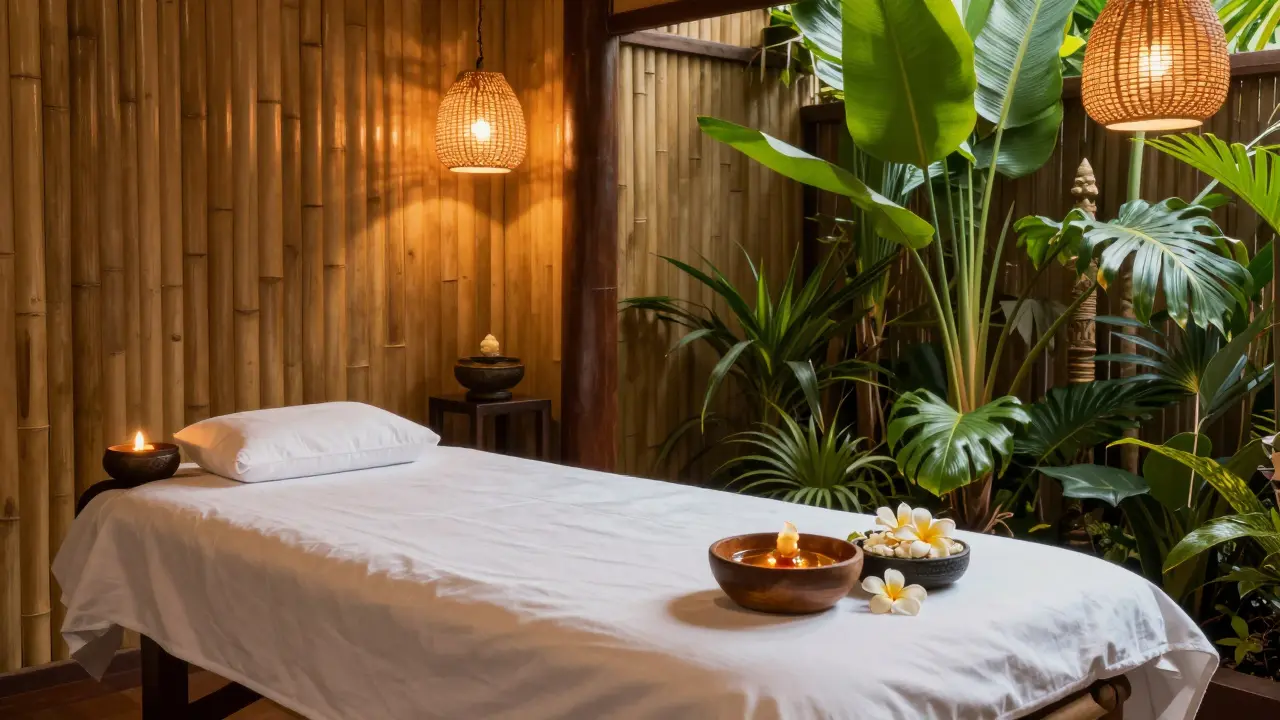
- Environment: Traditional Balinese spas often incorporate elements of nature-bamboo, stone, water sounds. This ambiance supports the holistic intent of the therapy.
In cities like Perth, Sydney, or Melbourne, many wellness centers now offer certified Balinese treatments. Check reviews for mentions of “stretching,” “acupressure,” and “jasmine oil” to verify authenticity.
Who Should Avoid Balinese Massage?
While beneficial for most, this massage isn’t suitable for everyone. Avoid it if you have:
- Open wounds or sunburns (oils and friction will sting)
- Recent surgery or fractures (pressure can disrupt healing)
- Pregnancy (especially in the first trimester; consult your doctor first)
- Severe osteoporosis (deep pressure risks bone injury)
If you have high blood pressure or heart conditions, inform your therapist. They may modify the intensity to keep your pulse stable.
Is Balinese massage painful?
It can be intense, but it shouldn’t be painful. The therapist uses firm pressure to release knots, which may feel uncomfortable at first. However, the addition of warm oils and gentle stretching makes it more tolerable than deep tissue massage. Always communicate your comfort level during the session.
How often should I get a Balinese massage?
For chronic pain or high stress, once a week is ideal. For general maintenance and relaxation, every two to four weeks works well. Listen to your body-if you’re feeling stiff or anxious, schedule a session sooner.
Can I get a Balinese massage if I’m pregnant?
Generally, no-not in the first trimester. In the second and third trimesters, some therapists offer modified prenatal Balinese massage, but you must consult your healthcare provider first. Standard pressure and certain essential oils can be risky during pregnancy.
What is the difference between Balinese and Thai massage?
Thai massage is performed fully clothed and involves more vigorous stretching and acupressure without oils. Balinese massage uses oils, is done partially unclothed, and combines softer kneading with gentle stretches. Thai massage is more athletic; Balinese is more holistic and soothing.
Does Balinese massage really help with anxiety?
Yes. Studies show that massage therapy reduces cortisol (stress hormone) levels. The combination of rhythmic touch, warm oils, and focused breathing in Balinese massage activates the parasympathetic nervous system, promoting calm and reducing anxiety symptoms.
About Author

Popular Posts