Amma Massage: Benefits, Techniques & What to Expect
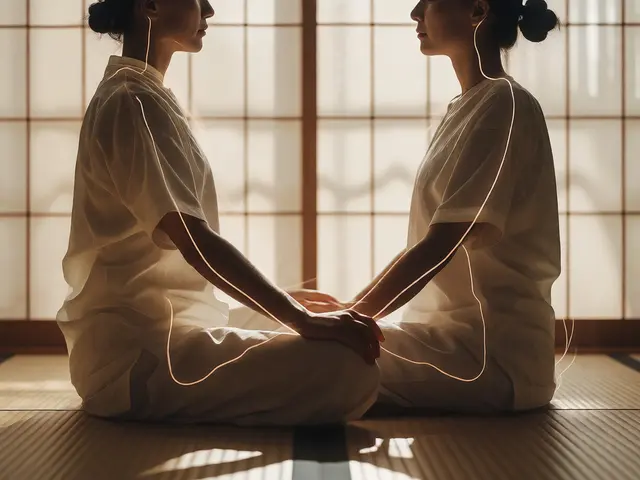
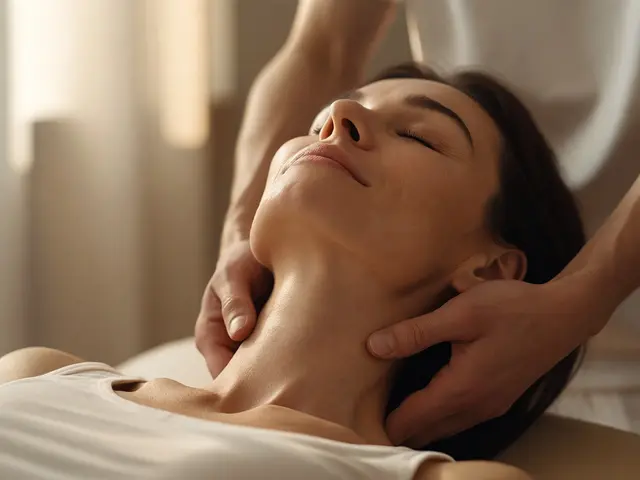
Imagine sitting in a quiet room while someone uses their knuckles to rhythmically compress your muscles. No oils, no lotions, just focused pressure that seems to melt away the knot you’ve been carrying since Monday morning. That is Amma massage is a traditional Japanese bodywork technique that uses rhythmic compression with hands and knuckles to relieve muscle tension and improve circulation. Also known as Japanese compression therapy, it has roots stretching back centuries in East Asian healing practices.
Unlike Western deep tissue work that often involves long strokes and oil, Amma relies on specific hand positions to target trigger points and energy pathways. If you are curious about whether this method fits your wellness routine, here is what you need to know about how it works, who benefits from it, and what to expect during a session.
The Core Technique: How It Works
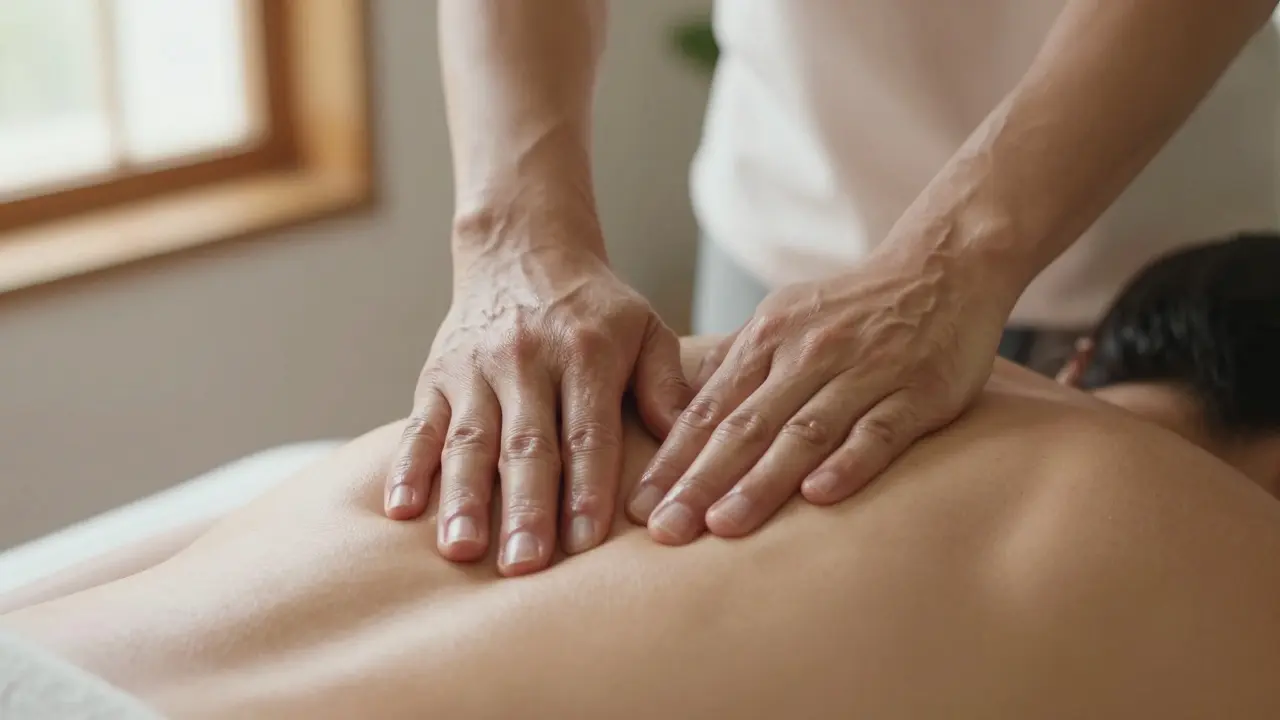
At its heart, Amma is about compression rather than gliding. The therapist uses their thumbs, fingers, palms, and specifically their knuckles to apply steady pressure along the body’s major muscle groups and meridians. This rhythmic tapping and squeezing stimulate blood flow without the friction of sliding hands across skin.
- Knuckle Compression: The most distinctive move. Therapists use the middle phalanges (knuckles) to press into tight areas like the shoulders and lower back.
- Rhythmic Tapping: Quick, light taps help wake up stiff tissues before deeper work begins.
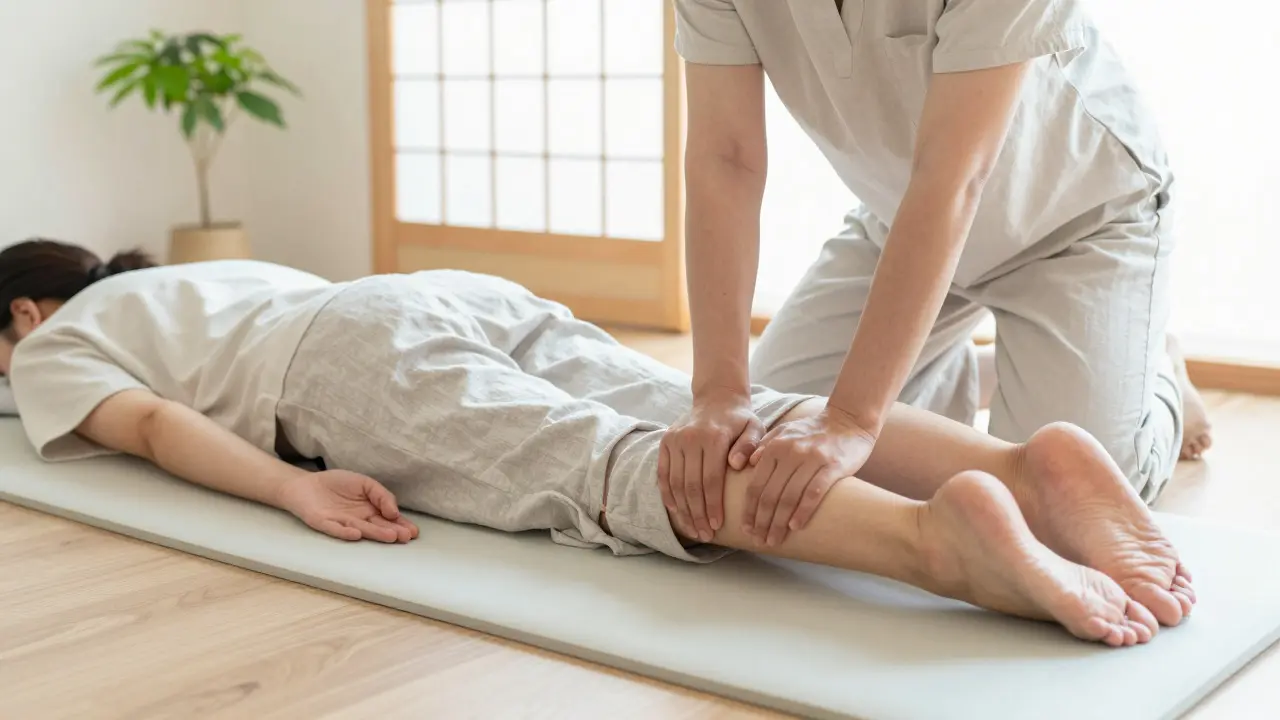
- Palm Pressing: Broader surfaces are used for larger areas like the thighs or calves to promote general relaxation.
This approach differs significantly from Swedish massage, which prioritizes long, flowing strokes to relax the nervous system. While both aim to reduce stress, Amma feels more targeted and percussive. You might describe the sensation as a heavy, rhythmic pounding that releases tension in bursts rather than a gradual unwind.
Health Benefits Beyond Relaxation
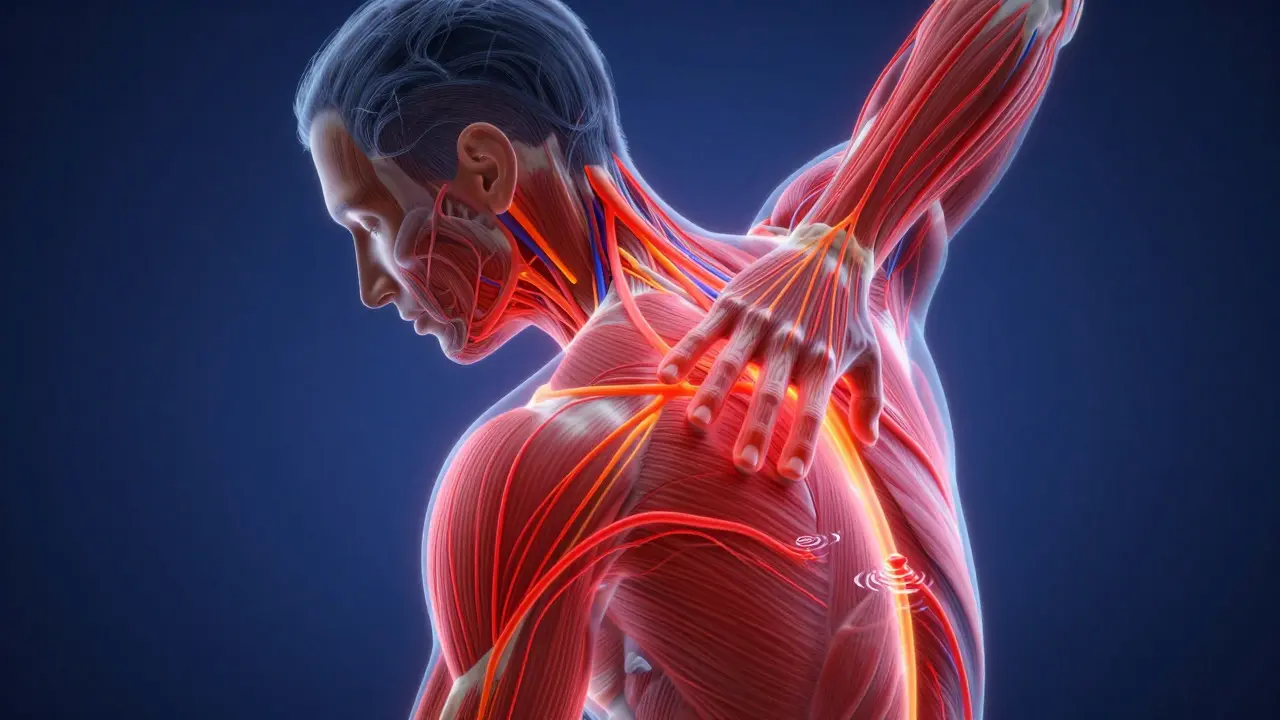
People don’t just seek Amma for a good vibe; they go for tangible physical results. Because the technique focuses on mechanical compression, it directly impacts muscle tissue and circulation.
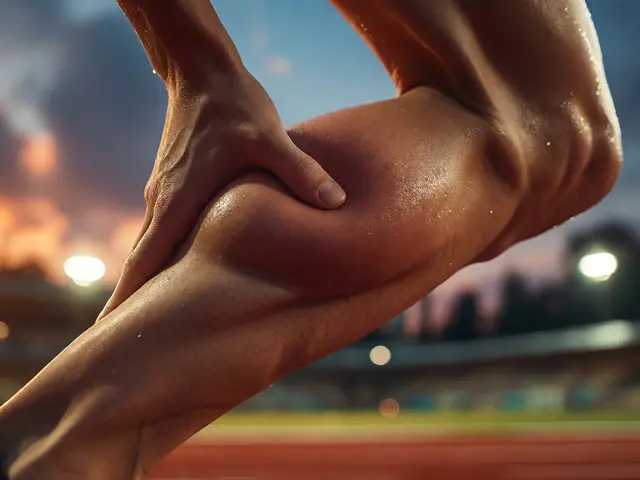
- Reduced Muscle Soreness: Athletes and desk workers often report less stiffness after sessions due to improved blood flow flushing out metabolic waste.
- Better Sleep Quality: By lowering cortisol levels through consistent pressure, many clients find it easier to fall asleep that night.
- Pain Management: Chronic pain sufferers, particularly those with back issues, find relief because the therapy targets deep fascial layers without requiring aggressive stretching.
It is not a cure-all, but for mechanical pain caused by tension, it performs remarkably well. Think of it as maintenance for your body’s engine. Regular check-ups prevent small issues from becoming major breakdowns.
Who Is It For? And Who Should Skip It?
Not every massage style suits everyone. If you have fragile skin, severe varicose veins, or recent surgical wounds, standard Amma might be too intense. However, for most healthy adults, it is an excellent option.
| Feature | Amma Massage | Swedish Massage | Deep Tissue |
|---|---|---|---|
| Primary Tool | Knuckles and Fingers | Palms and Fingers | Elbows and Forearms |
| Use of Oil | No | Yes | Yes |
| Pressure Level | Moderate to High (Rhythmic) | Light to Moderate | High (Sustained) |
| Best For | Circulation, Stiff Muscles | General Relaxation | Chronic Knots |
If you hate the feeling of oil on your skin, Amma is a perfect fit. Since no lubricant is used, you stay dry and comfortable. This makes it popular among people who feel self-conscious about being oiled or who simply prefer a cleaner experience.
What to Expect During Your First Session
Walking into your first Amma appointment can feel unfamiliar if you are used to spa-style massages. Here is the typical flow:
- Consultation: The therapist asks about your health history, current pain points, and any areas to avoid. Be honest about injuries.
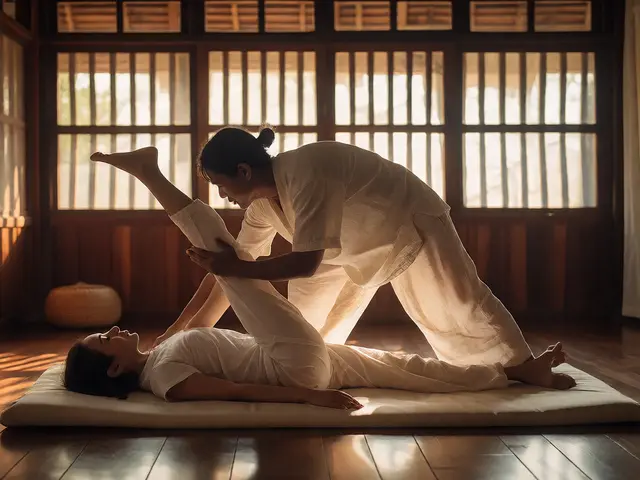
- Positioning: You will usually lie face down on a firm mat or table. Some clinics allow you to keep on underwear; others require a special garment. Ask ahead.
- The Work: The session starts with lighter tapping to warm up the muscles. Then, the therapist moves to deeper knuckle compression. It may feel intense at first, but the rhythm helps your body accept the pressure.
- Cool Down: The final minutes involve lighter strokes or gentle shaking to settle the nervous system.
Do not hold your breath. Many beginners tense up when the pressure hits hard spots. Try to exhale deeply as the therapist applies force. This signals your body to release, making the treatment more effective.
Finding the Right Practitioner
Quality matters immensely in manual therapy. A skilled Amma practitioner knows exactly where to place their knuckles to hit the right depth without bruising you. Look for therapists who have completed specialized training in Japanese compression techniques, not just generic massage certification.
In New Zealand and other Western countries, you might find Amma offered in dedicated wellness centers or integrated into broader physiotherapy practices. Always ask about their experience level. A beginner might treat it like a strong Swedish massage, missing the specific rhythmic patterns that define true Amma.
Cost varies by location and practitioner expertise. In urban areas like Wellington, expect to pay premium rates for certified specialists. However, the investment often pays off in reduced need for painkillers or frequent sports massage sessions.
Integrating Amma Into Your Wellness Routine
You do not need daily treatments to see benefits. For most people, one session every two to four weeks maintains muscle flexibility and reduces cumulative stress. If you sit at a desk all day, consider adding short self-massage breaks using a tennis ball or foam roller to mimic the compression effect between professional sessions.
Pair Amma with hydration. After a session, drink plenty of water to help flush out the toxins released from the muscle tissue. You might feel slightly sore the next day, similar to post-workout fatigue. This is normal and indicates the therapy worked.
Ultimately, Amma offers a direct, no-nonsense approach to body care. It strips away the fluff of luxury spas and focuses on what actually moves your muscles and improves your circulation. If you are tired of surface-level relaxation and want real physical change, give it a try.
Does Amma massage use oil?
No, Amma massage typically does not use oil or lotion. The therapist works directly on your skin or clothing, relying on compression and rhythm rather than gliding motions. This makes it ideal for people who dislike the greasy feeling of traditional massages.
Is Amma massage painful?
It can feel intense, especially when targeting tight knots, but it should not be sharp pain. The pressure is rhythmic and deep. Communicate with your therapist if it hurts too much. Good practitioners adjust based on your feedback to ensure comfort within the therapeutic range.
How often should I get an Amma massage?
For general wellness, once every two to four weeks is sufficient. If you are dealing with acute injury or high-stress periods, weekly sessions might help initially. Listen to your body; if you feel relaxed and mobile, extend the gap between appointments.
What is the difference between Amma and Shiatsu?
Both are Japanese traditions, but they differ in technique. Shiatsu uses thumb pressure along meridian lines and often includes stretching. Amma focuses more on rhythmic compression and tapping with knuckles and palms. Amma tends to feel more percussive and localized, while Shiatsu is more linear and holistic.
Can I wear clothes during an Amma session?
Yes, unlike many Western massages, you can often remain fully clothed or wear minimal undergarments. This depends on the clinic's policy and your preference. Wearing loose, comfortable clothing is recommended to allow easy movement and access for the therapist.



About Author

Popular Posts