Unlocking Your Body's Healing Power through Acupressure
You know that feeling when you’ve been staring at a screen for six hours straight, your neck feels like concrete, and a headache is slowly tightening its grip around your temples? Most of us reach for a painkiller or just power through. But what if the solution was already under your fingertips? Acupressure is an ancient healing technique rooted in Traditional Chinese Medicine (TCM) that uses physical touch to stimulate specific points on the body, aiming to restore balance and relieve pain without needles. It’s not magic, but it is remarkably effective for many common ailments, from insomnia to digestive issues.
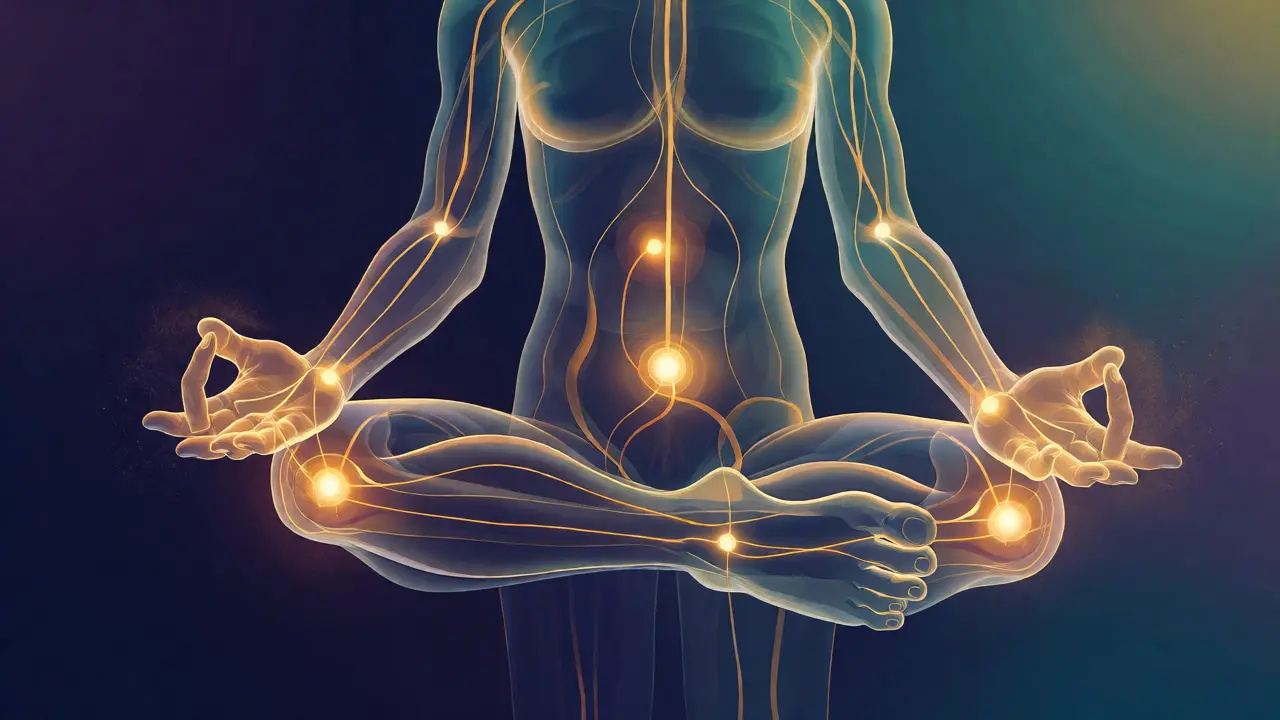
Think of your body as a complex electrical grid. When the flow of energy-known in TCM as Qi (pronounced "chee")-gets blocked, you feel pain or fatigue. Acupressure works by applying firm, steady pressure to these blockage points along pathways called meridians. Unlike acupuncture, which pierces the skin with thin needles, acupressure relies on manual stimulation. This makes it accessible, safe, and something you can actually do yourself at home. Let’s break down how this works, where to press, and how to get real results.
The Science Behind the Touch
While TCM speaks of energy flows, Western medicine looks at acupressure through the lens of neurology and physiology. When you press on specific spots, you’re not just pushing on muscle; you’re triggering a cascade of biological responses. Research suggests that stimulating these points releases endorphins-the body’s natural painkillers-and serotonin, which helps regulate mood and sleep.
A study published in the Journal of Alternative and Complementary Medicine found that acupressure significantly reduced nausea and vomiting in patients undergoing chemotherapy. Another review highlighted its effectiveness in lowering blood pressure and reducing anxiety levels. The mechanism is often linked to the gate control theory of pain: non-painful input closes the "gates" to painful input, preventing pain sensation from traveling to the central nervous system. So, when you press LI4 (the web between your thumb and index finger), you aren't just squeezing skin; you're sending signals that tell your brain to dial down the volume on pain.
Key Pressure Points You Need to Know
You don’t need to memorize all 361 classical points used in TCM. For daily wellness, mastering five key points covers most common complaints. Here is a quick guide to getting started.
| Point Name | Location | Primary Benefits |
|---|---|---|
| LI4 (Hegu) | In the fleshy area between the thumb and index finger. | Headaches, toothache, stress, facial pain. |
| PC6 (Neiguan) | Three finger-widths above the wrist crease, between two tendons. | Nausea, motion sickness, anxiety, heart palpitations. |
| ST36 (Zusanli) | Four finger-widths below the kneecap, one finger-width outside the shinbone. | Digestion, immune support, fatigue, knee pain. |
| LV3 (Taichong) | On the top of the foot, in the depression between the big toe and second toe bones. | Irritability, eye strain, menstrual cramps, high blood pressure. |
| KV1 (Yongquan) | On the sole of the foot, in the depression when toes are curled. | Insomnia, dizziness, grounding, calmness. |
Let’s look closer at LI4, also known as Hegu. This is arguably the most famous point for general pain relief. To find it, squeeze your thumb against your index finger. The highest point of the bulging muscle is where you press. Apply firm pressure using your opposite thumb. You should feel a dull ache or tingling sensation-that’s good. That means you’ve hit the spot. Avoid this point if you are pregnant, as it can stimulate uterine contractions.
For travelers or anyone prone to car sickness, PC6 (Neiguan) is a lifesaver. Locate the crease on your inner wrist. Place three fingers across your wrist, starting from the crease. PC6 is right under your index finger, between the two prominent tendons. Pressing this point calms the stomach and steadies the nerves. Many sea-sickness bands work by continuously pressing this exact spot.
How to Perform Self-Acupressure Correctly
Doing it wrong won’t hurt you, but doing it right maximizes benefits. Here is the step-by-step method professionals use.
- Find a Quiet Spot: You need to be relaxed. If you’re stressed, your muscles tense up, making it harder to access the deeper tissue layers where the points reside.
- Apply Steady Pressure: Use your thumb, middle finger, or knuckle. Press firmly into the point. It should feel intense but not sharp or stabbing. A "good hurt" or deep ache is ideal.
- Maintain Rhythm: Hold the pressure for 5 to 10 seconds, then release slightly. Repeat this cycle for 1-3 minutes per point. Some practitioners prefer small circular motions instead of static pressure.
- Breathe Deeply: Inhale through your nose as you apply pressure, exhale through your mouth as you release. This syncs your nervous system with the physical stimulus.
- Hydrate Afterward: Drink a glass of water. Acupressure stimulates circulation and lymphatic drainage, helping your body flush out metabolic waste products.
Consistency matters more than intensity. Doing this for ten minutes every day yields better long-term results than a single hour-long session once a month. Think of it like brushing your teeth; it’s about maintenance, not emergency repair.
When Acupressure Shines: Real-World Scenarios
Where does this fit in your life? Let’s move beyond theory. Imagine you’re sitting in a meeting, and tension headaches start creeping in due to poor posture. Instead of reaching for ibuprofen, you take thirty seconds to massage your neck base (GB20) and the space between your eyebrows (Yintang). Within minutes, the tightness loosens.
Or consider insomnia. Lying awake at 2 AM, mind racing, you rub KV1 (Yongquan) on the soles of your feet. This point is considered the "root" of the kidney meridian, associated with grounding and calming excess Yang energy (activity) that keeps you awake. Many users report falling asleep faster after consistent evening application.
Digestive issues are another strong suit. Bloating after a heavy meal? Press ST36. It helps regulate gastric motility. Unlike antacids that neutralize acid, ST36 encourages the gut to move things along naturally. It’s why this point is often called the "Leg Three Miles" point-historically, soldiers would press it before marching long distances to sustain stamina.
Safety First: Who Should Be Careful?
While generally safe, acupressure isn’t for everyone in every condition. Always consult a healthcare provider before starting new treatments if you have underlying health issues.
- Pregnancy: Certain points, particularly LI4 and SP6 (Sanyinjiao), can induce labor. Avoid them unless guided by a certified practitioner specializing in prenatal care.
- Blood Disorders: If you take blood thinners (like warfarin) or have clotting disorders, avoid deep pressure that might cause bruising or internal bleeding.
- Open Wounds: Never press directly on cuts, burns, varicose veins, or inflamed areas.
- Cancer Patients: While helpful for symptom management, avoid pressing directly over tumors or radiation sites. Consult your oncologist first.
If you feel dizzy, nauseous, or unusually fatigued during a session, stop immediately. This is sometimes called a "healing crisis," where the body reacts strongly to the shift in energy, but it’s best to proceed gently next time.

Building a Daily Routine
You don’t need a full hour. Integrate micro-sessions into your existing habits. Here’s a simple starter plan:
- Morning: Wake up with KV1 on the feet while still in bed. Promotes alertness and grounds you for the day.
- Midday: At your desk, use PC6 for stress and LI4 for eye strain/headaches. Takes 2 minutes.
- Evening: Before bed, massage LV3 to unwind irritability and PC6 to calm the heart rate. Prepares the body for rest.
Track your progress. Keep a simple note on your phone: "Pressed ST36, digestion improved within 20 mins." Over time, you’ll learn which points work best for your unique biology. Everyone responds differently. One person might find relief from back pain via GB20, while another needs BL23 on the lower back.
Final Thoughts on Self-Care
Acupressure puts agency back in your hands. In a world where we constantly outsource our health to pills and procedures, this practice reminds us that our bodies have innate wisdom and repair mechanisms. It’s low-cost, side-effect-free, and highly portable. Whether you’re dealing with chronic pain, acute stress, or just want to optimize your well-being, learning these points is a skill that pays dividends for life.
Start small. Pick one point, like LI4, and practice for a week. Notice the changes. Then add another. Soon, you’ll have a toolkit of pressure points ready to tackle whatever your day throws at you. Your body wants to heal; sometimes, it just needs a little nudge in the right direction.
Is acupressure the same as acupuncture?
No, they are related but distinct. Both target the same meridian points based on Traditional Chinese Medicine principles. However, acupuncture uses sterile needles inserted into the skin, while acupressure uses manual physical pressure. Acupressure is non-invasive and can be performed by oneself, whereas acupuncture requires a licensed practitioner.
How long does it take for acupressure to work?
Immediate relief is possible for acute issues like headaches or nausea, often within minutes. For chronic conditions like back pain or insomnia, consistency is key. Most people notice significant improvements after 2-4 weeks of regular daily practice. Individual response varies based on overall health and severity of symptoms.
Can I do acupressure every day?
Yes, daily practice is recommended and safe for most people. Short sessions of 5-10 minutes are sufficient. Listen to your body; if a point becomes overly tender or sore, give it a rest day. Hydration is important after sessions to help flush toxins released during the process.
What does it mean if I don't feel anything when pressing a point?
You may not have located the exact center of the point. Try moving your finger millimeters in different directions until you find a spot that feels sensitive, achy, or warm compared to surrounding tissue. Sometimes, numbness can indicate severe stagnation or nerve compression, so ensure you are applying adequate, firm pressure rather than light touching.
Are there any side effects of acupressure?
Side effects are rare but can include mild bruising, temporary soreness, or lightheadedness if pressed too hard or done on an empty stomach. Some people experience emotional release, such as crying or laughing, as tension leaves the body. These effects usually subside quickly. Drinking water helps mitigate any discomfort.



About Author