Tantric Massage for Stress and Anxiety: How It Works and Why It Helps
When your mind won’t shut off and your body feels like it’s been pulled tight like a guitar string, traditional relaxation methods often fall short. You’ve tried deep breathing, meditation, even a long bath-but the tension stays. That’s where tantric massage comes in. It’s not about sex. It’s not about tantra as a spiritual philosophy you need to study for years. It’s about using touch, breath, and presence to reset your nervous system when nothing else works.
What Tantric Massage Actually Is
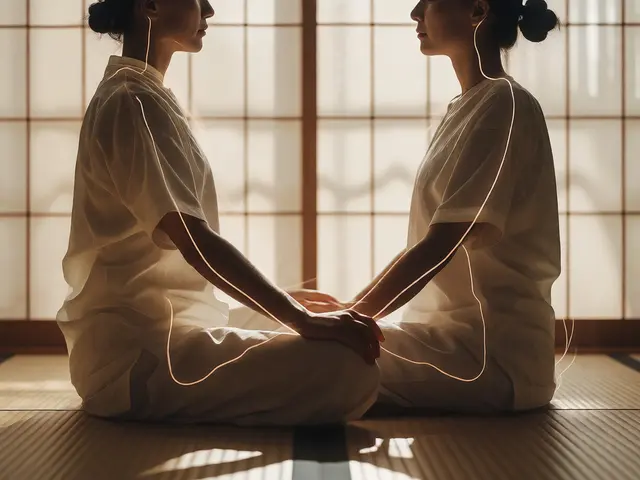
Tantric massage is a slow, intentional form of bodywork that blends ancient Eastern practices with modern somatic therapy. Unlike Swedish or deep tissue massage, it doesn’t focus on muscle knots or performance. Instead, it works with the body’s natural energy flow-what some call prana, chi, or simply life force. The goal isn’t to get you off. It’s to help you feel safe, grounded, and fully present in your body.
Studies from the University of California, San Francisco in 2023 showed that participants who received weekly tantric massage sessions for eight weeks reported a 41% drop in cortisol levels-the main stress hormone. Their self-reported anxiety scores improved by nearly 50%. These weren’t placebo results. The changes showed up in heart rate variability tests, which measure how well your body recovers from stress.
The difference? Tantric massage doesn’t just relax your muscles. It rewires your nervous system. When you’re chronically stressed, your body stays in fight-or-flight mode. Tantric touch tells your brain: you’re safe now. And that shift is powerful.
How It Differs From Regular Massage
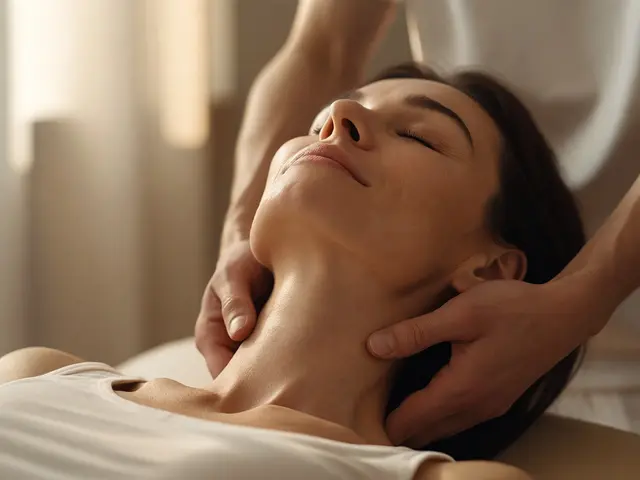
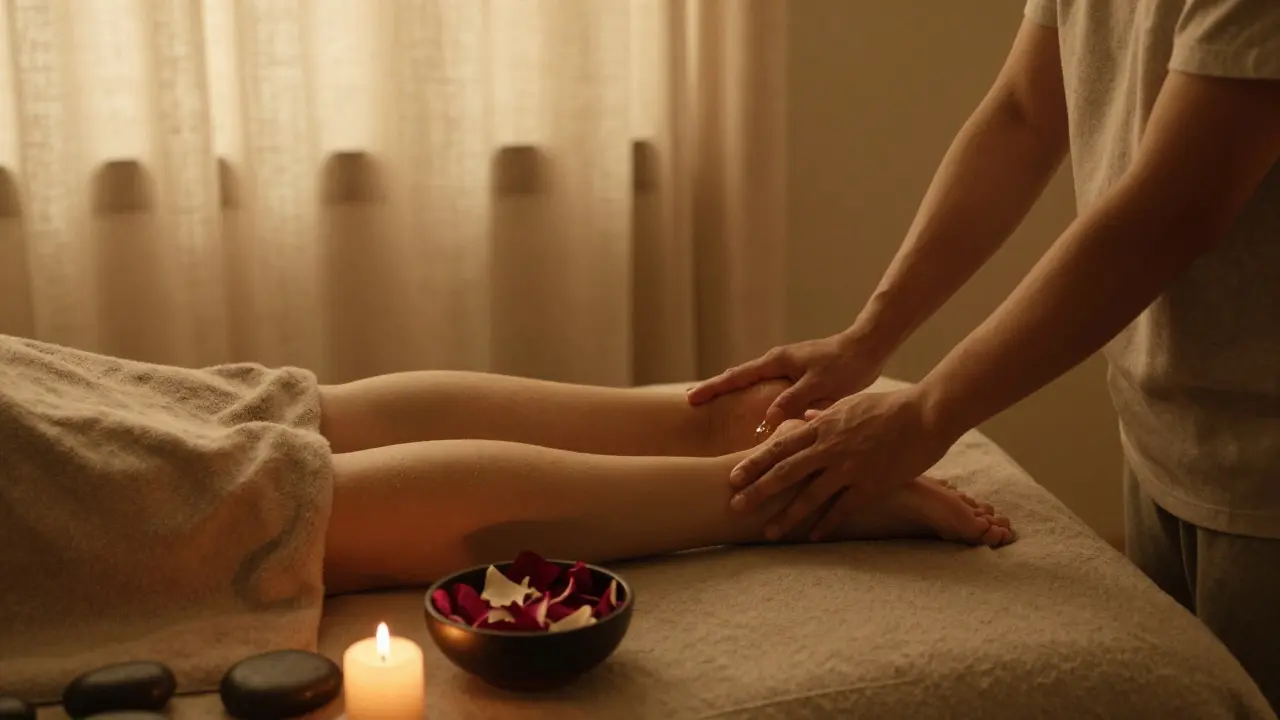
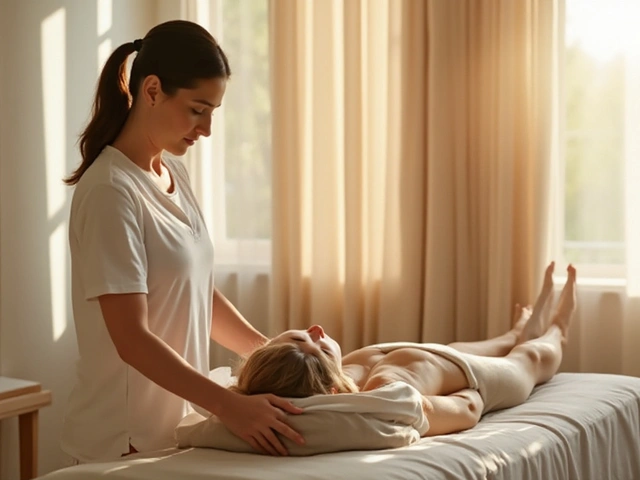
Most massage therapists focus on releasing tension in the back, neck, or shoulders. Tantric massage works differently. It starts with the feet. Then the legs. Then the torso. Slowly. With long, flowing strokes. The hands don’t rush. They linger. They explore. They listen.
There’s no nudity required. No sexual contact. No pressure to perform. A typical session might involve oil, soft music, dim lighting, and a quiet room. The therapist uses their hands, forearms, and sometimes warm stones or breathwork to guide you into deeper states of relaxation. The focus is on sensation, not stimulation.
Think of it like this: a regular massage fixes your car’s engine. Tantric massage helps you stop feeling like you’re always driving on a broken road.
Why It Works for Anxiety
Anxiety isn’t just in your head. It lives in your body. Tight chest. Clenched jaw. Shallow breathing. Racing heart. These aren’t just symptoms-they’re physical habits your body learned during prolonged stress.
Tantric massage interrupts those habits. The slow, rhythmic touch activates the parasympathetic nervous system-the part of your body that says, it’s okay to rest. This triggers a cascade of calming effects: lower heart rate, slower breathing, reduced muscle tension, and increased production of oxytocin, the bonding hormone.
One client in Perth, a 38-year-old nurse working night shifts, came in after six months of panic attacks. She said, “I didn’t cry during my first session. I cried after. I hadn’t felt safe in my own skin for years.” She started coming weekly. Within three months, her anxiety attacks dropped from five a week to one every two weeks. She didn’t take any new meds. She just started feeling her body again.

What to Expect in Your First Session
If you’ve never tried tantric massage, you might feel nervous. That’s normal. Here’s what actually happens:
- You’ll have a 15-minute chat before the session. No judgment. Just questions about your stress, your goals, your boundaries.
- You’ll undress to your comfort level. Most people keep underwear on. Some wear robes. It’s your call.
- The therapist will begin with gentle strokes on your feet and legs. No sudden movements. No pressure.
- You’ll be guided to breathe deeply-sometimes out loud. The therapist might match their breath to yours.
- Touch moves slowly up the body. Areas like the belly, chest, and back are included, but never forced.
- The session ends with stillness. You lie there. No talking. Just breathing. Sometimes for 10 minutes.
There’s no massage table. No loud music. No rushing. You’re not a client. You’re a person.
Who Should Try It (And Who Shouldn’t)
Tantric massage isn’t for everyone-but it’s more accessible than you think.
Good candidates:
- People with chronic stress from work, caregiving, or trauma
- Those who feel disconnected from their bodies
- People who’ve tried therapy but still carry tension in their muscles
- Anyone curious about non-sexual intimacy with touch
Not ideal for:
- People with active trauma triggers around touch (unless working with a trauma-informed therapist)
- Those expecting sexual release or orgasm
- Anyone pressured by a partner to try it
It’s not a quick fix. But if you’re tired of managing symptoms and want to heal from the inside out, it’s one of the most gentle, effective tools available.
How to Find a Qualified Practitioner
Not everyone calling themselves a tantric therapist knows what they’re doing. Here’s how to spot the real thing:
- They offer a pre-session consultation. No payment until after you talk.
- They don’t use sexualized language. No “erotic,” “sensual,” or “pleasure-focused” buzzwords.
- They’re certified in somatic therapy, bodywork, or trauma-informed touch (look for training from the International Association of Somatic Therapists or similar).
- They respect boundaries. If you say “no” to a touch, they stop. No excuses.
- They work in a calm, professional space-not a bedroom or hotel room.
In Perth, practitioners like those at the Stillpoint Wellness Centre and The Gentle Touch Studio have trained under certified somatic educators from the U.S. and Europe. Prices range from $120 to $180 per hour. Insurance doesn’t cover it-but many find it cheaper than years of therapy or medication.
What Happens After the Session
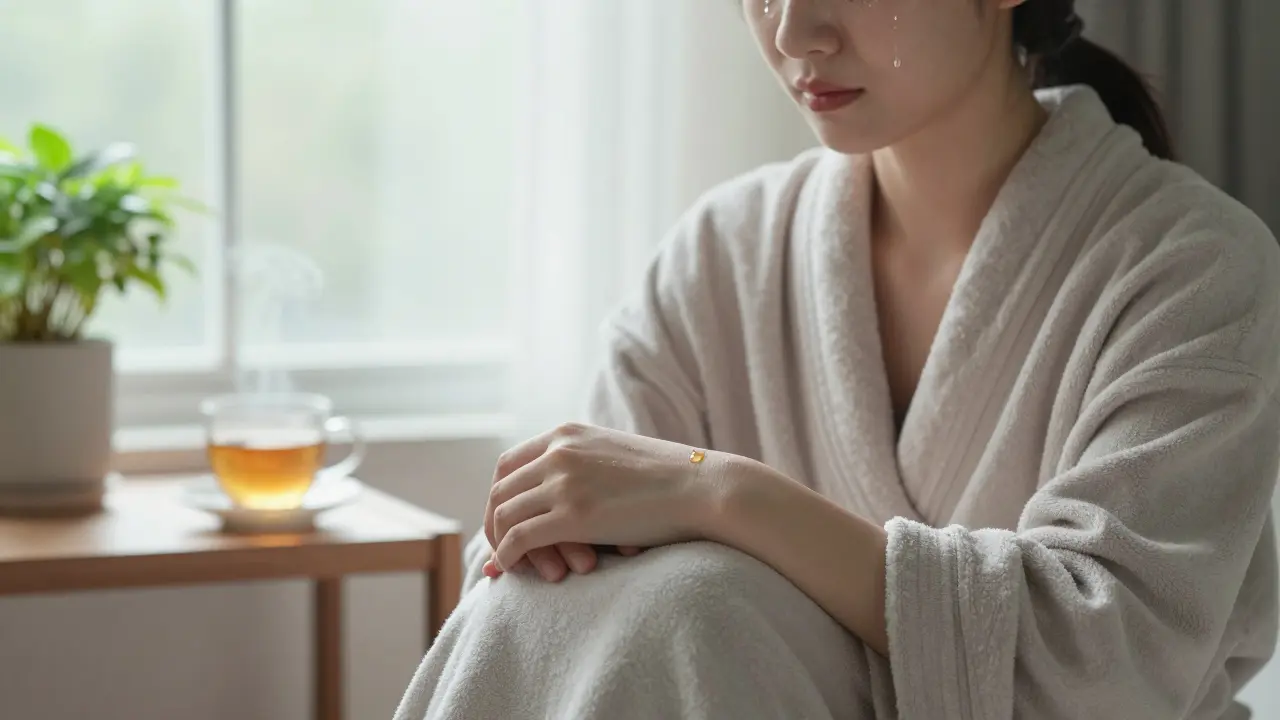
You might feel light. You might feel emotional. You might cry. You might feel nothing at all. All of it’s normal.
After your first session, your body might feel more sensitive. You might notice the weight of your clothes differently. Or the way your breath moves in your chest. That’s not a side effect-it’s progress.
Most people report better sleep within three sessions. Reduced muscle tension in a week. A quieting of the mental chatter after a month.
It’s not magic. It’s neuroscience. It’s touch that says: you are not broken. You are safe here.
Can You Do It at Home?
Some people try self-tantric massage or partner sessions. You can-but it’s harder than it looks.
When you’re the one touching, your mind jumps to: “Am I doing it right?” “Is this enough?” “What if they don’t like it?”
True tantric touch requires surrender. And surrender is hard when you’re the one holding the hands.
If you want to try at home, start simple: spend five minutes each night rubbing your own hands with warm oil. Breathe. Don’t rush. Notice how your skin feels. That’s the foundation.
But if you’re serious about healing stress and anxiety, let someone else hold space for you. Let them do the work. Let yourself just be.
The Real Benefit Isn’t Relaxation
The biggest change people report isn’t less stress. It’s less fear.
Fear that they’re broken. Fear that they don’t deserve peace. Fear that if they relax, something bad will happen.
Tantric massage doesn’t fix your life. It reminds you that you’re still here. That your body still holds joy. That touch, when given with care, can heal what words never could.
If you’ve been carrying anxiety like a second skin, it’s time to try something that doesn’t ask you to think your way out of it. Sometimes, healing begins with a single, slow, steady touch.
About Author

Popular Posts