Sports Massage Guide: Recovery, Performance, and Injury Prevention
You just finished a grueling 10K run or crushed a heavy leg day at the gym. Your muscles are screaming, your joints feel stiff, and you’re wondering if you should ice it, heat it, or just crawl into bed for three days. That is exactly where sports massage comes in. It is not just a luxury spa treatment for athletes who have won gold medals. It is a targeted therapeutic tool designed to keep your body moving efficiently, whether you are training for a marathon or just trying to walk up stairs without pain.
Many people think massage is only for relaxation. While sports massage can definitely help you unwind, its primary job is mechanical and physiological. It works on the specific tissues used during physical activity to speed up recovery, prevent injuries before they happen, and improve your range of motion. If you treat your body like a machine, sports massage is the regular maintenance that keeps the engine running smoothly.
What Exactly Is Sports Massage?
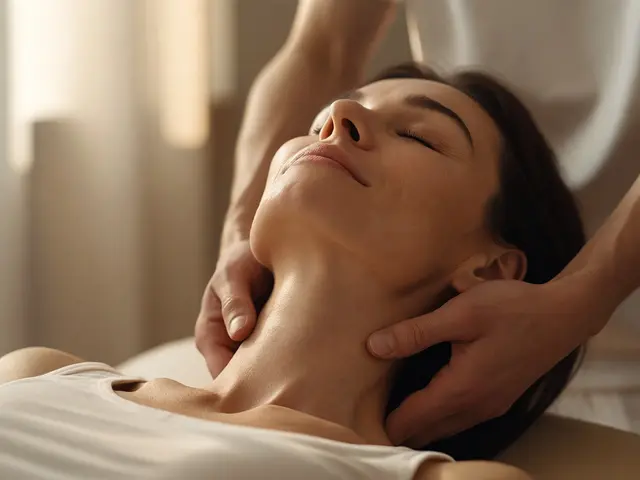
To understand why this therapy works, we need to look at what it actually does to your body. Unlike a standard Swedish massage, which uses long, gliding strokes to promote general relaxation, sports massage is more aggressive and focused. A therapist will use a combination of techniques to target specific muscle groups, tendons, and ligaments.
The core goal is to address the unique needs of active individuals. This means working out knots (trigger points), breaking down scar tissue, and improving blood flow to areas that are under stress. Think of it as tuning an instrument. If one string is too tight or another is loose, the whole sound suffers. Sports massage adjusts the tension in your muscles so your body functions as a cohesive unit.
There are generally three phases of sports massage, each with a different purpose:
- Maintenance Massage: Done regularly to prevent problems. It keeps muscles flexible and prevents adhesions from forming.
- Rehabilitative Massage: Used when you are already injured. The focus is on healing damaged tissue and restoring function.
- Pre-Event and Post-Event Massage: Specific protocols used right before or after competition to prepare the body or flush out metabolic waste.
Why Athletes and Active People Need It
You might be thinking, "I’m not a professional athlete. Do I really need this?" The answer is yes, if you engage in any repetitive physical activity. Whether you are a weekend warrior playing tennis, a runner logging miles, or someone who sits at a desk all day and then tries to lift heavy objects, your body accumulates micro-trauma.
Sports massage helps in several critical ways. First, it improves circulation. When blood flows better, oxygen and nutrients reach your muscles faster, and waste products like lactic acid are removed more efficiently. This directly impacts how fast you recover between workouts.
Second, it breaks down scar tissue. Every time you strain a muscle or pull a tendon, your body repairs it with collagen fibers. These fibers often form in a haphazard way, creating adhesions that restrict movement. A skilled therapist uses friction and pressure to realign these fibers, restoring elasticity to the tissue.
Third, it reduces mental stress. Physical tension and mental stress are linked. By releasing physical tightness, you also lower cortisol levels, which helps you sleep better and stay focused. For competitive athletes, this mental clarity can be the difference between winning and losing.
Types of Techniques Used in Sports Massage
A sports massage session isn’t one-size-fits-all. Therapists use a toolkit of techniques depending on your needs. Here are the most common methods you will encounter:
| Technique | How It Works | Best For |
|---|---|---|
| Effleurage | Long, gliding strokes that warm up the tissue and increase blood flow. | Beginning and ending sessions; general relaxation. |
| Petrissage | Kneading and squeezing muscles to release tension and improve mobility. | Loosening tight muscle bands and reducing stiffness. |
| Friction | Deep, circular movements applied across the grain of the muscle. | Breaking down scar tissue and adhesions in tendons and ligaments. |
| Tapping (Tapotement) | Rhythmic tapping or chopping motions to stimulate nerves and muscles. | Waking up muscles before an event; increasing alertness. |
| Trigger Point Therapy | Applying sustained pressure to specific knots in the muscle. | Relieving referred pain and localized spasms. |
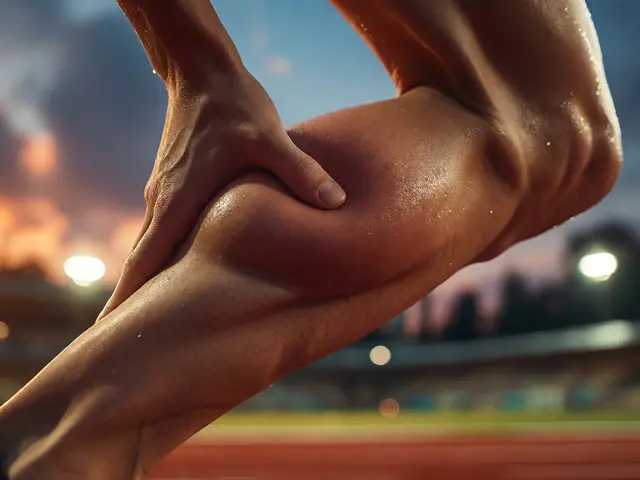
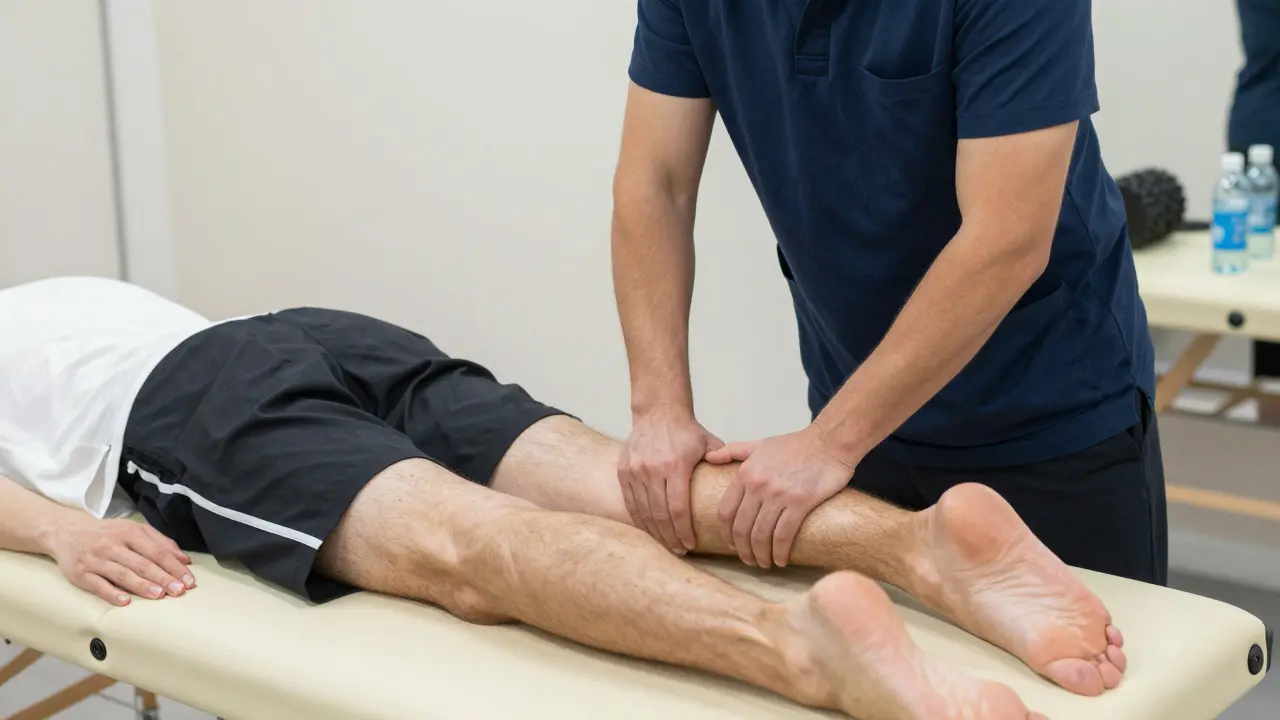
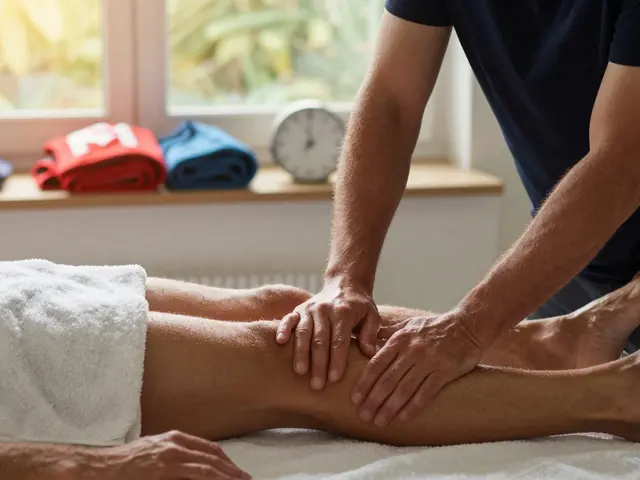
Your therapist will likely combine these techniques. For example, they might start with effleurage to warm up your calves, move to petrissage to loosen the gastrocnemius muscle, and finish with friction on any tight spots near the Achilles tendon.
Pre-Event vs. Post-Event Massage
Timing matters. Getting a massage two hours before a race is very different from getting one two hours after. Understanding the difference can make or break your performance.
Pre-event massage is short, intense, and stimulating. It usually lasts 15 to 30 minutes. The goal is to increase blood flow, raise muscle temperature, and mentally prepare you for the effort ahead. You want to wake up your nervous system, not relax it into a coma. Expect light stretching and brisk strokes. Avoid deep tissue work here, as it can cause inflammation and fatigue right when you need peak energy.
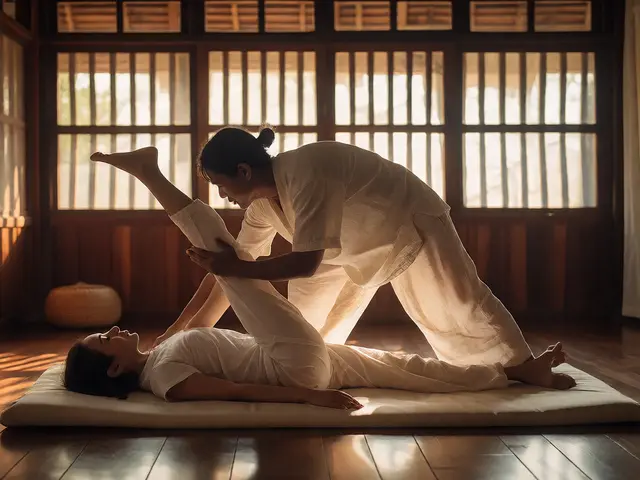
Post-event massage is about recovery. It can be done immediately after the event or within 48 hours. The focus is on flushing out metabolic waste, reducing swelling, and calming the nervous system. This session is often longer and may include gentle stretching to restore length to muscles that have shortened during exertion. If you wait too long-more than 72 hours-the acute inflammation has already settled, and the benefits decrease significantly.
Who Should Get Sports Massage?
You do not need to run marathons to benefit from this therapy. In fact, some of the biggest beneficiaries are people who lead sedentary lives but try to stay fit on weekends. This "weekend warrior" syndrome leads to sudden spikes in physical demand that unprepared bodies cannot handle.
Office workers are another prime candidate. Sitting for eight hours a day shortens hip flexors and tightens hamstrings. When you finally stand up to exercise, those imbalances can lead to knee or back pain. Sports massage addresses these postural issues by lengthening tight muscles and strengthening weak ones through manual manipulation.
If you suffer from chronic conditions like plantar fasciitis, shin splints, or rotator cuff impingement, sports massage can be part of your rehabilitation plan. It complements physical therapy by addressing the soft tissue components that exercises alone might miss.
Finding the Right Therapist
Not all massage therapists are trained in sports massage. It requires specific knowledge of anatomy, kinesiology, and injury mechanics. When looking for a provider, ask about their credentials. Look for certifications such as Licensed Massage Therapist (LMT) with additional training in sports massage or orthopedic techniques.
Communication is key. Before your session, tell the therapist about your sport, your recent injuries, and your goals. Are you preparing for a big game? Dealing with nagging shoulder pain? Want to improve flexibility? A good therapist will tailor the session to your needs rather than following a generic script.
Also, consider the setting. Some clinics specialize in sports medicine and work closely with physical therapists and doctors. This integrated approach can provide a more comprehensive care plan, especially if you are recovering from surgery or a significant injury.
What to Expect During Your First Session
If you have never had a sports massage, you might be nervous about the intensity. It is normal to feel some discomfort, especially if you have chronic tightness. However, pain should never be sharp or unbearable. Use a scale of 1 to 10, where 10 is excruciating. Aim for a 6 or 7-a "good hurt" that feels relieving afterward.
Here is a typical flow of a 60-minute session:
- Consultation: The therapist asks about your health history, current pains, and goals.
- Assessment: They observe your posture and movement patterns, possibly asking you to perform simple movements like squatting or reaching.
- Treatment: The hands-on work begins. They will focus on problem areas while also treating surrounding muscles to ensure balance.
- Educational Advice: Afterward, they may suggest stretches, foam rolling techniques, or lifestyle changes to support your progress.
Hydration is crucial after a session. The process releases toxins and metabolic waste into your bloodstream. Drinking plenty of water helps your kidneys filter these out, reducing soreness and fatigue.
Integrating Sports Massage Into Your Routine
To get the most out of sports massage, consistency is better than intensity. One deep tissue session a year will not fix chronic issues. Instead, aim for regular maintenance. For highly active individuals, once a month is a good baseline. During peak training seasons, you might increase this to twice a month.
Combine massage with other recovery tools. Foam rolling, stretching, and proper nutrition work synergistically with manual therapy. Think of sports massage as one piece of the puzzle. It accelerates recovery, but it does not replace rest, sleep, or balanced training loads.
Listen to your body. If you feel unusually sore or stiff, schedule a session early. Addressing minor issues before they become major injuries saves you time, money, and frustration in the long run. Your body is your most important asset. Treat it with the care it deserves.
How often should I get a sports massage?
For general maintenance, once a month is sufficient. If you are in a high-intensity training phase or recovering from an injury, you may benefit from weekly or bi-weekly sessions. Listen to your body’s signals; increased stiffness or pain indicates a need for more frequent care.
Does sports massage hurt?
It can be uncomfortable, especially if you have chronic tension or trigger points. However, it should not cause sharp or unbearable pain. Communicate with your therapist about pressure levels. A "good hurt" that feels relieving afterward is ideal, but severe pain is not necessary for effectiveness.
Can sports massage help with non-athletic injuries?
Yes. Sports massage is effective for any condition involving muscle tension, scar tissue, or restricted movement. This includes office-related posture issues, carpal tunnel syndrome, and chronic back pain. The techniques focus on restoring function, regardless of the source of the injury.
What is the difference between sports massage and deep tissue massage?
Deep tissue massage focuses on slow, firm pressure to reach deeper muscle layers to relieve chronic tension. Sports massage is more dynamic and functional. It targets specific muscles used in athletic activities, incorporates stretching, and aims to improve performance and prevent injury, not just relieve pain.
Should I drink water after a sports massage?
Absolutely. Massage releases metabolic waste products like lactic acid into your bloodstream. Drinking water helps your kidneys filter these toxins out of your system, reducing post-massage soreness and fatigue. Aim for at least 16 ounces of water within the first hour after your session.

About Author

Popular Posts