Balinese Massage: Your Ultimate Guide to Deep Relaxation
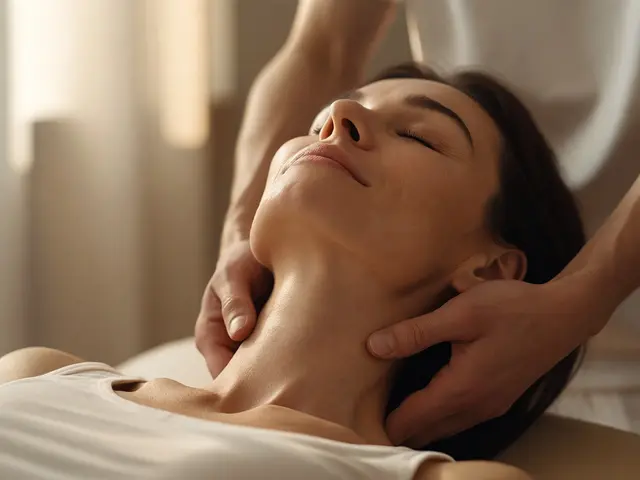
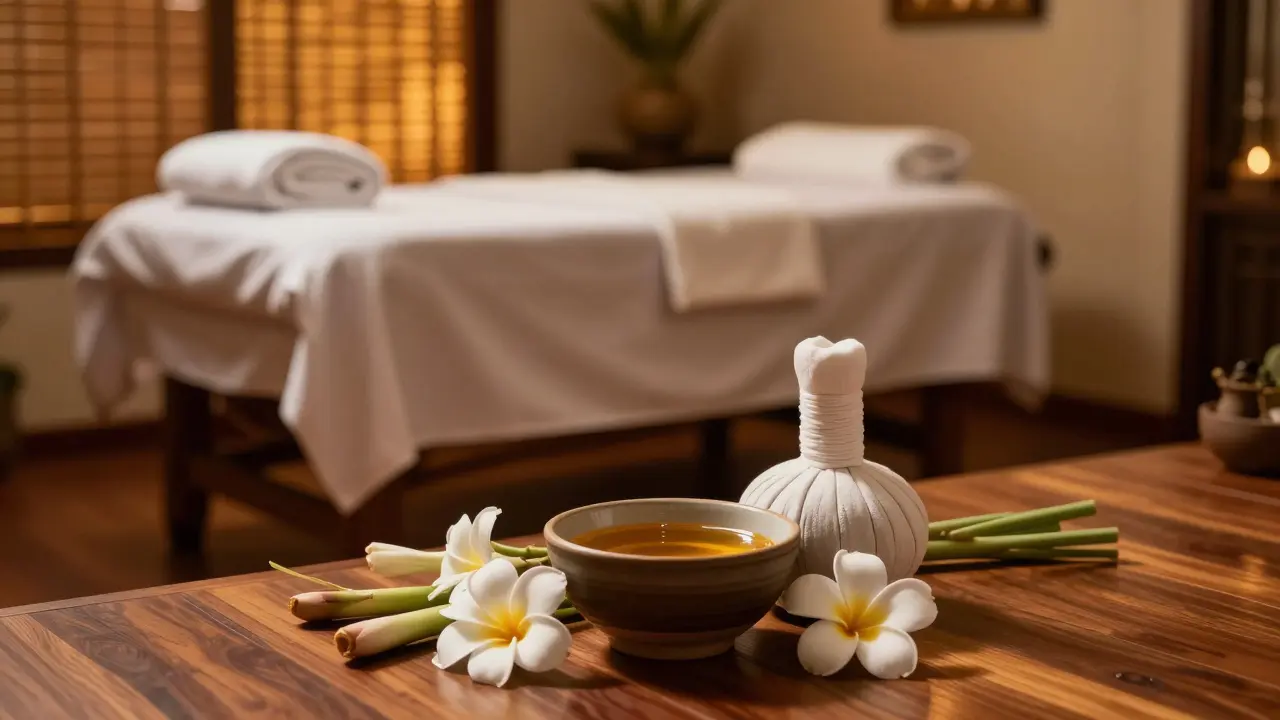
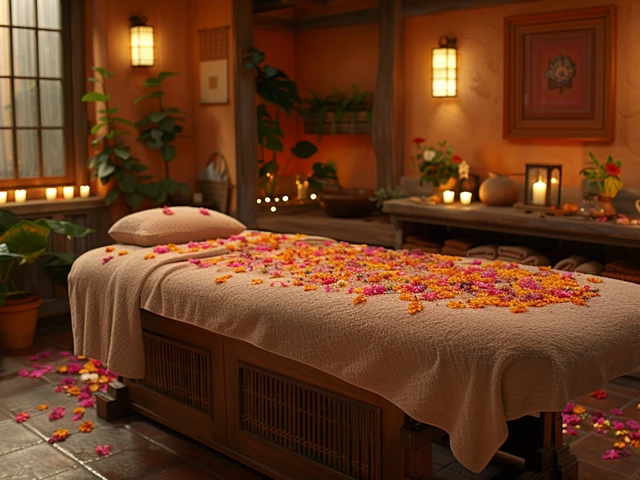
You step into the room. The air smells like frangipani and warm sandalwood. Soft gamelan music plays in the background. You lie down on a warm table, and within minutes, your shoulders drop. This is Balinese massage, a traditional Indonesian bodywork therapy that combines Swedish massage techniques with acupressure, reflexology, and aromatherapy to promote deep relaxation and physical healing. It isn’t just a rubdown; it’s a full-body ritual designed to reset your nervous system.
If you’ve ever felt stuck in a cycle of stress, tight muscles, or mental fog, this ancient practice might be exactly what you need. Unlike a quick sports massage focused solely on injury recovery, Balinese massage treats the whole person-body, mind, and spirit. Let’s break down exactly how it works, what you should expect during a session, and why it has become a global standard for holistic wellness.
The Roots of Balinese Massage
To understand why this massage feels so different from a standard Western treatment, you have to look at its origins. Balinese massage evolved from ancient Hindu-Buddhist traditions brought to the island of Bali centuries ago. The locals believed that health depended on the free flow of energy, or prana, through the body’s channels.
When this energy gets blocked, pain and illness follow. The goal of the therapist, known as a bali healer, is to remove these blockages. Over time, the technique merged with European methods introduced by colonial travelers. Today, it stands as a hybrid art form. It keeps the spiritual intent of the East but uses the anatomical precision of the West. This blend makes it accessible to people who might be skeptical of purely spiritual healing practices.
How Balinese Massage Works: The Core Techniques
A typical session lasts between 60 and 90 minutes. It covers the entire body, including the head, face, hands, and feet. The therapist doesn’t just use their hands; they use forearms, elbows, and even thumbs to apply pressure. Here are the four pillars that make up the experience:
- Swedish Stroke Movements: Long, gliding strokes (effleurage) warm up the muscles and increase blood circulation. This prepares the tissue for deeper work.
- Acupressure: The therapist applies steady pressure to specific points along your meridians (energy pathways). This releases tension knots and stimulates the release of endorphins.
- Reflexology: Pressure is applied to the soles of your feet and palms of your hands. These areas correspond to organs and systems in the rest of your body, helping to balance internal functions.
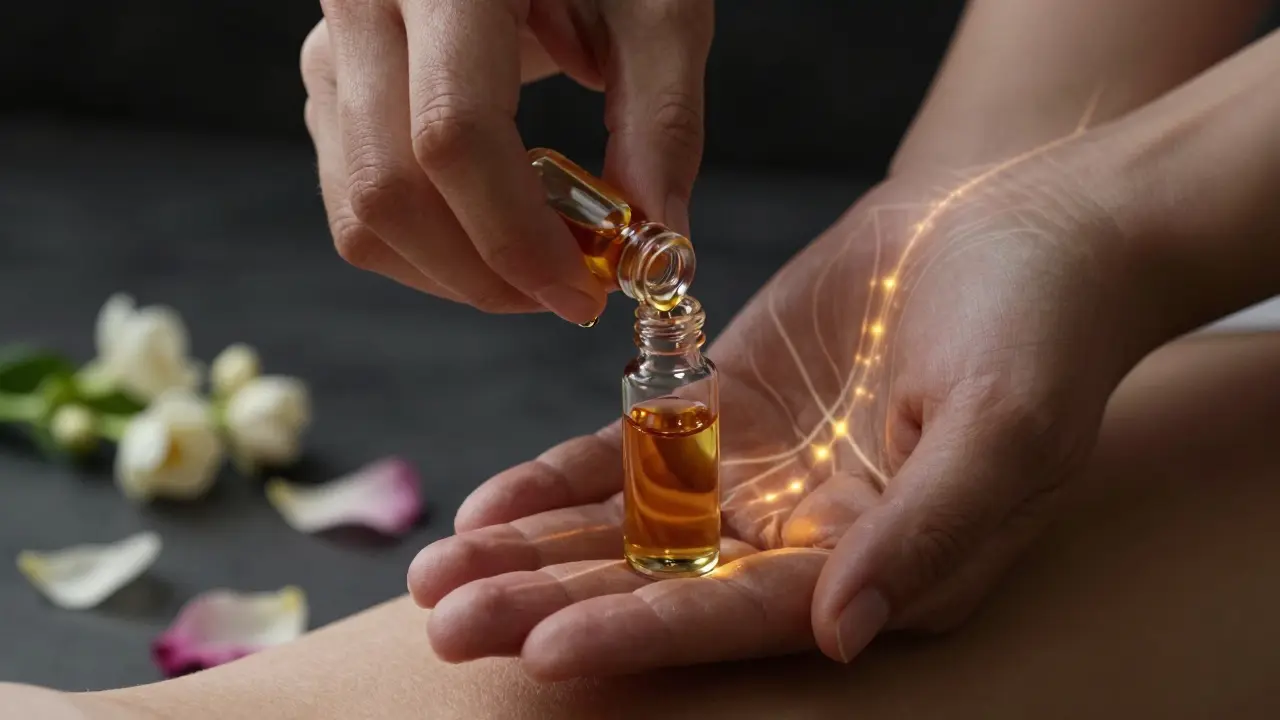
- Aromatherapy: Warm herbal oils are used throughout the session. Common scents include jasmine, rose, and lemongrass. These aren’t just for smell; the essential oils penetrate the skin to soothe inflammation and calm the mind.
The rhythm is key. It starts gentle, builds intensity to break up deep tension, and then slows down again to induce a state of trance-like relaxation. You won’t feel rushed. The pace is deliberate and meditative.
Benefits Beyond Muscle Relief
Most people book a massage because their back hurts. While Balinese massage is excellent for muscular relief, its benefits go much deeper. Here is what happens to your body and mind after a proper session:
| Benefit Area | Specific Outcome | Mechanism |
|---|---|---|
| Muscular Health | Reduced stiffness and improved flexibility | Increased blood flow and breakdown of lactic acid |
| Mental Clarity | Lower anxiety and better focus | Reduction of cortisol levels through parasympathetic activation |
| Skin Quality | Glowing, hydrated complexion | Absorption of nutrient-rich herbal oils |
| Sleep Quality | Faster sleep onset and deeper REM cycles | Nervous system regulation and muscle relaxation |
| Digestion | Improved gut motility | Stimulation of abdominal reflex points |
One of the most overlooked benefits is the impact on digestion. By working on the abdomen and related reflex points, the massage can help alleviate bloating and improve nutrient absorption. If you suffer from chronic insomnia, the combination of warmth, scent, and rhythmic touch signals your brain that it is safe to shut down. Many clients report sleeping deeply for days after their first session.
What to Expect During Your First Session
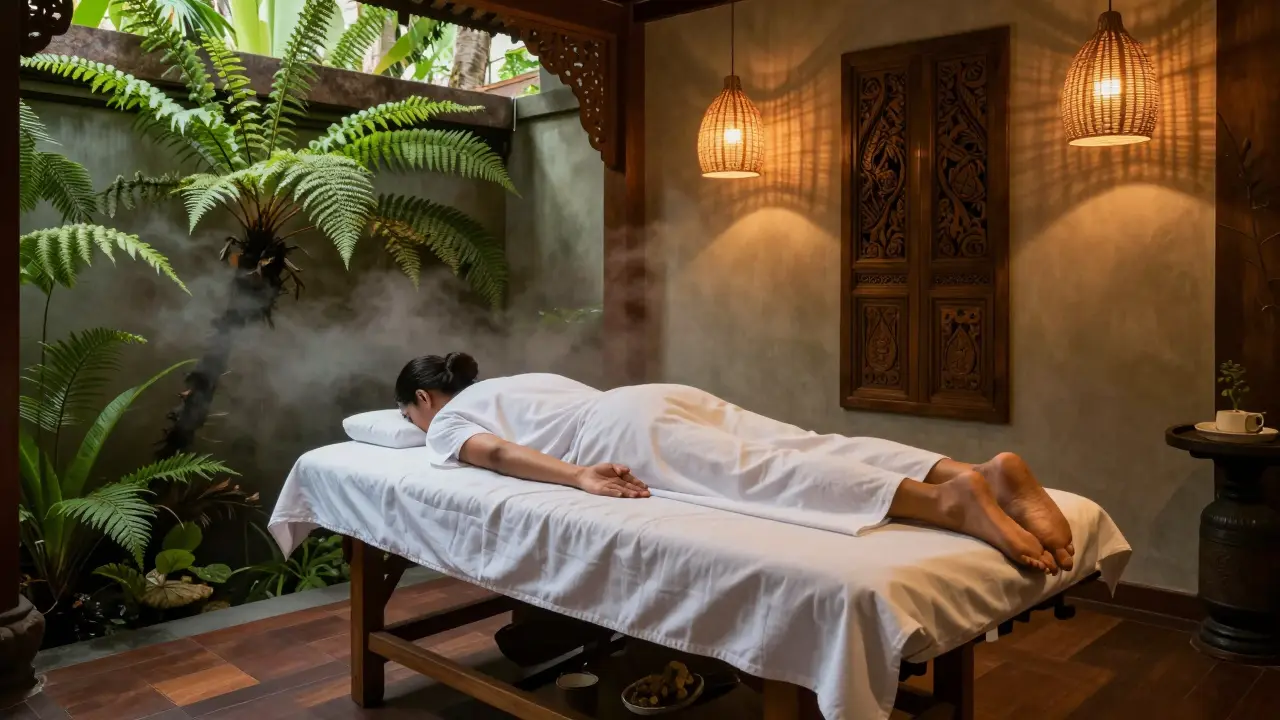
If you’ve never tried Balinese massage, the unknown can be intimidating. Knowing the process helps you relax faster. Here is the typical flow of a 90-minute appointment:
- Consultation: Before you undress, the therapist will ask about your health history, injuries, and preferences. Do you want light touch or deep pressure? Are there areas to avoid? Be honest here.
- Preparation: You’ll change into loose clothing or remain unclothed under a sheet. The room will be dimly lit and warm. The therapist warms the oil in their hands before applying it.
- Upper Body Work: The session usually starts with the back, shoulders, and arms. This relieves the common "tech neck" tension many of us carry from looking at screens.
- Legs and Feet: The therapist moves to the legs, using long strokes to drain fluid buildup. They finish with detailed foot reflexology, which can be intense but rewarding.
- Face and Head: A unique feature of Balinese massage is the facial treatment. Gentle pressure around the eyes, jaw, and temples releases sinus congestion and reduces headaches.
- Closing Ritual: The session ends with a few minutes of stillness. You lie quietly while the therapist ensures you are comfortable. This transition period prevents dizziness when you stand up.
You might feel tired afterward. This is normal. Your body has shifted from a high-alert state to a restorative mode. Drink plenty of water to flush out toxins released from the muscles.
Balinese vs. Thai Massage: What’s the Difference?
People often confuse Balinese and Thai massages because both originate from Southeast Asia and focus on energy lines. However, the experience is vastly different.
Thai massage is performed on a mat on the floor. The therapist uses their body weight, knees, and elbows to stretch and compress your limbs. You wear clothes, and there is no oil involved. It is active and sometimes strenuous.
Balinese massage is performed on a table. It is passive-you do nothing but lie there. Oil is essential for the glide and absorption. The focus is on soothing rather than stretching. If you want a workout for your muscles, choose Thai. If you want to melt away stress, choose Balinese.
Choosing the Right Therapist
Not all spas offer authentic Balinese massage. Some places slap the name on a generic Swedish rubdown to charge higher prices. How do you spot the real deal?
- Look for Certification: In Bali, reputable therapists train at institutes like the Bali Institute of Traditional Medicine. Ask if your therapist has formal training in traditional techniques.
- Check the Oil: Authentic sessions use warm, aromatic herbal oils. If they use generic baby oil or lotion, it’s likely not a true Balinese treatment.
- Observe the Pace: Real Balinese massage is slow and methodical. If the therapist is rushing through strokes to fit more clients in, you’re missing the therapeutic depth.
- Ask About Acupressure: A genuine practitioner will explain the pressure points they are targeting. They should mention energy flow or meridian work.
If you are traveling to Bali, visit local spas in Ubud or Seminyak that specialize in holistic wellness. If you are at home, search for clinics that list "Holistic" or "Traditional" in their service descriptions, rather than just "Relaxation Spa."
Tips for Maximizing Your Experience
To get the most out of your session, preparation matters. Avoid eating a heavy meal right before your appointment. A full stomach can make lying on your front uncomfortable. Also, skip the caffeine. Caffeine keeps your nervous system alert, which fights against the relaxation response you’re trying to achieve.
Communicate openly with your therapist. If a pressure point hurts too much, say so. Balinese massage can be firm, but it should never cause sharp pain. Silence is not golden here; feedback ensures the treatment meets your needs.
After the session, take it easy. Don’t schedule a high-intensity workout immediately after. Give your body an hour to adjust. Take a warm shower to wash off excess oil, or let it absorb fully if you prefer the moisturizing effect.
Is Balinese Massage Safe for Everyone?
For most healthy adults, Balinese massage is very safe. However, there are some contraindications. You should avoid this treatment if you have:
- Open wounds or severe skin infections
- Recent surgery or fractures
- High fever or contagious illnesses
- Severe osteoporosis (deep pressure can risk bone damage)
- Pregnancy (unless the therapist is certified in prenatal massage)
Always disclose any medical conditions during the consultation. A skilled therapist will modify the technique to keep you safe while still providing relief.
How often should I get a Balinese massage?
For general maintenance and stress relief, once a month is ideal. If you are dealing with chronic pain or high stress levels, weekly sessions for the first month can help reset your body’s baseline. After that, you can taper off to bi-weekly or monthly visits.
Does Balinese massage hurt?
It should not hurt. There may be moments of intense pressure, especially on tight knots, which can feel like "good pain." However, sharp or stinging pain is a sign to tell your therapist to lighten up. The goal is comfort and release, not suffering.
Can I get a Balinese massage if I’m pregnant?
Yes, but only with a therapist trained in prenatal massage. Standard Balinese massage involves certain pressure points and positions that are not safe during pregnancy. Always consult your doctor first and ensure the spa offers specialized maternal care.
What should I wear to a Balinese massage?
You typically undress to your level of comfort. Most spas provide a robe or sheet to cover you. You will lie face down or on your side, depending on the part of the body being treated. Modesty drapes are used throughout the session to ensure privacy.
How long does the effect of a Balinese massage last?
The immediate relaxation can last for several days. For chronic issues, regular sessions build cumulative benefits. Staying hydrated and managing stress post-massage helps extend the positive effects. Most people feel renewed energy and clarity for at least 48 hours.

About Author

Popular Posts