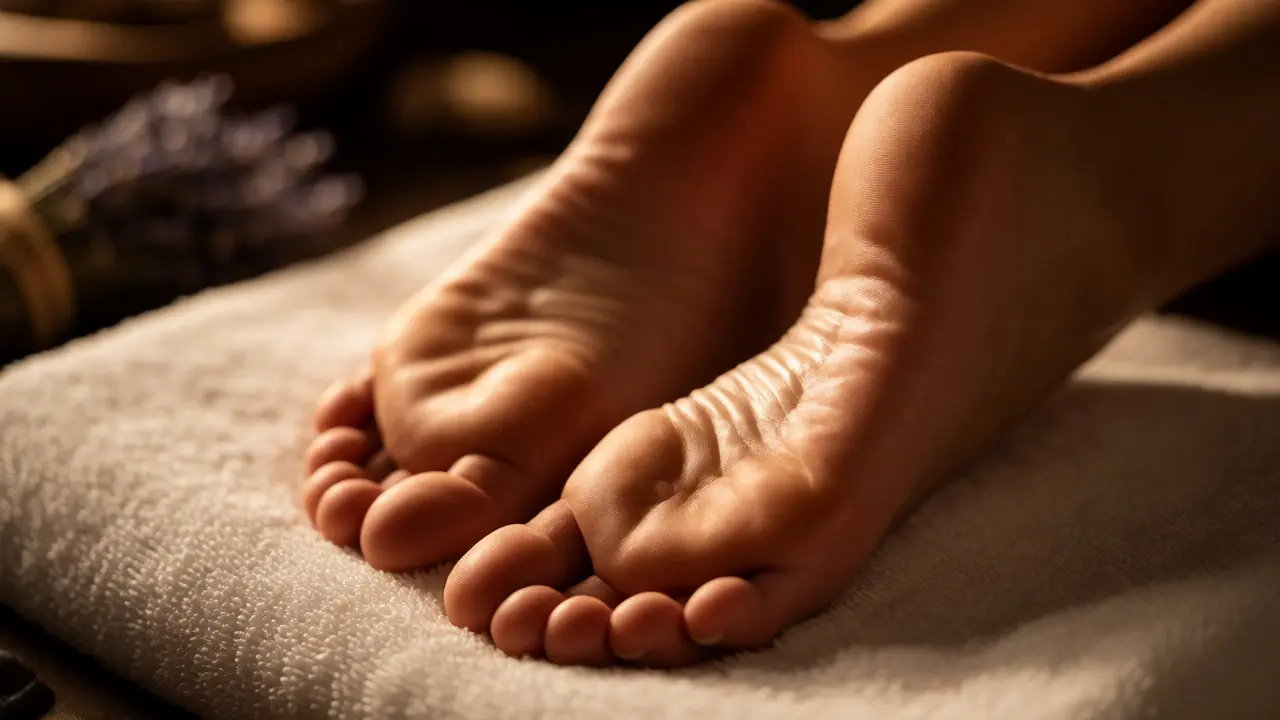
Reflexology: A Beginner's Guide to Foot Massage Benefits
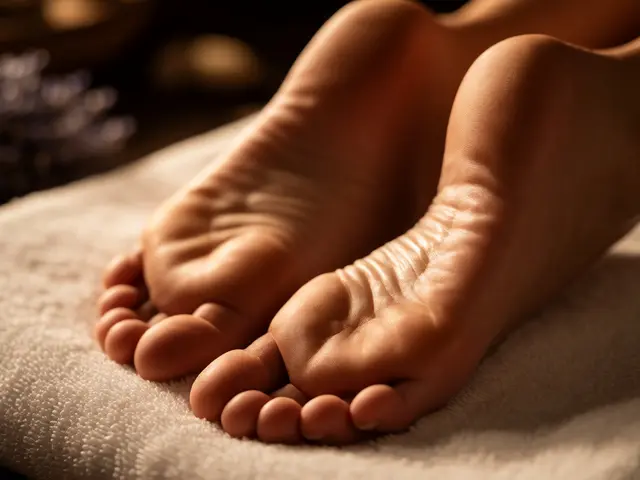
You’ve probably seen those charts at a spa. They show your feet mapped out like a tiny human body, with the big toe representing the head and the heel linked to the pelvis. It looks almost magical, doesn’t it? The idea that pressing a specific spot on your sole can relieve a headache or calm an anxious stomach feels too good to be true. But reflexology isn’t just pseudoscience wrapped in lavender oil. Reflexology is a structured form of complementary therapy that applies pressure to specific points on the feet, hands, and ears. Proponents believe these points correspond to different organs and systems within the body. While mainstream medicine often debates its curative powers, millions of people swear by the deep relaxation and symptom relief it provides.
If you’re sitting there rubbing your sore arches after a long day, wondering if this whole thing is worth your time and money, you’re in the right place. We aren’t going to promise that a ten-minute foot rub will cure your diabetes. Instead, we’ll break down how it works, what it actually does for your body, and how you can try it yourself without looking silly doing it.
What Exactly Is Reflexology?
At its core, Reflexology differs from standard foot massage because it’s not just about kneading tired muscles. It’s about stimulation. Standard massage focuses on soft tissue manipulation to reduce tension. Reflexology uses a technique called "thumb walking" to apply targeted pressure to specific zones. These zones are believed to create a neural response that travels up the spinal cord to the brain, which then sends signals back to the corresponding organ or body part.
Think of your feet as a remote control for your body. When you press the button labeled "digestion," the TV (your stomach) should react. Whether that reaction is scientifically proven to heal ulcers is another story, but the immediate physiological shift-slowing heart rate, lowering blood pressure-is real. This is why many hospitals now offer reflexology as part of palliative care. It’s less about fixing the broken bone and more about making the patient comfortable enough to let their body do the healing.
The Map of Your Feet: Decoding the Zones
You don’t need a PhD to understand the basic layout. The left foot generally corresponds to the left side of the body, and the right foot to the right side. However, some areas overlap. Here is a simplified breakdown of the most common reflex points:
- Toes: Represent the head, sinuses, and pituitary gland. If you have a stuffy nose or a tension headache, start here.
- Ball of the Foot: Corresponds to the chest, lungs, and heart. Deep pressure here can help with breathing issues or anxiety.
- Arch: Links to the digestive system, including the liver, pancreas, and kidneys. This is where most people feel the most discomfort, often signaling dehydration or poor digestion.
- Heel: Relates to the sciatic nerve, pelvic area, and lower back. Great for anyone who sits at a desk all day.
Notice how the toes are small and sensitive, while the heel is thick and tough? That matches the anatomy it represents. Your skull is delicate; your pelvic floor takes a beating. The map makes intuitive sense once you stop overthinking it.
| Foot Zone | Body Area Associated | Common Use Case |
|---|---|---|
| Big Toe Tip | Pituitary Gland / Brain | Stress relief, hormonal balance |
| Under Toes | Sinuses / Neck | Congestion, neck pain |
| Center Arch | Abdominal Organs | Bloating, constipation |
| Outer Edge | Spine / Shoulders | Back pain, posture correction |
| Heel Pad | Reproductive System | Menstrual cramps, prostate health |
Does It Actually Work? The Science vs. The Sensation
Let’s be honest: if you ask a strict neurologist, they might tell you there’s no direct anatomical connection between your big toe and your pineal gland. And they’d be right. There is no known nerve pathway that runs straight from the tip of your toe to your brainstem without stopping elsewhere.
But science is catching up to practice. Studies published in journals like the Journal of Alternative and Complementary Medicine have shown that reflexology significantly reduces pain perception and anxiety levels in patients undergoing chemotherapy. Why? Likely due to the Gate Control Theory of Pain. By stimulating non-painful input (the rhythmic pressure), you close the "gates" to painful input, preventing pain sensation from traveling to the central nervous system.
Furthermore, the act itself triggers the parasympathetic nervous system-the "rest and digest" mode. In our high-stress world, simply forcing your body into a state of rest has cascading benefits. Lower cortisol levels mean better sleep, improved immune function, and reduced inflammation. So, even if the "organ mapping" theory is debated, the therapeutic outcome is undeniable.
How to Try Reflexology at Home
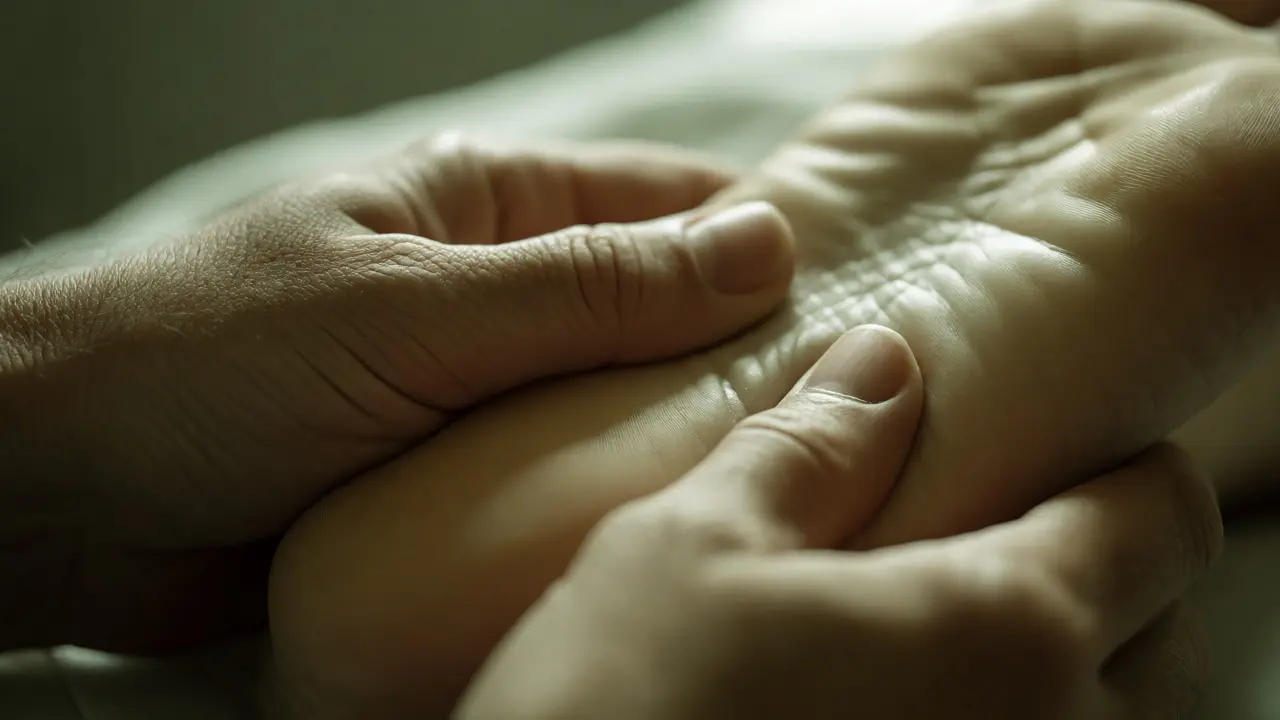
You don’t need a certification to give yourself a decent session. You just need clean feet, a comfortable chair, and maybe some lotion. Here’s a simple routine you can follow tonight:
- Warm Up: Soak your feet in warm water for five minutes. This loosens the tissues and prepares them for pressure.
- Lubricate: Apply a bit of coconut oil or lotion. Dragging dry skin hurts.
- The Warm-Up Stroke: Hold your foot with one hand. With the other, use broad strokes from the heel to the toes. Do this three times per foot.
- Toe Splay: Gently pull each toe outward and rotate it. This releases tension in the upper spine.
- Thumb Walking: Place your thumbs under the ball of the foot. Walk them slowly toward the heel, applying firm but tolerable pressure. Repeat across the width of the foot.
- Focus on the Arch: Press firmly into the center of the arch. Breathe deeply. If it hurts, ease off slightly but maintain contact.
- Finish: Rub the entire foot briskly to generate heat, then cover with socks.
Pro tip: Don’t aim for "no pain, no gain." Reflexology should be intense but not agonizing. If you’re wincing, you’re causing muscle guarding, which defeats the purpose. Aim for a "good hurt"-that satisfying ache that fades into warmth.
Who Should Be Careful?
While generally safe, reflexology isn’t for everyone. If you have open wounds, fungal infections, or recent foot surgery, skip the direct pressure. Pregnant women should also proceed with caution. Certain points, particularly around the ankles and heels, are traditionally believed to stimulate uterine contractions. While rare, it’s best to consult your midwife before trying new therapies during the first trimester.
Also, watch out for gout. If you suffer from acute gout attacks, the pressure can trigger severe flare-ups. Wait until the joint is fully healed before attempting any deep tissue work on the feet.
Frequently Asked Questions
Is reflexology the same as acupuncture?
No. Acupuncture involves inserting thin needles into specific meridian points on the body. Reflexology uses manual pressure on the feet, hands, and ears. While both aim to restore balance and flow of energy (Qi in TCM), the methods and theoretical frameworks differ significantly.
How often should I get reflexology sessions?
For general wellness, once a month is sufficient. If you are treating a specific condition like chronic stress or insomnia, practitioners often recommend weekly sessions for the first four weeks, then tapering off to bi-weekly or monthly maintenance.
Why do my feet hurt so much during the massage?
Pain in reflexology is often attributed to "crystalline deposits" or lactic acid buildup in the reflex zone. From a physiological standpoint, it usually indicates tight fascia or muscle knots. The pain should subside quickly after the pressure is released. If it lingers, you may have applied too much force.
Can men get reflexology?
Absolutely. Men often have thicker skin and deeper muscle layers, so they may require firmer pressure. Reflexology is highly effective for male-specific issues like prostate health and sports injuries, particularly runner’s knee or plantar fasciitis.
Do I need to remove my shoes and socks?
Yes, direct skin-to-skin contact is essential for feeling the texture changes and applying precise pressure. Practitioners will typically wash your feet or provide wipes before starting. Wearing loose pants helps keep things comfortable and accessible.
Next Steps for Better Balance
Start small. Try the home routine above for two weeks. Pay attention to your sleep quality and stress levels. If you notice a difference, consider booking a professional session. Look for a certified practitioner who listens to your history rather than just blindly following the chart. Remember, your feet carry you through life; giving them a little respect goes a long way.

About Author

Popular Posts