Percussion Massage: The Stress Relief Secret You’re Missing
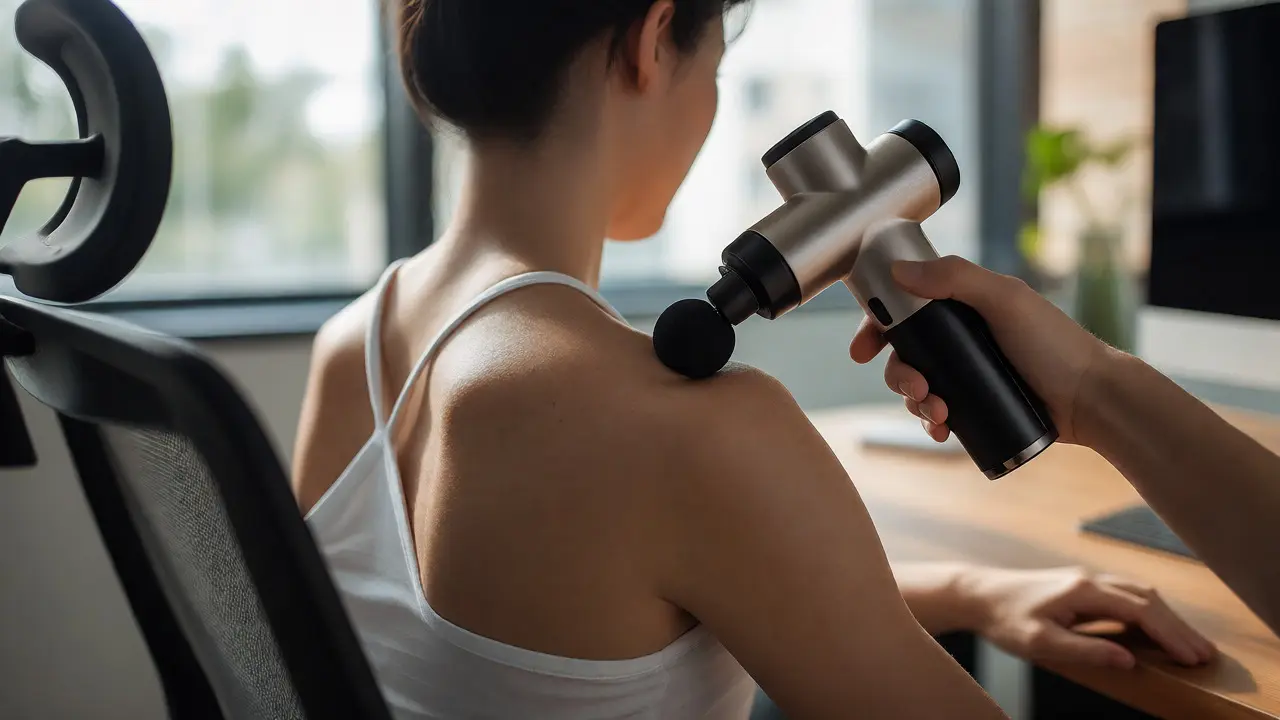
You know that feeling. It’s 4 PM on a Tuesday, your shoulders are up around your ears, and your lower back is screaming because you’ve been sitting in the same ergonomic chair for six hours straight. You try stretching, but it feels like moving through wet cement. Enter percussion massage, a therapeutic technique using rapid, repetitive strokes to relieve muscle tension and improve circulation. It sounds aggressive, doesn’t it? Like someone is taking a jackhammer to your trapezius. But when done right, this method isn't about brute force; it's about frequency and precision targeting the root causes of physical stress.
What Exactly Is Percussion Massage?
Let’s clear up the confusion first. Percussion massage, often referred to as tapotement in clinical settings, involves rhythmic striking movements applied to the body. Historically, practitioners used their hands-cupped palms, fingers, or fists-to deliver these taps. Today, most people encounter it via handheld devices like massage guns. These tools use a motorized head to deliver rapid pulses into muscle tissue. Unlike static pressure, which pushes down and holds, percussion works by stimulating the nervous system. It’s not just about loosening tight fibers; it’s about waking up dormant muscles and flushing out metabolic waste products like lactate that accumulate during periods of high stress or poor posture.
The mechanism relies heavily on neurophysiology. When you apply rapid percussive force, you activate mechanoreceptors in the skin and fascia. These sensors send signals to your brain that essentially say, "Relax, we're good here." This overrides the pain signals from tense muscles. It’s a bit like how rubbing your shin after bumping it into a table reduces the sting-the new sensation competes with the pain signal for attention in your spinal cord.
Why Your Body Needs This for Stress
Stress isn't just a mental state; it’s a full-body event. When you’re stressed, your sympathetic nervous system kicks into gear. Your muscles contract to prepare for fight or flight. If that stress never resolves-if you’re stuck in traffic or dealing with a difficult boss-those muscles stay contracted. Over time, this leads to chronic tension, reduced blood flow, and a buildup of inflammatory markers. Traditional Swedish massage might help relax you generally, but it often lacks the intensity to break up specific adhesions or trigger points caused by long-term stress patterns.
Percussion massage addresses this by increasing local blood flow significantly. A study published in the Journal of Clinical & Diagnostic Research noted that vibration therapy can enhance muscle performance and reduce soreness. By driving oxygenated blood into the area, you accelerate the removal of waste products. More importantly, the rhythmic nature of the treatment has a calming effect on the nervous system itself. It shifts your body from sympathetic (stress) dominance toward parasympathetic (rest and digest) activity. You aren’t just treating the symptom; you’re signaling safety to your brain.
How to Use Percussion Tools Safely
If you’re thinking about grabbing a massage gun off the shelf at your local pharmacy, pause. Using these devices incorrectly can do more harm than good. They are powerful tools, and treating them like toys is a common mistake. Here is a practical guide to getting started without bruising your ribs or irritating your nerves.
- Avoid Bone and Joints: Never hit bone directly. The percussive force will bounce off hard surfaces and cause micro-trauma to surrounding tissues. Stick to the fleshy parts of muscles.
- Watch the Duration: Less is more. Spend no more than 15-30 seconds on any single spot. Moving too slowly over one area can cause inflammation rather than relief.
- Start Low: Begin on the lowest speed setting. Let your body acclimate to the sensation before cranking up the amplitude.
- Keep Moving: Glide the device along the length of the muscle belly. Do not press hard; let the weight of the tool and the motor do the work.
Focus on common stress hotspots. For desk workers, the upper trapezius (the top of your shoulders) and the levator scapulae (the side of your neck) are prime targets. For runners or active individuals, the quadriceps and calves often hold significant tension. Remember, if it hurts sharply, stop. Discomfort is okay; sharp pain is a red flag.

Percussion vs. Other Massage Techniques
Not all massages are created equal. Choosing the right modality depends on your specific goals. Are you looking for general relaxation, deep structural change, or immediate pain relief? Here is how percussion stacks up against other popular methods.
| Feature | Percussion Massage | Swedish Massage | Deep Tissue Massage |
|---|---|---|---|
| Primary Goal | Nervous system reset & circulation boost | General relaxation & circulation | Breaking chronic adhesions |
| Intensity | High frequency, variable depth | Low to medium pressure | High sustained pressure |
| Best For | Acute tension, pre/post-workout, quick relief | Mild stress, sleep aid, overall well-being | Chronic pain, injury rehab, severe knots |
| Sensation | Tingling, vibrating, numbing | Gliding, soothing | Intense, sometimes painful |
| Time Required | 5-10 minutes per session | 60-90 minutes | 60-90 minutes |
Percussion wins on efficiency. You can get a targeted release in ten minutes that might take an hour with traditional techniques. However, it lacks the holistic touch of human contact, which releases oxytocin and provides emotional comfort. Many therapists now integrate percussion into traditional sessions to warm up tissues before applying manual pressure, combining the best of both worlds.
Common Mistakes to Avoid
I’ve seen plenty of folks hurt themselves trying to self-treat. The biggest error is ignoring contraindications. If you have open wounds, varicose veins, or are pregnant, consult a professional before using a percussion device. Also, avoid the front of the neck entirely. The carotid arteries and vagus nerve run close to the surface there, and aggressive percussion can lead to dizziness or fainting.
Another pitfall is overuse. Just because you can hammer your quads for twenty minutes doesn’t mean you should. Excessive stimulation can irritate the fascia, leading to increased sensitivity. Think of it like brushing your teeth: scrubbing harder doesn’t make them cleaner; it just wears down the enamel. Consistency beats intensity every time. Five minutes daily is far superior to one brutal session once a month.

Integrating Percussion Into Your Daily Routine
So, how do you actually fit this into a busy life? Treat it like oral hygiene-a non-negotiable part of your day. Set a timer for five minutes in the morning to wake up your posterior chain (back of legs and back). Or, use it in the evening to decompress after work. Pair it with deep breathing exercises. As you glide the device over your shoulders, inhale deeply and exhale slowly. This amplifies the parasympathetic response, doubling the stress-relief benefits.
For those who travel frequently, a compact percussion device is a lifesaver. Hotel pillows rarely agree with your spine. A quick five-minute session on your neck and upper back upon arrival can prevent the dreaded "travel stiffness" that ruins weekend trips. It’s portable, quiet enough for hotel rooms, and requires no setup beyond charging the battery.
Frequently Asked Questions
Is percussion massage safe for everyone?
Generally, yes, for healthy adults. However, people with osteoporosis, blood clotting disorders, recent surgeries, or pacemakers should consult a doctor first. Always avoid bony prominences and major nerve pathways.
Can percussion massage replace a chiropractor or physical therapist?
No. While it helps manage symptoms and maintain mobility, it does not diagnose issues or correct structural misalignments. It is a complementary tool, not a replacement for professional medical care.
How often should I use a massage gun?
Daily use is fine for maintenance, provided you keep sessions short (under 10 minutes total). If you are treating acute soreness, twice a day is acceptable, but listen to your body. If muscles feel bruised or hypersensitive, take a rest day.
Does it help with headaches?
Yes, particularly tension headaches originating from the neck and shoulders. Gentle percussion on the upper trapezius and suboccipital muscles (base of the skull) can relieve tension-type headaches. Avoid direct application to the temples or forehead.
What is the difference between amplitude and frequency in massage guns?
Frequency refers to how many pulses occur per minute (speed), while amplitude is how deep the piston travels (depth). High frequency with low amplitude is good for superficial warming. Lower frequency with high amplitude reaches deeper muscle layers for intense relief.


About Author