Ortho-Bionomy: A Breakthrough in Natural Pain Management
Imagine treating a severe back spasm without pressing on the painful spot. No cracking, no popping, no deep tissue digging that leaves you sore for days. That is the core promise of Ortho-Bionomy, a gentle form of bodywork therapy that uses comfortable positions to encourage the body’s own self-healing mechanisms. It sounds almost too easy to work, yet thousands of people swear by its ability to resolve chronic tension where aggressive massage failed.
If you are tired of the "no pain, no gain" mentality in physical therapy, this approach might be exactly what your nervous system needs. We will break down how it works, why it differs from traditional massage, and whether it fits your specific pain profile.
The Core Philosophy: Comfort as Medicine
Most manual therapies attack pain directly. They press into knots, stretch tight muscles, or manipulate joints until they release. Ortho-Bionomy flips this script entirely. Developed in the 1970s by Arthur Lincoln Pauls, this method operates on a simple biological truth: the body holds tension when it feels threatened or stuck. If you force a muscle to relax while it is in pain, it often fights back with more tension.
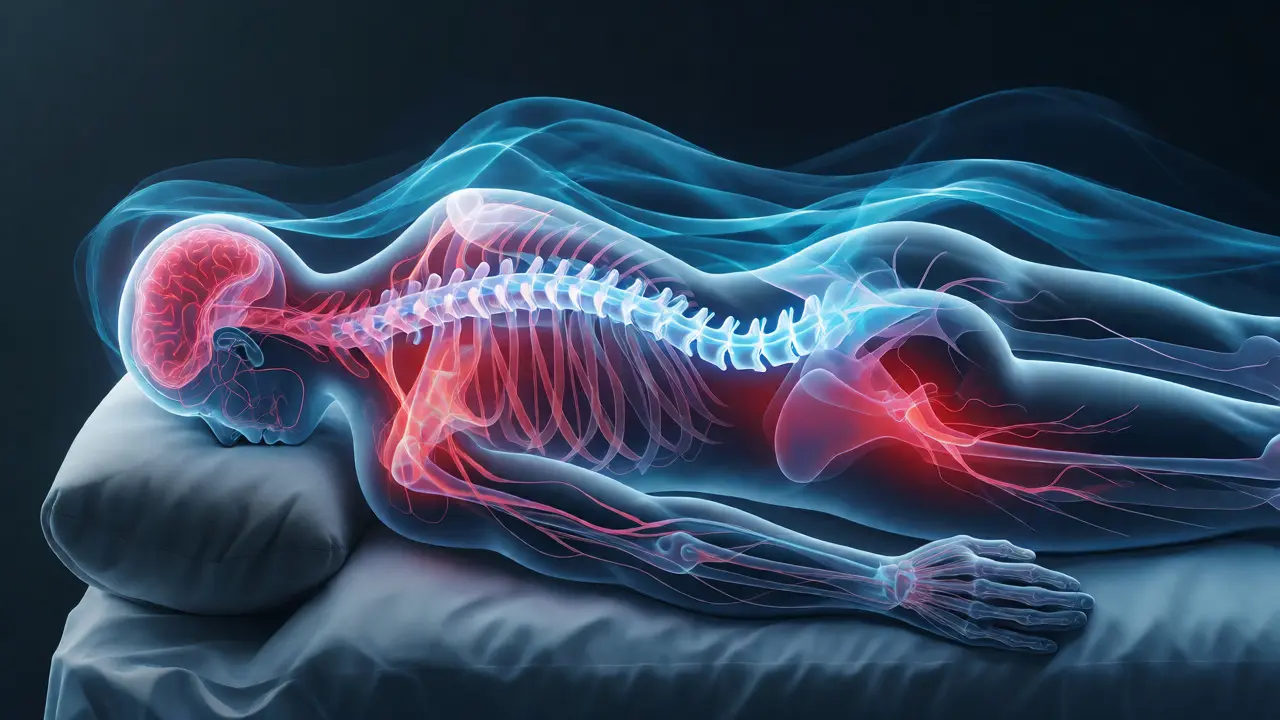
Instead, practitioners find a position where the pain disappears completely. This is called a "comfortable position." By holding the body in this state of ease, the nervous system stops sending distress signals. The brain gets the message that the threat is gone, allowing the muscles to let go naturally. You do not need to endure discomfort to get relief. In fact, if you feel any pain during an Ortho-Bionomy session, something is wrong with the technique.
How Ortho-Bionomy Differs From Traditional Massage
You might wonder how this compares to the Swedish massage or deep tissue work you have had before. The difference lies in the intent and the mechanism. Traditional massage focuses on the mechanical structure-muscles, fascia, and tendons. Ortho-Bionomy focuses on the neurological response.
| Feature | Deep Tissue Massage | Chiropractic Adjustment | Ortho-Bionomy |
|---|---|---|---|
| Pain Level During Session | Moderate to High | Low (with sudden pops) | Zero (Comfort-based) |
| Primary Target | Fascia and Muscle Fibers | Joint Mobility | Nervous System Regulation |
| Practitioner Action | Pressure and Friction | High-Velocity Thrusts | Gentle Positioning and Support |
| Client Role | Passive Recipient | Passive Recipient | Active Participant (Self-Correction) |
Notice the last row. This is the game-changer. In most therapies, you lie there and hope the practitioner fixes you. In Ortho-Bionomy, you learn skills to manage your own symptoms. The goal is not just to fix the current issue but to teach you how to maintain comfort long-term.
The Technique: Finding the Sweet Spot
A typical session begins with a conversation. Your practitioner asks about your history, your daily habits, and specifically where you hurt. Then, they guide you through a series of movements. They might ask you to bend your neck slightly left, then right, then tilt forward. They are looking for the angle where the pain vanishes.
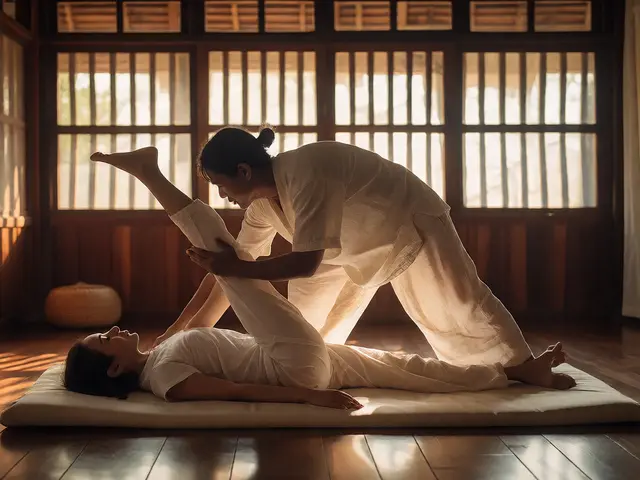
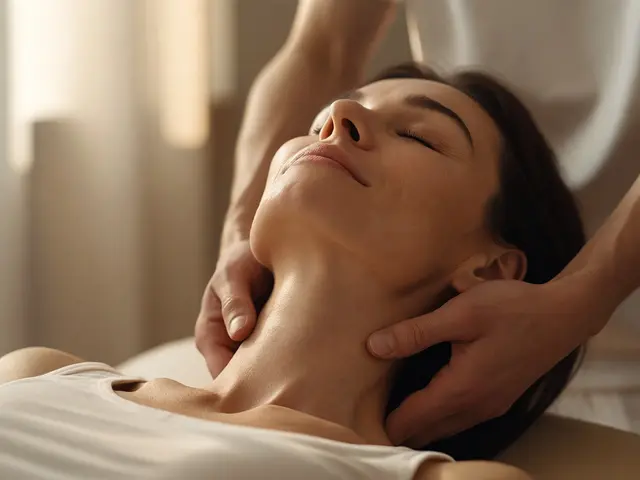
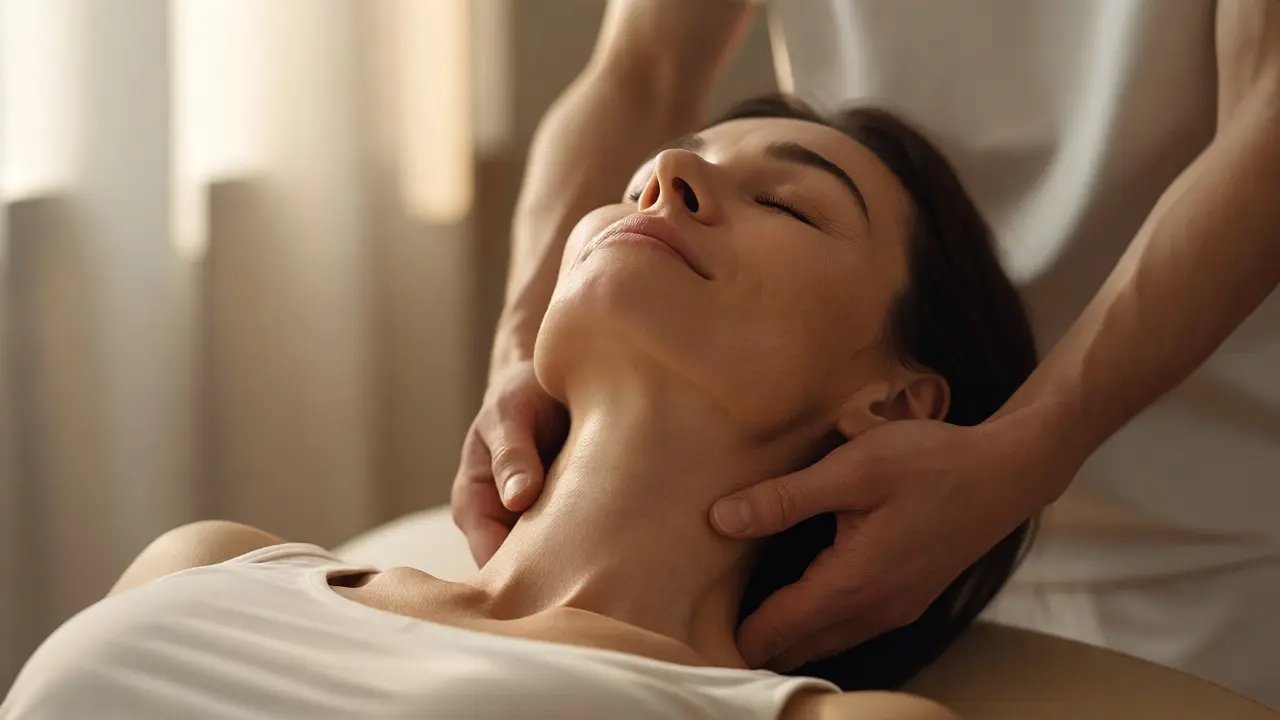
Once that sweet spot is found, the practitioner supports your body in that position. They hold it steady. Sometimes, they apply very light pressure to encourage further relaxation. Other times, they use gentle rhythmic motions to help the body integrate the new sense of ease. There is no stretching beyond comfort. There is no forcing a joint past its resistance point.
This process relies heavily on proprioception-your body’s ability to sense its position in space. When you remove the pain signal, your brain recalibrates. It learns that this new range of motion is safe. Over time, this retraining can lead to lasting changes in posture and movement patterns.
Who Benefits Most From Ortho-Bionomy?
This therapy shines in cases where other methods have failed or caused flare-ups. If you have fibromyalgia, for example, deep pressure can trigger a systemic crash. Ortho-Bionomy offers a way to reduce widespread pain without overstimulating sensitive nerves. Similarly, people recovering from surgery often find traditional manipulation too intense. The gentle nature of this bodywork makes it suitable for post-operative rehabilitation, provided the surgeon approves.
Athletes also benefit, though perhaps not for the reasons you think. While it may not immediately increase your vertical jump, it helps prevent injury by addressing subtle imbalances. Runners with chronic hip tightness often find relief here because the method addresses the protective guarding that develops after repetitive strain. It is less about performance enhancement and more about sustainable movement.
- Chronic Back Pain: Especially when accompanied by muscle spasms that resist direct pressure.
- TMJ Disorders: Jaw tension responds well to gentle positional support.
- Anxiety-Related Tension: The calming effect on the nervous system helps reduce overall stress levels.
- Injury Recovery: Safe for acute phases where inflammation makes touch painful.

Self-Correction: Taking Control of Your Pain
The real power of Ortho-Bionomy comes from what you take home. Practitioners teach self-correction techniques. These are simple movements you can do at your desk or in bed to relieve immediate discomfort. For instance, if you have lower back pain from sitting, you might learn a specific leg lift or pelvic tilt that instantly reduces the ache. You practice these under supervision until they become second nature.
This empowerment is crucial. Chronic pain often leads to fear of movement. Patients avoid activity because they expect pain. Self-correction breaks this cycle. When you realize you can alleviate your own symptoms in minutes, confidence returns. You start moving more freely, which further reduces stiffness. It creates a positive feedback loop rather than a downward spiral.
What to Expect in Your First Session
Do not expect to leave feeling "worked out." You should feel lighter and more relaxed. Wear loose, comfortable clothing. You stay fully clothed throughout the session. Bring a list of any recent injuries or surgeries. Be honest about your pain levels; the practitioner cannot help you if you hide your discomfort.
Sessions usually last 45 to 60 minutes. The first one might include more assessment time. Subsequent sessions focus on refining techniques and checking progress. Some people notice immediate relief after one visit. Others require several sessions to reset deeply ingrained patterns. Consistency matters more than intensity here.
Is it a miracle cure? No. But for those who have tried everything else and still suffer, it offers a fresh perspective. It respects the body’s intelligence instead of overriding it. If you are skeptical, try it once. Treat it as an experiment. See if removing pain allows your body to heal itself.
Does Ortho-Bionomy hurt?
No, it should not hurt at all. The fundamental rule of Ortho-Bionomy is that treatment must be comfortable. If you experience pain during a session, tell your practitioner immediately so they can adjust the position or technique. The goal is to eliminate pain, not add to it.
How many sessions do I need for chronic pain?
This varies significantly based on the severity and duration of your condition. Acute issues may resolve in 1-3 sessions. Chronic conditions like long-standing back pain or arthritis often require 6-10 sessions to see substantial change, followed by maintenance visits every few months. Your practitioner will give you a personalized estimate after the initial assessment.
Can I do Ortho-Bionomy exercises myself?
Yes, self-correction is a key component. After learning proper techniques from a certified practitioner, you can perform many movements independently. These exercises are designed to be done safely at home. However, it is recommended to learn them initially under professional guidance to ensure you are finding the correct "comfortable positions" for your specific anatomy.
Is Ortho-Bionomy covered by health insurance?
Coverage depends on your provider and region. In some countries, it falls under complementary therapies or physiotherapy benefits if performed by a registered health professional. Check with your insurer specifically regarding "bodywork," "manual therapy," or "complementary medicine" coverage. Always ask for a receipt with detailed codes to submit for reimbursement.
What is the difference between Ortho-Bionomy and Osteopathy?
While both are holistic, Osteopathy involves broader diagnostic techniques and often includes more active manipulation of tissues and organs. Ortho-Bionomy is strictly focused on using comfortable positions to influence the nervous system and musculoskeletal balance. It does not involve the same level of structural diagnosis or visceral manipulation found in traditional osteopathic training.



About Author