10 Real Benefits of Amma Massage: What It Does for Your Body
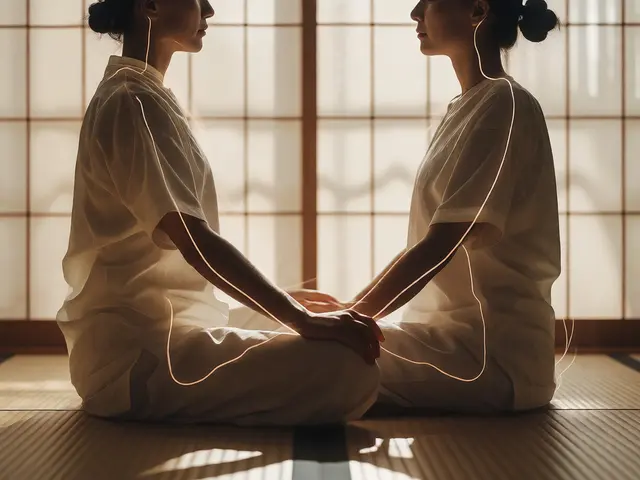
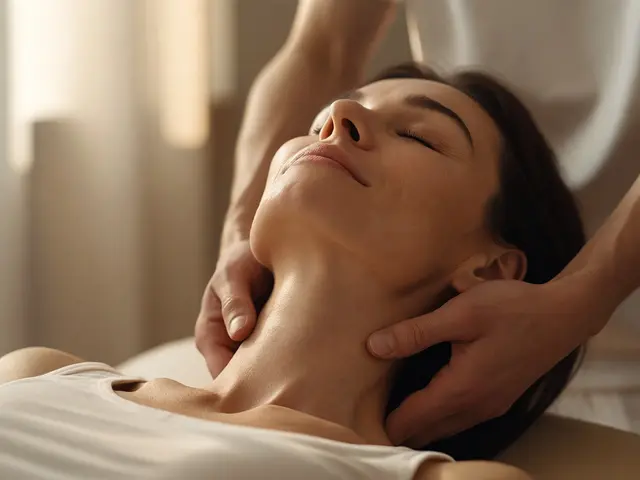
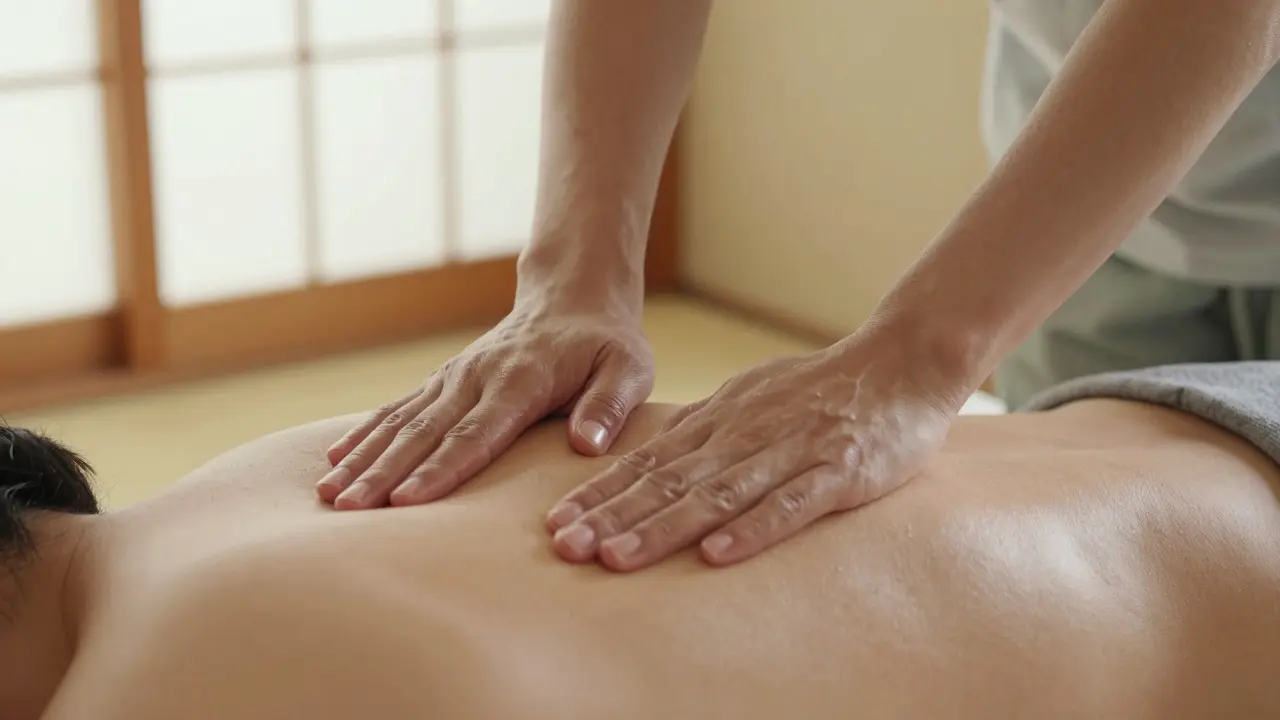
Imagine walking out of a session feeling lighter, not just relaxed. That’s the core promise of Amma massage, a traditional Japanese bodywork technique that uses rhythmic kneading and compression to release deep-seated tension. Unlike Western Swedish massage, which often focuses on surface-level relaxation, Amma targets specific pressure points along the body's energy channels, known as meridians. If you’ve been searching for a way to break through chronic stiffness or mental fog, this method offers a distinct approach rooted in centuries of practice.
The name "Amma" translates roughly to "grandmother" or "elder," reflecting the gentle yet firm hand movements used by practitioners. It is less about luxury oils and more about functional movement. You don’t need to be an athlete to benefit; in fact, many people find it particularly effective for desk-bound workers dealing with upper back tightness. Here are ten specific ways this therapy can change how your body feels and functions.
1. Deep Muscle Tension Release
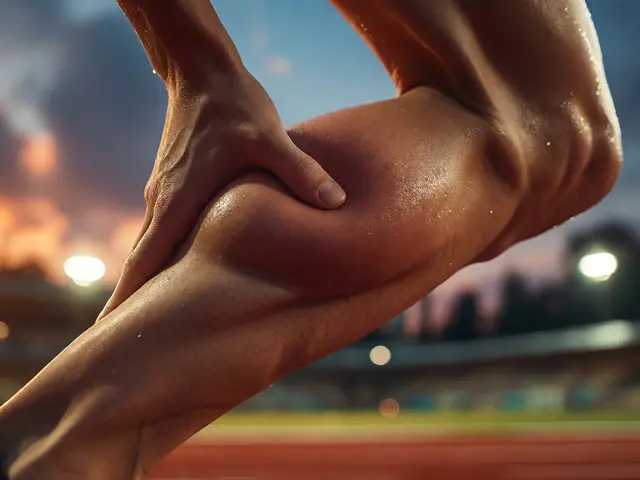
Your muscles hold onto stress like a clenched fist. Over time, this creates knots, or trigger points, that limit range of motion. Amma massage uses sustained pressure to break these adhesions. The practitioner applies force directly to the fascia (the connective tissue surrounding muscles), helping it slide smoothly again. This isn't just about feeling good during the session; it’s about restoring mechanical function so you can move without pain the next day.
2. Improved Lymphatic Drainage
Your lymphatic system is your body’s waste disposal unit, but it has no pump like your heart. It relies on muscle movement and external pressure to move fluid. Stagnation here leads to bloating, puffiness, and a sluggish immune response. The rhythmic squeezing motions of Amma stimulate this flow, helping clear metabolic waste from tissues. Many clients report reduced facial swelling and a decrease in general heaviness after a single session.
3. Enhanced Circulation
Better blood flow means more oxygen and nutrients reaching your cells. When circulation is poor, extremities feel cold, and healing slows down. By compressing and releasing areas of the body, Amma massage acts as a manual pump for your vascular system. This boost in perfusion helps deliver essential compounds to injured areas, speeding up recovery from minor strains or sprains.
4. Stress Reduction and Nervous System Reset
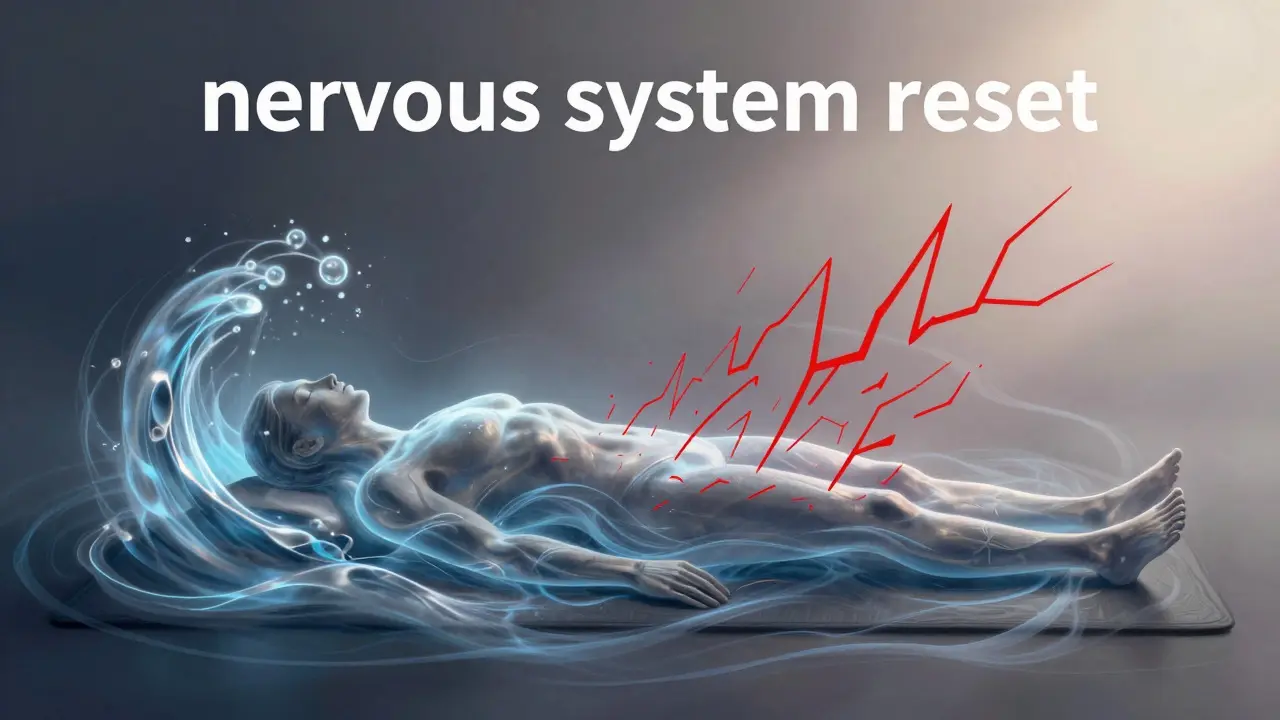
Stress keeps your nervous system in "fight or flight" mode. Amma massage activates the parasympathetic nervous system, often called the "rest and digest" state. As physical tension releases, your brain receives signals that you are safe. This lowers cortisol levels and reduces heart rate. It’s a physiological reset button that doesn’t require meditation experience, just lying still while someone works on your body.
5. Pain Management for Chronic Conditions
For those living with chronic pain, such as lower back issues or arthritis, consistent care is key. Amma focuses on structural alignment and tissue health rather than just masking pain. By addressing the root causes of discomfort-like tight hip flexors or restricted shoulders-it can reduce the frequency and intensity of pain episodes. It serves as a complementary therapy alongside medical treatment, offering non-invasive relief.
6. Better Sleep Quality
Poor sleep is often linked to physical discomfort or a racing mind. By reducing muscle pain and calming the nervous system, Amma massage creates the ideal conditions for restful sleep. Clients frequently report falling asleep faster and waking up less frequently during the night. This improved sleep quality then feeds back into better energy levels and mood during the day, creating a positive cycle.
7. Increased Flexibility and Range of Motion
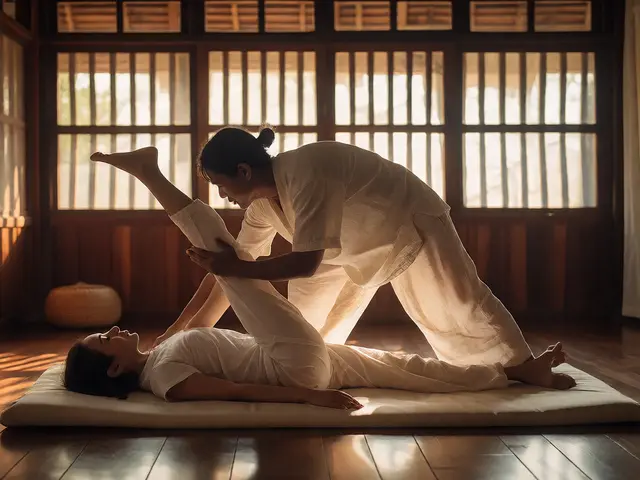
If you feel stiff when you wake up or struggle to reach behind your back, your joints may be restricted. Amma massage works on both the soft tissues and the joint capsules. Regular sessions help maintain the elasticity of your tendons and ligaments. This is crucial for preventing injuries, especially if you engage in activities like running, yoga, or weightlifting. It keeps your body supple and ready for movement.
8. Digestive Health Support
It might seem surprising, but abdominal work is a significant part of Amma. The digestive system is highly sensitive to stress and tension. Gentle pressure on the abdomen can stimulate peristalsis, the wave-like contractions that move food through your gut. For people experiencing mild constipation or bloating, this targeted attention can provide noticeable relief and improve overall gut comfort.
9. Mental Clarity and Focus
Physical tension often manifests as mental fog. When your body is tense, your mind struggles to focus. By releasing this physical burden, Amma massage frees up cognitive resources. Many professionals use it before high-stakes meetings or creative projects to sharpen their concentration. It’s a tool for mental hygiene, clearing the static so you can think clearly.
10. Emotional Balance
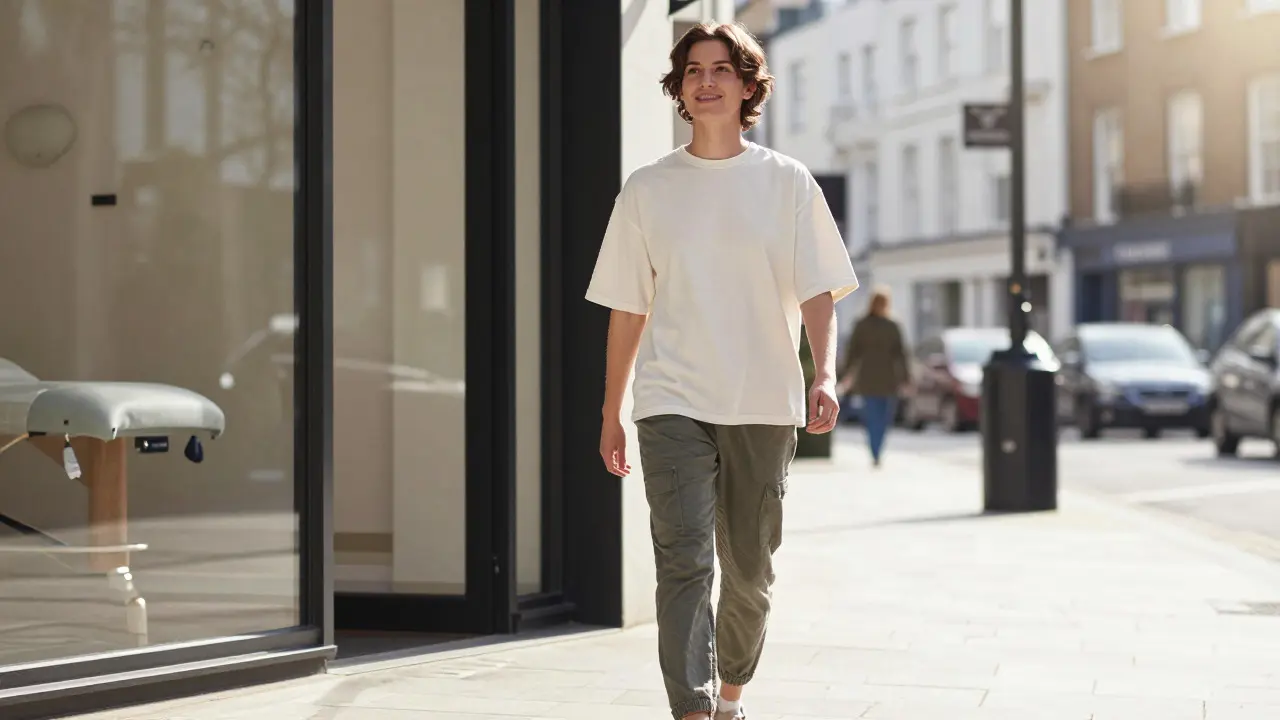
Your body stores emotional experiences. Grief, anger, and anxiety can all manifest as physical tightness in the chest, throat, or jaw. Amma massage provides a safe space for these tensions to release. As the physical blocks dissolve, many people experience an emotional release, sometimes even tears. This catharsis can lead to a greater sense of emotional equilibrium and resilience.
| Feature | Amma Massage | Swedish Massage |
|---|---|---|
| Primary Focus | Deep tissue and meridian points | Surface relaxation and circulation |
| Pressure Level | Firm to intense | Light to moderate |
| Oils Used | Minimal or none | Abundant |
| Best For | Chronic tension, pain, structural issues | General relaxation, mild stress |
| Duration Effect | Lasts several days to weeks | Lasts hours to a day |
Who Should Consider Amma Massage?
This therapy is suitable for most healthy adults. However, if you have severe osteoporosis, open wounds, or recent surgery, check with your doctor first. Pregnant women should seek a practitioner specifically trained in prenatal Amma. The key is communication. Tell your therapist exactly where it hurts and how much pressure you can handle. A good practitioner will adjust in real-time, ensuring the session is both effective and comfortable.
How to Get the Most Out of Your Session
Don’t rush into the appointment. Hydrate well before and after to help flush out toxins released during the massage. Avoid heavy meals two hours prior. During the session, breathe deeply; holding your breath increases tension. Afterward, take it easy for the rest of the day. Your body needs time to integrate the changes. Think of it as giving your system time to recalibrate.
Frequently Asked Questions
Does Amma massage hurt?
It can feel intense, but it shouldn’t be painful. There is a difference between "good pain" (the sensation of tension releasing) and sharp, stabbing pain. Always communicate with your therapist. If it hurts too much, they should adjust the pressure. Discomfort is normal, but agony is not.
How often should I get Amma massage?
For acute issues, weekly sessions are recommended for the first month. For maintenance, once every two to four weeks is usually sufficient. Listen to your body. If you feel stiff again quickly, you may need more frequent visits initially.
Is Amma massage the same as Shiatsu?
They are related but distinct. Both originate from Japan and use pressure points. Shiatsu often involves stretching and acupressure using thumbs and palms, while Amma focuses heavily on rhythmic kneading and compression techniques. Amma tends to be more vigorous in its kneading motions.
Can I do Amma massage at home?
You can learn basic self-massage techniques that mimic Amma principles, such as kneading your own shoulders or calves. However, professional training is needed to apply correct pressure and identify safe pressure points. Self-massage is a great supplement, not a replacement, for professional treatment.
What should I wear to an Amma session?
Comfortable, loose-fitting clothing is best. Since little to no oil is used, you won’t need to undress completely. Wear clothes that allow easy access to the areas being treated, such as t-shirts and trousers. Some clinics provide disposable gowns if preferred.



About Author

Popular Posts