Why Lymphatic Drainage Massage is Your Next Health Move
You know that heavy, puffy feeling in your legs after a long flight? Or the stubborn swelling around your ankles that won't quit no matter how much water you drink? That’s not just fatigue. It’s your lymphatic system crying for help. Unlike blood, which has a heart to pump it through your body, your lymphatic system relies entirely on movement and external pressure to keep things flowing. When it stalls, toxins build up, immunity dips, and you feel sluggish. This is where Lymphatic Drainage Massage (LDM) comes in. It isn’t about kneading knots like deep tissue work. It’s a gentle, rhythmic technique designed to manually stimulate the flow of lymph fluid, helping your body clear waste and reduce inflammation naturally.
The Hidden Plumbing System You Ignore
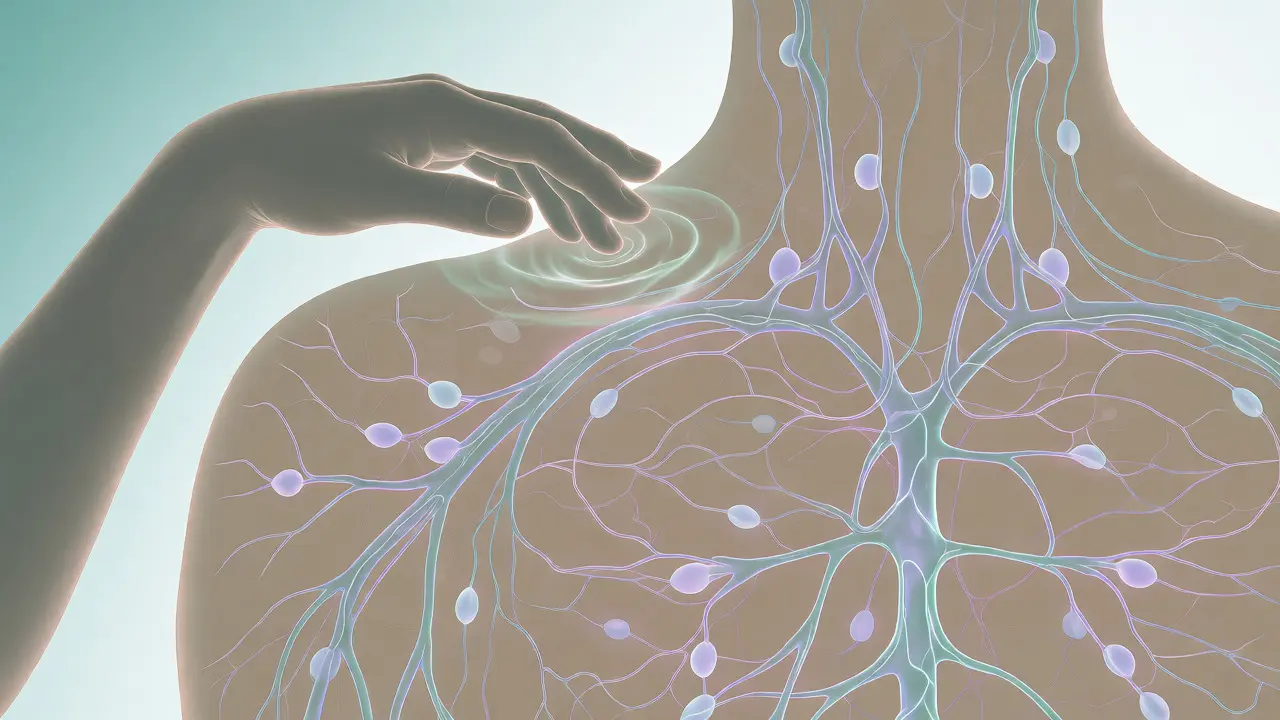
Most people understand their circulatory system because they’ve seen diagrams with red arteries and blue veins. But the lymphatic system is the body’s second major circulation network, and it’s arguably more critical for long-term health. Think of it as your internal sewage and security service combined. It collects excess fluid from tissues, filters out bacteria and viruses via lymph nodes, and returns clean fluid to the bloodstream.
Here’s the catch: there is no pump. No heart. No engine. The only way lymph moves is through muscle contractions, breathing, gravity, and-crucially-external manual manipulation. If you sit at a desk for eight hours, your lymph flow slows to a trickle. Waste products accumulate in the interstitial spaces between your cells. Over time, this stagnation contributes to chronic inflammation, brain fog, and even weight gain. LDM acts as an artificial pump, using specific hand movements to encourage fluid movement toward functioning lymph nodes.
How LDM Differs From Standard Massage
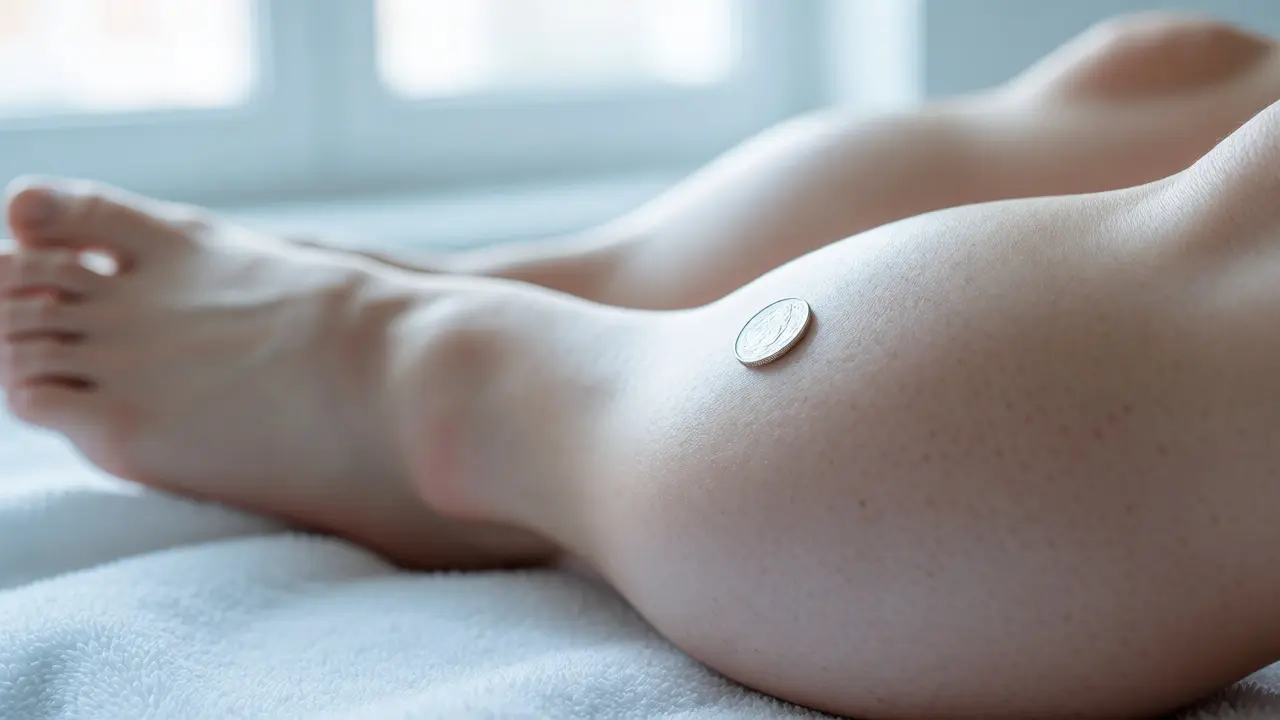
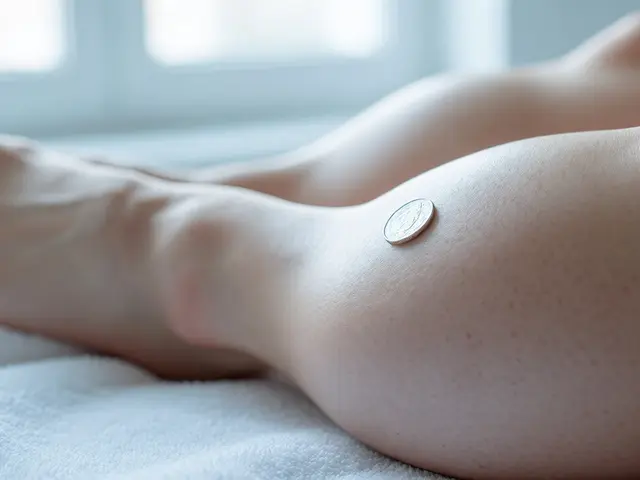
If you’ve ever had a Swedish or Deep Tissue massage, you might expect LDM to feel similar. It doesn’t. In fact, many first-timers are surprised by how light the touch actually is. A skilled therapist uses barely enough pressure to stretch the skin-about the weight of a nickel. Why so light? Because the lymph vessels are superficial, sitting just beneath the dermis. Pressing too hard collapses these delicate tubes, blocking flow rather than aiding it. Deep tissue work targets muscles; LDM targets the subcutaneous tissue.
The technique follows a precise order. Therapists always start centrally, near the collarbone or abdomen, to open up "drainage pathways" before working outward toward the limbs. This ensures there’s nowhere for the fluid to go but forward. If you try to push fluid from your feet upward without opening the central channels first, you’re just creating backpressure. It’s like trying to flush a toilet while the main valve is closed.
| Feature | Lymphatic Drainage Massage | Deep Tissue Massage | Swedish Massage |
|---|---|---|---|
| Pressure Level | Very Light (Skin level) | Firm to Heavy (Muscle level) | Moderate (General relaxation) |
| Primary Goal | Fluid movement & detox | Pain relief & muscle release | Relaxation & circulation |
| Sensation | Gentle, rhythmic, soothing | Intense, sometimes painful | Flowing, warm |
| Best For | Edema, post-surgery, immunity | Chronic pain, sports injuries | Stress, general tension |
Who Actually Needs This?
You don’t need a diagnosed condition to benefit from LDM, but certain groups see dramatic results. The most obvious candidate is someone dealing with lymphedema. This chronic swelling occurs when the lymph system is damaged or overwhelmed, often after cancer treatment or surgery. While LDM won’t cure lymphedema, it significantly reduces volume and discomfort when combined with compression therapy.
But let’s look beyond pathology. Athletes use LDM to speed up recovery after intense training. During exercise, micro-tears in muscle fibers cause localized inflammation. Clearing that metabolic waste faster means less soreness and quicker return to peak performance. Similarly, anyone recovering from cosmetic procedures like liposuction or tummy tucks should prioritize LDM. Post-operative swelling can lead to fibrosis-hardening of tissue-if left untreated. Early intervention keeps scars soft and results smooth.
Then there’s the everyday person. Do you get headaches triggered by sinus congestion? Does your face puff up in the morning? These are signs of poor lymphatic clearance in the head and neck region. Facial LDM is gaining popularity in skincare routines not just for aesthetics, but because reducing facial edema improves oxygenation to the skin, giving you that "glow" that creams alone can’t provide.
The Detox Myth vs. Reality
Marketing teams love the word "detox." They promise that sweating out toxins will cleanse your soul. With LDM, the mechanism is physiological, not mystical. Your liver and kidneys do the actual chemical filtering. What LDM does is optimize delivery. By moving stagnant fluid containing cellular waste, proteins, and pathogens toward the lymph nodes, you allow your body’s natural filtration systems to work more efficiently. It’s not magic; it’s logistics.
However, caution is needed. If you have active infections, such as cellulitis or a fever, avoid LDM. Pushing infected fluid through the system can spread bacteria to other parts of the body. Always consult your doctor if you have a history of congestive heart failure or kidney issues, as shifting large volumes of fluid impacts blood pressure and organ load.
DIY Maintenance Between Sessions
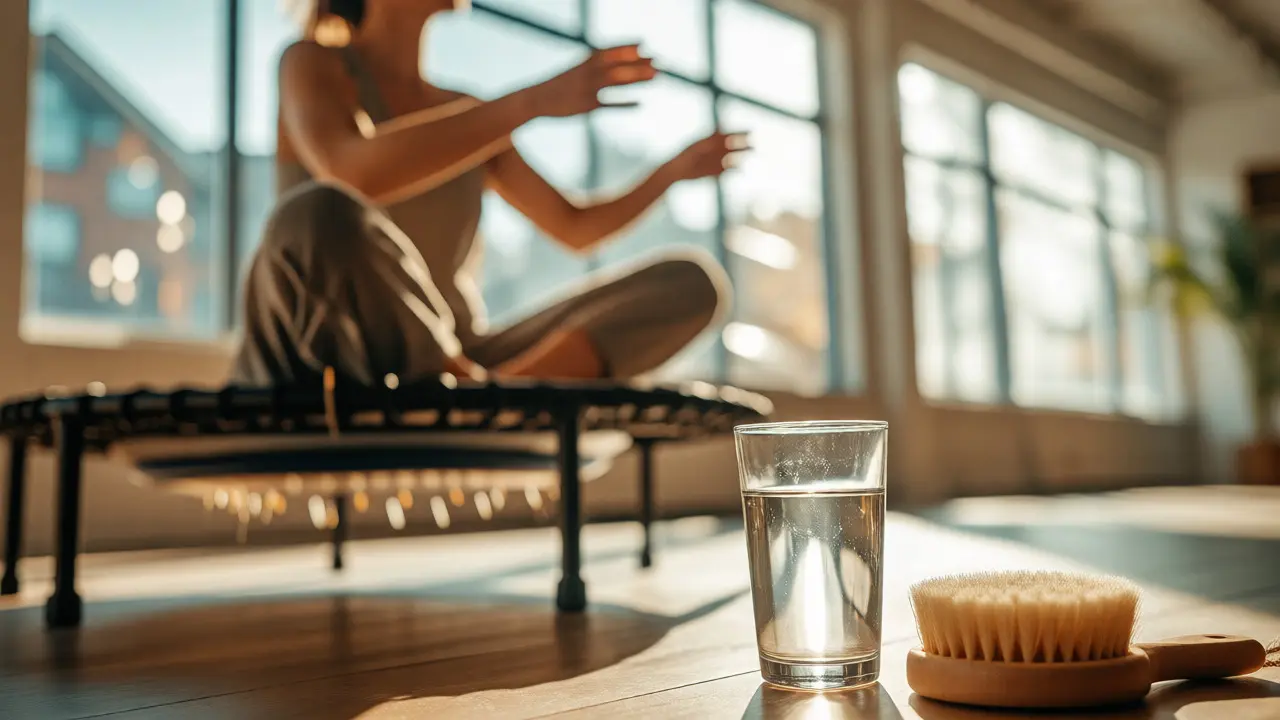
Professional sessions are powerful, but consistency matters more. You can maintain flow between appointments with simple habits. Dry brushing is one method. Using a natural bristle brush, stroke your skin toward the heart before showering. This stimulates surface-level lymph vessels. Another tool is the rebounder-a small mini-trampoline. Ten minutes of gentle bouncing creates a vertical G-force shift that pumps lymph through the thoracic duct effectively. Many therapists recommend this over running for those with joint issues.
Hydration plays a supporting role. Lymph fluid is mostly water. If you’re dehydrated, the fluid becomes viscous and harder to move. Aim for consistent water intake throughout the day rather than chugging liters at once. Movement is also key. Walking, swimming, or yoga all engage the skeletal-muscular pump. Even simple diaphragmatic breathing helps. Deep belly breaths create negative pressure in the chest cavity, sucking lymph upward from the abdomen.
What to Expect During a Session
A typical session lasts 60 to 90 minutes. Wear loose, comfortable clothing. Avoid heavy meals beforehand, as digestion diverts blood flow away from peripheral circulation. The therapist will likely begin at your clavicles to open the venous angles. You’ll feel light, circular motions followed by stationary circles and scoop-like strokes. It’s meditative. Many clients fall asleep during treatment.
Afterward, you might notice increased urination within hours. This is normal-it’s your kidneys processing the mobilized fluid. Some people report feeling tired immediately after, known as a "healing crisis," though this is rare with proper hydration. Drink extra water for the next 24 hours to support the flush.
Choosing a Qualified Practitioner
Not all massage therapists are trained in LDM. Look for certifications from recognized bodies like the Vodder Method or Foldi Technique schools. These are the gold standards in Europe and increasingly adopted in North America. Ask specifically about their experience with your condition. If you have post-surgical needs, ensure they understand scar tissue management alongside lymph work.
Beware of practitioners who combine aggressive techniques with LDM. If they dig into your shoulders while claiming to drain lymph, they’re confusing modalities. True LDM requires focus on rhythm and direction, not force. A good practitioner will explain the anatomy clearly and adjust pressure based on your feedback, ensuring you never feel bruised afterward.
Does lymphatic drainage massage hurt?
No, it should not hurt. The pressure is extremely light, comparable to testing the ripeness of a tomato. If you feel pain or deep pressure, the therapist may be using incorrect technique or applying too much force, which can collapse the lymph vessels instead of draining them.
How often should I get lymphatic drainage massage?
Frequency depends on your goals. For acute issues like post-surgery recovery or severe edema, weekly sessions are common initially. For general wellness and maintenance, once a month is sufficient. Listen to your body; if you feel swollen again sooner, schedule another session.
Can I do lymphatic drainage massage on myself?
Yes, self-massage is possible for basic maintenance, especially for the face and legs. However, professional treatment is recommended for complex cases like lymphedema or post-surgical care because understanding the correct drainage pathways and avoiding blocked areas requires specialized training.
Will lymphatic drainage massage help me lose weight?
It may result in temporary weight loss due to reduced water retention, but it is not a fat-loss solution. LDM addresses fluid imbalance and bloating, not adipose tissue. Use it to improve body contour and comfort, not as a primary weight-loss strategy.
Are there any side effects after the massage?
Side effects are minimal but can include increased urination, mild fatigue, or temporary flu-like symptoms if the detox process is rapid. Drinking plenty of water helps mitigate these effects. Rarely, some people experience slight bruising if the therapist used too much pressure.



About Author

Popular Posts

Shiatsu Massage: Balancing Energy Naturally