Unlocking Wellness: How Reflexology Works and Its Benefits
The Basics of How Reflexology Actually Works
To get where we are today, we have to understand that Reflexology is a therapeutic method involving the application of pressure to specific points on the feet, hands, and ears. While people often confuse it with a standard massage, the two are different. A massage focuses on manipulating soft tissue and muscles to reduce pain. Reflexology, however, focuses on reflexology zones that correspond to different body systems.
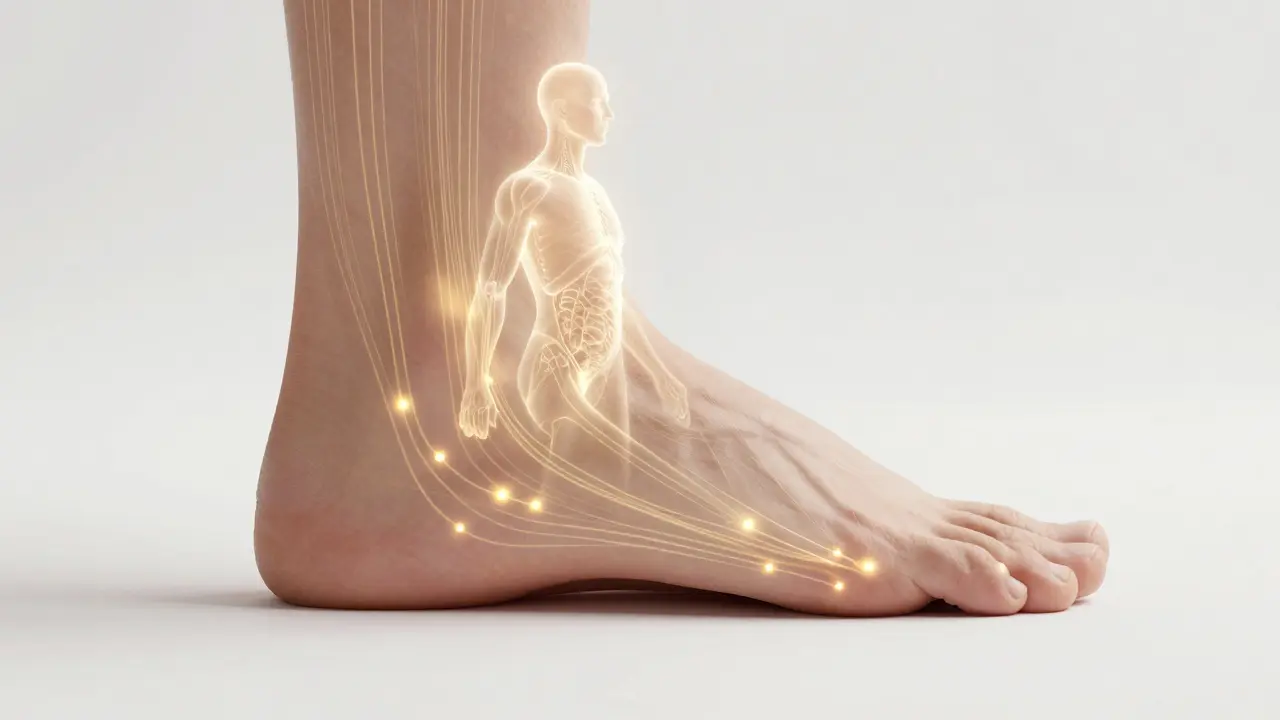
The core theory relies on the idea of "zones." Your body is divided into ten longitudinal zones. When a practitioner presses a point on your big toe, they aren't just treating the toe; they are targeting the Pituitary Gland and the head. This process is thought to stimulate the Central Nervous System, telling the brain to send a signal to a specific organ to relax or function more efficiently. It is less about the muscle and more about the neurological connection.
Quick Wins: What to Expect from Your First Session
- Immediate Relaxation: Most people feel a wave of calm almost instantly as the parasympathetic nervous system takes over.
- Improved Circulation: The physical pressure pushes blood toward the heart and helps oxygenate tissues.
- Mental Clarity: By reducing the "noise" of physical tension, many report a sense of mental lightness.
- Better Sleep: Since it lowers cortisol levels, you are much more likely to fall into a deep REM cycle after a session.
Mapping the Body: The Feet, Hands, and Ears
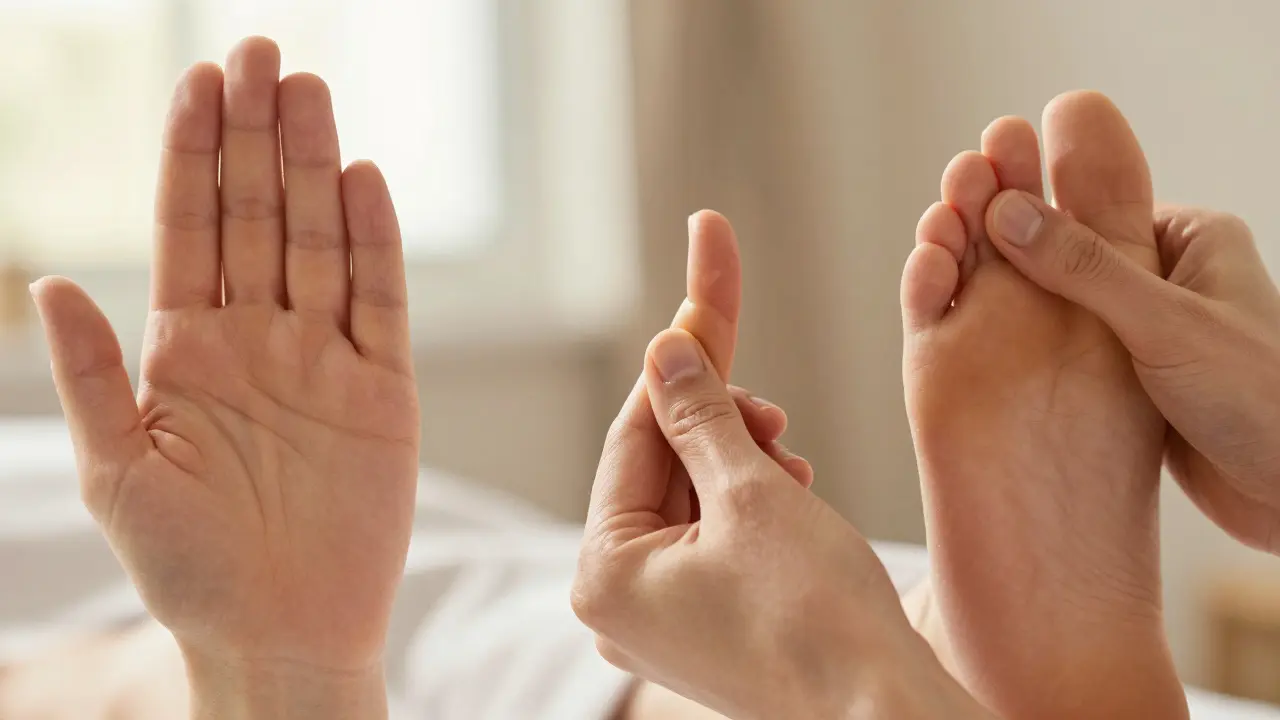
Most of the action happens in the feet, but that is not the only place where these maps exist. The feet are the most popular because they have a large surface area and a high density of nerve endings. For example, the ball of the foot typically corresponds to the chest and lungs, while the heel relates to the lower back and pelvic region.
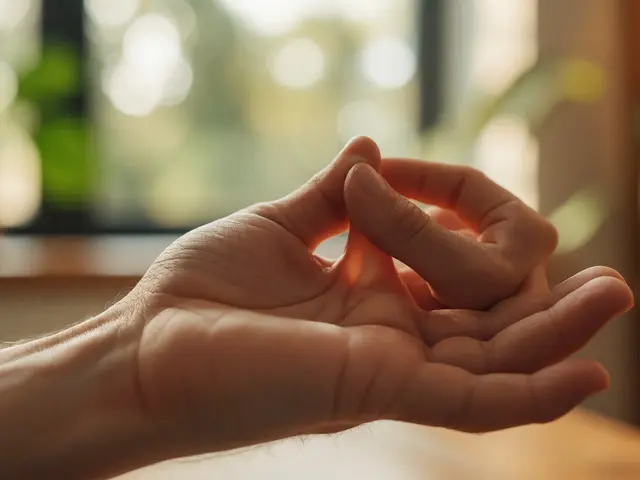
However, Hand Reflexology is a fantastic alternative for people who are ticklish or have foot injuries. Your palms contain similar mapped points. If you are feeling a sudden onset of anxiety, rubbing the center of your palm (which corresponds to the solar plexus) can actually help ground you. Then there is Auricular Therapy, or ear reflexology. The ear is essentially a flipped-over fetus, with the toe being the lobe and the head being the top of the ear. This is often used in clinical settings to manage acute pain or addiction cravings.
| Reflex Area | Corresponding Organ/System | Commonly Used For |
|---|---|---|
| Big Toe | Brain and Sinuses | Headaches and Mental Fog |
| Arch of Foot | Digestive Organs (Liver/Spleen) | Bloating and Digestion |
| Heel | Pelvis and Sciatic Nerve | Lower Back Pain |
| Outer Edge | Shoulders and Hips | Joint Stiffness |
Tackling Modern Stress with Holistic Pressure
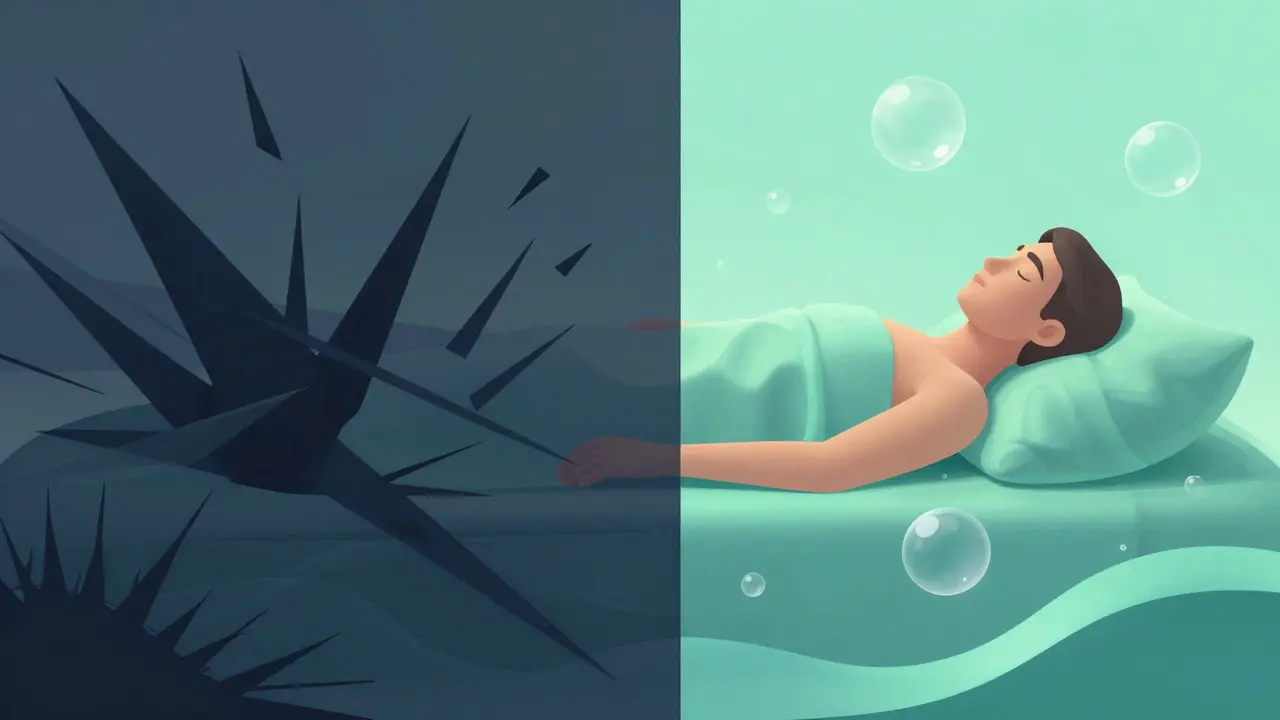
We live in a world of constant notifications and high-cortisol environments. This keeps our bodies in a state of "fight or flight." When you engage in Acupressure techniques like reflexology, you are essentially flipping a switch in your brain. You move from the sympathetic nervous system (stress) to the parasympathetic nervous system (rest and digest).
Consider the case of a corporate executive who suffers from chronic insomnia. Traditional sleep aids might mask the symptom, but reflexology targets the Endocrine System. By stimulating the points related to the adrenal glands, the therapist helps the body stop overproducing adrenaline. This doesn't just make the person sleepy; it recalibrates their internal clock. It is the difference between forcing a car to stop with the brakes and letting it glide to a natural halt.
The Science and the Skepticism
If you look for a double-blind clinical trial that proves a foot point can cure a liver ailment, you might struggle. That is because reflexology doesn't fit neatly into the Western medical model of "one drug, one target." Instead, it aligns more with Holistic Medicine, which views the body as an interconnected web rather than a collection of separate parts.
One interesting theory is the "Gate Control Theory" of pain. This suggests that the pressure from reflexology sends signals to the brain faster than pain signals can travel. This effectively "closes the gate" on pain, making you feel better regardless of whether the "map" is biologically literal or just a helpful guide for the therapist. Furthermore, the release of Endorphins-the body's natural painkillers-is a documented result of targeted pressure therapy.
How to Start Your Own Wellness Journey
You don't always need a professional to get some relief. While a certified therapist is best for deep healing, you can use simple self-care techniques at home. Start by soaking your feet in warm water with Epsom salts to relax the muscles. Then, use your thumb to make small, circular motions on the center of your sole. If you feel a "crystal" or a tender spot, spend a bit more time there; in reflexology, these are often seen as energy blockages.
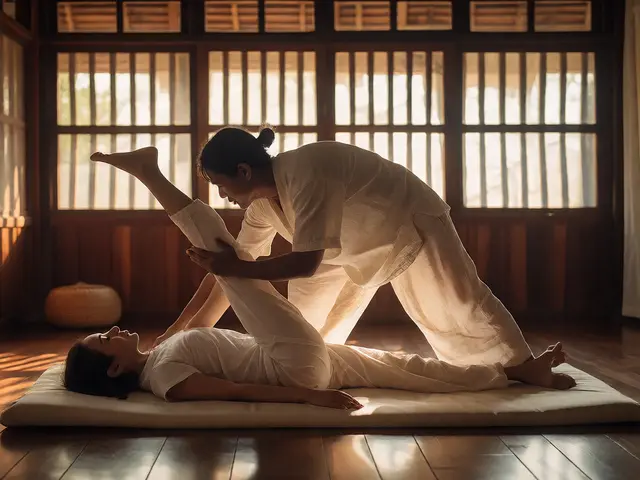
If you are looking for a professional, look for someone certified by a recognized body, such as the Association of Reflexologists. Ask them about their approach-do they focus on relaxation, or are they trying to target a specific health issue? A good practitioner will take a full history of your health and adjust the pressure based on your sensitivity.
Safety First: When to Skip the Session
Reflexology is generally safe, but it isn't for everyone. If you have a history of deep vein thrombosis (DVT), applying heavy pressure to the legs and feet could potentially dislodge a blood clot, which is dangerous. Similarly, people with severe osteoporosis or those who are in the first trimester of pregnancy should consult a doctor first. The pressure can sometimes stimulate uterine contractions if applied to the wrong points during early pregnancy.
Diabetics also need to be careful. Nerve damage, or neuropathy, can make it hard to feel if the pressure is too intense, which might lead to skin damage. Always tell your therapist if you have any skin infections or open wounds on your feet, as these can be aggravated by the rubbing and pressure techniques.
Is reflexology the same as a foot massage?
No. A foot massage is designed to relax the muscles of the foot and feel good. Reflexology is a targeted therapy based on the belief that specific points on the feet correspond to different organs and systems throughout the entire body. The goal of reflexology is to promote homeostasis and healing in those distant areas.
Can reflexology cure diseases?
Reflexology is a complementary therapy, not a replacement for medical treatment. It cannot "cure" a disease in the way a medication or surgery would, but it can manage symptoms, reduce stress, and support the body's natural healing processes, which often makes medical treatments more effective.
How often should I get reflexology treatments?
This depends on your goals. For general stress relief, once a month is usually enough. If you are dealing with a chronic issue like insomnia or digestive problems, a series of weekly sessions for 4-6 weeks is often recommended to see a significant shift in your wellness.
Does it hurt?
For most people, it is deeply relaxing. However, if a specific organ system is "blocked" or stressed, the corresponding point on the foot might feel tender or sore. A skilled therapist will work around this sensitivity and gradually apply pressure to ease the tension.
Can I do reflexology on myself?
Yes, you can! While you won't have the professional precision of a therapist, using a reflexology map and applying firm, circular pressure to your own feet or hands can help reduce stress and improve your mood during a busy day.

About Author