The Ultimate Relaxation Duo: Massage Oils and Candles
You know that feeling when you finally sit down after a long day, but your shoulders are still up around your ears? You try to close your eyes, but your brain won’t shut off. This is where the power of sensory pairing comes in. It isn't just about slathering lotion on your back or lighting a wick; it’s about creating an environment that forces your nervous system to switch gears. When you combine Massage Oils and aromatherapy candles, you create what I call the "Ultimate Relaxation Duo." This isn't fluffy marketing speak. There is actual physiology behind why scent and touch work better together than they do apart.
Most people treat these two items as separate purchases. They buy a candle for the living room and oil for the bathroom. But if you want real stress relief, you need to understand how they interact. Your sense of smell connects directly to the limbic system, the part of your brain responsible for emotion and memory. Your sense of touch releases oxytocin and lowers cortisol. When you hit both buttons at once, you get a compounding effect. Let's break down exactly how to build this duo so it actually works, rather than just looking pretty on a shelf.
Why Scent and Touch Work Better Together
Think about the last time you felt truly relaxed. Was it silent? Probably not. It likely had a specific atmosphere. Aromatherapy is the practice of using plant extracts to promote health and well-being relies on olfactory stimulation. When you inhale certain compounds, like linalool found in lavender, your body responds chemically before you even consciously register the scent. Studies have shown that lavender inhalation can reduce heart rate and blood pressure. But scent alone doesn't release muscle tension physically. That’s where the massage comes in.
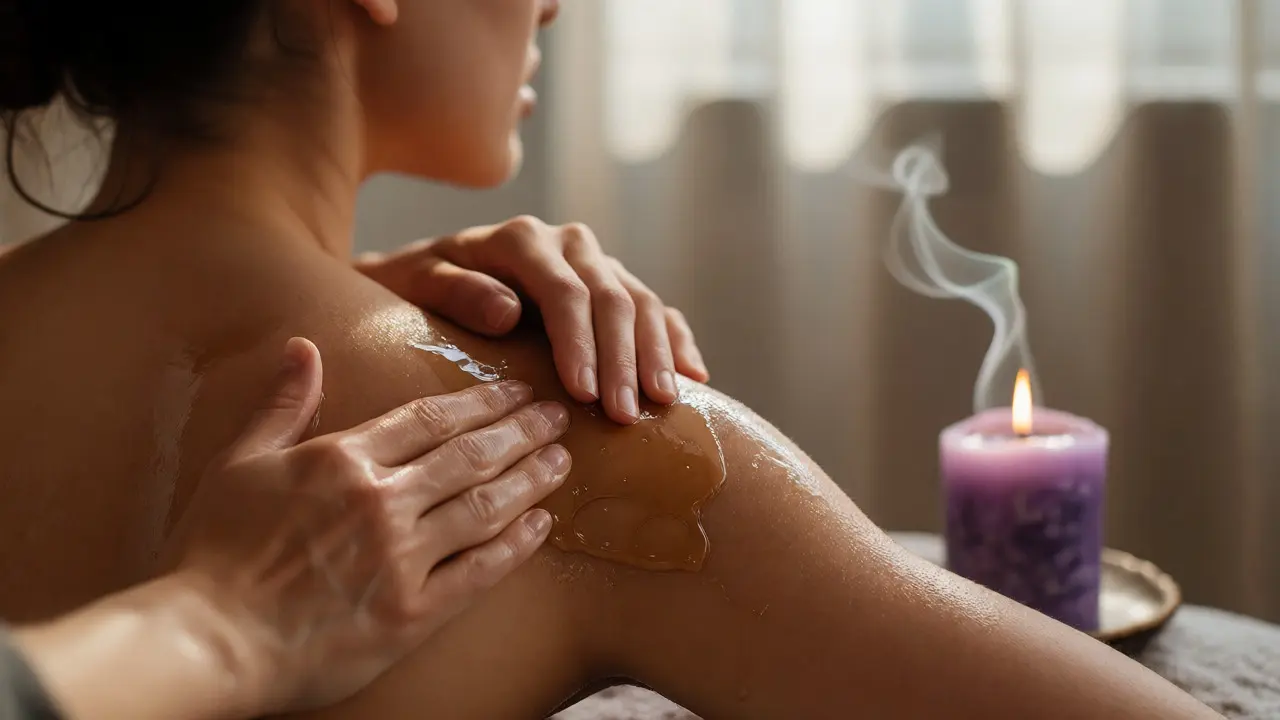
Massage Therapy is the manipulation of soft tissues in the body to relieve pain and stress does the heavy lifting for your muscles. It increases circulation and breaks up adhesions. However, without the right mental state, your muscles might remain guarded. You tense up because you’re thinking about tomorrow’s meeting. The candle sets the stage. It tells your brain, "We are safe. We are resting." The oil then allows your hands (or your partner's hands) to glide over your skin, triggering the physical release. One prepares the mind; the other heals the body. Separately, they are nice. Together, they are transformative.
Choosing the Right Massage Oil Base
Not all oils are created equal. If you pick the wrong base, you’ll end up with a greasy mess that stains your sheets and clogs your pores. You need a carrier oil that absorbs well and suits your skin type. Here is a quick breakdown of the most common bases you will encounter:
| Oil Type | Absorption Rate | Skin Feel | Best For |
|---|---|---|---|
| Jojoba Oil | Medium-High | Non-greasy, mimics sebum | All skin types, face-safe |
| Sweet Almond Oil | Medium | Smooth, slightly nutty | Dry skin, sensitive skin |
| Coconut Oil | Low | Greasy, solidifies in cold | Body only, dry patches |
| Grapeseed Oil | High | Light, matte finish | Oily skin, hot climates |
I personally lean towards Jojoba for facial massages and Sweet Almond for full-body work. Coconut oil is great if you don’t care about residue, but be careful-it can be comedogenic (pore-clogging) for some people. Grapeseed is fantastic if you hate the feeling of oil sitting on your skin. Whatever you choose, make sure it is cold-pressed and unrefined. Refined oils lose their natural nutrients and often contain chemical residues from processing.
Selecting Candles That Actually Relax You
Here is the trap most people fall into: buying cheap paraffin candles. Paraffin is a byproduct of petroleum. When you burn it, you are essentially releasing small amounts of benzene and toluene into your air. These are volatile organic compounds (VOCs). While a single candle won't hurt you, breathing them in while you are trying to relax seems counterintuitive. You want clean combustion.
Look for candles made from Soy Wax a biodegradable wax derived from soybean oil, beeswax, or coconut wax. Soy burns cooler and slower than paraffin, meaning your scent lasts longer. Beeswax has a natural honey scent and actually cleans the air by emitting negative ions that bind to dust and pollutants. Coconut wax blends are excellent for scent throw-the ability of the candle to fill the room with fragrance.
The scent profile matters just as much as the wax. Avoid overly complex perfumes that feel artificial. Stick to single-note or simple blend scents known for calming effects:
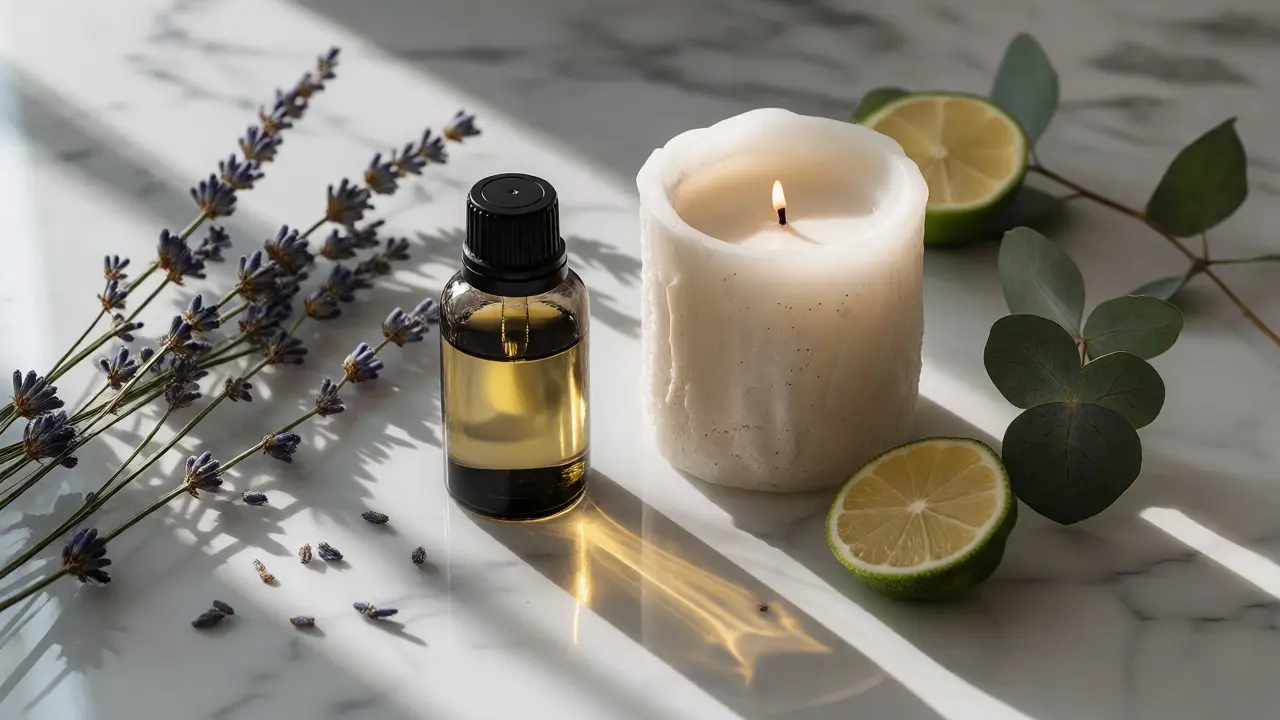
- Lavender: The gold standard for sleep and anxiety reduction.
- Bergamot: A citrus note that uplifts mood without being stimulating like orange or lemon.
- Eucalyptus: Great for clearing sinuses and opening up breathing, especially if you have allergies.
- Cedarwood: Earthy and grounding, good for meditation or deep focus.
How to Pair Scents Without Clashing
This is where things get tricky. If your candle smells like vanilla cupcake and your massage oil smells like eucalyptus forest, you aren't relaxing-you're confusing your brain. The goal is harmony. You want the scent of the candle to complement the scent of the oil, not compete with it.
Here is a simple rule of thumb: Match the intensity. If you use a strong essential oil blend in your massage, use a subtle candle. If your candle has a heavy, sweet scent, use a neutral or lightly scented oil. Ideally, match the primary notes. If your massage oil contains lavender, light a lavender candle. If your oil is unscented (pure carrier), you have more freedom with the candle scent.
Consider the time of day. Morning or afternoon relaxation might benefit from uplifting scents like Bergamot or Rosemary paired with a light Grapeseed oil. Evening wind-downs call for heavier, sedative scents like Lavender, Chamomile, or Sandalwood paired with richer oils like Sweet Almond or Coconut. Don't mix energizing scents with sedative ones unless you want a very specific, niche experience.
Setting the Scene: Lighting and Temperature
You’ve got the right oil and the right candle. Now, don't ruin it with bad lighting. Fluorescent lights kill relaxation instantly. Turn them off. Use the candlelight itself, plus maybe one dim lamp with a warm bulb (2700K or lower). This mimics sunset colors, which signal your body to produce melatonin.
Temperature plays a huge role too. Cold rooms cause muscle tension. Warm rooms promote vasodilation, which helps the massage oil absorb better. Aim for a room temperature between 72°F and 75°F (22°C - 24°C). If you are doing a self-massage, have a towel ready. If you are having someone else do it, ensure they wash their hands thoroughly before touching the oil. Dirty hands under warm oil feel terrible.
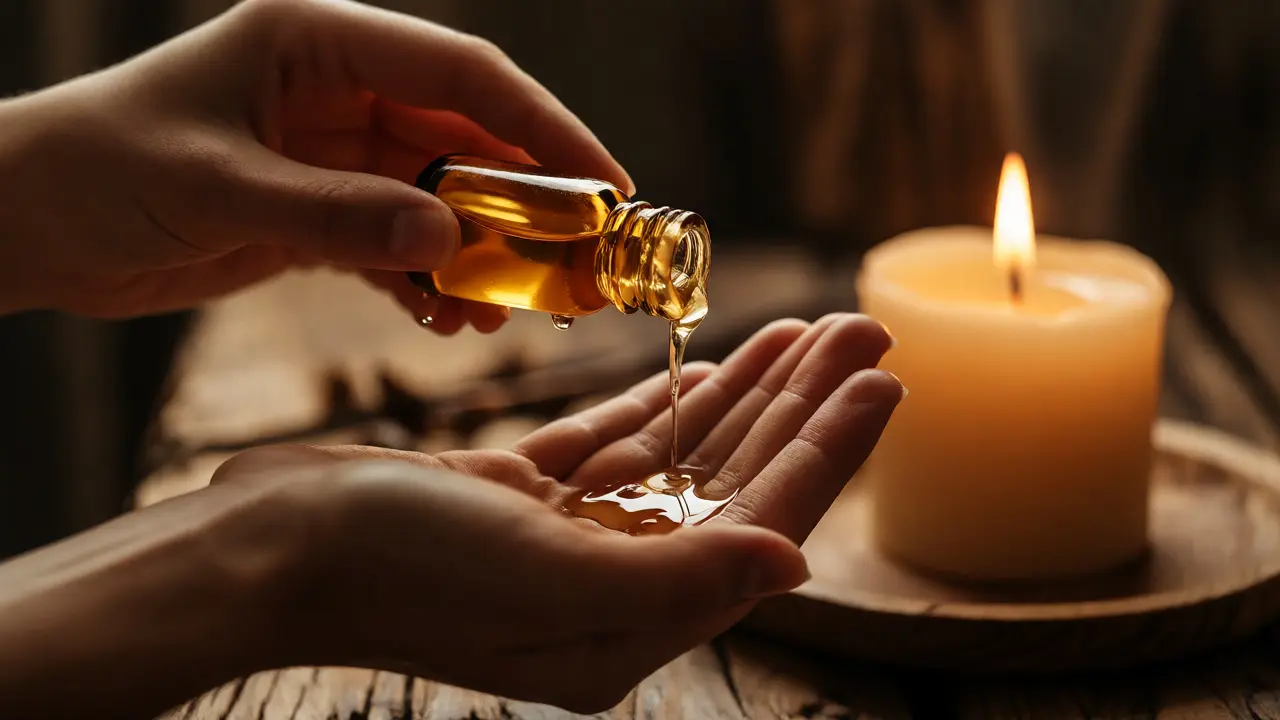
One pro tip: Warm your oil slightly before applying it. Cold oil on bare skin causes a shock response-goosebumps and tensing up. Rub the oil between your palms for ten seconds or place the bottle in a bowl of warm water for a few minutes. Never microwave it, as uneven heating can create hot spots that burn your skin.
Troubleshooting Common Issues
Even with the best setup, things go wrong. Here are the most common complaints and how to fix them.
The Candle Smells Like Burnt Wick: This usually means the wick is too long. Trim it to 1/4 inch before every burn. Long wicks create a larger flame, which overheats the wax and burns the fragrance oils instead of evaporating them gently.
The Oil Feels Sticky: You used too much, or you chose a low-quality oil with additives. Try less oil next time. If you are already covered, wipe off excess with a warm, damp cloth. Do not shower immediately, as this washes away the benefits. Just blot.
I Feel Dizzy: Some essential oils are potent. If you feel lightheaded, step away from the candle and open a window. Ventilate the room. Strong scents can trigger headaches in sensitive individuals. Switch to a milder scent or dilute your essential oil further in the carrier oil.
My Sheets Are Stained: Oil stains happen. To prevent this, lay down an old towel or a dedicated massage mat. If you must use good linens, apply the oil sparingly and allow it to absorb fully (wait 15-20 minutes) before getting into bed. Wash stained sheets in cold water first to lift the grease, then wash normally.
Creating Your Own DIY Blend
You don't need to buy expensive pre-made products. Making your own blend gives you control over quality and cost. Here is a basic recipe for a relaxing evening blend.
- Base: 1/4 cup of Sweet Almond Oil or Jojoba Oil.
- Essential Oils: Add 10-15 drops total of essential oils per 1/4 cup of carrier oil. A good ratio is 60% Lavender, 30% Bergamot, and 10% Ylang Ylang.
- Mix: Pour the carrier oil into a dark glass bottle. Add the essential oils. Cap and shake gently.
- Rest: Let the mixture sit for 24 hours before using. This allows the scents to meld together.
For the candle, you can buy plain soy pillar candles and add a drop of matching essential oil to the melted wax pool if you want to customize the scent throw. Or, simply stick to high-quality store-bought candles with pure essential oil fragrances. Check the label for "phthalate-free" to ensure no hidden synthetic chemicals are sneaking in.
Frequently Asked Questions
Can I use any cooking oil for massage?
Technically, yes, but it is not recommended. Cooking oils like olive oil can smell rancid quickly and may leave a heavy residue. Olive oil is also quite thick and absorbs slowly. Stick to cosmetic-grade carrier oils like Jojoba, Almond, or Grapeseed, which are refined for skin safety and absorption.
Are soy candles really better than paraffin?
Yes, for indoor air quality. Soy wax burns cleaner, producing significantly less soot than paraffin. It is also renewable and biodegradable. Paraffin is a petroleum byproduct and can release trace amounts of VOCs when burned, which might irritate sensitive lungs or exacerbate asthma.
How long should I burn my candle?
Never burn a candle for more than 4 hours at a time. Also, ensure the first burn creates a melt pool across the entire top surface to prevent "tunneling," where wax builds up on the sides and wastes product. Always trim the wick to 1/4 inch before each use.
Is it safe to use essential oils during pregnancy?
It depends on the oil. Some oils like Lavender and Citrus are generally considered safe in moderation, while others like Rosemary or Jasmine are often advised against, especially in the first trimester. Always consult your healthcare provider before using new essential oils if you are pregnant or nursing.
Do massage oils expire?
Yes, carrier oils can go rancid. Jojoba is very stable and lasts 2-3 years. Almond and Coconut oils typically last 1-2 years. Store them in cool, dark places away from sunlight. If your oil smells like crayons or stale nuts, it has oxidized and should be discarded.


About Author

Popular Posts


Sports Massage Benefits: The Ultimate Recovery Guide