The Beginner's Guide to Chair Massage: Techniques, Benefits, and Safety
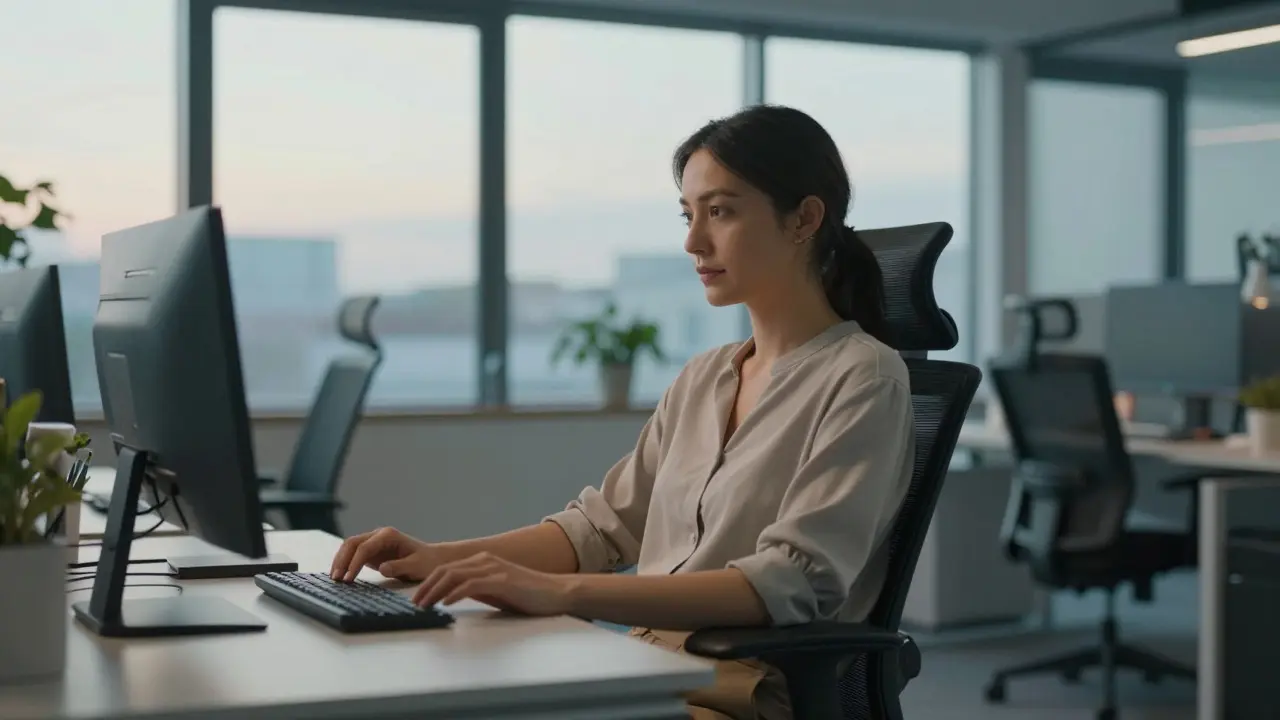
Imagine sitting in your desk chair after a long day of staring at screens, shoulders hunched up by your ears. You don't have time for a full hour-long spa session, but you need relief now. That is exactly where the chair massage is a specialized form of therapeutic bodywork performed while the recipient remains seated in an ergonomic chair, focusing on accessible areas like the neck, shoulders, arms, hands, and feet. Unlike traditional table massages, this technique prioritizes speed, accessibility, and targeted relief for specific muscle groups without requiring the client to undress or lie down. It has become a staple in corporate offices, airports, and busy urban centers because it fits into tight schedules while delivering immediate physical benefits.
You might wonder if a quick ten-minute session can actually make a difference. The answer is yes, provided you focus on the right techniques. The goal here is not deep tissue work on the back or legs, which are hard to reach while seated. Instead, we target the upper body muscles that hold the most stress from poor posture and repetitive typing. By mastering a few simple strokes, you can help someone (or yourself) release tension, improve circulation, and reset their nervous system in under fifteen minutes.
Why Choose a Chair Massage Over Traditional Options?
The primary advantage of chair massage is convenience. In a standard Swedish massage, the client must lie face-down or face-up on a table, wear a gown, and wait for the therapist to position them correctly. This process takes time. With a chair massage, the client simply sits down. The Ergonomic Chair is a specialized piece of furniture designed with open backs, armrests, and footrests to allow easy access to the shoulders, arms, and feet during massage therapy. This setup means no awkward twisting and no waiting for positioning. For busy professionals, this saves valuable time. You can walk in, get a quick reset, and walk out ready to handle the next meeting.
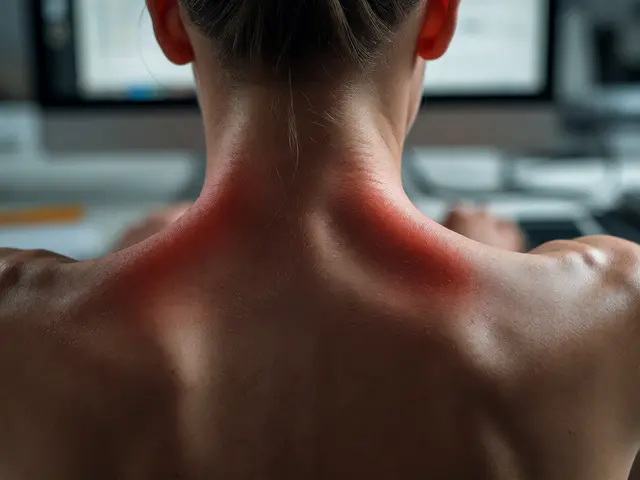
Another major benefit is the focus on the upper body. Most people who suffer from chronic pain due to computer use feel it in their traps, neck, and forearms. A chair massage targets these exact areas. While you won’t get a full-body workout, you will get intense attention where it hurts the most. This makes it highly effective for relieving Muscle Tension associated with tightness and stiffness in muscle fibers often caused by stress, poor posture, or overuse. If your main complaint is a stiff neck or sore shoulders, this format is often more effective than a general relaxation massage that spends half its time on your calves or thighs.
Preparation: Setting Up the Space and Tools
Before you start touching any muscles, you need the right environment. You do not need a professional studio, but you do need a stable surface. An office chair works well if it has armrests and a headrest. If you are doing this at home, ensure the chair is sturdy enough to support your weight as you lean in. The room should be quiet and warm. Cold air can cause muscles to tighten up, defeating the purpose of the massage. Keep the temperature around 70-75 degrees Fahrenheit (21-24 Celsius) for comfort.
You also need lubricant. Dry hands create friction, which can irritate the skin rather than soothe the muscle. Use a light oil or lotion. For office settings, unscented lotions are best to avoid triggering allergies or lingering smells. Apply a small amount to your palms before starting. If you are massaging someone else, ask about allergies first. Some people react to certain plant-based oils, so sticking to neutral, hypoallergenic products is a safe bet. Finally, prepare the client. They should remove bulky jackets or scarves to give you access to the shoulders and neck. Loose clothing is ideal. Tight shirts can restrict movement and make it harder to apply proper pressure.
Core Techniques: Hands, Arms, and Shoulders
Start with the hands. The hands are often overlooked, but they hold significant tension from gripping phones, mice, and keyboards. Begin with gentle effleurage strokes. Place one hand on the client’s wrist and glide upward toward the elbow using circular motions. Use moderate pressure. The goal is to increase blood flow and relax the forearm muscles. Move to the palm and gently press between the fingers. This area is rich in nerve endings, so keep the touch soft and rhythmic. Spend about two minutes on each hand.
Next, move to the arms. Ask the client to rest their forearms on the armrests or let them hang loosely. Use your thumbs to apply pressure along the inner bicep and tricep. Thumbs are powerful tools for targeting specific knots. Avoid pressing directly on the bones; instead, aim for the fleshy parts of the muscle. Combine thumb pressure with kneading motions. Grab the muscle gently and squeeze, then release. This helps break up adhesions and improves flexibility. Be careful not to press too hard, as the arms can be sensitive. If the client winces, lighten up slightly.
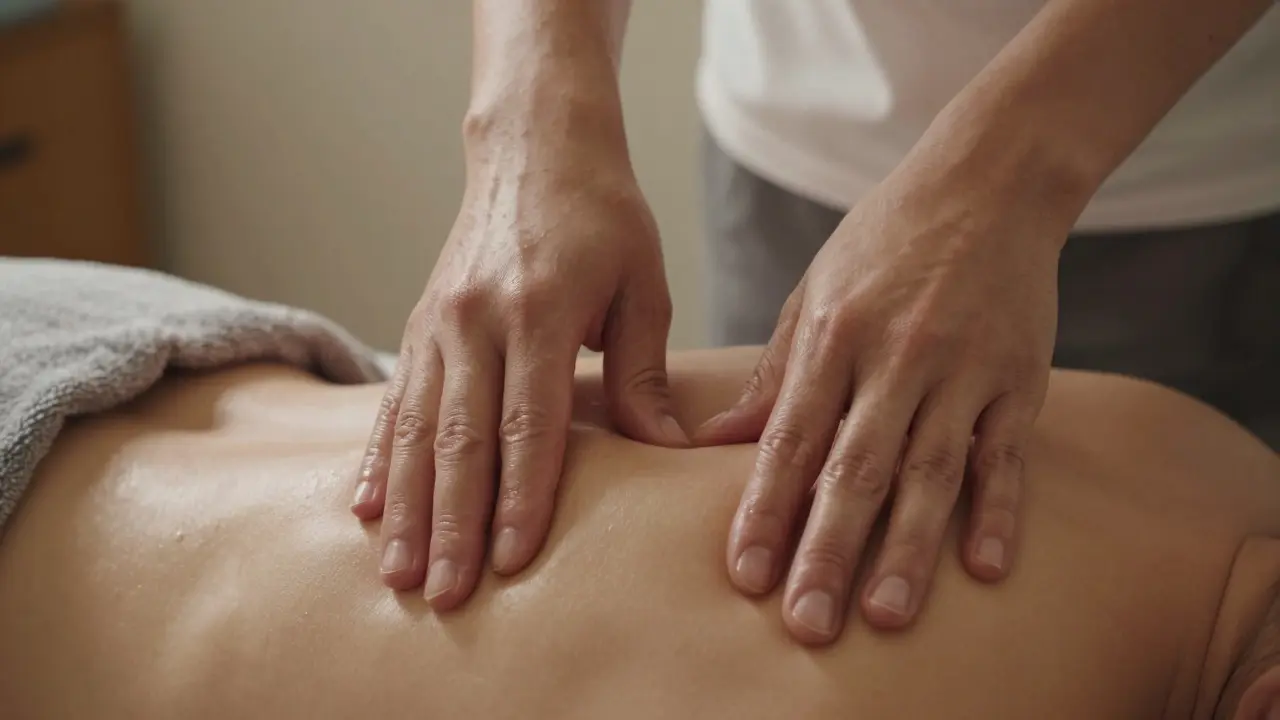
The shoulders are the star of the show. This is where most people store their daily stress. Sit behind the client. Place your thumbs at the base of the neck, near the spine, and your fingers on the outer shoulder. Apply steady, downward pressure with your thumbs while lifting slightly with your fingers. This stretch opens up the trap muscles. Slowly work your way up the neck toward the ears, but stop just before the skull. The neck is delicate, so use lighter pressure here than you would on the shoulders. Combine this with kneading the shoulder caps. Squeeze the top of the shoulder muscle firmly, hold for three seconds, and release. Repeat this motion across the entire shoulder blade area. This sequence releases the tension that causes headaches and upper back pain.
Neck and Head: Finishing Touches
Once the shoulders are relaxed, move to the neck. The neck requires precision. Use your fingertips to gently stroke from the base of the skull down to the collarbone. This direction follows the lymphatic system, helping to drain fluid and reduce puffiness. Avoid pressing on the front of the neck, where major arteries run. Stick to the sides and back. You can use a gentle circular motion with your index and middle fingers on the side of the neck, just below the ear. This area connects to the jaw, so many people feel a profound sense of release here. Keep the movements slow and calming. The goal is to transition the client from a state of alertness to one of relaxation.
Finish with the head. Lightly massage the scalp using all five fingers. Circle around the head, applying light pressure. This stimulates blood flow to the brain and helps alleviate tension headaches. End with a final pass over the shoulders and neck to ensure everything feels smooth and loose. Wipe off any excess oil with a towel. The whole session should take no more than 15-20 minutes. Any longer, and you risk fatigue setting in again. The key is intensity followed by immediate release.
Safety Tips and Common Mistakes to Avoid
While chair massage is low-risk, mistakes can happen. The biggest error is using too much pressure. Because the client is seated, they cannot easily roll away from painful spots. This can lead to bruising or muscle strain. Always check in verbally. Ask, "Is this pressure okay?" Adjust based on their response. Another common mistake is neglecting the feet. Even though the focus is upper body, shaking out the feet or gently rubbing the soles can help ground the client and complete the relaxation cycle. If the chair has footrests, use them. If not, encourage the client to wiggle their toes at the end.
Beware of injuries. If the client has a recent injury to the neck or shoulder, consult a doctor before proceeding. Conditions like herniated discs or rotator cuff tears require professional medical assessment. Do not assume that pain means progress. Pain indicates something is wrong. Comfortable pressure feels good; painful pressure feels bad. Listen to the body. Also, watch your own posture. Standing behind a chair for extended periods can strain your back. Take breaks if you are doing multiple sessions in a row. Good ergonomics for the therapist ensures consistent quality care.
| Feature | Chair Massage | Traditional Table Massage |
|---|---|---|
| Duration | 10-20 minutes | 60-90 minutes |
| Clothing | Full clothes allowed | Gown required |
| Focus Area | Neck, Shoulders, Arms, Hands | Full Body |
| Setting | Office, Airport, Home Desk | Spa, Clinic |
| Cost | Lower ($20-$40) | Higher ($80-$150+) |

When to Book a Professional Session
You can learn basic techniques to help friends or family, but there are times when you need a pro. If you have chronic pain that doesn’t go away, see a licensed massage therapist. They can identify underlying issues and combine chair massage with other therapies like stretching or heat application. In many cities, mobile therapists offer chair massage services directly in offices. This is convenient for teams experiencing high stress levels. Look for providers certified in remedial massage or sports massage for the best results. They understand anatomy deeply and know how to adjust pressure safely.
For personal use, consider investing in a portable massage device. These gadgets mimic hand movements and can provide consistent pressure. However, nothing beats the human touch for detecting subtle changes in muscle texture. A skilled therapist can feel a knot forming before you even notice it. That level of awareness is hard to replicate with machines. So, while self-care tools are helpful, periodic professional sessions provide deeper relief and preventative care.
Frequently Asked Questions
How long does a typical chair massage last?
A standard chair massage lasts between 10 and 20 minutes. This short duration is intentional, allowing clients to fit the session into lunch breaks or between meetings without disrupting their schedule significantly.
Do I need to undress for a chair massage?
No, you generally keep your clothes on. The therapist focuses on areas exposed by removing bulky outerwear, such as jackets or scarves. Loose-fitting tops are recommended to allow easy access to the shoulders and arms.
Is chair massage good for back pain?
It can help with upper back pain related to posture, specifically in the shoulder blades and neck. However, since the lower back is difficult to access while seated, it may not address lumbar issues effectively. For lower back pain, a table massage is usually better suited.
What kind of oil is used for chair massage?
Lightweight, unscented lotions or oils are preferred. These minimize staining on clothing and reduce the risk of allergic reactions. Jojoba oil or fractionated coconut oil are popular choices because they absorb quickly and leave little residue.
Can I do a chair massage on myself?
Yes, you can perform self-massage on your neck, shoulders, and hands. Using a tennis ball against a wall for the shoulders or rolling a foam roller on the floor for the back can simulate some aspects of a chair massage. It is a great way to maintain daily muscle health.

About Author

Popular Posts
Shiatsu Massage: Balancing Energy Naturally