Thai Massage Guide: Boost Your Wellness Routine
Quick Takeaways for Your Wellness Journey
- Active Recovery: Unlike Swedish massage, Thai massage involves assisted stretching and joint mobilization.
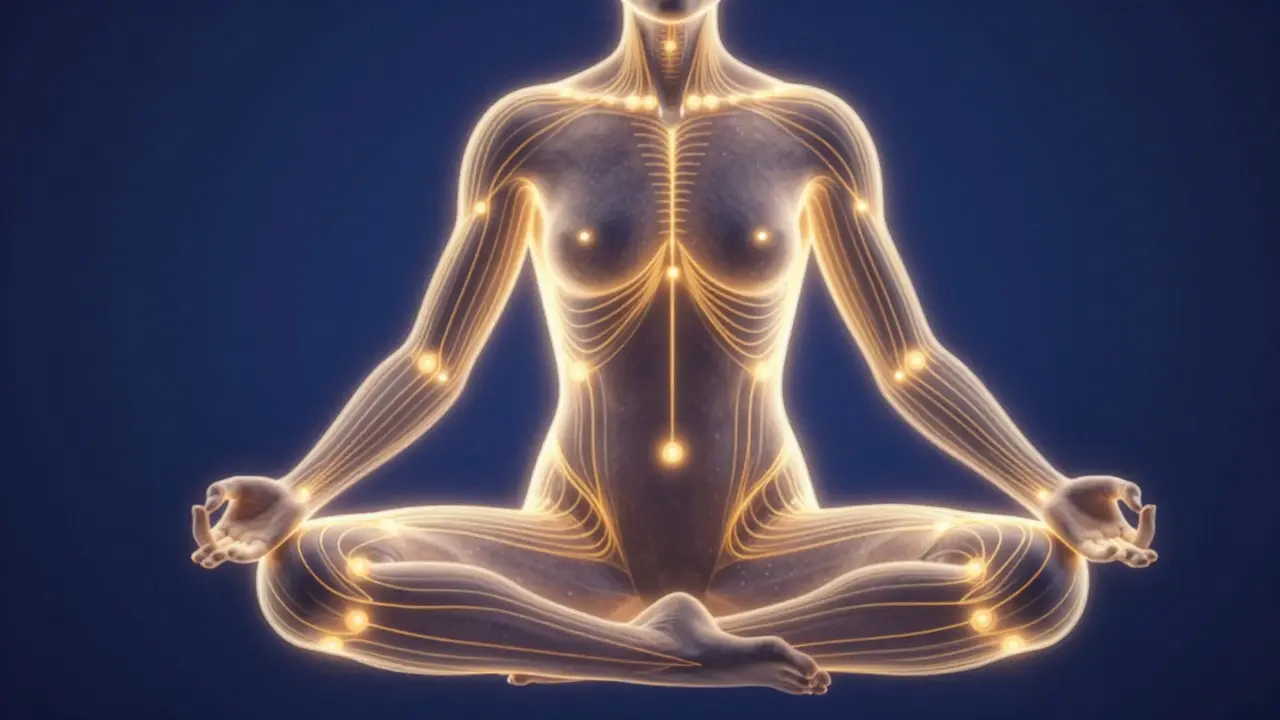
- Energy Flow: It targets Sen Lines, the channels through which vital energy flows in the body.
- Physical Benefits: Increases flexibility, reduces chronic pain, and lowers cortisol levels.
- Mental Impact: Promotes a meditative state and improves sleep quality by calming the mind.
How Thai Massage Actually Works
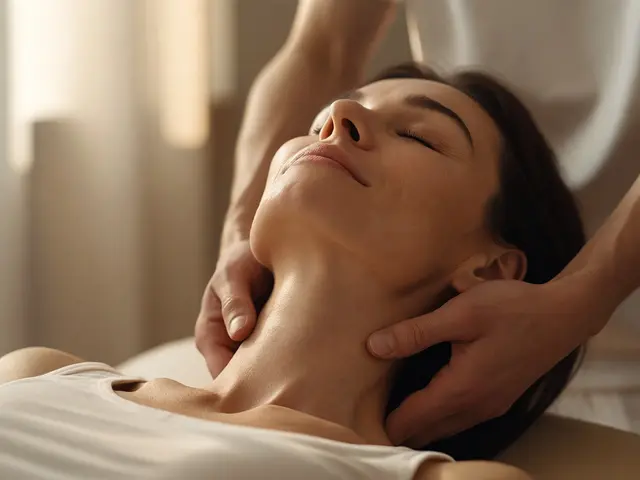
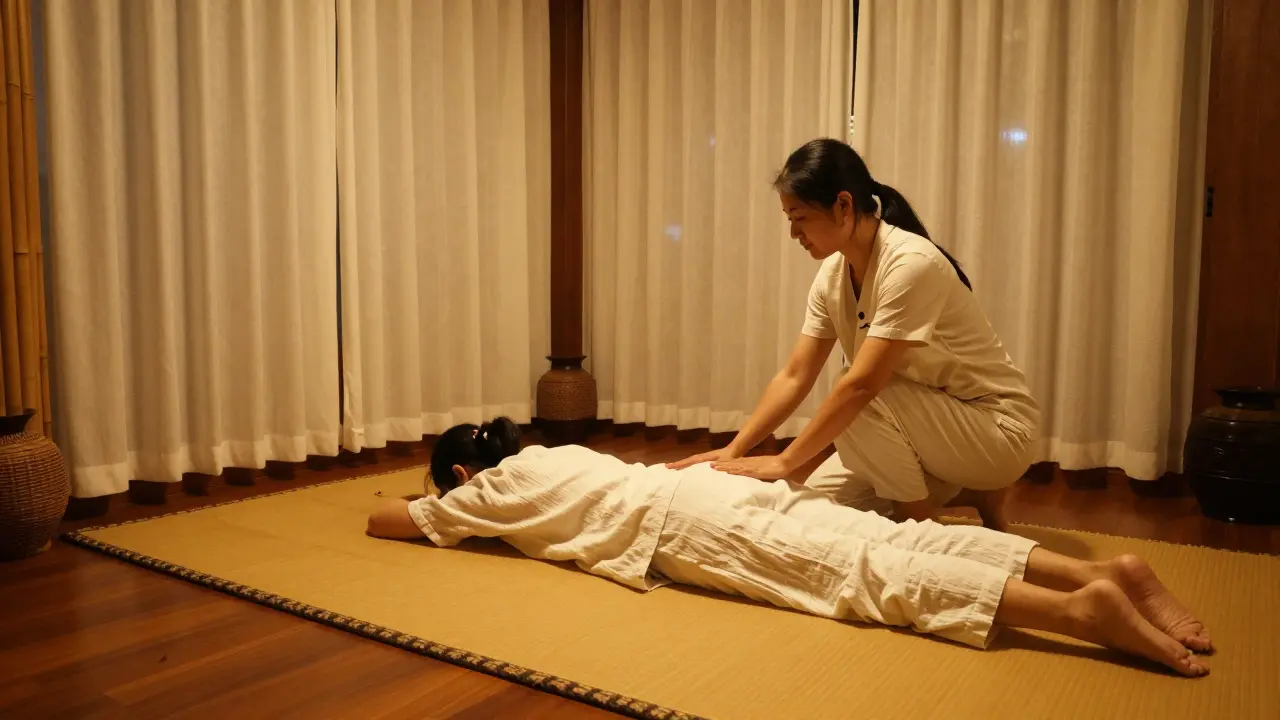
You won't find a lot of oil or lotions here. The magic happens through pressure and position. A therapist uses their hands, elbows, knees, and even their feet to apply targeted pressure to specific points on your body. This mimics the effects of Acupressure, a technique used to stimulate the body's natural healing response.
The core philosophy centers on Sen Lines. In traditional Thai medicine, these are the pathways that carry life energy. When these lines get blocked due to stress, injury, or poor posture, you feel stiff and fatigued. By applying rhythmic pressure and stretching the muscles along these lines, the therapist "unblocks" the flow, which is why you often feel a sudden rush of warmth or lightness after a session.
Think of it as a partnership. You aren't just a patient; you're an active participant. Your therapist might pull your arm back or twist your torso in a way you could never achieve on your own. This deep stretching helps lubricate the joints and releases fascia, the connective tissue that often tightens up when we don't move enough.
Comparing Thai Massage to Other Popular Techniques
If you're trying to decide which treatment to book for your next self-care day, it helps to see how these methods differ in their approach and outcome.
| Feature | Thai Massage | Swedish Massage | Deep Tissue |
|---|---|---|---|
| Primary Goal | Flexibility & Energy Flow | Relaxation & Circulation | Chronic Muscle Pain |
| Technique | Stretching & Compression | Long Gliding Strokes | Intense Pressure/Friction |
| Clothing | Loose, Comfortable Clothes | Undressed (under sheets) | Undressed (under sheets) |
| Intensity | Moderate to High | Low to Moderate | High |
Integrating Thai Massage Into Your Weekly Routine
You don't need to fly to Bangkok to experience the benefits. To make this a sustainable part of your health journey, you have to move beyond the "once-a-year" treat. For someone with a sedentary desk job, a session every two to four weeks can prevent the cumulative damage of "tech neck" and lower back compression.
The real value comes when you combine the professional sessions with daily habits. After a massage, your muscles are more pliable. This is the perfect time to introduce light Hatha Yoga or simple mobility drills. Because the therapist has already "opened" your joints, you'll find that your home stretches are more effective and less likely to cause injury.
Watch out for the "massage hangover." After a deep session, you might feel slightly sore or lightheaded. This is normal; your body is processing the release of metabolic waste from the muscles. Drink plenty of water and avoid high-intensity workouts for 24 hours. Instead, take a warm bath with Epsom salts to keep the muscles relaxed.
The Mental and Emotional Shift
We often talk about the physical side, but the psychological impact is just as strong. Thai massage is often called "lazy man's yoga" because it provides the mental clarity of a meditation practice without requiring you to hold a difficult pose for ten minutes.
The rhythmic nature of the pressure and the deep breaths required during stretches trigger the parasympathetic nervous system. This is the "rest and digest" mode. When you shift out of the "fight or flight" response common in high-stress corporate environments, your brain can finally enter a state of deep recovery. Many people report a feeling of euphoria or profound peace, which is why it's an incredible tool for managing anxiety and insomnia.

Avoiding Common Pitfalls
Not every massage is created equal. A poor experience can happen if you don't communicate or if the therapist isn't properly trained in Nuad Thai. Here are a few rules of thumb to ensure your safety:
- Communicate Pressure: If a stretch feels like it's pulling a ligament rather than a muscle, speak up immediately. There is a big difference between "good pain" (tension releasing) and "bad pain" (sharp or stabbing).
- Check Certifications: Ensure your practitioner understands anatomy. Real Thai massage is a science of the body, not just random pushing.
- Hydration is Non-Negotiable: The compression techniques move fluids and toxins through your lymphatic system. If you don't drink water afterward, you might feel a headache or fatigue.
- Be Honest About Injuries: If you have a herniated disc or a recent sprain, tell your therapist before they touch you. Some of the twists in Thai massage can be contraindicated for specific spinal conditions.
Looking Beyond the Table
Once you've mastered the routine of professional sessions, you can explore related concepts to further your wellness. You might find that Reflexology-which focuses on pressure points in the feet-complements the full-body work of Thai massage. Alternatively, exploring Ayurveda can help you understand how diet and lifestyle choices affect the energy flow the massage is trying to optimize.
The goal isn't just to feel good for an hour; it's to change how your body carries itself through the world. When you consistently clear the blockages in your Sen lines and maintain your flexibility, you'll notice that you stand taller, breathe deeper, and handle stress with much more grace.
Do I need to be flexible to get a Thai massage?
Not at all. In fact, people with the most stiffness often benefit the most. A skilled therapist will adjust the stretches based on your current range of motion. You don't need to touch your toes to start; the massage is designed to help you get there gradually.
Is Thai massage painful?
It can be intense. Because it involves deep pressure and stretching, you might feel some discomfort, especially in areas where you hold a lot of tension. However, it should never be agonizing. Always communicate with your therapist to adjust the pressure to a level that feels like a "productive stretch."
How often should I get a Thai massage for wellness?
For general maintenance and wellness, once every two to four weeks is ideal. If you are dealing with chronic stiffness or recovering from a specific injury, you might start with weekly sessions for a month before moving to a monthly maintenance schedule.
What should I wear to a session?
You should wear loose, breathable clothing. Think yoga pants, leggings, or soft cotton trousers and a T-shirt. Avoid jeans or restrictive clothing that limits your movement, as the therapist will be moving your limbs into various positions.
Can Thai massage help with insomnia?
Yes, by lowering cortisol levels and triggering the parasympathetic nervous system, Thai massage helps the body transition into a state of relaxation. Reducing physical tension often quietens the mind, making it significantly easier to fall and stay asleep.


About Author

Popular Posts

Shiatsu Massage: Balancing Energy Naturally