
Stone Massage: A Natural Path to Harmony and Relaxation
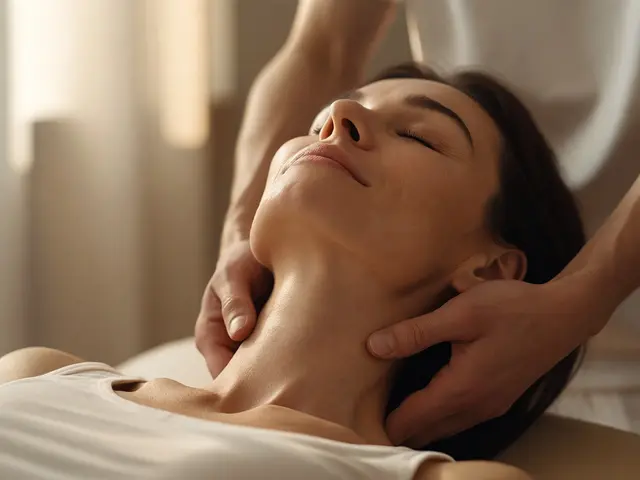
Imagine lying down as warm stones, smoothed by centuries of river water, glide over your back. The heat doesn’t just sit on your skin-it sinks in, loosening muscles you didn’t even know were tight. No needles, no machines, no loud music. Just stillness, warmth, and the quiet rhythm of your breathing. This is stone massage, and it’s been used for thousands of years across cultures-from ancient China to Native American healing rituals-to bring the body back into balance.
What Exactly Is Stone Massage?
Stone massage is a type of bodywork that uses heated or cooled stones, usually basalt or marble, placed on key points of the body or moved along muscles during a session. The stones are typically heated to between 110°F and 130°F (43°C to 54°C), depending on the client’s sensitivity. Some therapists also use cold stones, especially for reducing inflammation or calming overactive nerves.
Unlike traditional Swedish or deep tissue massage, stone massage doesn’t rely solely on hand pressure. The stones act as an extension of the therapist’s hands, delivering deep, even heat that penetrates faster and deeper than fingers alone. This heat causes blood vessels to widen, increasing circulation and helping the body release tension naturally.
The basalt stones used are volcanic rock-dense, smooth, and great at holding heat. Marble stones, often cooler, are used for contrast therapy or to soothe swollen areas. A typical session lasts 60 to 90 minutes and includes placement on the spine, palms, feet, and between the shoulder blades. The therapist may also use the stones to perform slow, gliding strokes along the back, legs, and arms.
Why Does Heat from Stones Work So Well?
Heat is one of the oldest and most effective tools for pain relief. When your muscles are cold or knotted, they tighten up like a clenched fist. Heat tells them to relax. Stone massage delivers that heat slowly and consistently, without burning or shocking the skin.
A 2022 study from the University of Westminster looked at 87 participants receiving weekly stone massage sessions for six weeks. Those who received the treatment reported a 42% average reduction in chronic lower back pain and a 37% improvement in sleep quality. The heat didn’t just numb the pain-it helped the body repair itself by boosting circulation and reducing cortisol levels.
Therapists in Birmingham and across the UK have noticed a rise in clients coming in after long workdays, during winter months, or after injuries. One therapist told me she sees more people in November and December than any other time of year. It’s not just about luxury-it’s about recovery.
How It Feels: More Than Just Warmth
If you’ve never tried it, you might think stone massage is just a fancy version of a heating pad. It’s not. The difference is in the movement and the precision.
As the therapist moves a warm stone along your hamstring, the pressure is firm but smooth. It’s not digging in-it’s melting. You might feel a tingling sensation, not from pain, but from nerves waking up. Some people describe it as “the warmth that finds the ache.”
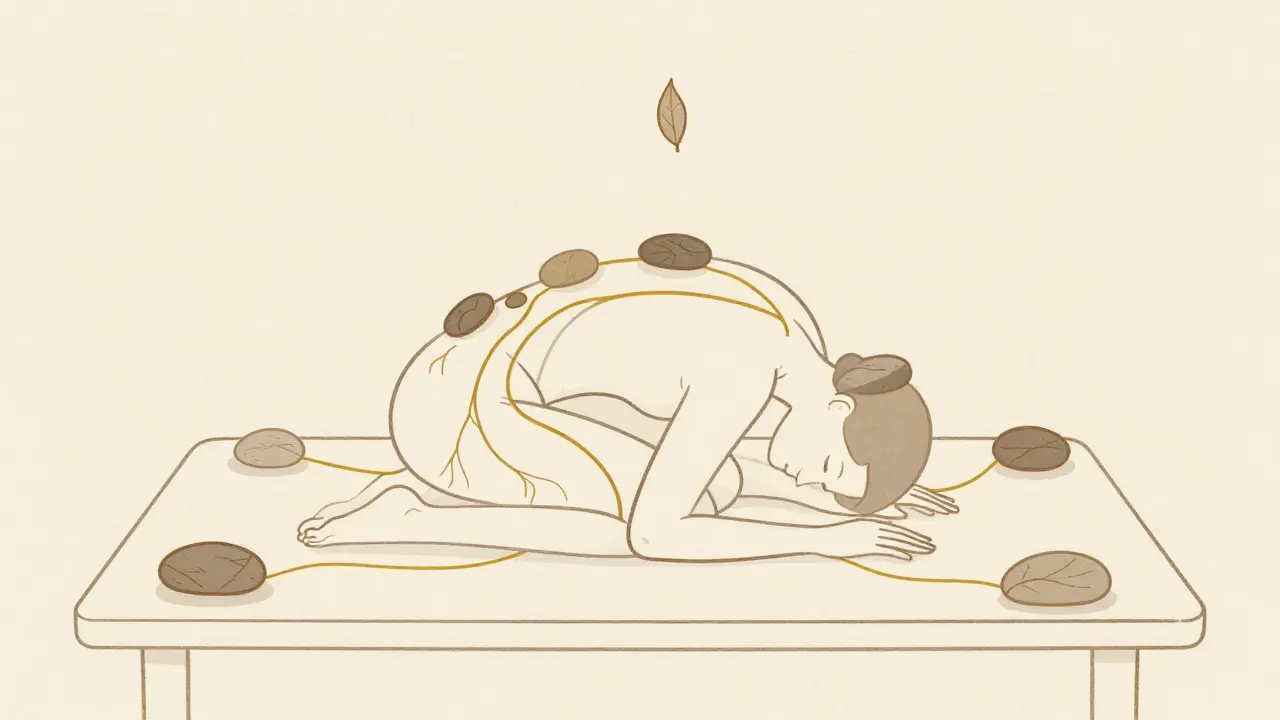
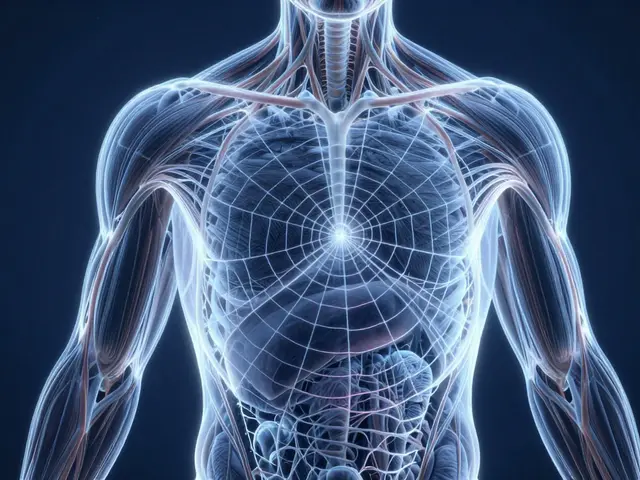
On the back, stones are often placed along the spine, from the base of the skull to the tailbone. This isn’t random. These points correspond to energy pathways in traditional Chinese medicine and nerve clusters in modern anatomy. The heat helps reset the nervous system, shifting it from fight-or-flight mode into rest-and-digest.
One client, a schoolteacher from Solihull, said after her first session: “I didn’t cry during the massage. I cried afterward-just sitting in the car, feeling like I’d been holding my breath for ten years.”
Who Benefits Most from Stone Massage?
Stone massage isn’t for everyone, but it’s ideal for certain types of stress and tension:
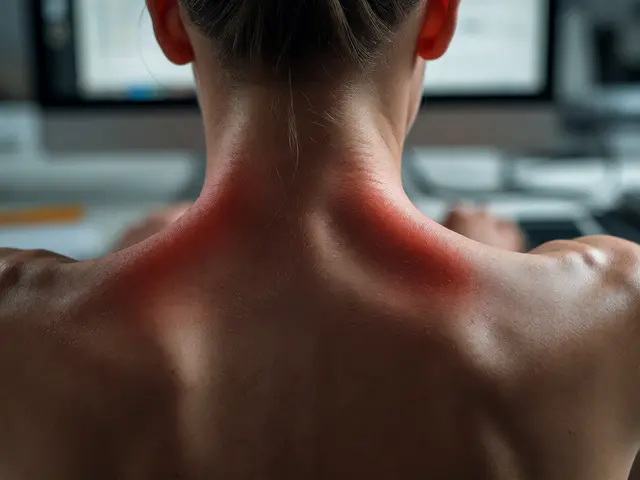
- People with chronic muscle stiffness-especially in the neck, shoulders, and lower back.
- Those with poor circulation-the heat encourages blood flow to extremities.
- People recovering from injury-once inflammation has gone down, heat helps restore mobility.
- Anyone dealing with anxiety or insomnia-the deep relaxation response can reset sleep patterns.
- Those who hate deep tissue massage-it’s firm without being painful.
It’s not recommended for people with open wounds, burns, or recent surgeries. Those with diabetes should check with their doctor first, since nerve sensitivity can be reduced. Pregnant women can receive it, but only with modified techniques and cooler stones.
What Happens During a Typical Session?
Here’s what you can expect if you book your first stone massage:
- Consultation-Your therapist will ask about your pain points, medical history, and preferences. No pressure, no rush.
- Preparation-You’ll undress to your comfort level (usually under a towel) and lie on a heated table.
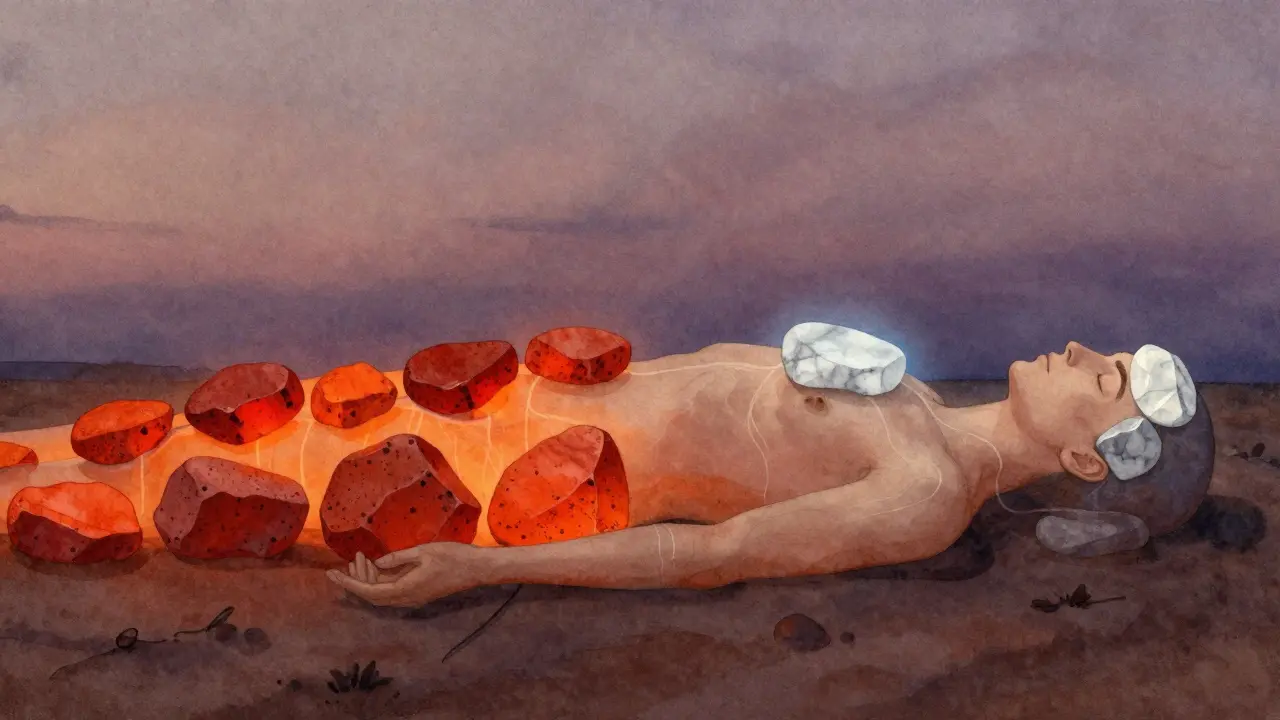
- Stone placement-Warm stones are placed on your back, hands, feet, and sometimes between your toes or on your forehead.
- Massage-The therapist uses the stones to glide over your muscles, then switches to hands for deeper work where needed.
- Cooling phase-Cold marble stones may be placed on your temples or chest to balance the heat and calm your system.
- Recovery-You’ll rest for 10-15 minutes with a warm herbal tea. No rushing out.
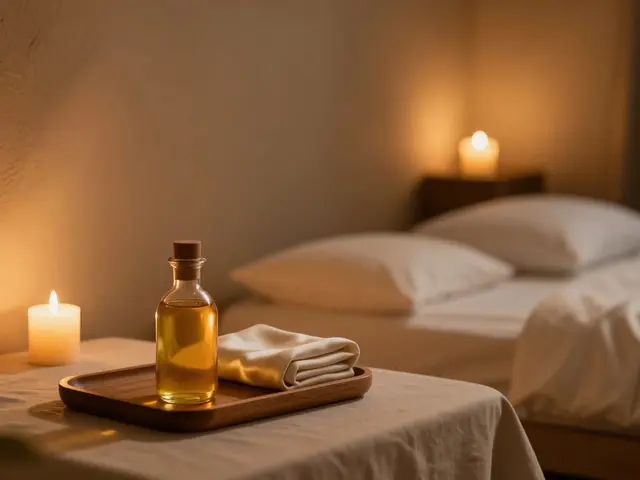
Most places use organic oils-lavender, chamomile, or jojoba-to help the stones glide and to add aromatherapy benefits. The room is dim, quiet, and warm. You might hear faint wind chimes or nothing at all.
Stone Massage vs. Other Types of Massage
How does stone massage compare to the more common types?
| Feature | Stone Massage | Swedish Massage | Deep Tissue | Hot Oil Massage |
|---|---|---|---|---|
| Heat Source | Basalt or marble stones | None | None | Warmed oil |
| Pressure Level | Medium to firm, even | Light to medium | Very firm | Medium |
| Best For | Chronic tension, stress, circulation | Relaxation, light tension | Deep knots, athletes | General relaxation, dry skin |
| Duration | 60-90 minutes | 60 minutes | 60-75 minutes | 60-75 minutes |
| After Effects | Deep calm, improved sleep | Mild relaxation | Soreness for 1-2 days | Soft skin, mild relaxation |
Stone massage sits between relaxation and therapeutic. It’s gentler than deep tissue but more effective than Swedish for long-term tension. It doesn’t leave you sore like deep tissue often does. And unlike hot oil, the heat lasts longer because stones retain warmth for 20-30 minutes.
Can You Do Stone Massage at Home?
You can buy basalt stones online-many sets come with instructions, oils, and a heating pad. But doing it right takes practice.
Home kits often lack the precision of a trained therapist. Without knowing where to place stones for maximum effect, you might miss key points or overheat your skin. I’ve seen people burn themselves trying to replicate spa treatments with cheap stones and microwave heating.
If you want to try it at home, start small: use two smooth stones, warm them in hot water (not the microwave), and gently roll them over your calves or feet. Don’t press hard. Let the heat do the work. But for full benefits, especially for back or neck pain, professional sessions are far more effective.
How Often Should You Get It?
There’s no one-size-fits-all answer. But here’s a practical guide:
- For stress relief-Once a month helps maintain calm.
- For chronic pain-Once every two weeks for 6-8 weeks, then taper off.
- For athletes or manual workers-Every 3-4 weeks to prevent buildup.
- For seasonal reset-Try it in late autumn or early spring, when your body is adjusting to weather changes.
Most people feel the difference after just one session. But the real benefits come with consistency. Think of it like watering a plant-you don’t expect it to bloom after one drink.
What to Expect After Your Session
Some people feel immediately lighter. Others feel sleepy. A few report mild headaches or nausea-usually because the body is releasing toxins. Drink plenty of water after your session. Avoid caffeine or alcohol for the next few hours.
It’s normal to feel emotionally open afterward. You might cry, laugh, or feel oddly calm. That’s your nervous system resetting. Don’t rush into a meeting or a stressful conversation. Give yourself space.
Most clients say the effects last 3-5 days. Sleep improves. Pain eases. The world feels quieter.
Where to Find a Qualified Therapist
Look for therapists certified by the Complementary and Natural Healthcare Council (CNHC) in the UK. Many spas and wellness centers offer stone massage, but not all therapists are trained properly.
Ask:
- Are you certified in stone massage?
- What type of stones do you use?
- Do you use both hot and cold stones?
- Can you adjust pressure based on my needs?
A good therapist will never use stones that are too hot. If you feel burning, say so immediately. This isn’t a test of endurance-it’s a healing experience.
Final Thoughts: It’s Not a Luxury. It’s a Reset.
Stone massage isn’t about indulgence. It’s about returning to a natural state-where your body isn’t fighting stress, where your muscles aren’t locked in survival mode, where warmth isn’t just something you feel on your skin, but something you feel in your bones.
In a world that’s always pushing, pulling, and demanding more, stone massage gives you permission to slow down. Not because you have to. But because you deserve to.
Is stone massage painful?
No, stone massage is not meant to be painful. The heat from the stones helps muscles relax naturally, so the therapist can use less pressure than in deep tissue massage. If you feel any discomfort or burning, tell your therapist immediately. They can adjust the temperature or pressure.
How long do the effects of a stone massage last?
Most people feel relaxed for 3 to 5 days after a session. The benefits-like improved sleep, reduced muscle tension, and lower stress levels-can last longer if you receive regular treatments. Consistency is key, especially for chronic issues.
Can I get a stone massage if I’m pregnant?
Yes, but only with modifications. Many therapists avoid heating stones on the abdomen and use cooler stones instead. Always inform your therapist you’re pregnant. Choose someone experienced in prenatal massage to ensure safety.
Do I need to be naked during the massage?
No. You’ll be covered with towels at all times, and only the area being worked on will be exposed. Most people wear underwear or leave on their shorts. Your comfort is the priority.
Are the stones cleaned between clients?
Yes. Reputable therapists sterilize stones after each use with medical-grade disinfectants. They should never reuse stones without proper cleaning. Ask if you’re unsure-it’s a basic hygiene standard.
Can stone massage help with anxiety?
Yes. The deep warmth and rhythmic pressure stimulate the parasympathetic nervous system, which helps your body shift out of stress mode. Many clients report feeling calmer, more grounded, and less reactive after sessions. It’s not a cure, but it’s a powerful tool for managing anxiety.
If you’ve been carrying tension in your shoulders, struggling to sleep, or just feeling worn down by life, stone massage might be the quiet reset you didn’t know you needed. It doesn’t promise miracles. But it does offer something rarer: deep, natural stillness.
About Author

Popular Posts