Shiatsu Massage: Balancing Energy Naturally
You’ve probably felt it before. That heavy, sluggish feeling where your body seems out of sync with your mind. You’re tired, but you can’t sleep. Your shoulders are tight, your stomach is unsettled, and you just feel... off. Western medicine might tell you everything looks fine on paper, but your body knows something is wrong. This is where Shiatsu a form of Japanese bodywork that uses rhythmic pressure to stimulate the body’s natural healing abilities steps in. It’s not just a fancy rubdown; it’s a structured approach to fixing the internal plumbing of your energy system.
Unlike Swedish massage, which focuses on muscle relaxation through long strokes, Shiatsu targets specific points along energy pathways. The goal isn’t just to make you feel good for an hour; it’s to restore flow. If you’ve been curious about this ancient technique but worried it’s too esoteric or painful, you’re in the right place. Let’s break down how it actually works, why people swear by it, and what you should expect if you book your first session.
The Core Philosophy: Qi and Meridians
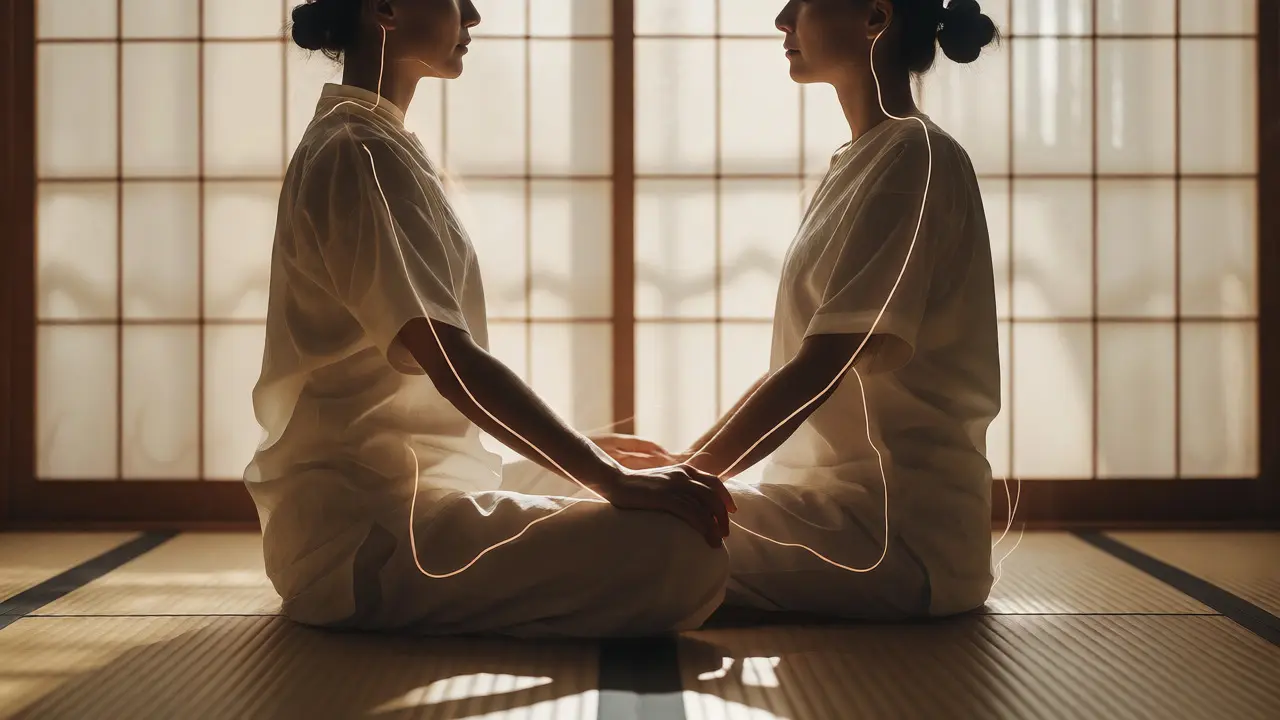
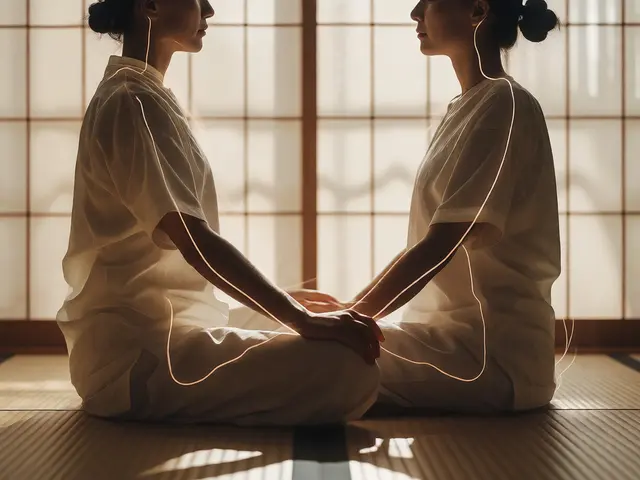
To understand Shiatsu, you have to let go of the idea that your body is just a collection of muscles and bones. In Traditional Chinese Medicine (TCM), which heavily influences Shiatsu, the body is viewed as a network of energy channels called meridians. Think of these like electrical wiring in a house. When the wiring is intact and current flows freely, the lights work, the heater runs, and everything functions smoothly. When there’s a blockage-maybe due to stress, poor posture, or injury-the light flickers or goes out entirely. This stagnation of energy, known as Qi the vital life force believed to flow through all living things, is often the root cause of pain and discomfort.
Shiatsu practitioners believe that by applying pressure to specific points on these meridians, they can clear blockages and encourage Qi to move again. It’s less about forcing the body into submission and more about listening to what it needs. A skilled practitioner will assess your energy state before they even touch you. They look at your skin tone, listen to your breathing, and observe your posture. This diagnostic phase is crucial because two people with the same headache might need completely different treatments based on their overall energy balance.
How Shiatsu Differs from Other Massages
If you’ve had a deep tissue massage, you know the drill: intense pressure, oils, and a focus on working out knots. Shiatsu is different in almost every way. First, you stay fully clothed. Usually, you’ll wear loose, comfortable clothing made of cotton or linen. No oils are used, which means no greasy sheets and no need to shower immediately after. Second, the technique relies on static pressure rather than rubbing. Practitioners use their thumbs, fingers, palms, elbows, and sometimes knees to apply steady, rhythmic pressure. This pressure is held for several seconds, allowing the body to respond and release tension organically.
| Feature | Shiatsu | Swedish Massage |
|---|---|---|
| Primary Goal | Balancing energy (Qi) and treating underlying imbalances | Muscle relaxation and improved circulation |
| Clothing | Fully clothed (loose, natural fabrics) | Nudity with draping (usually) |
| Lubricants | None | Oils or lotions |
| Technique | Static pressure on meridian points | Long gliding strokes, kneading, tapping |
| Location | Floor mat (Tatami) | Massage table |
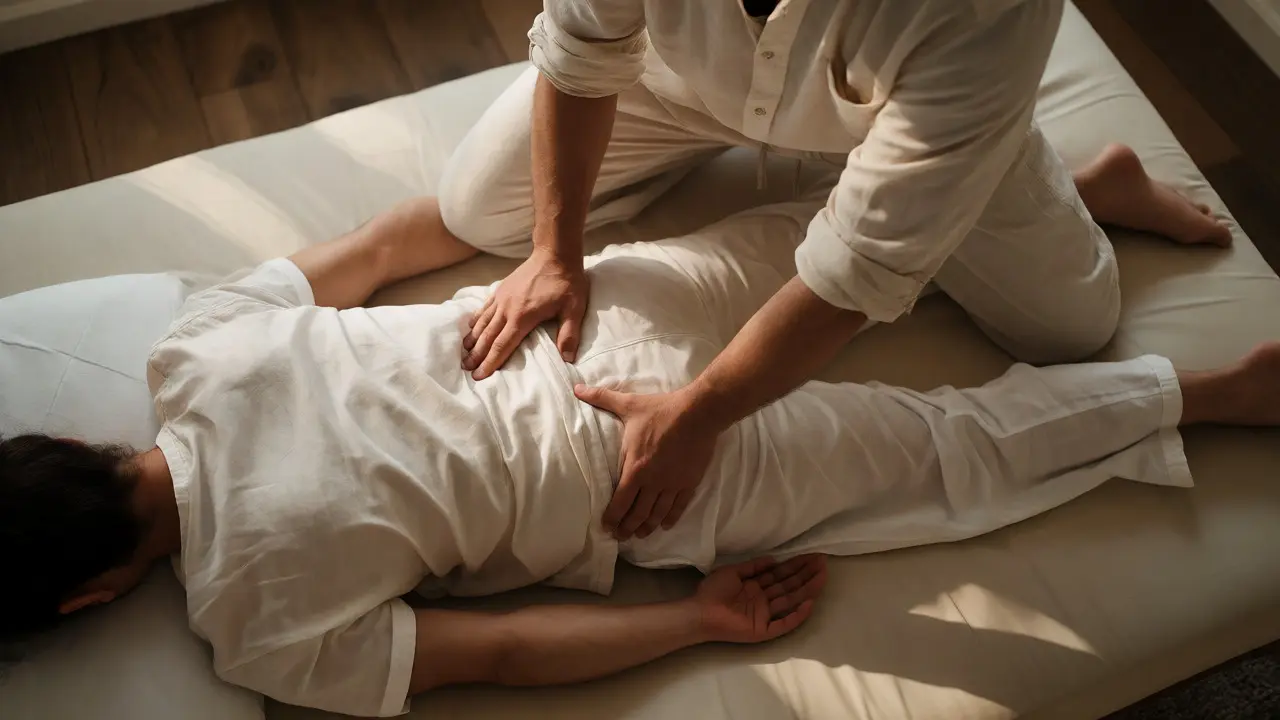
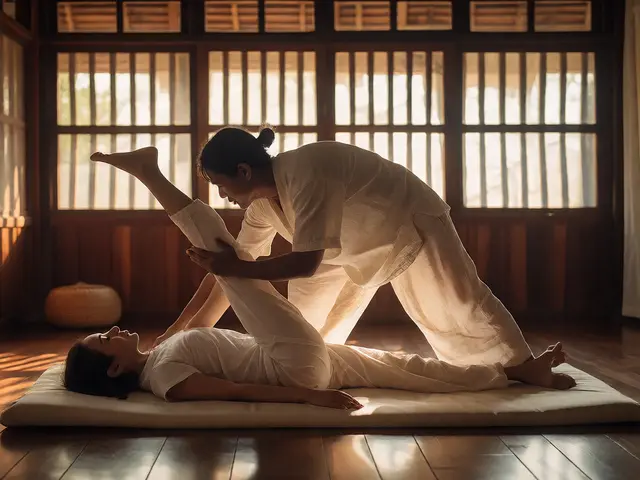
This difference in setup matters. Because you’re on a floor mat, the practitioner can use their own body weight to deliver pressure. This allows for deeper, more consistent force without straining their hands. It also changes the dynamic of the session. You aren’t passive; you’re engaged. Many people find the grounding sensation of being close to the earth during a Shiatsu session surprisingly calming. It creates a sense of stability that’s hard to replicate on a high table.
The Five Elements and Personalized Care
Here’s where it gets interesting. Shiatsu doesn’t treat everyone the same way. It draws on the concept of the Five Elements: Wood, Fire, Earth, Metal, and Water. Each element corresponds to specific organs, emotions, and seasons. For example, the Liver is associated with Wood and springtime, while the Kidneys relate to Water and winter. If you come in feeling irritable and frustrated, a practitioner might suspect a Liver imbalance. If you’re experiencing anxiety or fear, they might look at your Kidney energy.
This framework allows for highly personalized treatment. Two people with back pain might receive different point selections. One person’s pain might stem from emotional stress (Liver Qi stagnation), while another’s could be related to fatigue and weak digestion (Spleen/Stomach deficiency). By addressing the root energetic cause, Shiatsu aims to provide longer-lasting relief than simply masking symptoms. It’s a holistic approach that considers your mental and emotional state alongside physical complaints.
What Happens During a Session?
A typical Shiatsu session lasts between 60 and 90 minutes. It starts with a consultation. Be honest here. Tell them about your sleep patterns, digestion issues, stress levels, and any recent injuries. The more context they have, the better they can tailor the treatment. Afterward, you’ll lie down on a padded mat on the floor. The practitioner will begin by assessing your energy flow, often starting at the back or feet.
- Assessment: They check for warmth, coolness, hardness, or softness in specific areas.
- Pressure Application: Using thumbs and palms, they press into meridian points. You might feel a "good hurt" or a deep ache that feels satisfying.
- Stretching: Gentle stretches are incorporated to open up joints and improve flexibility.
- Integration: The session ends with quiet time, allowing your nervous system to settle.
Don’t be afraid to speak up. Pressure should be firm but not agonizing. If it hurts too much, say so. A good practitioner adjusts instantly. Conversely, if it feels too light, ask for more. Communication is key. You might experience sensations like tingling, warmth, or sudden bursts of emotion. These are normal signs that energy is moving. Some people cry, laugh, or fall asleep. All of these reactions are part of the release process.
Health Benefits Beyond Relaxation
While relaxation is a nice side effect, the real value of Shiatsu lies in its therapeutic potential. Research and anecdotal evidence suggest it helps with a wide range of conditions. For instance, studies published in journals like the Journal of Alternative and Complementary Medicine have explored its effectiveness for chronic lower back pain. Participants often report reduced pain intensity and improved mobility after regular sessions.
It’s also powerful for digestive health. By stimulating points on the abdomen, Shiatsu can help regulate bowel movements and reduce bloating. Stress-related headaches and migraines often respond well to neck and shoulder work combined with head-point stimulation. Furthermore, many users report better sleep quality. By balancing the autonomic nervous system-shifting from "fight or flight" to "rest and digest"-Shiatsu prepares the body for deep, restorative rest.
Consider the case of Sarah, a graphic designer in Perth who suffered from tension headaches three times a week. Standard painkillers masked the symptoms but didn’t stop the cycle. After six weeks of weekly Shiatsu sessions focusing on her upper back and neck meridians, the frequency dropped to once a month. More importantly, she learned to recognize early signs of tension and used self-massage techniques to manage them before they escalated.

Self-Care Tips Between Sessions
You don’t need to wait for your next appointment to maintain balance. Practitioners often teach simple self-care techniques. One popular method is pressing the Zusanli a key acupuncture point located four finger-widths below the kneecap, known for boosting immunity and digestion. Applying gentle pressure here for a minute each day can support overall vitality. Another tip is abdominal breathing. Place one hand on your belly and breathe deeply so that your hand rises. This activates the parasympathetic nervous system and helps center your Qi.
Hydration is also critical. After a Shiatsu session, drink plenty of water. This helps flush out toxins released during the treatment. Avoid heavy meals or alcohol for a few hours afterward to let your body integrate the changes. Treat yourself gently for the rest of the day. You might feel energized or unexpectedly tired. Both are valid responses. Listen to your body and give it the rest it asks for.
Is Shiatsu Right for You?
Shiatsu is generally safe for most people, including pregnant women (with modifications) and older adults. However, there are contraindications. If you have severe osteoporosis, open wounds, or acute inflammation, consult your doctor first. People with blood clotting disorders or those taking blood thinners should inform their practitioner, as deep pressure could cause bruising.
If you’re looking for a quick fix or purely mechanical muscle relief, Swedish might suit you better. But if you’re interested in understanding the deeper connections between your emotions, digestion, and physical pain, Shiatsu offers a unique pathway. It invites you to slow down, pay attention, and reconnect with your body’s innate wisdom. In our fast-paced world, that kind of pause is invaluable.
Does Shiatsu hurt?
Shiatsu involves firm pressure, but it shouldn't be painful. You may feel a deep ache or tenderness in blocked areas, often described as "sweet pain." If the pressure becomes sharp or unbearable, communicate with your practitioner immediately so they can adjust the intensity.
Do I need to take my clothes off?
No, you remain fully clothed during a Shiatsu session. It is recommended to wear loose, comfortable clothing made of natural fibers like cotton or linen to allow the practitioner easy access to your limbs and torso.
How often should I get Shiatsu?
Frequency depends on your goals. For chronic issues, weekly sessions for the first month are common, tapering off to bi-weekly or monthly for maintenance. For general wellness, once a month can be sufficient to maintain energy balance.
Can Shiatsu help with anxiety?
Yes, many people find Shiatsu effective for reducing anxiety. By regulating the nervous system and promoting the flow of Qi, it helps shift the body from a sympathetic (stress) state to a parasympathetic (relaxation) state, lowering cortisol levels and inducing calm.
What should I do after a session?
Drink plenty of water to help flush out metabolic waste released during the treatment. Avoid strenuous exercise or heavy meals for a few hours. Allow yourself time to rest and integrate the effects of the session.

About Author
Popular Posts
Shiatsu Massage: Balancing Energy Naturally