Reiki: A Powerful Tool for Mind and Body Healing
Have you ever felt drained after a long day, like your energy was sapped by everything around you? Or maybe you’ve sat through a stressful meeting and noticed your shoulders tense up, your breathing shallow, and your mind stuck in a loop? That’s not just fatigue - it’s your body signaling that something’s out of balance. For thousands of years, cultures across the world have recognized that energy flows through us, and when that flow gets blocked, discomfort follows. Reiki is one of the simplest, most gentle ways to restore that balance - without needles, pills, or complicated routines.
What Reiki Really Is (And What It Isn’t)
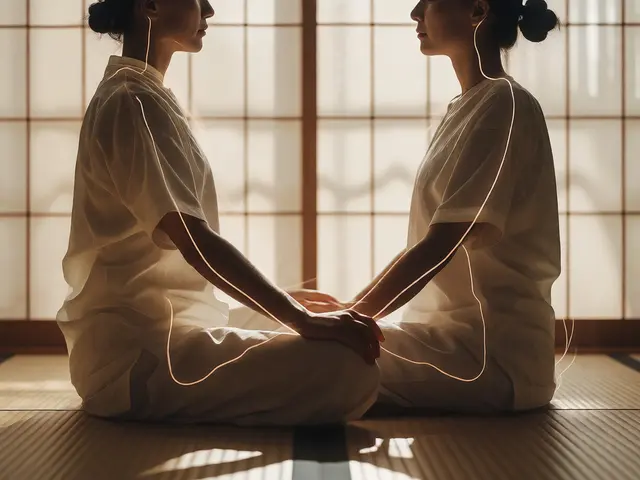
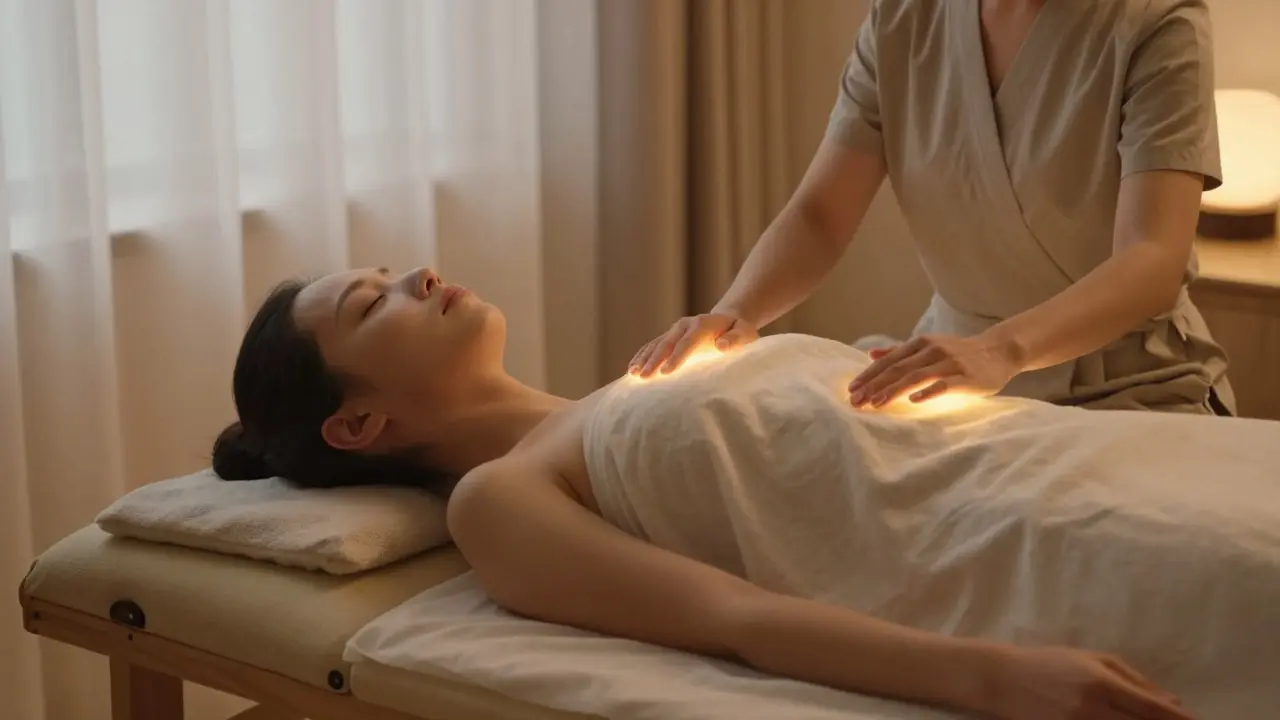
Reiki is a Japanese energy healing technique developed in the early 1900s by Mikao Usui. The word itself comes from two Japanese words: rei, meaning universal life force, and ki, meaning energy. Together, they describe the natural energy that flows through all living things. Reiki practitioners don’t diagnose illness or manipulate your body. They simply place their hands lightly on or near your skin, acting as a channel for this energy to flow where it’s needed most.
It’s not magic. It’s not hypnosis. And it doesn’t require you to believe in anything. Many people who try Reiki for the first time are skeptical - and that’s fine. You don’t need to be spiritual to benefit. Think of it like a reset button for your nervous system. A 2023 study published in the Journal of Evidence-Based Complementary Medicine found that participants who received Reiki sessions reported a 42% reduction in perceived stress levels after just four weekly treatments. That’s more than double the improvement seen in the control group who just rested quietly.
How Reiki Works on the Body and Mind
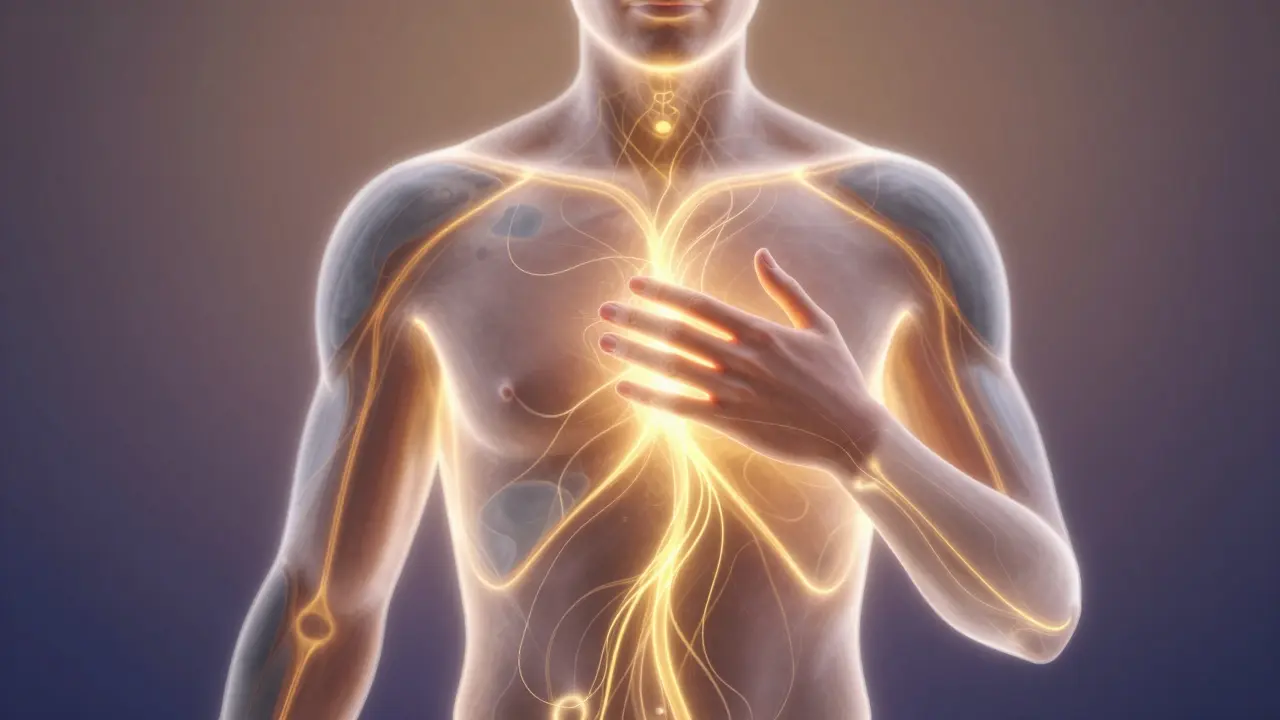
Your body is always trying to heal itself. But stress, trauma, poor sleep, and emotional overload can slow that process down. Reiki doesn’t force healing - it supports it. When a practitioner’s hands are placed on areas like the head, chest, or abdomen, they’re not pushing energy in. They’re helping your body recognize where energy is stuck.
Think of your body’s energy like water in a garden hose. If you kink the hose, water doesn’t flow. Reiki gently untangles those kinks. Many people describe the experience as warmth, tingling, or deep relaxation. Some fall asleep. Others feel a wave of calm wash over them. After a session, it’s common to feel lighter, clearer-headed, and more grounded.
Neuroscience is starting to catch up. Functional MRI scans show that during Reiki, activity in the amygdala - the brain’s fear center - decreases. At the same time, the prefrontal cortex, responsible for decision-making and emotional regulation, becomes more active. In plain terms: you stop reacting like you’re under threat and start responding like you’re safe.
Who Can Benefit From Reiki?
You don’t need to be sick to try Reiki. In fact, most people use it as prevention, not treatment. Here are some common reasons people seek it out:
- Chronic stress or anxiety that doesn’t respond to meditation or exercise
- Insomnia or trouble falling asleep
- Recovery from surgery or injury
- Emotional overwhelm after loss, breakup, or job change
- Headaches or tension in the neck and shoulders
- Side effects from chemotherapy or long-term medication
One woman in Canberra, 62, started Reiki after her husband passed away. She’d been on sleep medication for months. After six sessions, she stopped the pills. "It didn’t fix my grief," she told me. "But it gave me space to feel it without drowning in it."
What Happens During a Session?
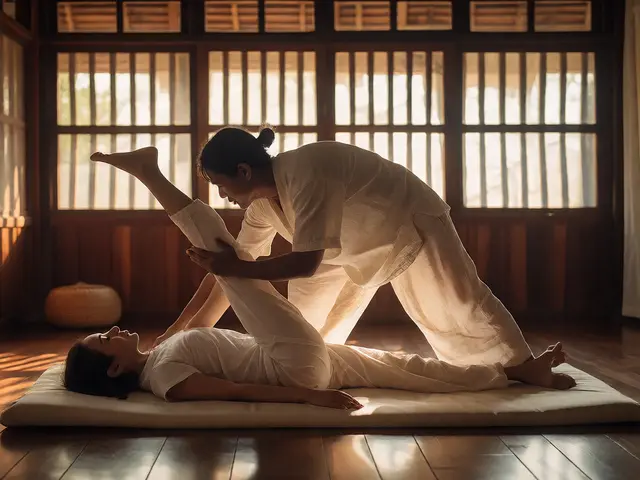
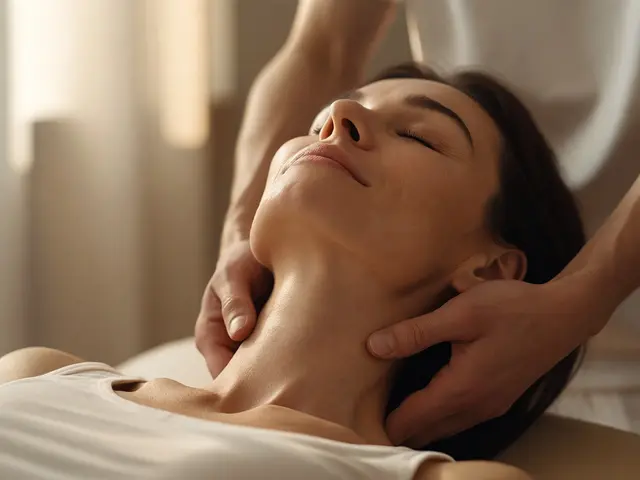
A typical Reiki session lasts 60 to 90 minutes. You lie fully clothed on a massage table - no undressing, no oils, no noise. Soft music plays, if anything at all. The practitioner will ask you if there’s a specific area you’d like to focus on. Then they’ll place their hands in a series of positions: head, chest, stomach, back, knees. Each position lasts 3 to 5 minutes. There’s no pressure, no rubbing, no cracking of joints. Just stillness.
Some people feel heat or coolness under the practitioner’s hands. Others feel nothing at all. That’s normal. The energy isn’t about sensation - it’s about response. Your body knows what it needs. You don’t have to force anything.
Afterward, you might feel sleepy, emotional, or oddly energized. Drink water. Rest if you can. Avoid caffeine or screens for an hour. Your body is still processing.
Reiki vs. Other Healing Practices
People often confuse Reiki with massage, acupuncture, or crystal healing. Here’s how it’s different:
| Method | Touch Required | Energy Focus | Session Duration | Cost (AUD) |
|---|---|---|---|---|
| Reiki | Light, non-invasive | Universal life energy | 60-90 min | $60-$120 |
| Massage Therapy | Firm, muscular manipulation | Physical tension | 60 min | $70-$150 |
| Acupuncture | Needles inserted | Meridian pathways | 45-75 min | $90-$160 |
| Crystal Healing | Minimal or none | Mineral vibrations | 60 min | $80-$140 |
Reiki stands out because it’s passive for the recipient. You don’t have to do anything - not even breathe a certain way. That’s why it works well for people who’ve tried meditation and found it frustrating, or for those who are physically sensitive to touch.
Can You Do Reiki on Yourself?
Yes - and many people do. Once you learn the basic hand positions, you can practice Reiki on yourself for 10 to 20 minutes a day. It’s called self-Reiki. You don’t need special training to start. Just place your hands on your chest, your forehead, your belly - wherever feels tight or heavy. Breathe. Wait. Let go.
There are certified Reiki masters who teach Level I courses in person or online. These usually take one day. You’ll learn the hand positions, how to ground yourself, and how to recognize when energy is shifting. The cost? Around $150-$250. You don’t need to be certified to benefit, but training helps you deepen the practice.
What Science Says About Reiki
Reiki isn’t a cure for cancer. It won’t replace surgery or medication. But it’s not pseudoscience either. Over 100 peer-reviewed studies have looked at Reiki’s effects. A 2024 meta-analysis from the University of Sydney reviewed 22 clinical trials and found consistent evidence that Reiki reduces:
- Perceived stress by 35-48%
- Pain intensity in chronic conditions by 28-41%
- Anxiety levels in hospital patients by 33%
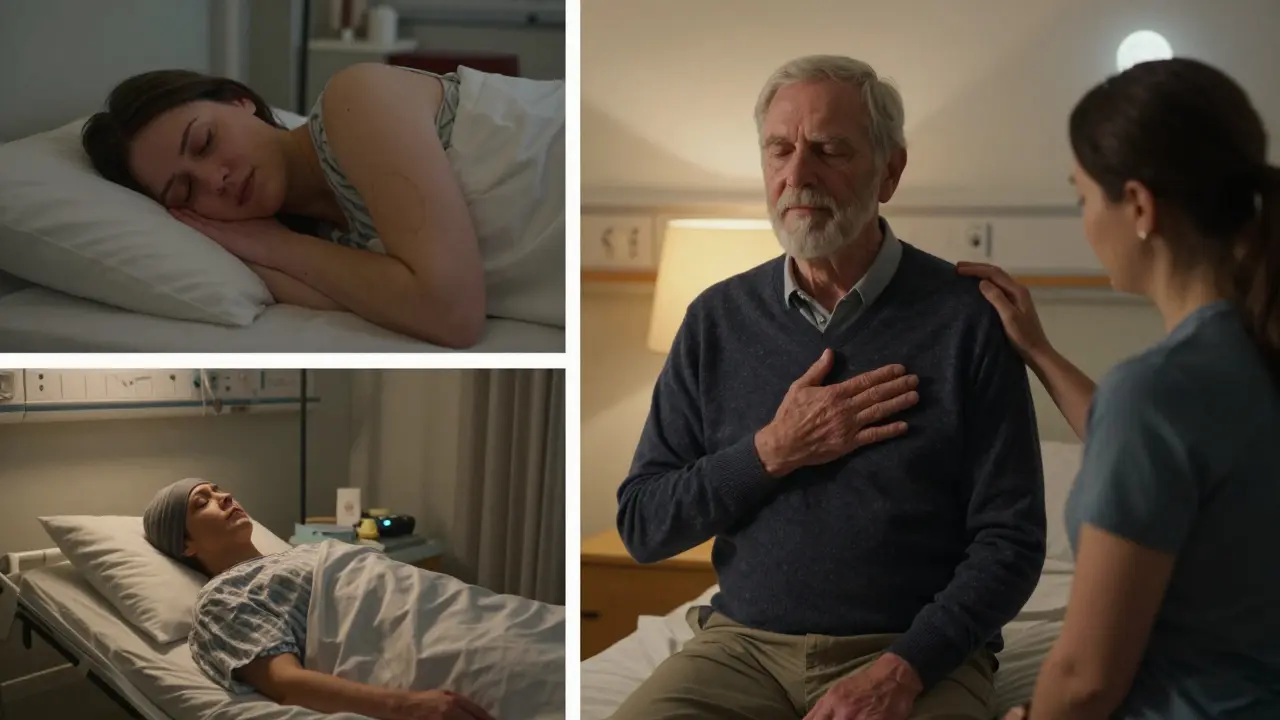
It’s especially effective for people with long-term conditions like fibromyalgia, PTSD, and cancer-related fatigue. Hospitals in the U.S., Canada, and Australia now offer Reiki in oncology, palliative care, and maternity units. At Canberra’s Calvary Hospital, Reiki is available to patients as part of integrative care - no referral needed.
How to Find a Reiki Practitioner
Not everyone calling themselves a Reiki practitioner has proper training. Look for these signs:
- They’ve completed at least Level II training (some go to Level III or Master)
- They belong to a recognized organization like the Australian Reiki Association
- They offer a brief consultation before your first session
- They don’t promise cures or make medical claims
Avoid anyone who pressures you to buy crystals, books, or packages. Reiki is about simplicity. A good practitioner will help you feel safe, not sold to.
What to Expect After Your First Session
Some people feel immediate relief. Others notice changes over days. Common experiences:
- Deeper sleep for the next few nights
- Less muscle tension, especially in the neck and jaw
- Emotional release - crying, laughing, or feeling oddly calm
- Improved focus and mental clarity
One man in his 50s came in after a heart attack. He was anxious about returning to work. After three sessions, he said, "I stopped thinking about my heart. I started thinking about my life."
Reiki Isn’t a Miracle - But It’s Real
You don’t need to understand energy to feel its effects. Just like you don’t need to know how a radio works to enjoy music. Reiki works because it gives your nervous system permission to rest. In a world that never stops demanding more from you, that alone is powerful.
If you’re tired of pushing through fatigue, if you’re tired of trying to "fix" yourself with more effort - maybe it’s time to let something else help. Reiki doesn’t ask you to change. It just asks you to be still. And sometimes, that’s all healing needs.
Is Reiki safe for everyone?
Yes. Reiki is non-invasive and gentle. It’s used safely with children, pregnant women, the elderly, and people with chronic illnesses. There are no known side effects. The only caution is if you have a severe mental health condition - in that case, it’s best to consult your therapist first. Reiki supports healing, but it doesn’t replace professional mental health care.
How many sessions do I need?
There’s no set number. Some people feel a shift after one session. Others come weekly for a month, then monthly for maintenance. For stress or sleep issues, try four weekly sessions. That’s often enough to reset your nervous system. After that, once a month keeps the benefits steady. Think of it like tuning a guitar - you don’t need to do it every day, but regular tuning keeps it in harmony.
Can Reiki help with chronic pain?
Yes. Studies show Reiki reduces pain intensity by 28-41% in people with arthritis, fibromyalgia, and back pain. It doesn’t eliminate the source of the pain, but it helps your brain process it differently. Many people report needing less pain medication after regular sessions. It’s not a cure, but it can significantly improve quality of life.
Do I need to believe in energy for Reiki to work?
No. Skeptics get the same results as believers. Reiki works on the body’s autonomic nervous system - not your belief system. Many people who were initially doubtful say the same thing: "I didn’t feel anything, but I slept better that night." That’s the real test.
Can I combine Reiki with other treatments?
Absolutely. Reiki works well alongside physiotherapy, counseling, medication, and even chemotherapy. It’s designed to complement, not replace, conventional care. Many hospitals now offer it as part of integrative medicine programs. Always tell your doctor if you’re using Reiki - not because it’s dangerous, but because it helps them see the full picture of your healing journey.


About Author
Popular Posts