Master Your Movements with Feldenkrais Training: A Practical Guide
Most people think of movement as something automatic-walk, sit, reach, bend. But what if your body has been learning bad habits for years, and you didn’t even notice? That’s where Feldenkrais training comes in. It’s not yoga. It’s not physical therapy. It’s not stretching. It’s something quieter, deeper, and surprisingly powerful: learning how to move better by paying attention.
What Exactly Is Feldenkrais Training?
Feldenkrais training is a method developed by Dr. Moshe Feldenkrais in the 1940s. It’s based on neuroscience, physics, and human development. The core idea? Your brain can rewire how your body moves-if you give it the right feedback.
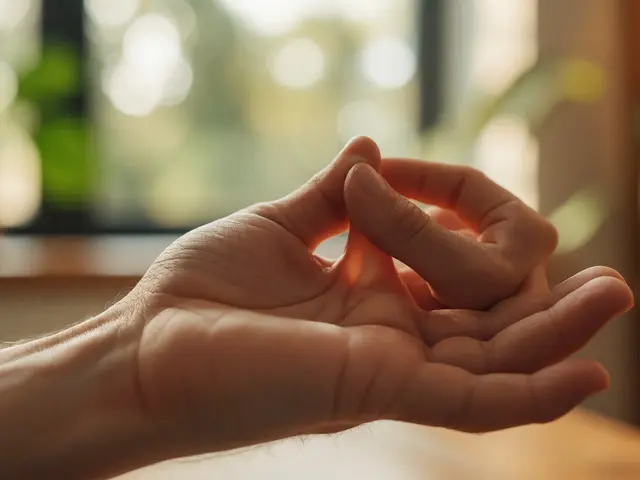
Unlike traditional exercise, Feldenkrais doesn’t focus on strength, flexibility, or repetition. Instead, it uses slow, gentle movements to help you notice what you’re doing-and what you’re doing wrong. Think of it like upgrading the software in your body’s operating system. You’re not forcing change. You’re inviting it.
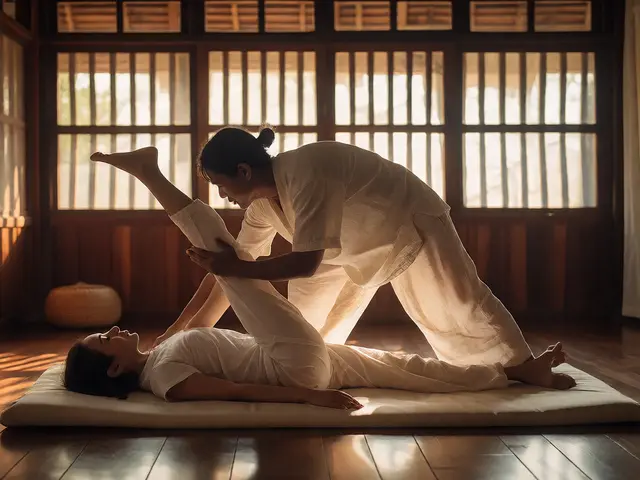
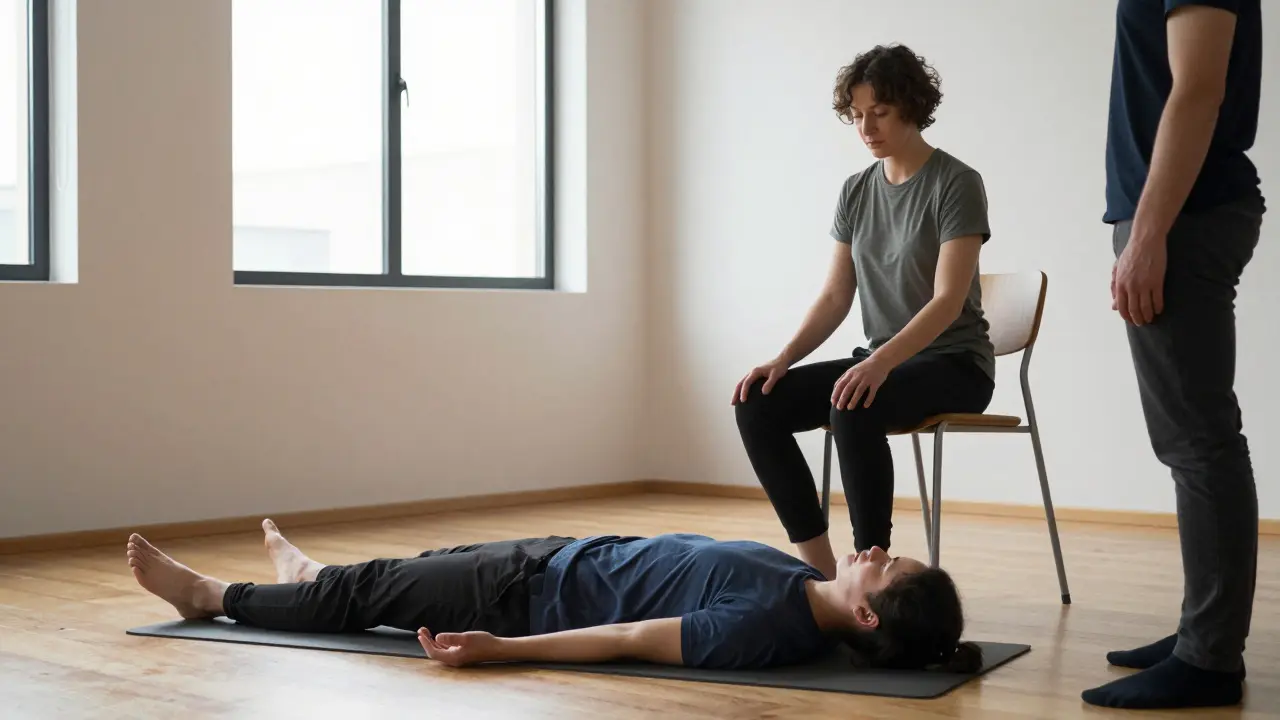
There are two main ways to practice: Awareness Through Movement (group classes with verbal guidance) and Functional Integration (one-on-one sessions with a practitioner). Both work the same way: slow, exploratory movement that turns your body into a learning tool.
Why It Works: The Science Behind the Movement
Your brain maps your body. It’s called the somatosensory homunculus-a neural representation of where your limbs, joints, and muscles are in space. When you hurt your back, sprain your ankle, or sit at a desk for years, that map gets distorted. Your brain starts thinking your shoulder should always hunch, or your hip should twist a certain way. Over time, that becomes your default.
Feldenkrais training doesn’t fix muscles. It fixes the brain’s map.
Studies from the University of California, Berkeley and the University of Tel Aviv show that after just 10 sessions, participants improved body awareness by 40% and reduced chronic pain by up to 65%. One 2023 study published in the Journal of Bodywork and Movement Therapies found that people with lower back pain who did Feldenkrais training had better posture, less muscle tension, and fewer pain flare-ups than those who did standard physical therapy.
It’s not magic. It’s neuroplasticity-the brain’s ability to reorganize itself. And Feldenkrais is one of the most direct ways to tap into it.
What You’ll Notice First (Real Examples)
People often start Feldenkrais because they’re in pain. But here’s what actually happens:
- You realize you’ve been holding your breath while typing.
- You notice your left hip lifts higher than your right when you stand up.
- You stop tensing your jaw when you drive.
- You find yourself standing taller without trying.
One woman in Perth, 62, started after years of knee pain. She didn’t expect to stop needing a cane-but after six weeks, she walked without it. "I didn’t strengthen my knee," she said. "I just stopped using it wrong."
Another man, 58, had shoulder pain from years of computer work. He thought it was "just aging." After two months of weekly sessions, he could reach overhead without pain. "I didn’t know I was shrugging my shoulder every time I lifted my coffee cup."
These aren’t outliers. They’re common.
Who Benefits Most?
Feldenkrais isn’t just for people in pain. It’s for anyone who wants to move with more ease:
- Seniors who want to stay independent
- Office workers with tight necks and stiff backs
- Dancers and athletes who want to prevent injury
- People recovering from surgery or injury
- Anyone who feels "out of sync" with their own body
It’s especially powerful for people who’ve tried everything else-physical therapy, chiropractic, massage-and still feel stuck. Why? Because those methods often treat symptoms. Feldenkrais treats the source: how your brain controls movement.
What It Feels Like (And What It Doesn’t)
Let’s clear up a few myths.
Myth: You need to be flexible or fit to start.
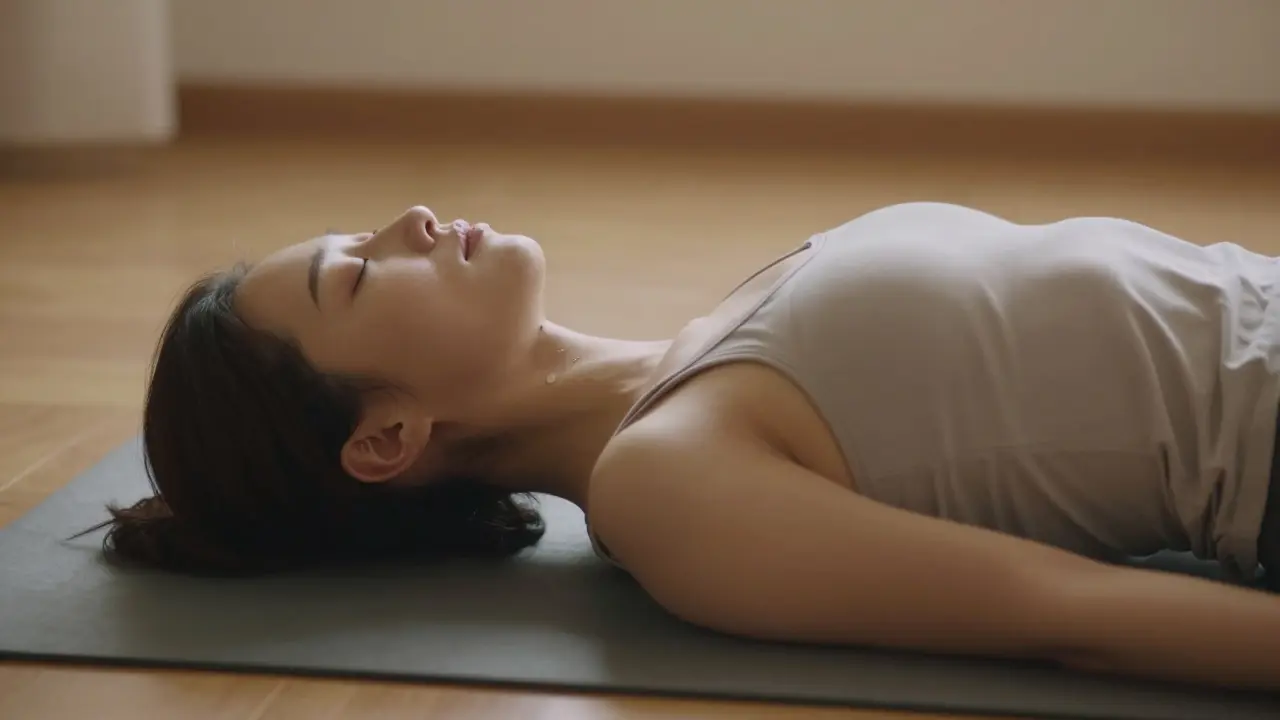
Truth: You can do it in a chair. Or lying down. Or even in bed. The movements are tiny. Sometimes, you’re just shifting your weight by a millimeter.
Myth: It’s like yoga or Pilates.
Truth: Yoga asks you to hold poses. Pilates builds strength. Feldenkrais asks you to explore. There’s no "right" way. No goal. No effort. Just curiosity.
Myth: You’ll feel it right away.
Truth: The first few sessions feel strange. You might wonder, "Is this even doing anything?" That’s normal. The changes are subtle at first. Then, weeks later, you catch yourself standing differently. Or sleeping better. Or walking without pain. And you realize: it’s been working all along.
How to Get Started
You don’t need special gear. Just a quiet space, a mat or chair, and 20 minutes.
- Find a certified practitioner. Look for someone trained by the Feldenkrais Guild (Australia, USA, or Europe). Check their certification-there are no official online courses.
- Start with a group class (Awareness Through Movement). These are usually 45-60 minutes and cost $25-$40 per session in Australia.
- Try a free online video. The Feldenkrais Guild of Australia has a library of guided lessons. Search for "Feldenkrais beginner lying down."
- Be patient. Three to five sessions are needed before you feel real shifts.
- Don’t push. If something feels uncomfortable, slow down or stop. The point isn’t to stretch or strain. It’s to notice.
Many people start with weekly sessions, then drop to every two weeks. Some keep going for years. It’s not a cure. It’s a practice-like brushing your teeth, but for your nervous system.
What to Expect After 30 Days
After a month of regular practice, most people report:
- Less tension in the neck and shoulders
- Better balance when standing or walking
- Improved sleep (less tossing and turning)
- More energy (less effort to move)
- Greater sense of control over their body
One man in Melbourne, 71, started after a hip replacement. He could walk 500 meters before. After six weeks of Feldenkrais, he walked 3 kilometers without stopping. "I didn’t get stronger," he said. "I just stopped fighting myself."

Common Mistakes to Avoid
- Trying to "do it right." There’s no right way. If you’re thinking about it, you’re doing it.
- Expecting instant results. Changes build slowly, like learning a language.
- Skipping sessions because you feel "fine." The real benefit is preventing future problems.
- Comparing yourself to others. Everyone’s body maps are different.
The biggest mistake? Giving up too soon. Most people quit after two sessions because they don’t feel "a change." But the change isn’t in your muscles. It’s in your brain. And that takes time.
Where It Fits in Your Life
Feldenkrais doesn’t replace exercise. It makes it better. Runners move more efficiently. Weightlifters reduce injury risk. Desk workers stop slumping without even thinking about it.
It’s also quiet. No music. No crowds. No pressure. Just you, your breath, and your body learning how to move with less effort.
It’s not a trend. It’s been around since the 1940s. Used by dancers, athletes, soldiers, and aging populations. Now, more than ever, it’s relevant. We sit more. We move less. We forget how to listen to our bodies.
Feldenkrais training is the antidote.
Can Feldenkrais help with chronic pain?
Yes. Studies show that people with chronic back, neck, and joint pain often see significant improvement. Feldenkrais doesn’t treat the pain directly-it changes how the brain interprets movement signals. This reduces tension, improves alignment, and lowers pain perception. One 2023 study found 65% of participants reported reduced pain after 10 sessions.
Do I need special equipment?
No. All you need is a flat surface-a mat, carpet, or even a bed. A chair works too. No props, resistance bands, or weights are required. The method uses your own body weight and slow, small movements.
Is Feldenkrais safe for older adults?
Extremely. It’s one of the safest movement practices for seniors. Because the movements are slow, gentle, and non-strenuous, it’s ideal for people with arthritis, osteoporosis, or limited mobility. Many care homes in Australia now offer Feldenkrais classes to improve balance and reduce falls.
How is it different from physical therapy?
Physical therapy often focuses on strengthening muscles or restoring range of motion through repetition. Feldenkrais focuses on retraining the nervous system. Instead of forcing your body to move differently, it helps you discover easier, more natural ways to move. It’s not about fixing a broken part-it’s about upgrading your body’s software.
How long does a session last?
Group classes (Awareness Through Movement) usually last 45 to 60 minutes. One-on-one sessions (Functional Integration) are typically 45 minutes. You don’t need to do long sessions to benefit-even 10 minutes a day can make a difference.
Can I do Feldenkrais at home?
Yes. There are many guided audio and video lessons available online from certified practitioners. The Feldenkrais Guild of Australia offers free beginner lessons. Start with lying-down lessons-they’re the easiest to follow and require no special setup.
Is it covered by health insurance?
In Australia, some private health insurers cover Feldenkrais under their "extras" policies, especially if you have a referral from a GP or physiotherapist. Check with your provider. Medicare does not cover it directly, but many people use it as part of a broader pain management plan.
Next Steps
If you’ve ever felt like your body is working against you, Feldenkrais training is worth trying. You don’t need to be in pain. You don’t need to be fit. You just need to be willing to move slowly-and pay attention.
Start with one 20-minute online lesson. Lie down. Breathe. Move a little. Notice what changes. Then do it again tomorrow. That’s all it takes.



About Author

Popular Posts