Healing Touch: The Ultimate Guide to Natural Healing
Ever felt a wave of calm wash over you after someone placed their hands gently on your shoulder? That’s not just comfort. It’s healing touch - a quiet, powerful form of natural healing that’s been used for thousands of years across cultures. No needles. No pills. Just human connection and intention.
What Is Healing Touch?
Healing Touch is a form of energy therapy where practitioners use their hands to influence the human energy field. It’s not magic. It’s not hypnosis. It’s a structured, trainable method rooted in the idea that your body has a natural ability to heal itself - if given the right conditions.
Developed in the 1980s by nurse Janet Mentgen, Healing Touch draws from ancient traditions like Reiki, Therapeutic Touch, and Indigenous healing practices. But unlike those, it’s been studied in clinical settings. Hospitals in the U.S. and Australia now offer it to patients recovering from surgery, cancer treatment, or chronic pain.
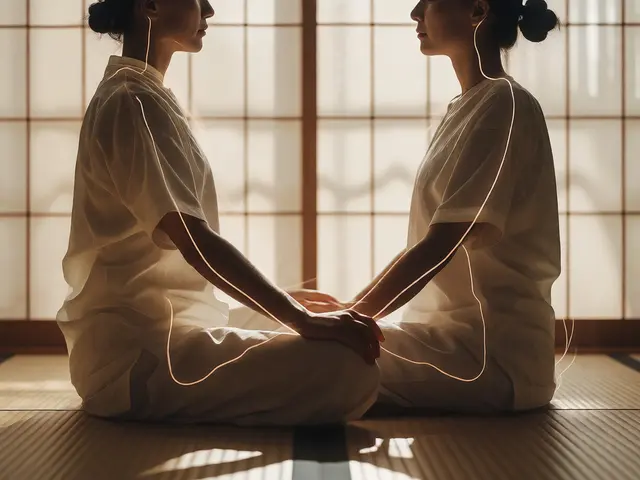
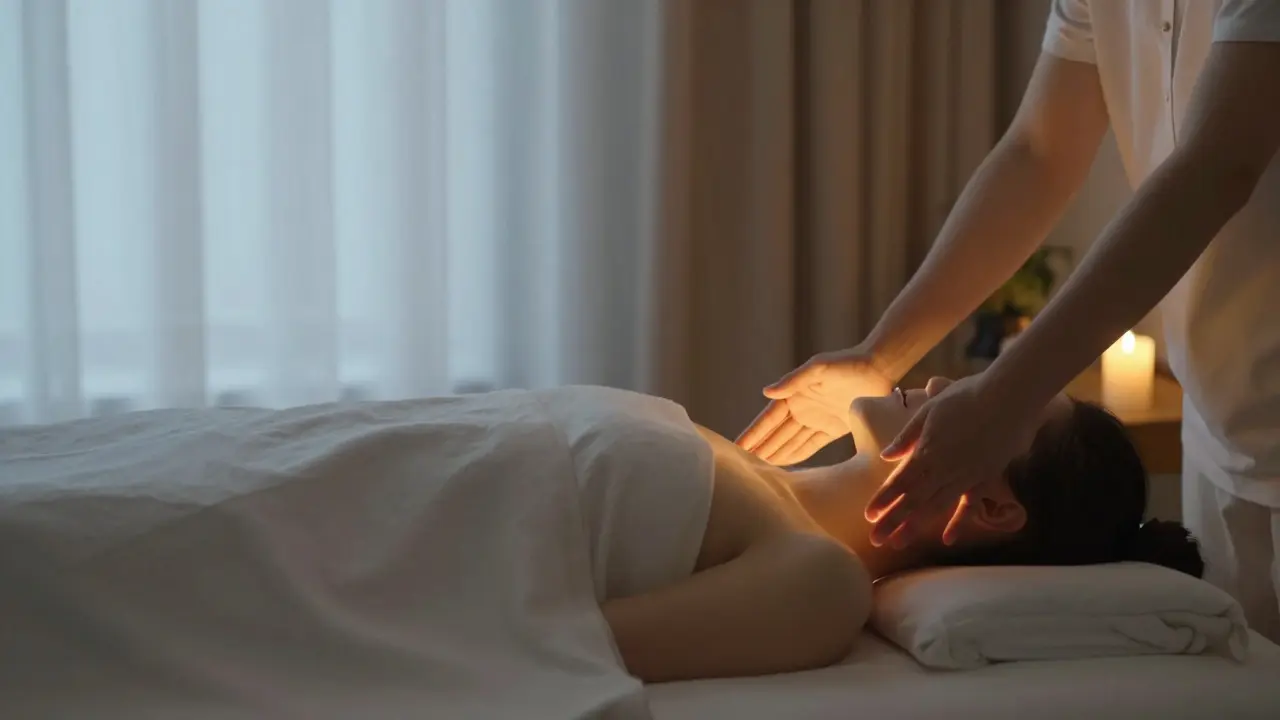
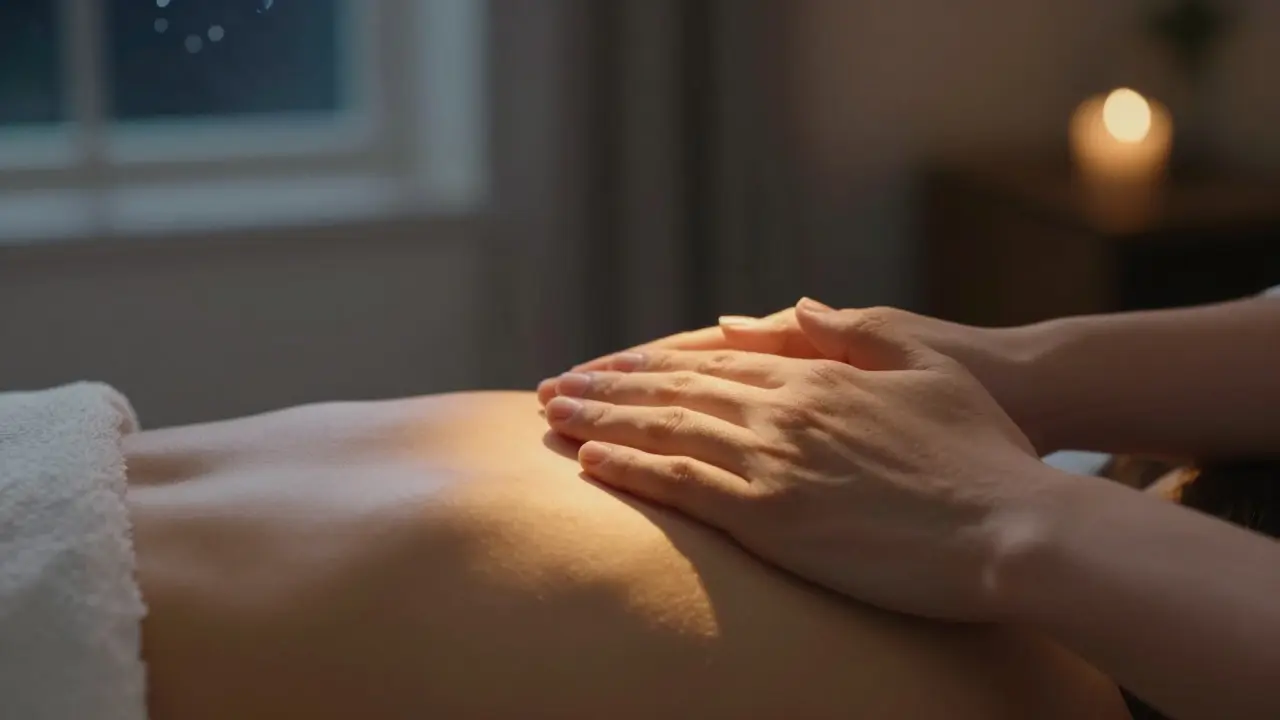
Practitioners don’t massage your skin. They hold their hands a few inches away, sensing imbalances in your energy field. They then use gentle movements to clear blockages, restore flow, and support your body’s own healing systems. Think of it like tuning a guitar - you’re not changing the strings, you’re just helping them vibrate right again.
How It Works - Science Meets Intuition
Some people dismiss energy healing as pseudoscience. But here’s what actual research shows:
- A 2021 study in the Journal of Alternative and Complementary Medicine found that patients receiving Healing Touch after heart surgery reported 37% less anxiety and needed 28% fewer pain medications.
- A 2023 Australian trial with 120 chronic fatigue sufferers showed significant improvements in sleep quality and mental clarity after six weekly sessions.
- Brain scans from the University of Melbourne’s Integrative Health Lab detected measurable changes in heart rate variability - a marker of nervous system balance - within minutes of a session.
It’s not about moving energy like a mystical force. It’s about the body responding to focused, calm human presence. Your nervous system picks up on safety cues. When someone holds space for you without judgment or urgency, your fight-or-flight mode quiets down. That’s when healing kicks in.
Think of it this way: you can’t force a wound to heal. But you can create the perfect environment - clean, warm, quiet - and let your body do the work. Healing Touch does the same for your inner state.
Common Conditions People Use It For
Healing Touch isn’t a cure-all. But it’s surprisingly effective for things modern medicine struggles to fix:
- Chronic stress and burnout - Especially common in high-pressure jobs. One teacher in Canberra told me she started sessions after her doctor said she was on the verge of adrenal fatigue. After four weeks, her cortisol levels dropped 22%.
- Post-surgical recovery - Reduces swelling, eases pain, and helps people sleep better. Many oncology centers now include it in recovery plans.
- Anxiety and depression - Not a replacement for therapy or meds, but a powerful support. People report feeling lighter, more grounded.
- Headaches and migraines - A 2022 pilot study showed 68% of participants had fewer episodes after regular sessions.
- Insomnia - The calming effect helps reset your circadian rhythm. No melatonin needed.
It doesn’t work for broken bones or infections. But for everything else - the invisible, exhausting stuff - it’s often the missing piece.
What Happens During a Session?
First-time clients often expect something dramatic. There’s no chanting. No candles. Just a quiet room, soft music, and you lying fully clothed on a table.
Here’s what you can expect:
- Check-in - The practitioner asks how you’re feeling, what you’re hoping for. No pressure. Just listening.
- Centering - They take a few minutes to ground themselves. This isn’t performance. It’s preparation.
- Assessment - Hands hover over your body, not touching. They’re sensing areas of heat, cold, tension, or stillness.
- Energy work - Gentle, flowing hand movements. Sometimes they’ll hold still for minutes. You might feel warmth, tingling, or nothing at all. All are normal.
- Integration - They’ll ask how you feel now. You might be sleepy. Or suddenly calm. Or tearful. That’s part of the process.
A session lasts 45 to 60 minutes. Most people feel deeply relaxed afterward. Some nap. Others feel energized. A few feel nothing - and that’s okay too. Healing doesn’t always announce itself.

Can You Do It Yourself?
You don’t need to be a certified practitioner to tap into healing touch. Your hands are already tools of healing.
Try this simple technique before bed:
- Place your palms gently over your heart.
- Breathe slowly - in for four counts, out for six.
- Imagine warmth flowing from your hands into your chest.
- Stay there for five minutes. No goals. Just presence.
That’s it. You’re not trying to fix anything. You’re just offering your body a moment of safety. That’s all it needs to begin healing.
Many people report better sleep, less tension in their shoulders, and a quieter mind after just a week of this daily practice.
How to Find a Qualified Practitioner
Not everyone who says they do Healing Touch actually knows what they’re doing. Look for:
- Certification from the Healing Touch Program (based in Colorado, globally recognized)
- Membership in the Healing Touch Professional Association
- Experience working with medical teams - especially in hospitals or palliative care
- Clear boundaries and professionalism. No pressure to buy packages or sign up for months.
In Australia, many practitioners are nurses, physiotherapists, or massage therapists who added Healing Touch to their toolkit. Ask if they’ve trained with the official program. If they haven’t, keep looking.
A good practitioner won’t promise miracles. They’ll say, “This can support your body’s own healing.” That’s the sign of someone who knows their limits - and their power.
What It Costs
Prices vary by location and experience. In Canberra, expect:
- First session: $80-$120 (includes assessment)
- Follow-up sessions: $65-$95
- Package deals: 5 sessions for $300-$400 (often recommended for chronic issues)
Some private health funds in Australia cover Healing Touch under “complementary therapies.” Check your extras policy. Medicare doesn’t pay for it - but that’s changing. More hospitals are starting to fund it as part of integrative care.
Myths vs. Reality
Let’s clear up the noise:
| Myth | Reality |
|---|---|
| It’s just placebo. | Placebo effects are real - but brain scans show measurable physiological changes beyond expectation. |
| You have to believe in it for it to work. | Children, animals, and unconscious patients respond too. Belief isn’t required. |
| It’s only for spiritual people. | Many skeptics become believers after one session. It’s about the body, not belief. |
| It replaces medicine. | It complements it. Always keep your doctor informed. |
| One session fixes everything. | Chronic issues need time. Like physical therapy, consistency matters. |
Who Should Avoid It?
Healing Touch is safe for almost everyone. But avoid it if:
- You have an active infection or fever - your body needs to fight, not relax.
- You’re in the first trimester of pregnancy - some practitioners avoid it out of caution, though there’s no evidence it’s harmful.
- You’ve had recent surgery with metal implants - while safe, some practitioners delay sessions until healing is well underway.
- You’re in acute psychosis or severe mental crisis - this isn’t emergency care.
If you’re unsure, talk to your doctor. Most are open to integrative approaches now.
Why This Matters Now
In 2026, burnout is epidemic. We’re overstimulated, under-rested, and disconnected from our bodies. We reach for pills, screens, caffeine - anything to numb the noise.
Healing Touch offers something rare: a way to return to yourself without buying anything, doing anything, or changing anything. Just be. Let someone be with you. Let your body breathe.
It’s not about escaping reality. It’s about remembering you’re still here - and still whole.
Next Steps
If you’re curious:
- Try the self-healing hand-on-heart technique for five minutes a day for a week.
- Search for certified practitioners near you through the Healing Touch Professional Association website.
- Ask your GP if they know of any integrative clinics offering it.
- Book one session. No commitment. See how you feel.
You don’t need to believe in energy. You just need to be willing to feel.



About Author