Head and Scalp Massage for Migraines: Relief Techniques & Science
You know that feeling. The world narrows down to a single point of throbbing pain behind your left eye. Light hurts. Sound feels like it’s physically hitting you. You’ve taken the medication, but the clock is ticking, and relief is nowhere in sight. If you suffer from migraines, you likely know the drill: wait it out, hide in a dark room, and hope the storm passes.
But what if you could actually do something about it? Not just distract yourself, but actively reduce the intensity? Enter the head and scalp massage. It isn’t just a luxury spa treatment; for many, it’s a legitimate tool for managing migraine symptoms. We’re not talking about gentle, feathery touches here. We’re talking about targeted pressure, specific techniques, and understanding why your scalp is screaming at you in the first place.
Quick Summary: Key Takeaways
- Immediate Relief: Massage can lower cortisol levels and increase serotonin, helping to break the pain cycle within minutes.
- Technique Matters: Use firm, circular motions on the temples, occipital ridge, and scalp, avoiding direct pressure on sensitive areas during an acute attack.
- Prevention vs. Treatment: Regular weekly massages prevent tension buildup; short sessions help manage active attacks.
- Listen to Your Body: For some, touch worsens migraines (allodynia). Test this before relying on it as your primary strategy.
Why Does Your Head Hurt So Much?
To fix the problem, you need to understand the mechanics. Migraines aren’t just "bad headaches." They involve complex neurological changes. However, muscle tension often acts as a massive amplifier. When you are stressed, or even when you are trying to cope with the initial aura of a migraine, your muscles tighten up. Specifically, the muscles in your neck, shoulders, and scalp contract.
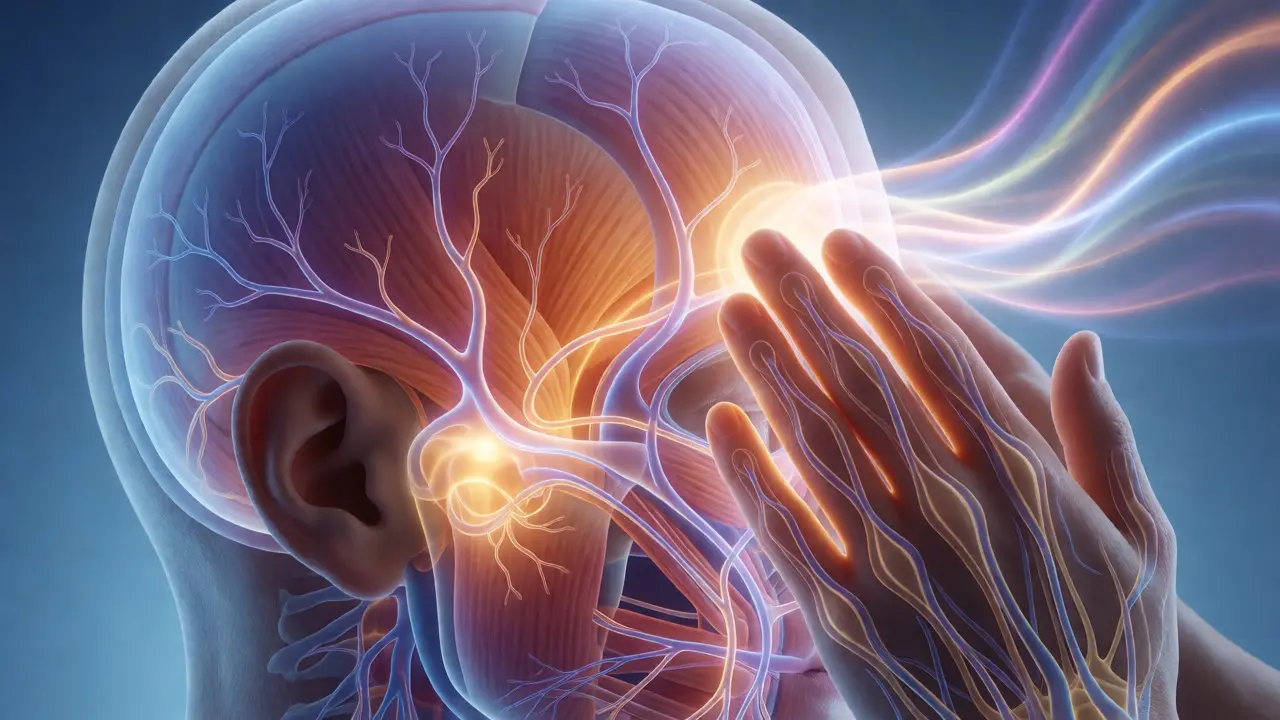
This creates a feedback loop. Pain causes tension. Tension restricts blood flow and irritates nerves. This irritation sends more pain signals to the brain. It’s a vicious circle. A scalp massage interrupts this loop. By manually relaxing these tight bands of muscle, you reduce the mechanical pressure on the nerves. You also boost circulation, which helps flush out inflammatory markers that accumulate during a headache episode.
Think of your scalp muscles like a clenched fist. You can’t open it by staring at it. You have to work the fingers loose. That’s what massage does-it physically unlocks the grip your muscles have on your skull.
The Science Behind the Touch
Is this just placebo effect? Probably not entirely. Research suggests that massage therapy influences several physiological pathways. First, it lowers cortisol, the body’s primary stress hormone. High cortisol keeps your nervous system in "fight or flight" mode, which makes pain perception sharper. Lowering cortisol calms the system down.
Second, massage stimulates the release of endorphins and serotonin. These are your body’s natural painkillers and mood regulators. A study published in the *Journal of Alternative and Complementary Medicine* indicated that regular massage reduced the frequency of migraines in participants compared to those who received no treatment. While individual results vary, the mechanism is sound: you are hacking your own neurochemistry through physical manipulation.
There is also the gate control theory of pain. Basically, non-painful input (like the sensation of rubbing) closes the "gates" to painful input. By giving your brain a strong, pleasant sensory signal from your scalp, you effectively drown out the dull ache of the migraine.
Techniques That Actually Work
Not all head rubs are created equal. Sliding your hands over dry hair won’t cut it. You need technique. Here is a step-by-step approach that works well for most people.
1. The Temple Circles
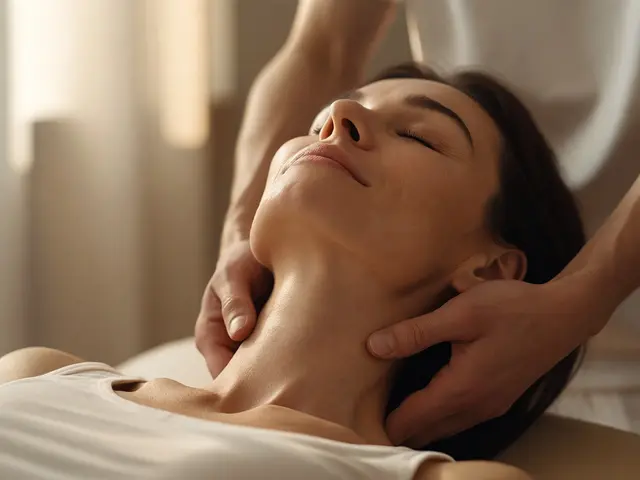
Start at the temples-the soft spots on the sides of your head. Using your fingertips, apply moderate pressure. Move in small, slow circles. Do not rub back and forth; rotate the skin slightly against the skull. This targets the temporalis muscle, which is often incredibly tight in migraine sufferers. Spend two minutes here. Breathe deeply while you do it.
2. The Occipital Release
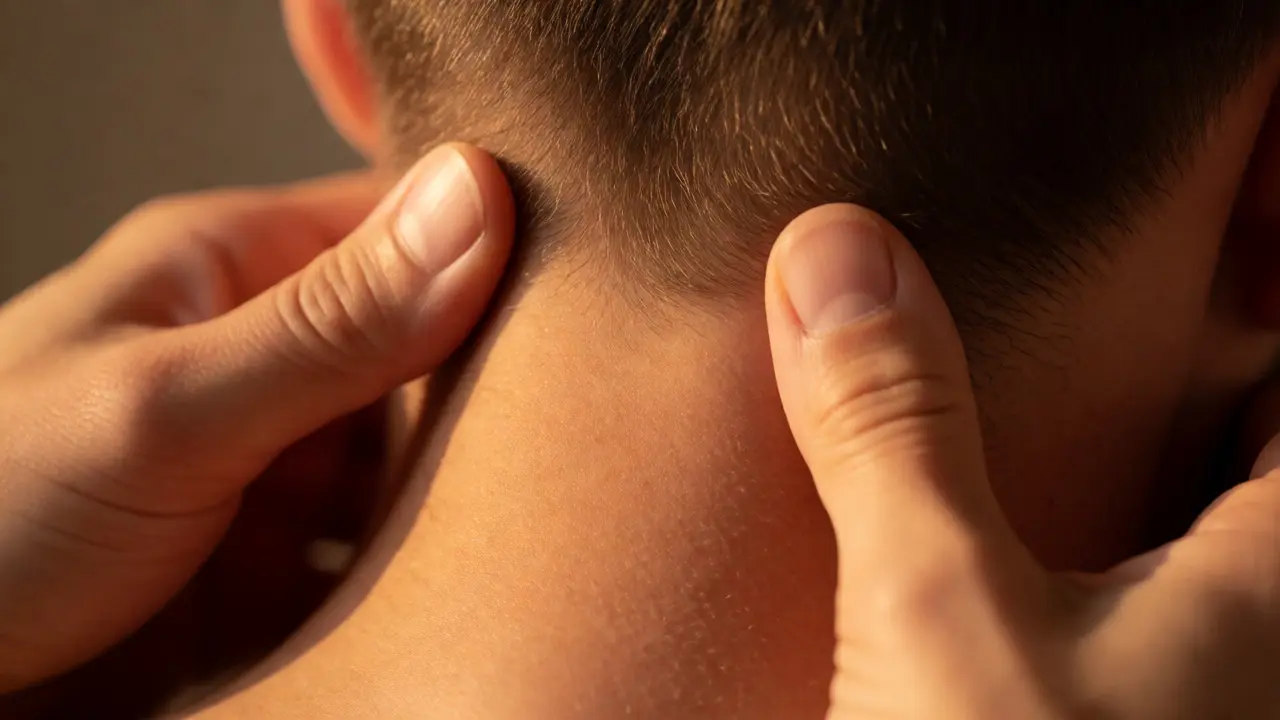
Move to the base of your skull. Feel for the bony bumps (the mastoid process) and the dip between them. This is where the suboccipital muscles live. These tiny muscles connect your head to your neck and are notorious for triggering tension headaches that feel like migraines. Place your thumbs there and press upward and inward. Hold for 10 seconds, then release. Repeat five times. You might wince-that’s normal. It means you found the knot.
3. The Full Scalp Sweep
Interlace your fingers and place your palms on either side of your head. Spread your fingers wide. Now, gently squeeze your hands together while moving them up and down the length of your scalp. Imagine you are kneading dough. Cover every inch of the scalp, from the forehead to the nape of the neck. This promotes overall blood flow and relaxes the epicranial aponeurosis (the tough sheet of tissue covering your skull).
4. Ear Pulls
Gently grasp each earlobe and pull softly outward and downward. Then, move to the top of the ear and pull up. This stretches the fascia connected to the jaw and neck. Many migraines originate from TMJ (jaw) issues, so this indirect stretch can provide surprising relief.
When Massage Makes It Worse
Here is the catch. For some people, touching their head during a migraine feels like being stabbed. This condition is called cutaneous allodynia. It happens when the nerves become so hypersensitive that even light touch registers as pain. If you try a massage and it feels awful, stop immediately. Pushing through will only make the migraine worse.
If you have allodynia, save the massage for the post-drome phase (the day after the headache) or use it purely as prevention when you are pain-free. During an acute attack, cold compresses or darkness might be better than touch.
Tools and Aids for Better Results
Your hands are great, but sometimes they get tired. Or maybe you want deeper pressure without straining your wrists. Consider these aids:
- Scalp Massagers: Those metal wire tools with rounded tips. They cover a large area quickly and provide consistent pressure. Great for quick fixes.
- Aromatherapy Oils: Peppermint oil has cooling properties that can soothe tension. Lavender is calming. Dilute essential oils with a carrier oil (like jojoba or almond) before applying to avoid skin irritation. Never put undiluted peppermint directly into your eyes!
- Heat Packs: Applying warmth to the neck before massaging can loosen muscles, making the manual work easier and less painful.
Prevention: The Weekly Ritual
Don’t wait until you are in agony to start massaging. Prevention is far more effective than cure. Aim for a 10-minute session three times a week. Focus on releasing tension in the neck and shoulders, not just the head. Why? Because the tension usually travels up. If your trapezius muscles (shoulders) are tight, your neck muscles will compensate, and eventually, your scalp will pay the price.
Incorporate stretching into your routine. Chin tucks, neck rotations, and shoulder shrugs prepare the area for massage. Think of it as maintenance. Just like you change the oil in your car before the engine seizes, you massage your head before the migraine strikes.
| Method | Speed of Relief | Side Effects | Best For |
|---|---|---|---|
| Medication | Fast (30-60 mins) | Nausea, rebound headaches | Severe, acute attacks |
| Head Massage | Moderate (5-15 mins) | Rare (avoid if allodynia) | Tension-type triggers, mild migraines |
| Cold Compress | Instant (numbing) | Skin sensitivity | Inflammation, throbbing pain |
| Rest/Darkness | Slow (hours) | Loss of productivity | Light/sound sensitivity |
Common Mistakes to Avoid
I see people mess this up all the time. Here are the big ones:
- Using too much force: More is not better. You want deep tissue pressure, not bruising. If you leave bruises, you went too hard.
- Ignoring the neck: Massaging the scalp while ignoring the neck is like fixing a leaky roof without checking the gutters. The source of tension is often below the hairline.
- Doing it too fast: Rushing defeats the purpose. Slow movements activate the parasympathetic nervous system (rest and digest). Fast rubbing just excites the nerves.
- Expecting a miracle: Massage is a tool, not a cure-all. Combine it with hydration, sleep hygiene, and prescribed treatments for the best results.
Frequently Asked Questions
Can head massage prevent migraines entirely?
It depends on the type of migraine. For tension-type headaches and migraines triggered by stress or poor posture, regular massage can significantly reduce frequency. However, for hormonal or genetic migraines, it may only reduce severity rather than eliminate them completely. It is best used as part of a broader management plan.
How long should I massage my head for relief?
For immediate relief during an onset, 5 to 10 minutes of focused attention on trigger points (temples, neck base) is often enough. For preventive care, a full 15 to 20-minute session once or twice a week is recommended to keep muscle tension low.
Is it safe to massage my head every day?
Yes, daily gentle massage is generally safe and beneficial. However, if you experience increased tenderness or soreness, take a day off. Overworking inflamed tissues can sometimes aggravate nerve sensitivity.
What essential oils are best for migraine massage?
Peppermint oil is popular for its cooling menthol effect, which can distract from pain. Lavender is known for relaxation and anxiety reduction. Rosemary may improve circulation. Always dilute these in a carrier oil like coconut or jojoba before applying to the scalp.
Why does my scalp hurt when I touch it during a migraine?
This is likely cutaneous allodynia, a common symptom of migraines where the nerves become hypersensitive. If touch hurts, avoid massaging the scalp directly. Instead, try massaging your feet or hands, or use a cold pack instead.
Next Steps: Building Your Routine
Ready to try it? Start tonight. Don’t wait for a headache. Spend ten minutes before bed doing the temple circles and neck releases. Note how you feel the next morning. Keep a simple log: date, duration of massage, and headache status the next day. After two weeks, you’ll see patterns. Maybe Tuesdays are your worst days because of work stress-schedule a longer massage for Monday nights. Small adjustments based on real data from your own body beat generic advice every time.

About Author

Popular Posts