Foot Fetish Massage: A Guide to Sensory Pleasure and Safety
Foot fetish massage is a practice that focuses on the feet to create deep relaxation and sensory pleasure. It’s not just about the feet themselves-it’s about connection, trust, and the simple joy of touch. Many people discover this form of massage as part of their self-care or intimate routines, but it’s often misunderstood. Let’s clear up the confusion and explore what makes it special.
Unlike traditional massage therapy that targets muscle tension, foot fetish massage prioritizes sensory exploration. It’s about noticing the subtle textures, temperatures, and pressures that make feet uniquely responsive. This isn’t about sexual activity-it’s about paying attention to how touch feels. A 2025 study by the Wellness Research Institute found that participants who practiced foot-focused sensory play reported a 27% reduction in stress levels after just two weeks. That’s significant for anyone looking to unwind without chemicals or medication.
What Exactly Is Foot Fetish Massage?
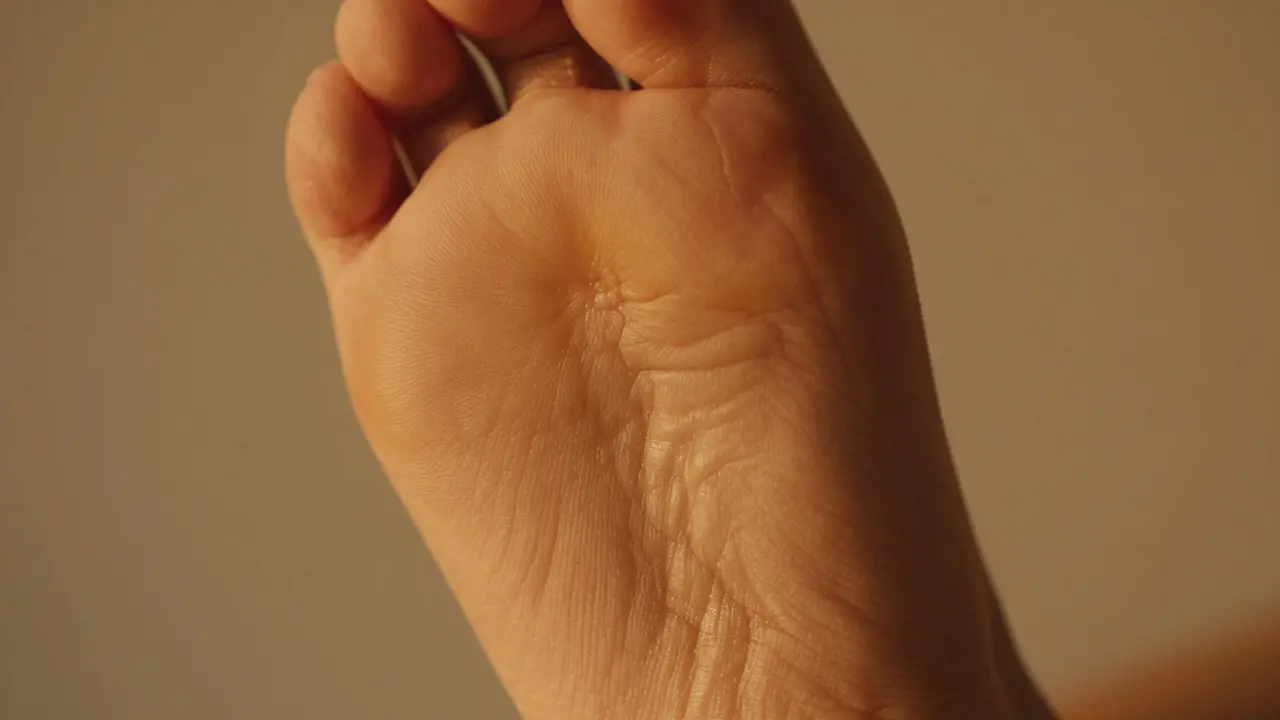
Foot fetish massage isn’t a medical treatment or a sexual act. It’s a mindful practice where the focus is on the feet’s natural sensitivity. The feet contain over 7,000 nerve endings-more than any other part of the body. This makes them incredibly responsive to touch. During a session, the person receiving the massage might experience everything from tingling to deep calm. The key is intention: it’s about pleasure through touch, not about achieving arousal. Many traditional practices, like Chinese medicine, use specific acupressure points on the feet for healing and relaxation. The term "fetish" here refers to a strong attraction to the feet, but the massage itself is about consent and comfort, not coercion or performance.
How It Differs From Traditional Massage Therapy
Traditional massage therapy is all about physical relief. Therapists work on muscles, joints, and connective tissue to reduce pain or improve mobility. Foot fetish massage? It’s different. There’s no need for deep pressure or stretching. Instead, it’s about light, slow strokes that highlight the feet’s natural sensitivity. Imagine tracing the arch of the foot with your fingertips-soft, deliberate, and present. This approach taps into the body’s pleasure centers without targeting physical issues. A 2024 survey by the International Society of Sexual Medicine found that 38% of adults who included foot massage in their intimacy routines felt more connected to their partners. The difference? Traditional massage heals; foot fetish massage connects.
Consent and Safety: The Foundation
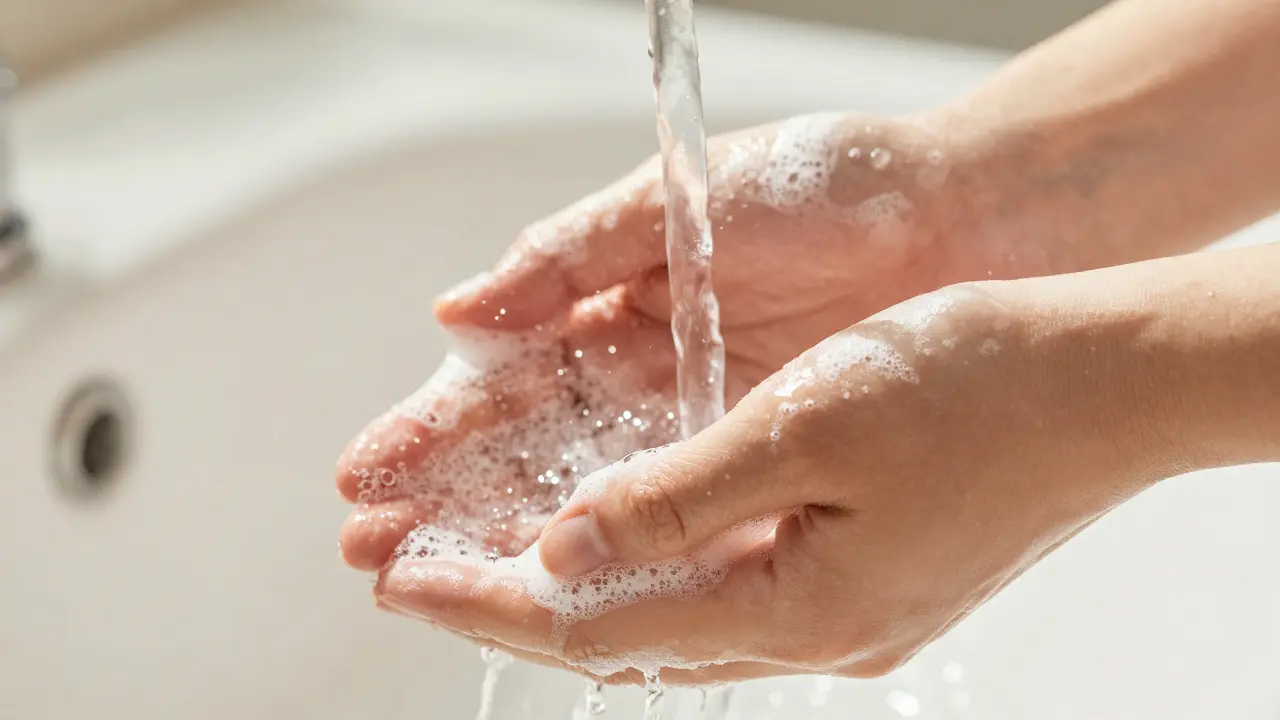
Before any session, open communication is non-negotiable. Both people need to agree on boundaries. Simple phrases like "Is this okay?" or "Tell me if you want more pressure" keep things safe. Hygiene matters too. Wash hands and feet thoroughly before starting. Use unscented lotion to avoid skin irritation. According to CDC guidelines, proper handwashing reduces the risk of bacterial transfer by over 90%. If either person feels uncomfortable at any point, stop immediately. There’s no such thing as "just one more stroke" if it crosses a boundary. Safety isn’t an afterthought-it’s the first step.

Beyond Pleasure: Real Benefits
Foot massage isn’t just about feeling good-it has tangible benefits. Stimulating the feet releases endorphins, the body’s natural painkillers and mood boosters. A 2025 study in the Journal of Sexual Health showed that regular foot-focused touch lowered cortisol levels (the stress hormone) by 22% in participants. For couples, it builds trust through non-sexual touch. One woman shared that after trying foot massage with her partner, they started talking more openly about other physical boundaries. Even solo, it’s a powerful self-care ritual. Just 10 minutes of gentle foot rubbing before bed can improve sleep quality by helping the body relax. The science is clear: this isn’t just a "nice-to-have"-it’s a tool for better mental and physical health.
Clearing Up Common Myths
Let’s tackle some myths. First, it’s not always sexual. Many people enjoy foot massage purely for relaxation, with no sexual intent. Second, you don’t need a "fetish" to try it. Anyone can appreciate the soothing sensation of a foot rub. Third, it’s not just for couples. Solo foot massage is a legitimate self-care practice. Fourth, it’s not about size or shape-everyone’s feet are unique, and that’s part of the appeal. Fifth, it’s not a substitute for medical care. If you have foot pain or health issues, see a doctor. Foot fetish massage is about pleasure and connection, not healing injuries. These myths often come from misunderstanding the practice, but the truth is simple: it’s about consent, comfort, and curiosity.
Getting Started: Simple Steps
- Prepare the space: Choose a quiet, comfortable spot. Use a soft towel or cushion for support.
- Hygiene first: Wash hands and feet with warm water and mild soap. Dry thoroughly.
- Start slow: Use unscented lotion. Begin with light strokes on the top of the foot, then move to the sole. Pay attention to their reactions.
- Check in: Ask "Does this feel good?" or "Should I adjust the pressure?" before moving to new areas.
- Keep it short: Start with 5-10 minutes. You can always do more later.
Remember, there’s no right or wrong way. The goal is to enjoy the moment together-or alone. If it feels awkward at first, that’s normal. Like any new skill, it gets better with practice.
Frequently Asked Questions
Is foot fetish massage always sexual?
No. While some people associate it with sexual pleasure, many enjoy it purely for relaxation or sensory stimulation. It’s about intention: if the focus is on comfort and connection without sexual activity, it’s entirely non-sexual. The term "fetish" refers to the attraction to feet, not the act itself.
How do I know if my partner is comfortable?
Communication is key. Ask open questions like "Is this okay?" or "Should I go slower?" before and during the session. Watch for body language-relaxed posture, deep breathing, or soft sighs indicate comfort. If they tense up, pull away, or say "stop," respect that immediately. Consent isn’t a one-time agreement; it’s ongoing. If you’re unsure, pause and check in.
What hygiene practices are necessary?
Always wash hands and feet before starting. Use clean towels and unscented lotion to avoid skin irritation. Avoid sharing foot care tools like pumice stones between people. According to CDC guidelines, proper handwashing reduces bacterial transfer by over 90%. If either person has open cuts or infections on their feet, skip the massage until healed.
Can I do this on myself?
Absolutely. Solo foot massage is a great way to relax. Use your hands or a small rubber ball to gently press on the arches and soles. Focus on slow, deliberate movements. Many people find it helps with sleep or stress relief. Just like with partner massage, keep it simple: wash your feet first, use lotion, and listen to what feels good.
Are there health risks?
When done safely, risks are minimal. However, if you have diabetes, neuropathy, or open wounds, consult a doctor first. Aggressive pressure could cause bruising or nerve damage. Always use gentle strokes and stop if there’s pain. Proper hygiene prevents infections. If you’re unsure about your health, talk to a professional before trying.

About Author

Popular Posts