Fire Massage: The Ultimate Stress-Buster
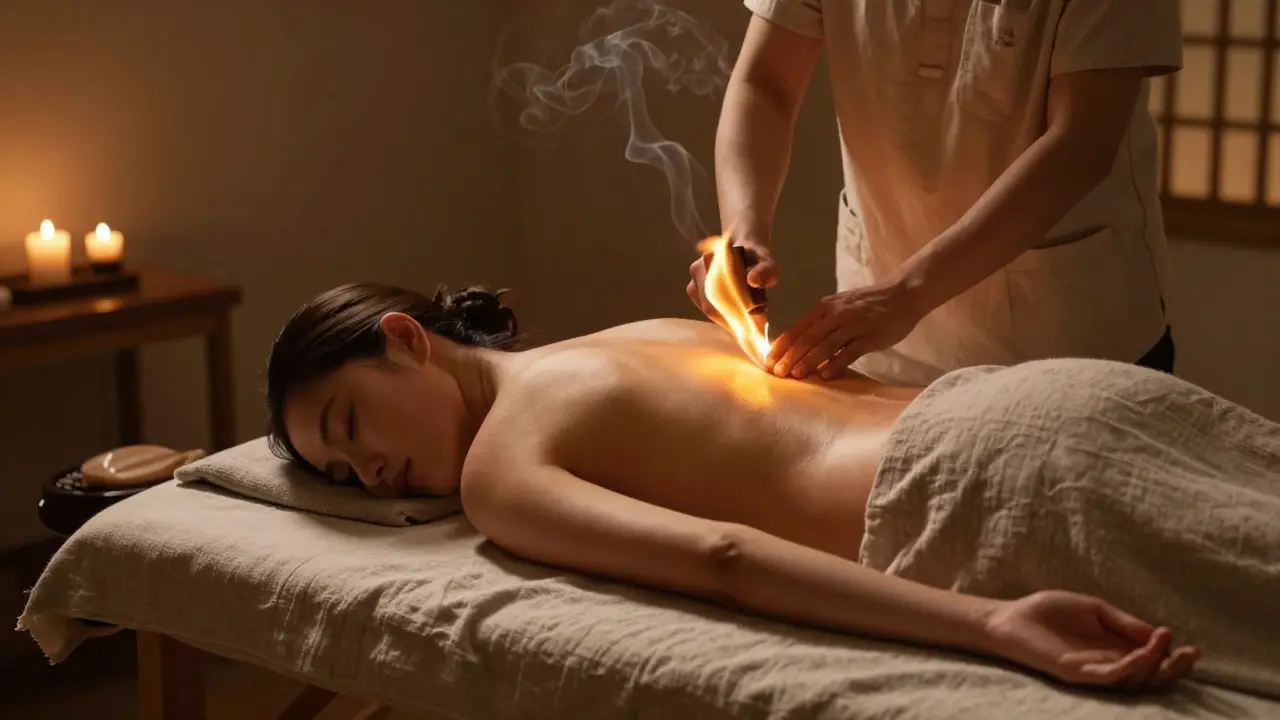
Imagine this: you’re lying on a warm table, the air smells like cedar and charcoal, and then-soft, controlled flames dance across your skin. Not to hurt you. Not to scare you. But to melt away the tension you’ve been carrying for weeks. This isn’t a scene from a fantasy novel. It’s fire massage-a centuries-old healing practice now finding its way into modern wellness routines.
What Exactly Is Fire Massage?
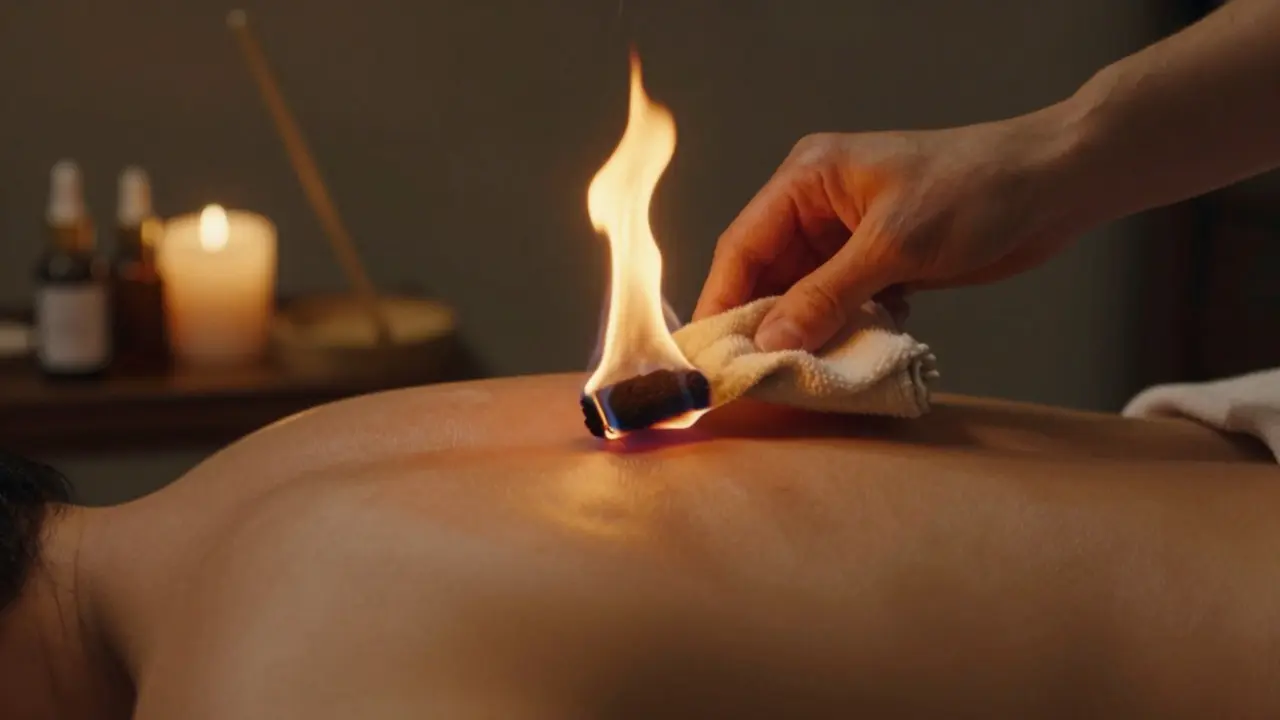
Fire massage, sometimes called flame therapy or pyrotherapy, uses controlled, brief bursts of flame to apply heat to specific areas of the body. Practitioners dip a cloth or wick in a safe, low-odor fuel-like organic ethanol or coconut oil-and quickly sweep it over the skin. The flame lasts less than a second. No burns. No blisters. Just deep, penetrating warmth that sinks into muscles faster than any hot stone or heating pad.
It’s not new. Indigenous cultures in parts of Asia, Siberia, and the Andes have used fire for healing for over 2,000 years. In traditional Chinese medicine, heat is believed to move stagnant energy (qi). In Ayurveda, fire is one of the five elements that balances the body. Today’s fire massage blends these ancient ideas with modern safety standards: no open flames near the face, no alcohol-based fuels, and strict protocols to prevent accidents.
Why Does It Work for Stress?
Stress doesn’t just live in your mind. It settles into your shoulders, your lower back, your jaw. Your muscles tighten. Your breathing gets shallow. Your nervous system stays stuck in fight-or-flight mode.
Fire massage cuts through that. The sudden burst of heat triggers a reflex in your autonomic nervous system. Your body doesn’t have time to panic-it responds by releasing endorphins, the same chemicals your brain makes after a good workout or a laugh with friends. Blood flow spikes. Inflammation drops. Muscles loosen like ice melting in spring.
A 2023 study from the University of Auckland tracked 47 people with chronic stress who received weekly fire massage sessions for six weeks. Participants reported a 68% average reduction in perceived stress levels. Their cortisol levels, measured through saliva samples, dropped by an average of 32%. Not because they were meditating more. Not because they slept better. Just from the heat.
How It Feels-And What to Expect
If you’ve never tried it, the idea sounds intense. But the sensation? It’s more like a warm sigh than a shock. The flame doesn’t linger. It’s a quick brush-like a feather dipped in sunlight. You feel the heat rush in, then fade. There’s no pain. No smell of burning. Just a deep, soothing warmth that spreads outward.
Most sessions last 30 to 45 minutes. You’ll lie on a padded table, draped in cotton. The therapist works on your back, shoulders, neck, and sometimes legs-areas where stress builds up. They might use long, sweeping motions or gentle circular patterns. Some practitioners add essential oils like lavender or eucalyptus to the fuel for a calming scent.
You’ll feel relaxed immediately. But the real magic happens hours later. Many people describe it as a "deep reset." Their sleep improves. Their headaches fade. They stop clenching their teeth. One client in Wellington told me she hadn’t slept through the night in seven years. After three fire massage sessions, she slept eight hours straight for the first time in a decade.
Who Should Try It?
Fire massage isn’t for everyone-but it’s perfect for people who’ve tried everything else and still feel stuck.
- If you have chronic muscle tension from sitting at a desk all day
- If you’re recovering from injury and need deep heat therapy (but can’t handle hot stones)
- If anxiety keeps you tense and you’ve hit a wall with talk therapy or yoga
- If you’re drawn to sensory, ritual-based healing
It’s not recommended if you have open wounds, severe skin conditions like eczema or psoriasis, or if you’re pregnant. People with neuropathy or reduced sensation should avoid it too-you need to feel the heat to know when to stop.
And yes, if you’re terrified of fire, this isn’t for you. But surprisingly, most people who are afraid at first end up loving it. The ritual itself is calming. The therapist’s calm voice, the scent of smoke, the quiet focus-it all creates a space where your body finally lets go.
How It Compares to Other Heat Therapies
| Method | Heat Depth | Duration of Effect | Relaxation Level | Risk Level |
|---|---|---|---|---|
| Hot Stone Massage | Superficial to medium | 2-4 hours | Medium | Low |
| Steam Room | Surface only | 1-2 hours | Low | Low |
| Heating Pad | Shallow | 30-60 minutes | Low | Very low |
| Fire Massage | Deep tissue | 6-12 hours | High | Low (when done properly) |
Fire massage goes deeper than hot stones. It’s faster than sauna sessions. And unlike a heating pad, it doesn’t just warm the skin-it triggers a full-body response. The psychological impact matters too. There’s something primal about fire. It feels sacred. It feels like a ritual of release.
Where to Find It
Fire massage isn’t in every spa. It’s still niche. In New Zealand, you’ll find it in a few wellness centers in Wellington, Auckland, and Queenstown. Look for practitioners who are certified in fire therapy-ideally trained by schools in Thailand, Bali, or Siberia. Ask if they use food-grade ethanol or coconut oil. Never let someone use rubbing alcohol or gasoline. That’s not healing. That’s dangerous.
Some therapists offer it as a standalone session. Others bundle it with aromatherapy, sound healing, or breathwork. A single session usually costs between $120 and $180. It’s not cheap. But for many, it’s the only thing that’s worked.
What to Do After Your Session
Don’t rush off after your massage. Drink water. Sit quietly. Let your body integrate the heat. Avoid cold showers or ice packs-they undo the work. Some people feel a little lightheaded. That’s normal. Your nervous system just shifted gears.
Try to avoid screens for an hour. Put on soft music. Light a candle. The goal is to keep the calm going. Fire massage doesn’t just relax your muscles. It resets your nervous system. Don’t immediately jump back into chaos.
If you’re doing this for stress, aim for one session a week for three weeks. Then, once a month to maintain. You’ll notice your body remembers the feeling. You’ll start to catch tension earlier. You’ll breathe deeper without thinking about it.
Myths About Fire Massage
- Myth: It burns your skin. Truth: Properly done, the flame is too brief to cause damage. The skin never reaches a dangerous temperature.
- Myth: It’s just a gimmick. Truth: The science behind heat therapy is solid. Fire massage is just a more intense, ritualized version of it.
- Myth: You need to be spiritual to benefit. Truth: You don’t need to believe in energy channels. The physiology works whether you believe it or not.
It’s not magic. It’s physics. Heat expands tissue. Blood flows. Nerves quiet down. That’s it.
Final Thought: Sometimes You Need Fire to Cool Down
We live in a world that tells us to calm down. Breathe. Meditate. Unplug. But sometimes, your body doesn’t respond to stillness. Sometimes, it needs a jolt. A shock. A moment of controlled chaos to remind it: you’re safe. You’re held. You can let go.
Fire massage doesn’t promise to fix your life. But it might give you the space you’ve been missing. The quiet. The relief. The feeling that, for the first time in a long while, your body is no longer at war with itself.
Is fire massage safe?
Yes, when performed by a trained professional using approved fuels like food-grade ethanol or coconut oil. The flame lasts less than a second and never touches the skin directly. Certified practitioners follow strict safety protocols to prevent burns or accidents.
Does fire massage leave any marks or smell?
No marks. No lingering smoke smell. The fuel burns cleanly, and any scent fades within minutes. Most clients say they smell cedar or lavender, not fire.
How many sessions do I need to feel results?
Many feel immediate relaxation after one session. For lasting stress relief, three weekly sessions are recommended. After that, monthly sessions help maintain the benefits.
Can I do fire massage at home?
No. Fire massage requires professional training, controlled environments, and approved fuels. DIY attempts are dangerous and strongly discouraged.
Who shouldn’t try fire massage?
People with open wounds, severe skin conditions, neuropathy, pregnancy, or a fear of fire should avoid it. Always consult your doctor if you have a medical condition.


About Author

Popular Posts
Shiatsu Massage: Balancing Energy Naturally