Ayurvedic Massage Guide: Benefits, Types, and What to Expect
You’ve probably heard of Swedish massage or deep tissue work. But have you ever sat in a room where the air smells like warm sesame oil and sandalwood, feeling a rhythmic, wave-like pressure that seems to reach into your bones? That is ayurvedic massage. It is not just a spa treatment; it is a system of medicine dating back over 3,000 years in India.
Unlike standard Western massages that focus on muscle tension, this ancient practice targets your energy channels and nervous system. It uses specific oils tailored to your body type to balance your internal rhythms. If you are looking for more than just relaxation-if you want to reset your stress levels and improve circulation-this guide breaks down exactly how it works and what you need to know before booking your first session.
The Core Philosophy: Balancing Your Dosha
To understand ayurvedic massage, you must first understand the concept of the Dosha. In Ayurveda, every person is made up of a unique combination of three biological energies: Vata, Pitta, and Kapha. These aren't just personality traits; they dictate your physical health, digestion, and sleep patterns.
Your massage experience changes completely based on which Dosha is dominant in your body right now. A therapist doesn't use a one-size-fits-all approach. Instead, they assess your current state to determine the right oil, pressure, and technique.
- Vata (Air & Space): People with high Vata tend to be anxious, dry-skinned, and prone to insomnia. Their massage involves slow, warming strokes with heavy, grounding oils like sesame or almond to calm the nervous system.
- Pitta (Fire & Water): High Pitta individuals are often intense, competitive, and run hot. They need cooling techniques. Therapists use lighter oils like coconut or sunflower and maintain a cooler room temperature to prevent overheating.
- Kapha (Earth & Water): Kapha types are usually steady but can feel sluggish or heavy. Their massage is vigorous and stimulating, using spicy-scented oils like mustard or ginger to wake up the tissues and boost metabolism.
This personalized approach is why ayurvedic massage feels different from a generic hour at the spa. You are not just getting rubbed down; you are receiving a therapeutic intervention designed for your specific physiology.
Common Types of Ayurvedic Treatments
While "ayurvedic massage" is an umbrella term, there are several distinct modalities you might encounter. Knowing the difference helps you choose the right treatment for your needs.
| Treatment Name | Primary Technique | Best For | Duration |
|---|---|---|---|
| Abhyanga | Full-body synchronized massage by two therapists | Deep relaxation, joint pain, skin hydration | 60-90 minutes |
| Shirodhara | Continuous stream of warm oil poured on the forehead | Anxiety, insomnia, mental fatigue | 45-60 minutes |
| Pinda Sweda | Hot boluses filled with herbs rolled over the body | Muscle stiffness, inflammation, arthritis | 60 minutes |
| Udvartana | Upward rubbing with herbal powders | Weight loss, cellulite, lymphatic drainage | 45 minutes |
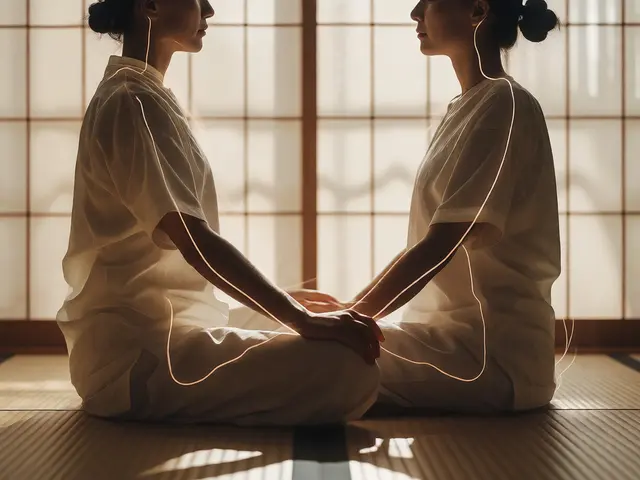
Abhyanga is the most common form you will find in wellness centers worldwide. Two therapists work simultaneously on opposite sides of your body. This synchronization creates a profound sense of unity and safety, helping to regulate the heart rate and breathing. It is deeply nourishing for the skin and joints.
If your primary struggle is mental clutter or burnout, Shirodhara is often recommended. The steady rhythm of oil hitting the "third eye" area activates the parasympathetic nervous system-the "rest and digest" mode. Many clients report entering a meditative trance during this process.
The Role of Marma Points and Oils
A key differentiator in this practice is the focus on Marma points. These are vital energy junctions located at intersections of muscles, tendons, veins, arteries, and bones. There are 107 major Marma points in the body. Stimulating these points releases blocked energy (Prana) and improves blood flow to specific organs.
For example, applying gentle pressure to the Marma point between the thumb and index finger can help relieve headaches and sinus congestion. A skilled therapist knows exactly where to apply pressure to alleviate specific ailments, rather than just working out knots in the shoulders.
The oils used are equally important. They are rarely synthetic lotions. Instead, therapists use organic carrier oils infused with herbs. Common ingredients include:
- Brahmi: Enhances cognitive function and calms the mind.
- Ashwagandha: Reduces cortisol levels and fights fatigue.
- Nirgundi: Powerful anti-inflammatory for joint pain.
- Jasmine: Uplifting scent for emotional balance.
The oil acts as a vehicle to carry these medicinal properties through the skin and into the bloodstream. This is why you leave the session feeling coated and warm, rather than sticky or greasy.

What to Expect During Your Session
If you have never tried ayurvedic massage, the ritual aspect can be surprising. It is slower and more deliberate than typical spa treatments. Here is the step-by-step process:
- Consultation: Before you undress, the therapist asks questions about your diet, sleep, stress levels, and medical history. They may check your pulse to determine your Dosha imbalance.
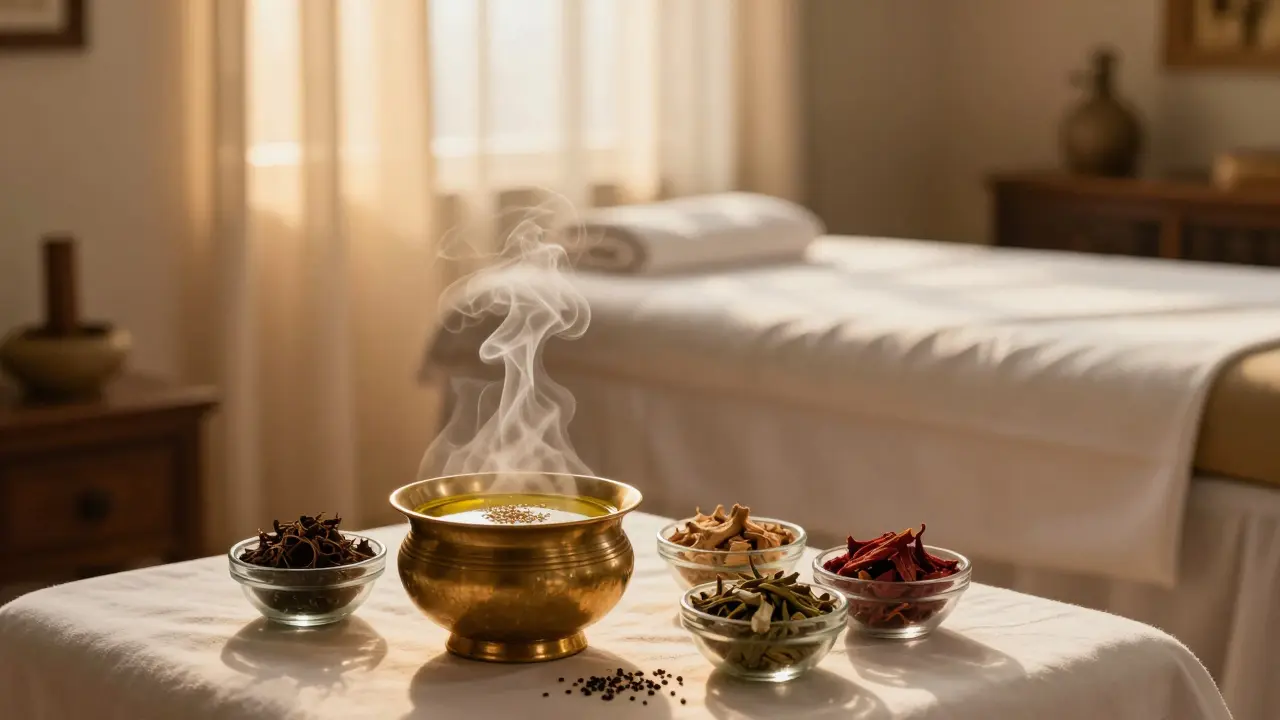
- Preparation: You lie face down on a heated table. The therapist warms the oil in a metal vessel until it is comfortably hot (but not burning).
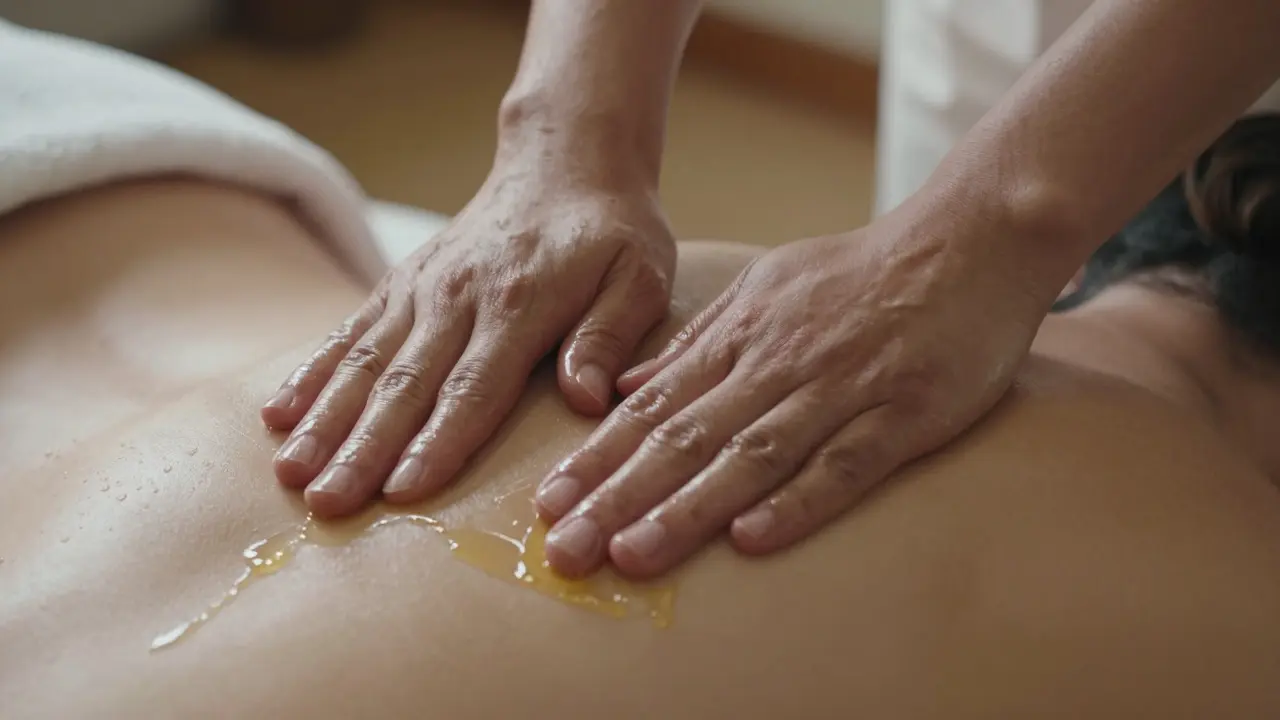
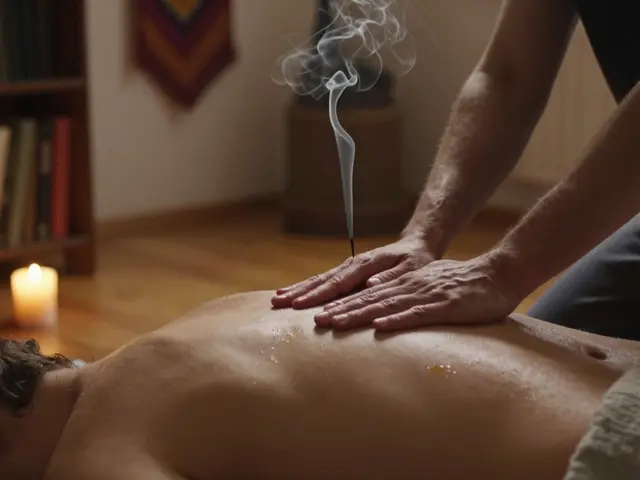
- The Massage: The therapist applies the oil using long, flowing strokes. They pay special attention to the head, feet, and palms. The pace is slow to allow the oil to penetrate deeply.
- Rest Period: After the massage, you are asked to rest for 15-20 minutes without moving much. This allows the oil to absorb and the body to integrate the benefits.
- Shower: Finally, you take a warm shower to wash off the excess oil. Some practitioners recommend eating light, warm food immediately after to aid digestion.
One thing to note: the room will likely be warmer than a standard massage room. Heat helps open the pores and relaxes stiff muscles, making the oil absorption more effective.
Benefits Beyond Relaxation
While feeling relaxed is the immediate result, the long-term benefits are physiological. Regular sessions can lead to significant improvements in overall health.
Improved Circulation: The mechanical action of the massage pushes stagnant lymph fluid toward the heart, boosting immune function. Better blood flow means oxygen reaches your cells more efficiently, reducing fatigue.
Pain Management: By targeting Marma points and releasing fascial restrictions, this therapy can reduce chronic pain associated with arthritis, sciatica, and lower back issues. The anti-inflammatory herbs in the oils provide additional relief.
Better Sleep Quality: For those with Vata imbalances (anxiety/restlessness), the grounding nature of the massage regulates the circadian rhythm. Many users report falling asleep faster and staying asleep longer after consistent treatments.
Skin Health: The daily or weekly application of nutrient-rich oils hydrates the skin from within, improving elasticity and reducing the appearance of fine lines. It is a natural alternative to expensive creams.
Who Should Avoid It?
Although generally safe, ayurvedic massage is not suitable for everyone. You should skip this treatment if you have:
- Acute fever or infectious diseases
- Open wounds or severe skin infections
- Recent surgery (within the last few weeks)
- Pregnancy (unless specifically cleared by a prenatal specialist)
- Severe osteoporosis (due to the pressure applied)
Always disclose any medical conditions during your consultation. A qualified therapist will modify the technique or advise against the session if it poses a risk.
Finding a Qualified Practitioner
Not all spas offer authentic ayurvedic massage. Look for therapists who have trained in certified Ayurvedic programs, preferably in India or accredited institutions abroad. Ask them about their training background and how they determine your Dosha. A good practitioner will spend time listening to you before touching you.
In Portsmouth and the wider UK, wellness centers are increasingly offering these services. Check reviews specifically mentioning "authentic" or "traditional" experiences to ensure you are getting the real deal, not just a Swedish massage with exotic scents.
How often should I get an ayurvedic massage?
For general maintenance, once a month is sufficient. However, if you are dealing with acute stress, chronic pain, or a significant Dosha imbalance, weekly sessions for four to six weeks are recommended to reset your system.
Is ayurvedic massage painful?
It should not be painful. The pressure is firm but gentle, focusing on energy flow rather than breaking down muscle knots. If you feel sharp pain, inform your therapist immediately so they can adjust their technique.
Can I do ayurvedic massage at home?
Yes, self-massage (Snehana) is a core part of Ayurveda. You can buy warm sesame or coconut oil and massage your scalp, feet, and joints before a shower. It takes only 10-15 minutes and provides many of the same benefits.
What is the difference between ayurvedic and Thai massage?
Thai massage involves stretching and compression without oil, while ayurvedic massage uses warm oils and focuses on energy channels (Nadis) and Marma points. Thai massage is more active and physical; ayurvedic massage is more nurturing and internal.
Do I need to stay naked during the massage?
You typically undress to your comfort level. Draping sheets are used to cover parts of the body not being massaged at the moment. Modesty is respected, and you control the exposure.

About Author