Why Compression Massage is the Perfect Post-Workout Routine
You just crushed a heavy squat session or ran your fastest 5K yet. Your legs feel like lead, and every step up the stairs reminds you of that final rep. Most people reach for foam rollers or static stretching, hoping to undo the damage. But there’s a faster, more effective way to reset your body: Compression Massage. It isn’t just about squeezing muscles; it’s about using pressure to accelerate blood flow and flush out metabolic waste.
If you’ve ever wondered why professional athletes look fresh after back-to-back games while you’re still limping two days later, this might be the missing link in your routine. We’re not talking about expensive pneumatic boots (though those help). We’re talking about manual compression techniques you can do yourself or get from a therapist. Let’s break down why this method works better than traditional stretching for immediate recovery.
The Science Behind Squeezing Out Recovery
When you exercise hard, your muscles undergo micro-tears. That sounds scary, but it’s actually good-it’s how they grow stronger. The problem is the inflammation and fluid buildup that follows. This swelling increases pressure on nerve endings, causing pain and stiffness. Standard stretching pulls on these tissues, which can sometimes irritate them further if done too aggressively right after intense effort.
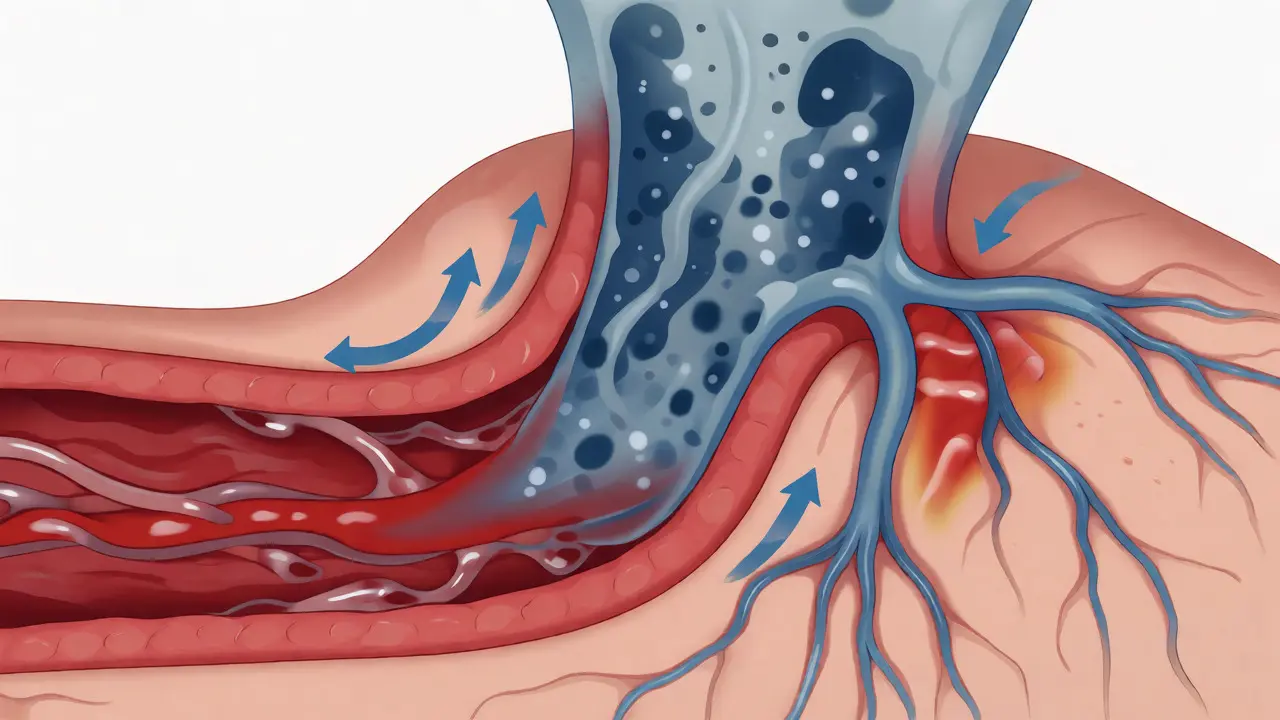
Compression Massage is a therapeutic technique involving rhythmic, deep pressure applied to soft tissue to enhance circulation and reduce edema. Unlike friction-based massages that rub the surface, compression pushes fluid out of the interstitial spaces between cells. Think of it like wringing out a wet sponge. When you apply steady, directional pressure toward the heart, you help the lymphatic system clear out lactate and other byproducts of metabolism much faster than passive rest allows.
This process relies heavily on hemodynamics. By compressing veins and capillaries, you create a temporary vacuum effect when you release the pressure. Fresh, oxygenated blood rushes back into the area, bringing nutrients needed for repair. It’s a simple mechanical principle with profound biological results.
Why Foam Rolling Isn’t Enough
Foam rolling has become the default recovery tool for gym-goers everywhere. And don’t get me wrong, it helps. But it has limitations. A foam roller applies broad, undifferentiated pressure. If you have a specific knot in your quadriceps or tightness in your calf soleus, a roller often misses the mark or treats the whole leg uniformly.
Compression massage offers precision. You can target specific trigger points with your thumbs, elbows, or specialized tools. More importantly, foam rolling is largely superficial. It affects the fascia and skin layers. Deep compression reaches deeper muscle bellies where tension accumulates most severely. If you’re dealing with DOMS (Delayed Onset Muscle Soreness) that peaks 24-48 hours post-exercise, shallow pressure won’t cut it. You need depth.
| Method | Primary Mechanism | Depth of Penetration | Best For |
|---|---|---|---|
| Foam Rolling | Self-myofascial release via body weight | Superficial to Mid-depth | General warm-ups, mild stiffness |
| Static Stretching | Elongation of muscle fibers | N/A (Lengthening) | Flexibility training, cool-downs |
| Compression Massage | Fluid displacement and vascular flushing | Deep Tissue | Acute soreness, injury prevention, rapid recovery |
| Pneumatic Boots | Sequential air compression | Uniform Deep Pressure | Passive recovery, high-volume training |
How to Perform DIY Compression Massage
You don’t need a license to start doing this at home. In fact, many physical therapists teach patients basic self-compression techniques for daily maintenance. Here is a simple protocol you can use immediately after your workout.
- Warm Up the Area: Never apply deep compression to cold muscles. Spend five minutes walking or doing light dynamic movements to increase blood flow first.
- Apply Oil or Lotion: Friction without lubrication damages the skin. Use a non-greasy sports massage oil or even thick lotion.
- Start Proximally: Always work towards the heart. If you are massaging your legs, start near the hips and move down? No, wait-actually, for venous return, you want to push fluid *towards* the heart. So for legs, start at the feet and move up towards the groin. For arms, start at the hands and move towards the armpit.
- Use Sustained Pressure: Place your palm or thumb on the muscle belly. Press firmly until you feel resistance, then hold for 10-15 seconds. Do not rub back and forth. Just press, hold, and release.
- Follow the Muscle Fibers: Identify the direction of the muscle fibers. Apply pressure along that line, moving slowly upward.
- Breathe: Exhale as you apply pressure. This relaxes the nervous system and prevents you from tensing up against the touch.
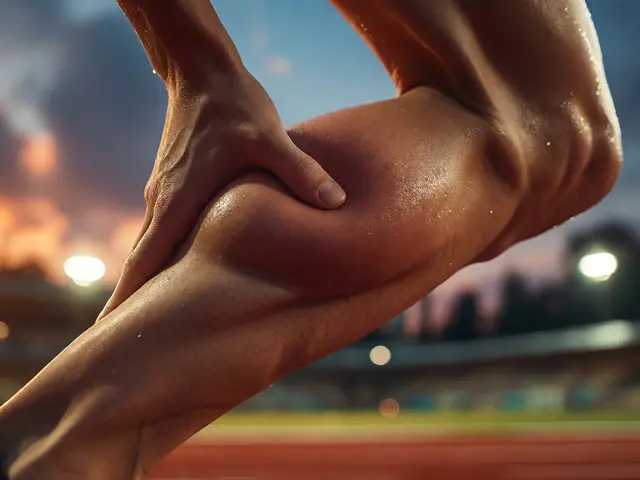
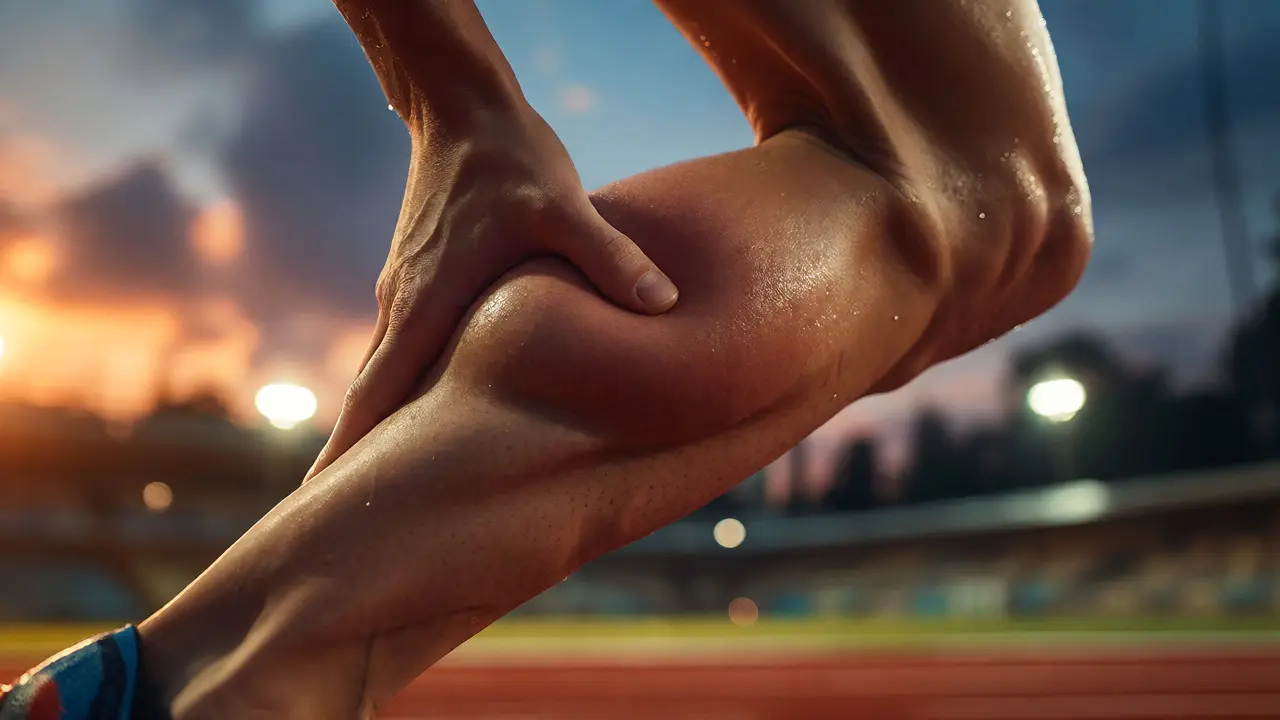
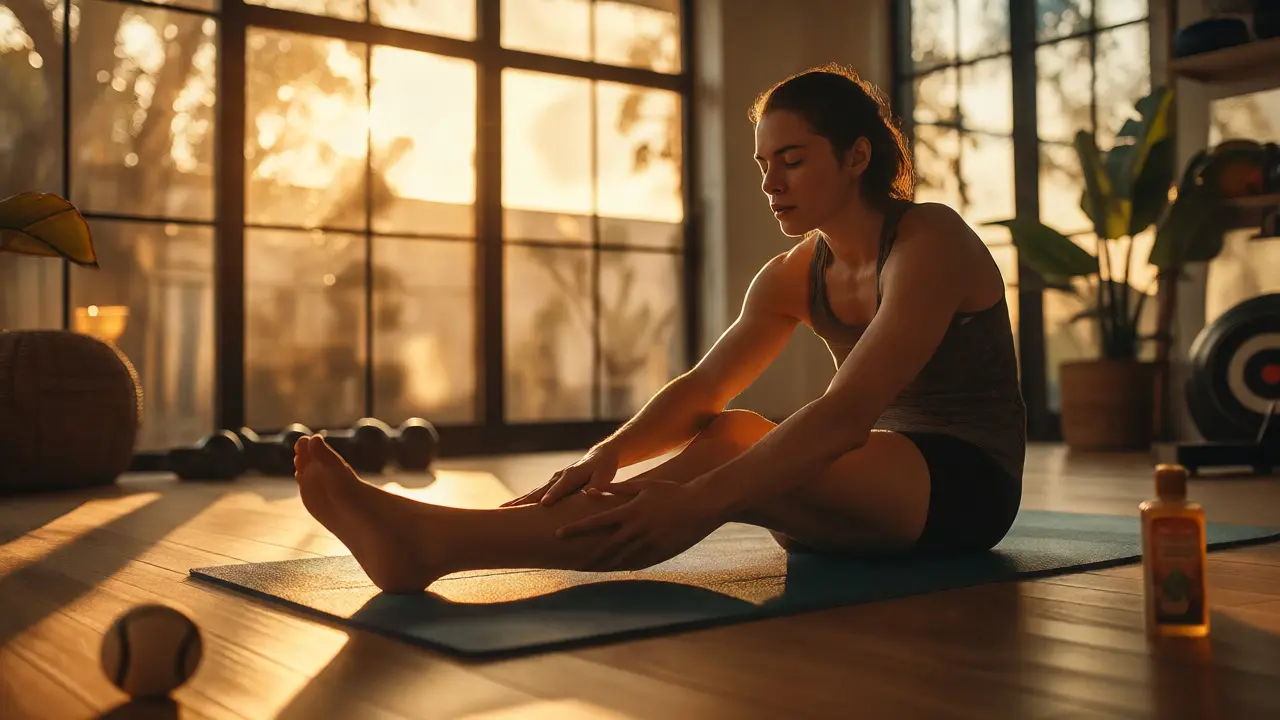
For example, if your calves are screaming after a run, sit on the floor with your leg extended. Use both hands to grasp your calf just above the ankle. Squeeze firmly, holding for ten seconds. Move your hands up an inch, squeeze again. Repeat until you reach the knee. You’ll likely find one spot that feels particularly tender-that’s where the fluid is trapped. Spend extra time there.
Professional vs. Self-Administered Techniques
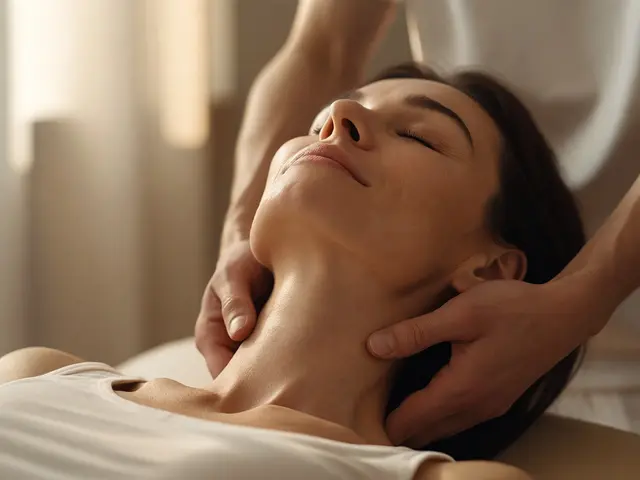
While self-massage is great for maintenance, seeing a certified massage therapist offers distinct advantages. They can access areas you physically cannot reach effectively, such as the rotator cuff, glutes, or spinal erectors. Furthermore, a trained eye can distinguish between healthy muscle tone and pathological adhesions (scar tissue).
In Perth, where I live, sports medicine clinics often combine compression massage with dry needling or cupping. This hybrid approach yields faster results for acute injuries. However, cost is a factor. A professional session might cost $80-$120 AUD per hour. Doing it yourself costs nothing but time. The key is consistency. Daily five-minute self-compression beats one monthly professional session for most recreational athletes.
Consider hiring a pro if:
- You are recovering from a specific injury (e.g., hamstring strain).
- You have limited mobility preventing effective self-treatment.
- You are preparing for a major competition and need peak condition.
Common Mistakes to Avoid
Even though compression is safer than aggressive rubbing, you can still mess it up. The biggest error is applying pressure directly over bone or joints. You want to treat the soft tissue surrounding the joint, not the joint capsule itself. Pressing on the patella (kneecap) does nothing for recovery and hurts like hell.
Another mistake is ignoring contraindications. If you have varicose veins, deep vein thrombosis (DVT), or open wounds, compression massage can be dangerous. Pushing on a clot could dislodge it. Always check with your doctor if you have circulatory issues. Also, avoid massaging directly over swollen, hot, red areas indicative of acute inflammation or infection. Wait until the acute phase passes before applying deep pressure.
Finally, don’t confuse pain with gain. Good discomfort feels like a "good hurt"-a dull ache that releases tension. Sharp, shooting pain means you’re pressing on a nerve or damaging tissue. Ease off immediately.
Integrating Compression into Your Weekly Plan
Recovery isn’t a one-off event; it’s part of your training load management. Treat compression massage like brushing your teeth-non-negotiable hygiene for your muscles.
Here’s a sample weekly schedule for a runner or lifter:
- Post-Workout (Immediate): 5 minutes of gentle self-compression on primary worked muscles. Focus on large groups (quads, hamstrings, back).
- Rest Days: 10 minutes of targeted self-massage on any lingering tight spots. Use a lacrosse ball for deeper point-specific pressure.
- Weekly Maintenance: Once a week, consider a full-body professional session or a longer self-routine incorporating all limbs.
- Pre-Event: Light compression only. Avoid deep tissue work 48 hours before a race or max lift attempt, as it can temporarily weaken muscle force production.
Notice the distinction between pre-event and post-event. Deep compression can induce a relaxation response that reduces neural drive. You want your nervous system fired up for performance, so save the deep squeezing for after the show.
Tools That Enhance Compression
Your hands are the best tool, but accessories can help. Consider these options:
- Lacrosse Balls: Cheap, portable, and perfect for targeting small muscles like foot arches or hip flexors.
- Massage Guns: While technically percussion devices, many allow for low-amplitude settings that mimic rapid compression pulses. Keep them on low speed for recovery.
- Compression Sleeves: Wearing graduated compression socks or sleeves during the day maintains the benefits of your evening massage by preventing new fluid accumulation.
- Handheld Rollers: Small textured wheels give you more control than a large foam roller for specific zones.
Remember, the tool doesn’t matter as much as the intent. Consistent, mindful application of pressure yields results. Fancy gadgets often distract from the simplicity of the technique.
Real-World Results: What to Expect
After your first few sessions, you might notice immediate changes. Range of motion often improves within minutes. That tight feeling in your lower back after deadlifts? It should diminish noticeably after ten minutes of proper compression. Over weeks, you may find you recover faster between sets or sessions. Less DOMS means you can train harder sooner.
Long-term, consistent compression massage contributes to tissue health. Healthy fascia slides smoothly over muscles. Adhesions restrict movement and alter biomechanics, leading to compensatory injuries. By keeping tissues pliable, you protect your joints and tendons indirectly. It’s preventive care disguised as luxury.
Is compression massage painful?
It shouldn't be sharp or agonizing. You should feel a strong, dull pressure that eventually melts away tension. If you wince or hold your breath in pain, you're pressing too hard. Aim for a level of discomfort around 6 out of 10, where it feels relieving rather than punishing.
How long should I spend on each muscle group?
For self-administered routines, 2-3 minutes per major muscle group is sufficient. Spend slightly longer on known trouble spots. Total session time usually ranges from 10 to 20 minutes depending on how many areas you treat.
Can I do compression massage if I'm injured?
Be cautious. Avoid direct compression on acute injuries with significant swelling or bruising. Gentle compression around the injury site can help drain fluid, but never press directly on torn tissue. Consult a physiotherapist for specific guidance based on your injury type.
Does wearing compression gear count as compression massage?
Not exactly. Compression garments provide static pressure, which aids circulation and proprioception. However, they lack the dynamic, rhythmic action of massage that actively pumps fluid out of tissues. Garments support recovery, but they don't replace the active mechanical benefit of manual compression.
When is the best time to perform compression massage?
Immediately after cooling down from exercise is ideal. Blood flow is elevated, making it easier to flush metabolites. Alternatively, doing it before bed can improve sleep quality by relaxing the nervous system and reducing nighttime cramps.



About Author

Popular Posts